Fisheries Enforcement Techniques
Expert-defined terms from the Global Certificate Course in Marine Conservation Enforcement course at LearnUNI. Free to read, free to share, paired with a professional course.
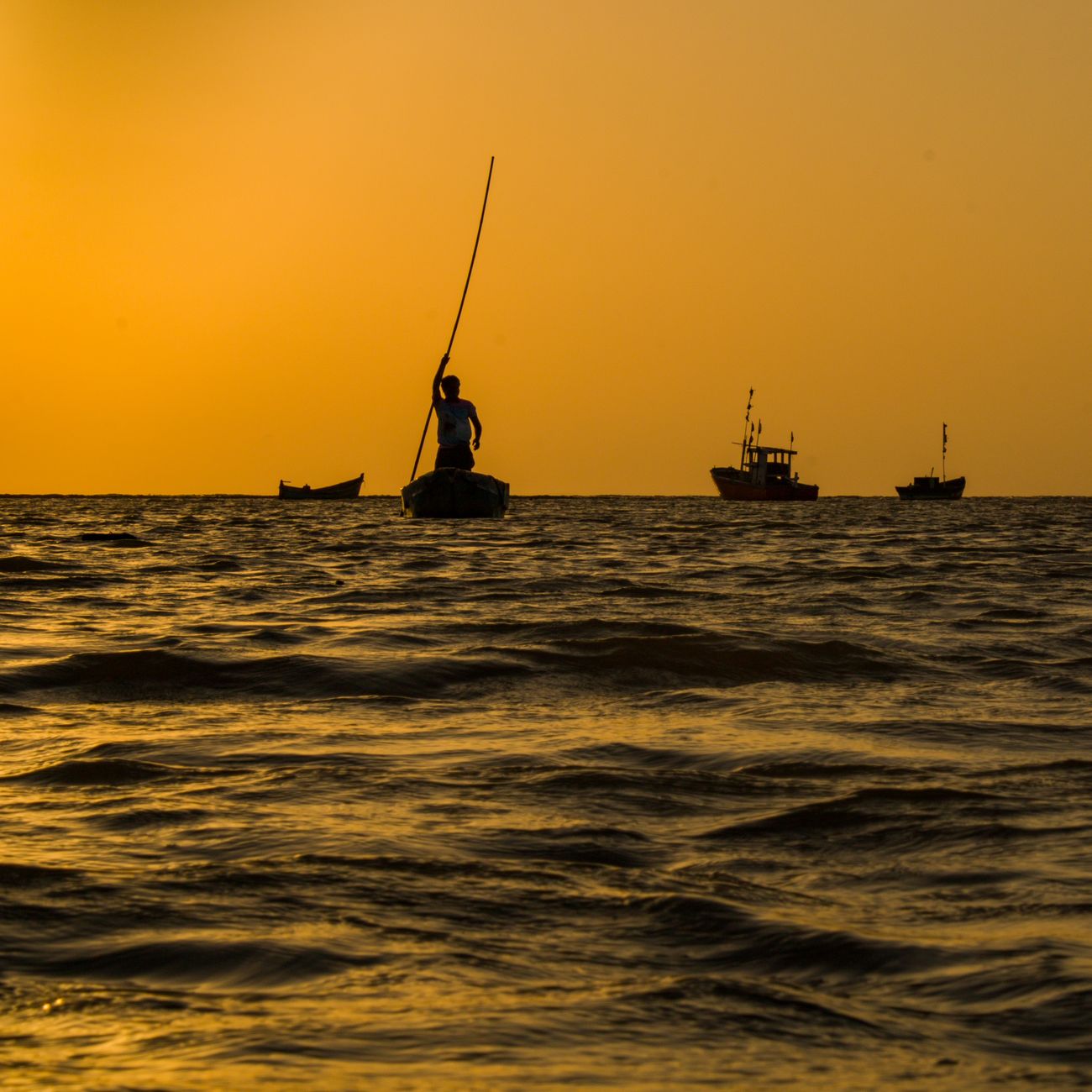
Aerial Surveillance refers to the use of aircraft to monitor and track vessels a… #
Related terms include Maritime Patrol Aircraft and Remote Piloted Aircraft Systems. Aerial surveillance can be used to gather evidence, track vessels, and provide real-time information to enforcement agencies.
Aquatic Species are plants and animals that live in water, including fish… #
In the context of fisheries enforcement, aquatic species are often the focus of conservation efforts, and regulations are put in place to protect them. Examples of aquatic species include salmon, tuna, and coral.
Boarding and Search refers to the process of stopping and inspecting a ve… #
This can include checking for permits, inspecting catch, and verifying vessel identity. Boarding and search operations are often carried out by enforcement agencies, such as coast guards or fisheries inspectors.
Catch Documentation is the process of recording and reporting the amount… #
This information is used to monitor fisheries and ensure that vessels are complying with regulations. Catch documentation is an important tool in preventing overfishing and protecting fish populations.
Closed Areas are regions of the ocean that are closed to fishing or other… #
These areas can be established to protect coral reefs, sea mounts, or other sensitive ecosystems. Closed areas can be used to replenish fish populations, protect breeding grounds, and preserve biodiversity.
Coastal States have sovereignty over their coastal waters, includi… #
Coastal states can establish marine protected areas, regulate fishing gear, and impose penalties for illegal fishing activities.
Conservation Enforcement refers to the use of laws and regulati… #
This can include patrolling coastal waters, inspecting vessels, and enforcing penalties for violations. Conservation enforcement is critical to protecting marine ecosystems and ensuring the long-term sustainability of fisheries.
Deterrents are measures used to discourage or prevent illegal fish… #
Deterrents can be used to prevent overfishing, protect habitat, and conserve species. Examples of deterrents include increased patrols, improved surveillance, and stiffer penalties for violations.
Ecosystem Approach is a holistic approach to managing fisheries an… #
This approach considers the impacts of fishing on the entire ecosystem, including bycatch, habitat damage, and food web interactions.
Enforcement Agencies are organizations responsible for enforcing laws<… #
Examples of enforcement agencies include coast guards, fisheries inspectors, and marine conservation organizations.
Fish Populations refer to the number of fish in a particular species</… #
Fish populations can be affected by overfishing, habitat damage, and climate change. Managing fish populations is critical to ensuring the long-term sustainability of fisheries and protecting the marine ecosystem.
Fisheries Management refers to the process of regulating and managing … #
This can include setting catch limits, establishing closed areas, and regulating fishing gear. Fisheries management involves balancing the needs of fishermen, conservationists, and communities to ensure the health of fish populations and the marine ecosystem.
Fishing Gear refers to the equipment used to catch fish, including nets,… #
Fishing gear can have impacts on the marine environment, including bycatch, habitat damage, and entanglement of non-target species.
Global Positioning System (GPS) is a network of satellites used to provid… #
GPS can be used to monitor fishing activities, track vessel movements, and enforce regulations.
Habitat Protection refers to the conservation and management of habita… #
This can include establishing marine protected areas, regulating fishing gear, and preventing pollution. Habitat protection is critical to maintaining the health and biodiversity of marine ecosystems.
Inspections are the process of examining vessels , gear , and cat… #
Inspections can be carried out by enforcement agencies, such as coast guards or fisheries inspectors.
International Cooperation refers to the collaboration and coordination be… #
International cooperation can help to prevent illegal fishing, protect species, and conserve habitats.
Marine Conservation refers to the protection and preservation of the mari… #
This can include establishing marine protected areas, regulating fishing activities, and preventing pollution. Marine conservation is critical to maintaining the health and biodiversity of marine ecosystems.
Marine Protected Areas (MPAs) are designated areas of the ocean that are… #
MPAs can be used to conserve species, protect habitats, and maintain ecosystem function.
Monitoring Control and Surveillance (MCS) refers to the use of technology… #
MCS can include the use of satellites, radar, and aircraft to track vessels and detect illegal fishing activities.
National Jurisdiction refers to the authority of a country to regulate an… #
National jurisdiction can include the regulation of fishing activities, the protection of marine habitats, and the enforcement of conservation laws.
Observer Programs refer to the use of trained observers to collect data o… #
Observer programs can provide valuable information for fisheries management and conservation efforts.
Patrol Vessels are ships or boats used to patrol coastal waters an… #
Patrol vessels can be used to inspect vessels, monitor fishing activities, and respond to emergencies.
Penalties are the consequences imposed on individuals or vessels that vio… #
Penalties can include fines, confiscation of gear or vessels, and licenses revocation.
Port State Measures (PSM) refer to the inspection and regulation of ve… #
PSM can include the inspection of catch, gear, and documents, as well as the enforcement of regulations related to fishing activities.
Regional Fisheries Management Councils (RFMCs) are organizations that man… #
RFMCs can establish regulations, set catch limits, and coordinate enforcement efforts.
Remote Piloted Aircraft Systems (RPAS) are unmanned aircraft used to moni… #
RPAS can be used to gather intelligence, monitor compliance, and respond to emergencies.
Satellite Surveillance refers to the use of satellites to monitor and tra… #
Satellite surveillance can provide real-time information on vessel movements, fishing effort, and catch.
Species Identification refers to the process of identifying and classifyi… #
Species identification is critical to fisheries management and conservation efforts.
Sustainable Fishing Practices refer to fishing methods and practic… #
Sustainable fishing practices can help to maintain the health and biodiversity of marine ecosystems and ensure the long-term sustainability of fisheries.
Treaties and Agreements refer to international agreements and t… #
Examples of treaties and agreements include the United Nations Fish Stocks Agreement and the Convention on International Trade in Endangered Species of Wild Fauna and Flora (CITES).
Vessel Monitoring Systems (VMS) are electronic systems used to track and… #
VMS can provide real-time information on vessel location, speed, and direction, and can be used to enforce regulations and prevent illegal fishing activities.
Vessel Registration refers to the process of registering and documenting… #
Vessel registration can include the issuance of licenses, permits, and certificates of registration.
Zoning refers to the division of marine areas into different zones, each… #
Zoning can be used to protect habitats, conserve species, and manage fishing activities. Examples of zoning include the establishment of marine protected areas, fishery closures, and coastal management areas.