
Occupational Health Management in Production Environments
Expert-defined terms from the Graduate Certificate in Health and Safety Management for Film Productions (united Kingdom) (part Ii) (Advanced) course at LearnUNI. Free to read, free to share, paired with a professional course.
Accident Investigation – systematic process of determining the causes of… #
Related terms: root cause analysis, incident reporting. The investigation gathers evidence, interviews witnesses, and reviews safety documentation to identify immediate and underlying factors. Example: after a fall from a lighting rig, the team records site conditions, equipment status, and crew fatigue levels. Practical application includes producing an investigation report that drives corrective actions. Challenges involve maintaining objectivity, managing time pressures, and ensuring confidentiality of involved parties.
Administrative Controls – policies, procedures, and work practices design… #
Related terms: hierarchy of controls, standard operating procedures. In a film studio, administrative controls may require rotating crew members to limit repetitive strain. Example: scheduling mandatory rest breaks during long shooting days. Practical application includes training staff on new procedures and monitoring compliance. Challenges are ensuring consistent enforcement and preventing “paper‑only” compliance.
Aerial Work – any work performed at height where a fall could result in i… #
Related terms: working at height, fall protection. In production, camera operators may use a boom crane to achieve high‑angle shots. Example: a crew member attached to a safety harness while operating a jib. Practical application requires risk assessments, proper equipment inspection, and rescue plans. Challenges include weather variability, limited access for rescue, and coordination with other departments.
ANSI Z117 #
1 – American National Standards Institute standard for confined space entry and rescue. Related terms: confined space, permit‑required confined space. Although a UK‑focused course, reference to ANSI helps compare international best practices. Example: using ANSI guidelines to develop a confined‑space entry permit for a ventilation shaft on set. Practical application involves training staff on atmospheric testing and rescue procedures. Challenges arise from differing national regulations and ensuring cross‑reference accuracy.
Asbestos Management – systematic approach to identifying, assessing, and… #
Related terms: hazard communication, occupational exposure limit. Example: conducting a survey of older studio buildings to locate ACMs before renovation. Practical application includes developing an asbestos register, providing training, and arranging licensed removal. Challenges are the high cost of remediation, legal liabilities, and maintaining up‑to‑date records during rapid set changes.
Behaviour Based Safety (BBS) – safety management strategy that focuses on… #
Related terms: positive reinforcement, behavioral observation. In a film crew, supervisors may conduct daily walk‑arounds noting correct PPE use. Example: rewarding a grip who consistently secures equipment before moving. Practical application requires trained observers, clear criteria, and feedback loops. Challenges include observer bias, staff fatigue, and sustaining engagement over long productions.
Biological Monitoring – measurement of chemicals or their metabolites in… #
Related terms: exposure assessment, occupational health surveillance. Example: testing urine for lead after crew works with lead‑based paints on set. Practical application informs medical surveillance programs and controls. Challenges involve sample collection logistics, confidentiality, and interpreting results against occupational exposure limits.
Bow Tie Analysis – risk assessment tool that visualises the pathways betw… #
Related terms: risk matrix, hazard identification. For a pyrotechnics sequence, the bow tie diagram shows the hazard (explosive material), preventive barriers (qualified technicians, safe distances), and recovery controls (fire extinguishers, emergency response). Practical application aids communication with non‑technical stakeholders. Challenges include data completeness, keeping the diagram current as set design evolves, and ensuring all relevant controls are captured.
Broadcast Safety – set of practices to protect personnel from electrical… #
Related terms: electrical safety, signal interference. Example: grounding antenna rigs used for live outdoor shoots. Practical application includes conducting lock‑out/tag‑out (LOTO) procedures before maintenance. Challenges are the transient nature of broadcast setups and coordination with external transmission providers.
Building Regulations Part B – UK legislation covering fire safety in buil… #
Related terms: fire risk assessment, means of escape. Example: ensuring a temporary set erected in a warehouse meets fire compartmentation standards. Practical application involves consulting fire engineers during design. Challenges include reconciling fast‑track construction timelines with regulatory approval processes.
Carbon Monoxide (CO) Monitoring – continuous or periodic measurement of C… #
Related terms: air quality monitoring, gas detection. Example: installing CO alarms on a set using diesel generators for power. Practical application includes alarm response protocols and maintenance of detectors. Challenges are sensor drift, false alarms, and ensuring all crew members understand alarm significance.
Confined Space Entry Permit – written authorization that outlines the spe… #
Related terms: permit‑required confined space, hazard assessment. Example: a permit issued for cleaning a ventilation duct within a soundstage. Practical application requires atmospheric testing, standby rescue personnel, and a clear communication plan. Challenges include permit fatigue, ensuring all relevant parties sign, and managing unexpected atmospheric changes.
Control of Substances Hazardous to Health (COSHH) – UK regulation requiri… #
Related terms: material safety data sheet (MSDS), exposure limit. Example: managing the use of solvents for set painting by implementing local exhaust ventilation. Practical application involves creating COSHH assessments for each substance used on set. Challenges are the high turnover of materials, ensuring up‑to‑date safety data, and training transient crew.
Crew Resource Management (CRM) – organizational approach that optimises t… #
Related terms: human factors, teamwork. Example: pre‑shoot briefings that clarify roles, emergency procedures, and conflict resolution. Practical application improves safety culture and reduces errors. Challenges include cultural resistance, language barriers, and time constraints in fast‑paced productions.
Daily Safety Briefing – short, focused meeting at the start of each workd… #
Related terms: toolbox talk, pre‑start check. Example: briefing the stunt department on rope‑access safety before a chase scene. Practical application reinforces awareness and provides an opportunity for crew to raise concerns. Challenges are maintaining relevance, avoiding repetition, and ensuring attendance from all crew members.
Decontamination Procedures – systematic methods for removing hazardous re… #
Related terms: hazardous material handling, personal protective equipment (PPE). Example: washing down crew after a pyrotechnic explosion that releases metal‑based smoke. Practical application includes designated decontamination zones and documented cleaning protocols. Challenges include ensuring compliance under time pressure and managing waste disposal.
Dust Control – measures to limit airborne particulate matter generated du… #
Related terms: air monitoring, ventilation. Example: using water mist systems while cutting wood for a period set. Practical application involves selecting appropriate suppression methods and monitoring respirable dust levels. Challenges are balancing visual requirements with health considerations and maintaining equipment in dusty environments.
Electrical Safety – BS 7671 – British Standard governing electrical insta… #
Related terms: lock‑out/tag‑out (LOTO), portable appliance testing (PAT). Example: verifying that all temporary lighting rigs comply with BS 7671 before connection to mains supply. Practical application includes regular inspection, testing, and documentation. Challenges include the transient nature of film sets, varied power sources, and ensuring all electricians are competent.
Emergency Evacuation Plan – documented strategy outlining routes, assembl… #
Related terms: fire drill, risk assessment. Example: mapping evacuation routes for a large outdoor location with temporary structures. Practical application ensures all crew know where to go and who to report to. Challenges involve changing site layouts, limited access points, and coordinating with local authorities.
Ergonomic Assessment – evaluation of work tasks, tools, and environments… #
Related terms: repetitive strain injury (RSI), human factors. Example: analyzing camera rig weight distribution to prevent back injuries among operators. Practical application leads to redesign of equipment or work‑method adjustments. Challenges include limited time for redesign, resistance to new methods, and variable crew fitness levels.
Exposure Limit – OEL – legally enforceable limit for the amount of a haza… #
Related terms: threshold limit value (TLV), biological monitoring. Example: enforcing the OEL for silica dust during set demolition. Practical application requires air sampling, record‑keeping, and control measures. Challenges include fluctuating exposure levels, measurement accuracy, and ensuring all subcontractors adhere to limits.
Fall Arrest System – equipment designed to stop a worker’s fall and safel… #
Related terms: personal protective equipment (PPE), working at height. Example: a grip using a full‑body harness while rigging a lighting truss. Practical application includes regular inspections, training on proper use, and rescue planning. Challenges are anchor point reliability, correct lanyard length selection, and ensuring all crew are trained.
Fire Safety Officer (FSO) – individual responsible for implementing fire… #
Related terms: fire risk assessment, means of escape. Example: the FSO conducts a daily walk‑through to verify that fire extinguishers are serviced. Practical application involves liaising with local fire services and maintaining fire‑related documentation. Challenges include limited authority on large sets, overlapping responsibilities, and ensuring crew awareness.
Fire Risk Assessment – systematic evaluation of fire hazards, likelihood,… #
Related terms: Fire Safety Officer, means of escape. Example: assessing the fire load of temporary set materials such as foam and timber. Practical application results in specifying fire‑retardant treatments and establishing evacuation routes. Challenges include rapidly changing set designs, limited fire‑resistant materials, and balancing aesthetic needs with safety.
First Aid Provision – arrangement of trained personnel, equipment, and fa… #
Related terms: occupational health, emergency response. Example: a qualified first aider stationed near a stunt area with a fully stocked first aid kit. Practical application includes maintaining a register of first aiders, conducting regular kit checks, and ensuring accessibility. Challenges are ensuring coverage across multiple locations, managing language barriers, and updating training for evolving hazards.
Fit for Purpose PPE – personal protective equipment selected based on the… #
Related terms: risk assessment, hazard control. Example: using flame‑resistant overalls for crew working near pyrotechnic effects. Practical application includes fitting sessions, training on correct use, and routine inspection. Challenges involve comfort, compatibility with other equipment, and ensuring crew actually wear the PPE.
Food Safety on Set – measures to prevent contamination and illness from c… #
Related terms: HACCP, occupational health. Example: requiring caterers to hold a valid food hygiene rating before supplying meals. Practical application includes regular temperature checks and segregation of allergen‑containing foods. Challenges are high turnover of catering staff, limited kitchen facilities, and maintaining hygiene during outdoor shoots.
Force Majeure Clause – contractual provision that releases parties from l… #
Related terms: risk management, insurance. Example: a pandemic causing suspension of filming, triggering a force majeure clause that activates emergency health protocols. Practical application requires clear definition of qualifying events and documentation. Challenges include interpreting the clause, coordinating with insurers, and managing crew welfare during extended delays.
Frequent Hazard Review – systematic re‑examination of identified hazards… #
Related terms: continuous improvement, audit. Example: revisiting the risk assessment for crane operation after each major shoot. Practical application includes scheduled reviews, updating control measures, and recording changes. Challenges are resource constraints, documentation overload, and ensuring review outcomes are implemented.
General Duty Clause – statutory obligation requiring employers to provide… #
Related terms: Health and Safety at Work Act 1974, duty of care. In the UK film industry, the clause underpins all safety management activities. Practical application involves integrating the duty into policies, training, and risk assessments. Challenges include interpreting the clause for novel hazards such as drone filming and ensuring compliance across subcontractors.
Glass Breakage Management – procedures for handling and disposing of brok… #
Related terms: waste management, personal protective equipment (PPE). Example: using puncture‑resistant containers for collecting shattered glass from a faux window set. Practical application includes training crew on safe handling and ensuring proper disposal to prevent injuries. Challenges are rapid clean‑up demands, maintaining sightlines for filming, and preventing secondary injuries.
Health Surveillance – systematic monitoring of workers’ health to detect… #
Related terms: occupational health, biological monitoring. Example: annual hearing tests for crew regularly exposed to high‑decibel sound levels. Practical application involves scheduling examinations, maintaining confidential records, and acting on findings. Challenges include ensuring participation, managing data privacy, and linking surveillance outcomes to preventive actions.
Hierarchical Control Approach – systematic method of selecting control me… #
Related terms: risk assessment, control of hazards. Example: replacing a hazardous chemical with a safer alternative before implementing ventilation. Practical application guides decision‑making throughout the production lifecycle. Challenges include limited availability of substitutes, cost constraints, and resistance to change.
High‑Risk Activity Permit – formal authorization required before undertak… #
Related terms: risk assessment, permit‑to‑work system. Example: a permit issued for rigging a 30‑tonne lighting truss. Practical application includes defining responsibilities, safety checks, and emergency procedures. Challenges are ensuring all parties understand the permit’s scope, preventing permit fatigue, and maintaining up‑to‑date documentation.
Human Factors Engineering – design discipline that considers human capabi… #
Related terms: ergonomics, behaviour based safety. Example: designing control panels for camera cranes that are intuitive and reduce the chance of operator error. Practical application includes user testing, clear labeling, and feedback loops. Challenges involve balancing creative design constraints with ergonomic principles and accommodating diverse user populations.
Hydraulic Safety – measures to control hazards associated with hydraulic… #
Related terms: pressure testing, lock‑out/tag‑out (LOTO). Example: isolating hydraulic power before servicing a camera dolly. Practical application includes regular pressure checks, maintenance logs, and training on safe discharge procedures. Challenges include high pressure levels, hidden leaks, and ensuring all operators are aware of system status.
Incident Reporting System – structured platform for recording, tracking,… #
Related terms: accident investigation, continuous improvement. Example: an online portal where crew log a near‑miss involving a loose cable on set. Practical application enables trend analysis, corrective actions, and regulatory compliance. Challenges include under‑reporting, data overload, and ensuring timely investigation of reported items.
Infection Control Protocols – procedures to limit transmission of communi… #
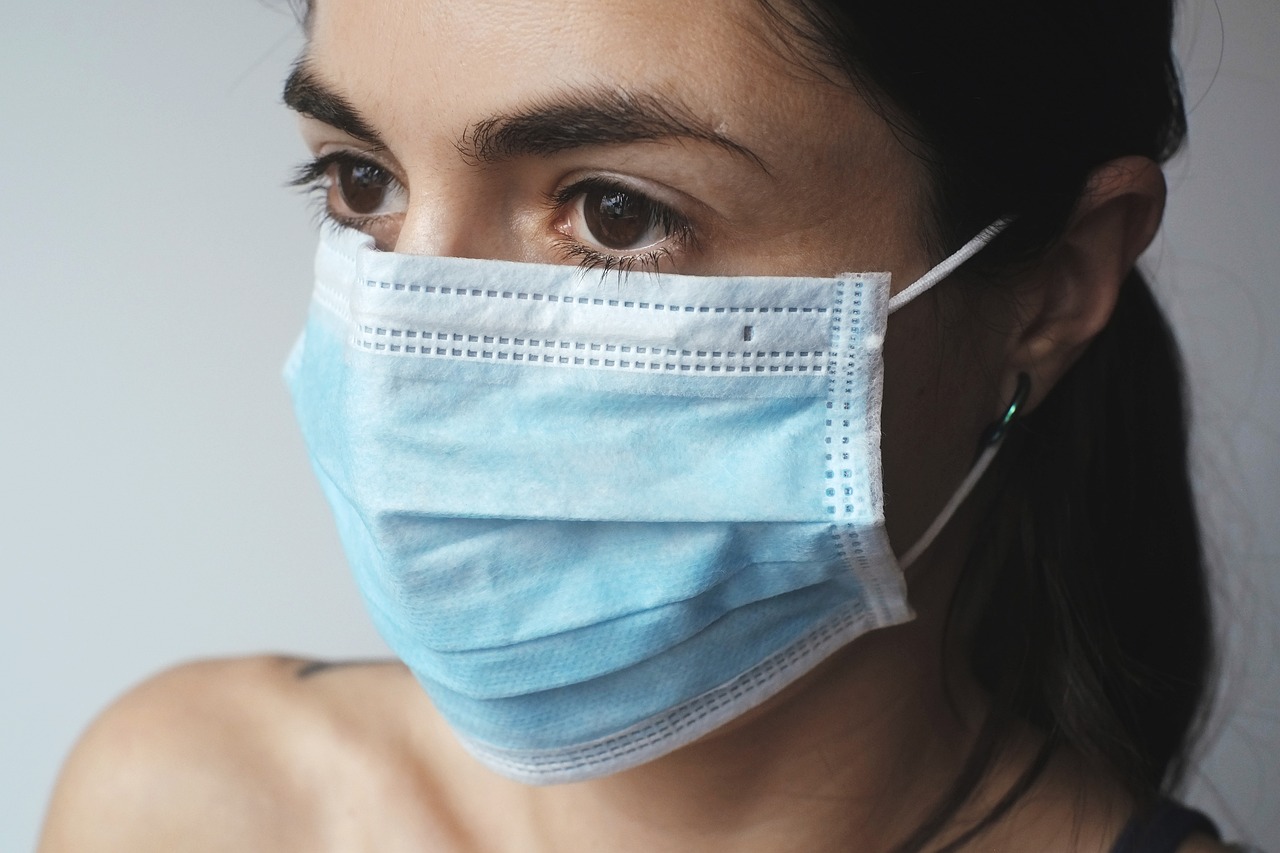
Related terms: personal protective equipment (PPE), occupational health. Example: mandatory face‑coverings and regular sanitisation of shared equipment. Practical application involves risk assessments for close‑contact scenes, vaccination policies, and contact‑tracing mechanisms. Challenges are balancing artistic requirements with health measures, ensuring compliance, and managing supply chain for protective equipment.
Insulation Safety – safeguards when working with thermal or acoustic insu… #
Related terms: asbestos management, personal protective equipment (PPE). Example: using respirators and disposable coveralls when installing acoustic panels on a soundstage. Practical application includes material data sheets, proper removal procedures, and waste segregation. Challenges are identifying hidden hazardous components, ensuring proper disposal, and training transient workers.
Job Safety Analysis (JSA) – step‑by‑step breakdown of a specific task to… #
Related terms: risk assessment, behaviour based safety. Example: a JSA for setting up a dolly track, detailing each movement, required tools, and protective measures. Practical application supports pre‑start briefings and documentation of control measures. Challenges include time constraints, ensuring accuracy for complex tasks, and updating JSAs when procedures change.
LOTO – Lock‑Out/Tag‑Out – safety procedure to ensure that equipment is de… #
Related terms: electrical safety, permit‑to‑work. Example: locking out the power supply to a rig before adjusting cable runs. Practical application includes lock boxes, tags, and training on authorised personnel. Challenges are ensuring universal compliance across multiple trades, managing multiple lock points, and preventing workarounds.
Machinery Guarding – physical barriers or devices designed to protect wor… #
Related terms: risk assessment, engineering controls. Example: installing a protective cage around a motorised winch used for set lifts. Practical application involves regular inspections, maintenance, and ensuring guards do not impede required operation. Challenges include custom‑fabricated equipment where standard guards may not fit and balancing accessibility with protection.
Manual Handling Risk Assessment – evaluation of tasks involving lifting,… #
Related terms: ergonomic assessment, behaviour based safety. Example: assessing the need for mechanical aids when moving a 200 kg lighting rig. Practical application leads to the use of dollies, team lifts, or lift‑assist devices. Challenges involve limited space on set, time pressure, and varying crew strength.
Medical Surveillance Program – structured schedule of health checks for w… #
Related terms: health surveillance, biological monitoring. Example: periodic lung function tests for crew working with smoke‑generating devices. Practical application includes coordinating with occupational health providers and maintaining confidential records. Challenges are ensuring participation, aligning testing frequency with exposure levels, and managing follow‑up actions.
Noise Control – strategies to reduce exposure to hazardous sound levels g… #
Related terms: hearing protection, environmental monitoring. Example: using acoustic curtains and earmuffs for crew during a high‑decibel explosion scene. Practical application involves measuring dB levels, establishing exposure limits, and implementing engineering controls. Challenges include maintaining audio quality for filming while protecting hearing, and varying noise sources across locations.
Occupational Hygiene – discipline focused on anticipating, recognising, e… #
Related terms: risk assessment, control of substances hazardous to health (COSHH). Example: assessing airborne silica dust during set demolition and implementing water suppression. Practical application includes monitoring, control measures, and worker training. Challenges are the dynamic nature of film sets, variable hazard sources, and limited time for thorough assessments.
Personal Protective Equipment (PPE) Management – systematic approach to s… #
Related terms: risk assessment, fit for purpose PPE. Example: a PPE register tracking the issuance of flame‑resistant gloves to the stunt crew. Practical application includes regular inspections, replacement schedules, and documentation of training. Challenges involve ensuring proper fit for a diverse workforce, avoiding complacency, and managing inventory across multiple locations.
Permit‑to‑Work System – formal written system that controls hazardous wor… #
Related terms: high‑risk activity permit, LOTO. Example: a permit authorising hot‑work welding on a temporary set. Practical application includes verifying that all pre‑conditions are met before work commences and that a competent person signs off. Challenges are permit fatigue, coordination among multiple subcontractors, and ensuring permits are up‑to‑date when site conditions change.
Physical Hazard Identification – process of recognising non‑chemical dang… #
Related terms: risk assessment, hazard identification. Example: mapping uneven flooring on a historic building used for interior filming. Practical application leads to corrective actions like temporary walkways or anti‑slip coatings. Challenges are the transient nature of set dressing, limited time for remediation, and the need for quick visual inspections.
Plastic Explosives Safety – specific controls for handling and detonating… #
Related terms: pyrotechnics, risk assessment. Example: storing PETN charges in a certified explosives magazine with temperature control. Practical application includes licensed technicians, remote firing systems, and exclusion zones. Challenges involve regulatory compliance, public perception, and ensuring safe distances on crowded locations.
Post‑Incident Review – structured analysis conducted after an incident to… #
Related terms: incident reporting system, continuous improvement. Example: a debrief after a near‑miss involving a collapsing set piece, identifying inadequate rigging checks. Practical application results in updated procedures, training modules, and reinforcement of safety culture. Challenges include bias, time pressures, and translating findings into actionable changes.
Power Distribution Safety – measures to ensure safe delivery, use, and te… #
Related terms: BS 7671, lock‑out/tag‑out (LOTO). Example: using a dedicated distribution board with circuit breakers for lighting arrays. Practical application includes cable management, regular PAT testing, and clear labeling. Challenges are the need for flexible power solutions, risk of overloading circuits, and coordination with external power suppliers.
Preventive Maintenance – scheduled servicing of equipment to reduce the l… #
Related terms: machinery guarding, risk assessment. Example: monthly inspection of crane hydraulic systems before a shoot. Practical application includes maintenance logs, checklists, and qualified personnel. Challenges include balancing production schedules with downtime, ensuring all equipment is covered, and maintaining records for transient assets.
Procedural Safety Audits – systematic evaluation of safety procedures to… #
Related terms: continuous improvement, audit. Example: an auditor reviews the lock‑out/tag‑out process for rigging crews. Practical application provides objective feedback, identifies gaps, and informs corrective actions. Challenges are audit fatigue, ensuring auditor independence, and translating audit findings into practical improvements.
Radiation Safety – controls for exposure to ionising or non‑ionising radi… #
Related terms: hazard identification, personal protective equipment (PPE). Example: using laser‑protected eyewear when operating high‑power laser rigs for special effects. Practical application includes risk assessments, signage, and restricted access zones. Challenges are rapidly evolving technology, ensuring staff competence, and complying with both UK and EU radiation regulations.
Risk Register – documented list of identified risks, their likelihood, im… #
Related terms: risk assessment, continuous improvement. Example: a register entry for “slip hazard on wet outdoor set,” with controls such as non‑slip mats and drainage. Practical application aids tracking, prioritisation, and reporting to senior management. Challenges include keeping the register current amidst fast‑changing set conditions and ensuring all stakeholders review it regularly.
Risk Assessment – systematic process of identifying hazards, evaluating t… #
Related terms: hierarchical control approach, job safety analysis (JSA). Example: assessing the risk of using a drone for aerial shots, considering battery fire, wind conditions, and privacy. Practical application forms the basis of permits, training, and safety briefings. Challenges involve accurate hazard identification, quantifying risk for novel technologies, and ensuring assessments are reviewed throughout the project lifecycle.
Safety Culture – collective attitudes, values, and behaviours that determ… #
Related terms: behaviour based safety, psychological safety. Example: a production company that publicly recognises crew members who champion safety initiatives. Practical application includes leadership engagement, visible safety metrics, and reward systems. Challenges are changing entrenched attitudes, measuring intangible aspects, and sustaining culture across multiple subcontractors.
Safety Data Sheet (SDS) – document providing detailed information on the… #
Related terms: material safety data sheet (MSDS), COSHH. Example: the SDS for a solvent used in set painting outlines flammability, required PPE, and first‑aid measures. Practical application ensures all crew have access, understand key sections, and follow recommended controls. Challenges include keeping SDSs up‑to‑date, especially for new or blended products, and ensuring comprehension among non‑technical staff.
Scaffolding Safety – guidelines and controls for erecting, inspecting, an… #
Related terms: working at height, risk assessment. Example: a certified scaffold supervisor checks the stability of a 10‑meter scaffold before crew ascend. Practical application involves regular inspections, load calculations, and proper access. Challenges include limited space, varying ground conditions, and rapid assembly/disassembly pressures.
Security of Equipment – measures to protect costly production equipment f… #
Related terms: risk assessment, inventory control. Example: using GPS‑enabled tracking for high‑value camera rigs during location shoots. Practical application includes secure storage, signed check‑in/out forms, and insurance coverage. Challenges are remote locations with limited security infrastructure, high turnover of gear, and balancing accessibility with protection.
Set Hygiene Management – practices to maintain cleanliness and minimise c… #
Related terms: infection control protocols, waste management. Example: daily cleaning of shared equipment like boom poles with disinfectant wipes. Practical application reduces slip hazards, microbial growth, and cross‑contamination. Challenges include time constraints, high‑traffic areas, and coordinating cleaning schedules with filming.
Shotgun Noise Control – specific measures to mitigate the acoustic impact… #
Related terms: noise control, personal protective equipment (PPE). Example: using suppressors and acoustic barriers when firing blanks on indoor sets. Practical application includes pre‑shoot acoustic testing and providing hearing protection to crew. Challenges are preserving realistic sound while protecting hearing, and ensuring compliance with local firearms regulations.
Signage and Symbol Use – deployment of clear, standardized signs to conve… #
Related terms: hazard communication, risk assessment. Example: “Danger – High Voltage” signs posted around temporary power distribution units. Practical application improves awareness, assists non‑English speakers with universal symbols, and supports regulatory compliance. Challenges include sign fatigue, clutter on busy sets, and ensuring durability in outdoor environments.
Site #
Specific Emergency Plan – tailored emergency response procedures that address the unique characteristics of a particular filming location. Related terms: emergency evacuation plan, risk register. Example: a plan for a cliff‑side shoot that includes marine rescue assets and helicopter standby. Practical application ensures coordination with local emergency services and clear communication of roles. Challenges are changing terrain, limited communication infrastructure, and integrating multiple agencies.
Slips, Trips, and Falls (STF) Prevention – strategies to reduce incidents… #
Related terms: physical hazard identification, behaviour based safety. Example: laying anti‑slip mats over wet ground during a rain‑shoot. Practical application involves regular inspections, crew awareness, and prompt clean‑up of spills. Challenges include unpredictable weather, set debris, and the need for rapid re‑configuration of set pieces.
Smoke and Fume Management – controls to limit exposure to hazardous gases… #
Related terms: air monitoring, ventilation. Example: using local exhaust ventilation when generating smoke for a battle scene. Practical application includes real‑time gas detectors, respiratory protection, and post‑shoot air quality testing. Challenges are maintaining visual effect quality while ensuring safety, and dealing with confined spaces.
Special Effects Hazard Assessment – dedicated risk evaluation for pyrotec… #
Related terms: pyrotechnics, risk register. Example: assessing a controlled fire sequence, considering fuel type, ignition method, and flame height. Practical application results in detailed safety plans, exclusion zones, and emergency response coordination. Challenges include regulatory approvals, public perception, and ensuring all subcontractors follow the same safety standards.
Stakeholder Communication – process of informing and involving all partie… #
Related terms: crew resource management (CRM), risk register. Example: briefing local residents about a night shoot involving bright lights and loud noises. Practical application builds trust, reduces complaints, and facilitates smoother operations. Challenges involve language barriers, differing expectations, and timing of communications.
Standard Operating Procedure (SOP) – documented, step‑by‑step instruction… #
Related terms: behaviour based safety, administrative controls. Example: an SOP for safely loading and unloading camera equipment from a truck. Practical application ensures uniformity, aids training, and provides a reference for audits. Challenges include keeping SOPs current, ensuring they are user‑friendly, and preventing reliance on SOPs where higher‑level controls are needed.
Subcontractor Safety Management – processes to ensure that external vendo… #
Related terms: permit‑to‑work system, risk assessment. Example: requiring a subcontractor to submit their own COSHH assessments before working on set. Practical application includes pre‑qualification questionnaires, safety inductions, and joint audits. Challenges are varying safety cultures, limited control over subcontractor practices, and communication gaps.
Sustained Noise Exposure Monitoring – ongoing measurement of sound levels… #
Related terms: noise control, hearing protection. Example: using dosimeters on crew members during an intensive action sequence with loud explosions. Practical application informs the need for earmuffs, earplugs, or engineering controls. Challenges include equipment placement, data interpretation, and maintaining crew comfort.
Supply Chain Hazard Transparency – requirement that suppliers disclose an… #
Related terms: COSHH, material safety data sheet (SDS). Example: a lighting manufacturer provides an SDS for a new LED fixture containing rare earth metals. Practical application enables accurate risk assessments and appropriate control measures. Challenges include obtaining full disclosure, interpreting complex data, and managing multiple suppliers.
Surface Treatment for Slip Resistance – application of coatings or textur… #
Related terms: STF prevention, physical hazard identification. Example: applying a non‑slip spray to a wet concrete floor used for a chase scene. Practical application improves crew safety while preserving the visual aesthetic. Challenges are ensuring the treatment does not interfere with set design, durability under heavy equipment, and environmental considerations.
Survival Analysis in Safety – statistical method used to predict time‑to‑… #
Related terms: risk register, continuous improvement. Example: analysing historical incident data to forecast injury rates for a 12‑week shoot. Practical application supports resource allocation for safety personnel and targeted