
Care Home Management
Expert-defined terms from the Masterclass Certificate in Care Home Compliance course at LearnUNI. Free to read, free to share, paired with a professional course.
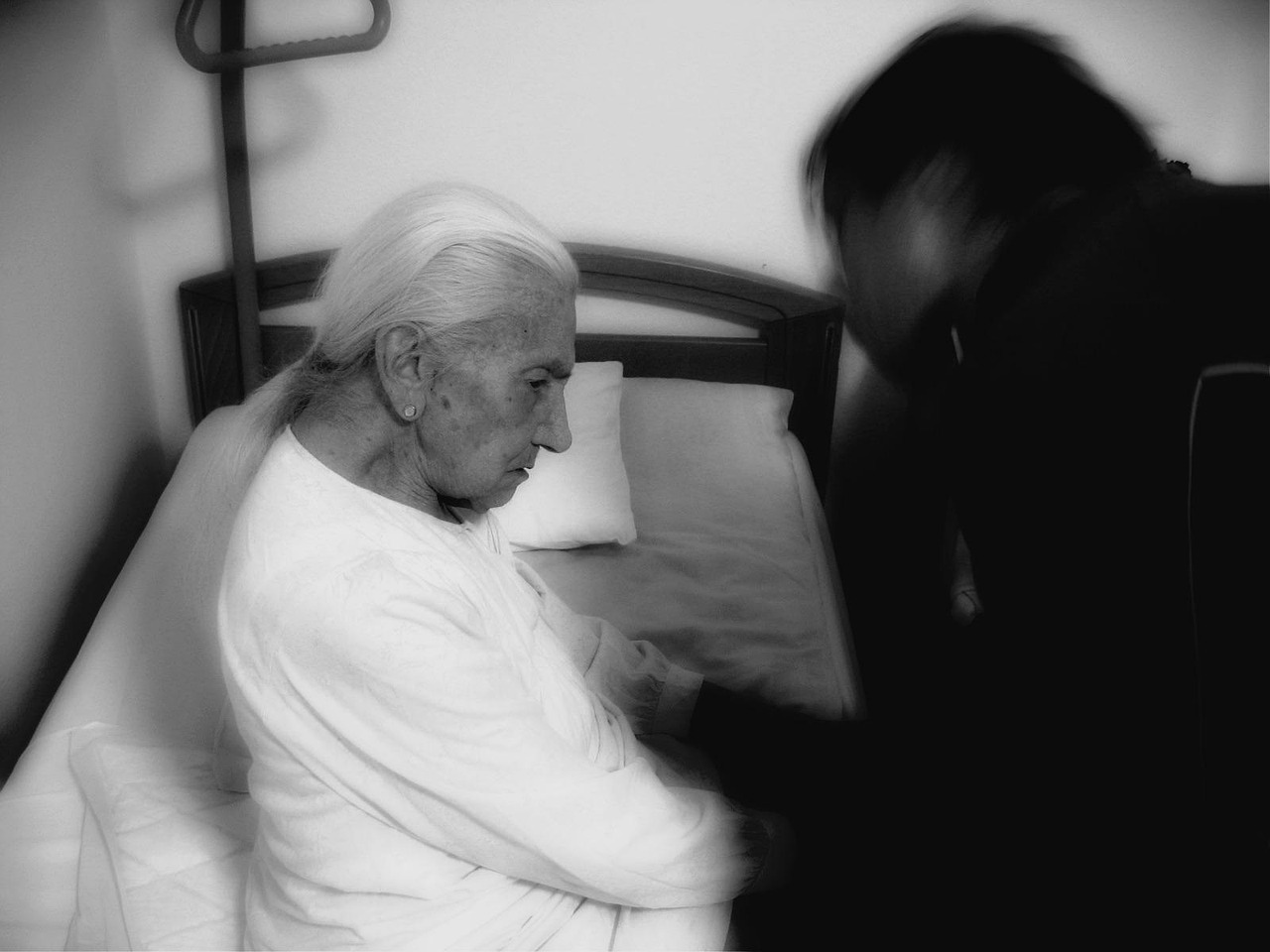
Acute Care #
Acute Care
Concept #
Short‑term, intensive medical treatment for severe conditions.
Explanation #
Acute care in a care home context refers to the rapid response required when a resident experiences a sudden health decline, necessitating immediate assessment and possible transfer to a higher‑level facility.
Example #
A resident develops acute pneumonia and requires oxygen therapy and antibiotics within hours of symptom onset.
Practical application #
Staff must be trained to recognise early signs, document changes, and initiate emergency protocols.
Challenges #
Balancing resident autonomy with the need for swift medical intervention, and coordinating with external health services.
Admission Assessment #
Admission Assessment
Concept #
Comprehensive evaluation conducted before a resident moves into a care home.
Explanation #
This assessment gathers medical history, functional abilities, psychosocial needs, and preferences to inform appropriate placement and service provision.
Example #
Using a standardized tool, staff assess a new resident’s mobility, cognition, and medication regimen.
Practical application #
Results guide staffing ratios, required equipment, and individualized care plans.
Challenges #
Ensuring accuracy under time pressure and integrating information from multiple sources.
Adverse Event Reporting #
Adverse Event Reporting
Concept #
Systematic documentation of incidents that cause harm or have the potential to cause harm.
Explanation #
Reporting includes falls, medication errors, or infections, and is essential for regulatory compliance and quality improvement.
Example #
A resident slips in the bathroom; staff record the event, circumstances, and corrective actions taken.
Practical application #
Use of electronic reporting systems to track trends and implement preventive measures.
Challenges #
Encouraging a non‑punitive culture so staff report all events promptly.
Alzheimer’s Disease #
Alzheimer’s Disease
Concept #
Progressive neurodegenerative disorder causing memory loss and cognitive decline.
Explanation #
In care homes, residents with Alzheimer’s require tailored communication strategies, activity programs, and safety modifications.
Example #
Implementing a memory box with familiar items to reduce agitation.
Practical application #
Staff training on cueing techniques and environmental adaptations.
Challenges #
Managing unpredictable behaviors while maintaining resident dignity.
Assessment of Needs #
Assessment of Needs
Concept #
Ongoing process to identify resident’s physical, emotional, and social requirements.
Explanation #
Conducted periodically to adjust services as health status evolves, ensuring optimal support.
Example #
Quarterly review reveals increased mobility assistance needed due to a recent stroke.
Practical application #
Updating care plans, reallocating resources, and notifying families.
Challenges #
Resource constraints and maintaining consistency across multidisciplinary teams.
Behavioural Triggers #
Behavioural Triggers
Concept #
Specific stimuli that provoke challenging behaviors in residents with dementia or mental health conditions.
Explanation #
Identifying triggers such as noise, lighting, or personal loss helps staff prevent or mitigate agitation.
Example #
A resident becomes upset when a television is turned on loudly; staff lower the volume and offer a quiet activity.
Practical application #
Creating individualized behaviour charts and training staff in proactive strategies.
Challenges #
Complex interplay of triggers and limited staffing to monitor environments closely.
Care Coordination #
Care Coordination
Concept #
Organized collaboration among healthcare providers, families, and support services.
Explanation #
Ensures seamless delivery of medical, therapeutic, and social services, reducing duplication and gaps.
Example #
A care coordinator schedules physiotherapy, medication review, and family meetings for a resident with multiple comorbidities.
Practical application #
Use of shared electronic health records and regular team huddles.
Challenges #
Aligning schedules of external providers and managing information flow securely.
Care Plan #
Care Plan
Concept #
Documented roadmap outlining resident’s goals, interventions, and evaluation criteria.
Explanation #
Developed after admission assessment, it is reviewed regularly to reflect changes in health status or preferences.
Example #
A care plan includes daily assisted bathing, weekly social outings, and quarterly medication reviews.
Practical application #
Staff reference the plan during each shift to ensure consistency.
Challenges #
Keeping the plan up‑to‑date amidst high staff turnover and ensuring resident involvement.
Case Mix Index (CMI) #
Case Mix Index (CMI)
Concept #
Metric that reflects the relative complexity and resource intensity of a care home’s resident population.
Explanation #
Higher CMI indicates greater care needs, influencing staffing levels and financial planning.
Example #
A facility with many residents requiring intensive nursing care will have a higher CMI than one with primarily independent living residents.
Practical application #
Used for budgeting, staffing models, and negotiating reimbursement rates.
Challenges #
Accurately capturing resident acuity and adjusting for regional variations.
Clinical Governance #
Clinical Governance
Concept #
Framework ensuring accountability for quality and safety in clinical services.
Explanation #
Encompasses policies, procedures, audits, and staff competency assessments to maintain high standards of care.
Example #
Implementing a quarterly audit of medication administration records.
Practical application #
Establishing a governance committee that reviews performance data and recommends corrective actions.
Challenges #
Integrating governance activities without overburdening frontline staff.
Confidentiality #
Confidentiality
Concept #
Obligation to protect personal and health information from unauthorized disclosure.
Explanation #
Care homes must store records securely, limit access, and obtain consent before sharing information.
Example #
Using encrypted tablets for electronic care notes and restricting login credentials to assigned staff.
Practical application #
Regular training on privacy policies and breach response protocols.
Challenges #
Balancing information sharing for coordinated care with strict privacy requirements.
Continuing Education #
Continuing Education
Concept #
Ongoing professional development activities to maintain and enhance staff competencies.
Explanation #
Includes workshops, e‑learning modules, and certifications relevant to care home operations.
Example #
Nurses complete a refresher course on pressure‑injury prevention annually.
Practical application #
Tracking completion rates and linking education to performance appraisals.
Challenges #
Scheduling training without compromising resident coverage and managing diverse learning needs.
Contractual Service Level Agreement (SLA) #
Contractual Service Level Agreement (SLA)
Concept #
Formal agreement outlining the performance expectations between a care home and external service providers.
Explanation #
Specifies response times, service standards, and penalties for non‑compliance, ensuring reliable support.
Example #
An SLA with a laundry service mandates same‑day turnaround for resident linens.
Practical application #
Regular monitoring of provider performance against agreed metrics.
Challenges #
Negotiating realistic terms and handling disputes without service interruption.
Cross‑Cultural Competence #
Cross‑Cultural Competence
Concept #
Ability to understand, respect, and effectively interact with residents from diverse cultural backgrounds.
Explanation #
Involves adapting communication, dietary options, and religious observances to meet cultural needs.
Example #
Providing halal meals and accommodating prayer times for Muslim residents.
Practical application #
Staff training on cultural norms and inclusion of cultural preferences in care plans.
Challenges #
Managing limited resources while delivering culturally appropriate services.
De‑escalation Techniques #
De‑escalation Techniques
Concept #
Strategies used to reduce tension and prevent aggression in challenging situations.
Explanation #
Techniques include calm verbal communication, maintaining safe distance, and offering choices.
Example #
A resident becomes upset over a medication change; staff calmly explain the reason and offer a distraction activity.
Practical application #
Role‑playing scenarios during staff training and maintaining a de‑escalation checklist.
Challenges #
Applying techniques consistently under high‑stress conditions.
Delegation #
Delegation
Concept #
Assignment of tasks from a qualified professional to another staff member while retaining accountability.
Explanation #
Effective delegation ensures tasks are matched to the delegatee’s competence and legal authority.
Example #
A registered nurse delegates blood pressure monitoring to a care assistant after confirming training.
Practical application #
Documenting delegated tasks and outcomes in resident records.
Challenges #
Avoiding over‑delegation and ensuring adequate supervision.
Discharge Planning #
Discharge Planning
Concept #
Structured process preparing a resident for transition out of the care home, whether to hospital, home, or another facility.
Explanation #
Involves assessing ongoing needs, arranging equipment, and communicating with families and receiving providers.
Example #
Coordinating a physiotherapy follow‑up and arranging a wheelchair for a resident returning home after surgery.
Practical application #
Using a discharge checklist to verify all steps are completed.
Challenges #
Aligning discharge timelines with external service availability and mitigating readmission risk.
Documentation Standards #
Documentation Standards
Concept #
Prescribed guidelines for recording resident information accurately, legibly, and timely.
Explanation #
Includes date‑time stamps, signatures, and use of approved terminology to support continuity of care and legal defensibility.
Example #
Entering medication administration notes immediately after each dose, noting any refusals.
Practical application #
Implementing electronic health records with mandatory fields.
Challenges #
Balancing thoroughness with time constraints and preventing documentation fatigue.
Duty of Care #
Duty of Care
Concept #
Legal and ethical obligation to ensure the safety and wellbeing of residents.
Explanation #
Requires proactive assessment of hazards, appropriate staffing, and prompt response to resident needs.
Example #
Conducting regular safety rounds to identify and rectify trip hazards.
Practical application #
Incorporating duty‑of‑care considerations into policies and training modules.
Challenges #
Interpreting duty of care in complex situations where resident autonomy may conflict with safety.
Electronic Health Record (EHR) #
Electronic Health Record (EHR)
Concept #
Digital system for storing and managing resident health information.
Explanation #
Enables real‑time access to medication lists, care plans, and progress notes, enhancing communication among staff.
Example #
A nurse updates a resident’s wound assessment using a tablet, instantly visible to the physician.
Practical application #
Integrating EHR with pharmacy dispensing software to reduce errors.
Challenges #
Ensuring data security, staff proficiency, and system reliability.
Emergency Preparedness #
Emergency Preparedness
Concept #
Planning and training to respond effectively to crises such as fires, floods, or pandemics.
Explanation #
Involves evacuation procedures, designated assembly points, and regular drills.
Example #
Conducting a quarterly fire drill that includes assistance for residents with mobility impairments.
Practical application #
Maintaining an updated emergency response manual and supply kits.
Challenges #
Keeping plans current amidst changing regulations and ensuring participation of all staff.
End‑of‑Life Care #
End‑of‑Life Care
Concept #
Supportive care provided to residents approaching the final stages of life, focusing on comfort and dignity.
Explanation #
Emphasises symptom management, spiritual support, and family involvement, guided by resident wishes.
Example #
Administering analgesics to control pain while facilitating a family visitation schedule.
Practical application #
Developing individualized end‑of‑life care plans and training staff in hospice communication.
Challenges #
Navigating cultural attitudes toward death and managing emotional impact on staff.
Environmental Safety Audit #
Environmental Safety Audit
Concept #
Systematic review of the physical surroundings to identify hazards and compliance gaps.
Explanation #
Checks for proper lighting, handrail placement, flooring condition, and equipment maintenance.
Example #
Inspecting resident rooms for loose carpet edges that could cause trips.
Practical application #
Using a checklist during monthly audits and documenting corrective actions.
Challenges #
Allocating time for thorough inspections and addressing identified issues promptly.
Fall Prevention Program #
Fall Prevention Program
Concept #
Integrated set of strategies aimed at reducing resident falls and related injuries.
Explanation #
Combines risk screening, exercise, footwear guidelines, and environmental modifications.
Example #
Providing residents with non‑slip socks and installing grab bars in bathrooms.
Practical application #
Tracking fall incidents and adjusting interventions based on data trends.
Challenges #
Ensuring resident adherence and balancing independence with safety measures.
Feedback Loop #
Feedback Loop
Concept #
Mechanism for collecting, analyzing, and responding to input from residents, families, and staff.
Explanation #
Enables continuous improvement by turning observations into actionable changes.
Example #
A resident satisfaction survey reveals concerns about meal variety, prompting menu revisions.
Practical application #
Establishing a monthly review meeting to discuss feedback and set improvement targets.
Challenges #
Encouraging honest feedback and translating it into measurable outcomes.
Financial Management #
Financial Management
Concept #
Administration of budgeting, accounting, and resource allocation within a care home.
Explanation #
Involves forecasting expenses, monitoring cash flow, and ensuring sustainability while maintaining care standards.
Example #
Analyzing utility costs to identify opportunities for energy‑saving initiatives.
Practical application #
Using accounting software to generate monthly financial statements.
Challenges #
Balancing cost containment with quality of care and navigating reimbursement complexities.
Infection Control #
Infection Control
Concept #
Practices designed to prevent the spread of pathogens among residents and staff.
Explanation #
Includes surveillance, isolation protocols, vaccination programs, and environmental cleaning.
Example #
Implementing a “bare below elbows” policy and providing alcohol‑based hand rubs at point‑of‑care.
Practical application #
Conducting regular audits of hand‑washing compliance and reviewing outbreak responses.
Challenges #
Maintaining vigilance during staffing shortages and addressing antimicrobial resistance.
Individualised Care #
Individualised Care
Concept #
Tailoring services to reflect each resident’s unique preferences, abilities, and goals.
Explanation #
Moves beyond a one‑size‑fits‑all approach, fostering autonomy and satisfaction.
Example #
Scheduling a resident’s favorite music therapy session each afternoon based on their expressed interest.
Practical application #
Incorporating resident‑provided “life story” information into daily routines.
Challenges #
Capturing nuanced preferences amidst limited staff time and ensuring consistency.
Incident Management #
Incident Management
Concept #
Structured approach to investigate, record, and resolve adverse events.
Explanation #
Involves immediate response, documentation, analysis of underlying factors, and implementation of preventive measures.
Example #
After a medication error, a team conducts a root cause analysis and revises the double‑check procedure.
Practical application #
Maintaining an incident register and assigning responsibility for follow‑up actions.
Challenges #
Overcoming fear of blame to promote transparent reporting and allocating resources for thorough investigations.
Interdisciplinary Team (IDT) #
Interdisciplinary Team (IDT)
Concept #
Group of professionals from varied disciplines collaborating to deliver holistic care.
Explanation #
Includes nurses, physicians, therapists, social workers, and dietitians, each contributing expertise to resident wellbeing.
Example #
An IDT meeting reviews a resident’s chronic wound, adjusting dressings, nutrition, and mobility support.
Practical application #
Scheduling regular case conferences with clear agenda and documentation of decisions.
Challenges #
Coordinating differing schedules, managing professional hierarchies, and ensuring shared decision‑making.
International Care Standards #
International Care Standards
Concept #
Benchmark frameworks such as ISO 9001 or CQC guidelines that define quality expectations.
Explanation #
Adoption demonstrates commitment to best practices and facilitates cross‑border recognition of care quality.
Example #
A care home achieves ISO 9001 certification after implementing a comprehensive quality management system.
Practical application #
Mapping internal processes to standard requirements and conducting internal audits.
Challenges #
Aligning local regulations with international criteria and managing documentation load.
Key Performance Indicators (KPIs) #
Key Performance Indicators (KPIs)
Concept #
Quantifiable metrics used to assess operational effectiveness and quality outcomes.
Explanation #
KPIs may include staff turnover, medication error rate, resident satisfaction, and occupancy levels.
Example #
Monitoring a KPI that targets a medication error rate of less than 0.5% per month.
Practical application #
Displaying KPI trends on a visual dashboard for staff review.
Challenges #
Selecting meaningful indicators, avoiding data overload, and ensuring data integrity.
Leadership Development #
Leadership Development
Concept #
Programs aimed at cultivating managerial and supervisory competencies among staff.
Explanation #
Focuses on strategic thinking, communication, conflict resolution, and change management.
Example #
A senior assistant manager participates in a mentorship scheme to prepare for a director role.
Practical application #
Offering workshops on emotional intelligence and delegating authority with accountability.
Challenges #
Identifying talent in a high‑turnover environment and balancing leadership training with daily responsibilities.
Legislative Compliance #
Legislative Compliance
Concept #
Adherence to laws and regulations governing care home operation, such as health and safety, data protection, and staffing ratios.
Explanation #
Non‑compliance can result in fines, sanctions, or loss of licence, making systematic monitoring essential.
Example #
Ensuring resident‑to‑staff ratios meet the statutory minimum during night shifts.
Practical application #
Maintaining a compliance calendar that flags renewal dates for licences and certifications.
Challenges #
Interpreting evolving legislation and allocating resources for continuous monitoring.
Medication Management #
Medication Management
Concept #
Comprehensive process covering prescribing, dispensing, administration, and review of medicines.
Explanation #
Aims to optimise therapeutic outcomes while minimizing errors and interactions.
Example #
Conducting a quarterly medication reconciliation to verify resident medication lists against GP records.
Practical application #
Using barcode scanning at the point of administration to confirm correct drug and dose.
Challenges #
Managing polypharmacy, ensuring staff competence, and handling urgent medication changes.
Mobility Support #
Mobility Support
Concept #
Assistance and equipment that enable residents to move safely and maintain independence.
Explanation #
Includes walking aids, gait trainers, and tailored physiotherapy programs.
Example #
Providing a resident with a powered wheelchair after assessment of lower‑extremity weakness.
Practical application #
Conducting regular equipment checks and documenting functional progress.
Challenges #
Balancing safety with resident desire for autonomy and budgeting for high‑cost devices.
Multidisciplinary Team (MDT) #
Multidisciplinary Team (MDT)
Concept #
Collaborative group of health professionals providing coordinated care.
Explanation #
Each member contributes specialized knowledge, ensuring comprehensive assessment and treatment planning.
Example #
An MDT comprising a GP, dietitian, occupational therapist, and social worker develops a holistic plan for a resident with diabetes and pressure ulcers.
Practical application #
Recording MDT recommendations in the resident’s care plan and reviewing outcomes quarterly.
Challenges #
Avoiding duplication of efforts and maintaining clear communication channels.
Nutrition Assessment #
Nutrition Assessment
Concept #
Evaluation of dietary intake, nutritional status, and related risk factors.
Explanation #
Identifies malnutrition, dehydration, or excess, guiding appropriate interventions such as supplements or modified textures.
Example #
Using the Mini Nutritional Assessment (MNA) to screen residents quarterly.
Practical application #
Adjusting meal plans based on individual preferences and health conditions.
Challenges #
Overcoming resident food refusals and coordinating with external dietitians.
Occupational Health #
Occupational Health
Concept #
Services focused on maintaining the health and safety of staff within the workplace.
Explanation #
Includes vaccinations, health screenings, injury reporting, and ergonomic assessments.
Example #
Providing annual flu vaccinations to all staff members.
Practical application #
Maintaining a confidential health record system for employee medical information.
Challenges #
Ensuring compliance with mandatory health checks and addressing mental‑health stressors.
Outcome Measurement #
Outcome Measurement
Concept #
Process of quantifying the results of care interventions against predefined goals.
Explanation #
Uses tools such as resident satisfaction surveys, functional independence scales, and clinical indicators.
Example #
Tracking improvement in Barthel Index scores after a physiotherapy program.
Practical application #
Integrating outcome data into monthly performance reports.
Challenges #
Selecting appropriate metrics and attributing outcomes to specific interventions.
Patient Rights Charter #
Patient Rights Charter
Concept #
Document outlining the entitlements of residents, including dignity, privacy, and informed consent.
Explanation #
Serves as a reference for both staff and families, promoting transparent expectations.
Example #
A charter stating the right to receive care in a language the resident understands.
Practical application #
Displaying the charter prominently and reviewing it during admission meetings.
Challenges #
Ensuring staff awareness and consistently upholding the rights in daily practice.
Performance Review #
Performance Review
Concept #
Systematic evaluation of staff work against role expectations and development goals.
Explanation #
Incorporates self‑assessment, supervisor feedback, and identification of training needs.
Example #
An annual review where a care assistant receives feedback on communication skills and a plan for attending a dementia‑care workshop.
Practical application #
Documenting outcomes in personnel files and linking to career progression pathways.
Challenges #
Avoiding bias, providing constructive feedback, and aligning reviews with organisational objectives.
Person‑Centred Care #
Person‑Centred Care
Concept #
Approach that places the individual’s values, preferences, and life history at the core of care delivery.
Explanation #
Encourages staff to view residents as partners rather than passive recipients, fostering autonomy and satisfaction.
Example #
Adjusting a resident’s daily schedule to include their preferred garden walk instead of a generic activity.
Practical application #
Using “what matters to you?” questionnaires during care plan development.
Challenges #
Reconciling person‑centred wishes with institutional policies and resource limitations.
Policy Development #
Policy Development
Concept #
Creation of formal statements that guide organisational behaviour and compliance.
Explanation #
Policies must be evidence‑based, clear, and regularly reviewed to remain relevant.
Example #
Drafting a safeguarding policy that outlines reporting pathways for suspected abuse.
Practical application #
Distributing policies via an intranet portal and requiring staff acknowledgment of receipt.
Challenges #
Keeping policies up‑to‑date with regulatory changes and ensuring staff comprehension.
Privacy Impact Assessment (PIA) #
Privacy Impact Assessment (PIA)
Concept #
Process evaluating how personal data handling may affect resident privacy.
Explanation #
Identifies risks, proposes mitigation strategies, and documents compliance with privacy laws.
Example #
Conducting a PIA before implementing a new resident monitoring system that captures video footage.
Practical application #
Recording findings in a formal report and obtaining senior management approval.
Challenges #
Balancing technological benefits with potential intrusiveness and securing informed consent.
Quality Assurance (QA) #
Quality Assurance (QA)
Concept #
Systematic activities designed to ensure services meet defined standards and expectations.
Explanation #
Includes regular inspections, performance monitoring, and corrective action implementation.
Example #
Performing a quarterly audit of hand hygiene compliance and providing feedback to staff.
Practical application #
Establishing a QA committee that reviews audit results and tracks improvement plans.
Challenges #
Maintaining objectivity, avoiding audit fatigue, and integrating QA findings into everyday practice.
Quality Improvement (QI) #
Quality Improvement (QI)
Concept #
Ongoing effort to enhance care processes and outcomes through systematic methodologies.
Explanation #
Involves identifying gaps, testing changes on a small scale, and scaling successful interventions.
Example #
Implementing a PDSA cycle to reduce medication administration errors by introducing a double‑check protocol.
Practical application #
Documenting each cycle’s results and sharing lessons learned across the team.
Challenges #
Securing staff engagement, measuring impact accurately, and sustaining improvements over time.
Regulatory Inspection #
Regulatory Inspection
Concept #
Formal evaluation conducted by government or accrediting bodies to verify compliance with statutes and standards.
Explanation #
Inspectors review documentation, observe practices, and interview staff and residents.
Example #
A CQC inspection assessing safety, staffing, and resident outcomes over a two‑day visit.
Practical application #
Preparing an inspection readiness checklist and conducting mock inspections.
Challenges #
Managing stress among staff, addressing identified deficiencies promptly, and maintaining compliance continuously.
Resident Advocacy #
Resident Advocacy
Concept #
Support provided to ensure residents’ voices are heard and their rights upheld.
Explanation #
May involve internal advocates, external ombudsmen, or family representatives.
Example #
An advocate assists a resident in expressing concerns about meal quality, leading to menu adjustments.
Practical application #
Establishing an advocacy team and providing training on communication techniques.
Challenges #
Overcoming power imbalances and ensuring advocacy does not replace professional responsibility.
Risk Assessment #
Risk Assessment
Concept #
Systematic process of identifying potential hazards and evaluating their likelihood and impact.
Explanation #
Informs the development of control measures to minimise resident and staff exposure to harm.
Example #
Assessing the risk of falls in a resident’s bathroom and installing grab bars accordingly.
Practical application #
Documenting assessments in a risk register and reviewing them annually.
Challenges #
Keeping assessments current amid changing resident health status and facility modifications.
Safeguarding #
Safeguarding
Concept #
Protecting residents from abuse, neglect, and exploitation.
Explanation #
Requires vigilance, reporting mechanisms, and training to recognise signs of maltreatment.
Example #
A staff member notices bruising on a resident’s arm and follows the safeguarding protocol to report to senior management.
Practical application #
Conducting regular safeguarding training and maintaining a clear escalation pathway.
Challenges #
Differentiating between accidental injuries and intentional harm, and managing disclosures sensitively.
Staff Retention Strategy #
Staff Retention Strategy
Concept #
Planned initiatives aimed at reducing turnover and fostering long‑term employment.
Explanation #
Includes competitive remuneration, career progression, recognition programs, and supportive work environments.
Example #
Offering a mentorship programme that pairs new assistants with experienced nurses.
Practical application #
Monitoring turnover rates and conducting exit interviews to inform improvements.
Challenges #
Competing with external employers and addressing burnout factors.
Standard Operating Procedure (SOP) #
Standard Operating Procedure (SOP)
Concept #
Detailed, written instructions that describe how to perform routine tasks consistently.
Explanation #
SOPs ensure compliance, safety, and efficiency across all operational areas.
Example #
An SOP outlining the steps for safely transferring a resident from bed to wheelchair.
Practical application #
Training staff on SOPs during onboarding and conducting periodic competency checks.
Challenges #
Keeping SOPs up‑to‑date with best practices and preventing reliance on rote execution without critical thinking.
Strategic Planning #
Strategic Planning
Concept #
Long‑term process of defining organisational goals, priorities, and resource allocation.
Explanation #
Involves SWOT analysis, stakeholder engagement, and measurable objectives to guide growth and sustainability.
Example #
Setting a five‑year target to increase occupancy by 15% while achieving a resident satisfaction score above 90%.
Practical application #
Developing an annual action plan with assigned responsibilities and monitoring progress.
Challenges #
Anticipating market changes, securing funding, and aligning staff capabilities with strategic aims.
Staff Scheduling #
Staff Scheduling
Concept #
Allocation of work shifts to meet resident care needs while complying with labour regulations.
Explanation #
Optimises coverage, balances skill mix, and accommodates staff preferences where possible.
Example #
Using software to generate a weekly roster that ensures at least one registered nurse on duty during night shifts.
Practical application #
Conducting regular reviews to adjust schedules based on occupancy changes or absenteeism.
Challenges #
Managing unexpected absences, overtime costs, and ensuring equitable shift distribution.
Staff Training Matrix #
Staff Training Matrix
Concept #
Visual tool that maps required competencies against individual staff qualifications.
Explanation #
Identifies gaps, tracks training completion, and supports compliance with regulatory skill requirements.
Example #
The matrix shows that a care assistant has completed basic infection control but lacks training in dementia communication.
Practical application #
Prioritising training sessions based on identified gaps and monitoring progress.
Challenges #
Keeping the matrix current with staff turnover and new regulatory mandates.
Standardised Care Pathway #
Standardised Care Pathway
Concept #
Evidence‑based sequence of interventions for a specific condition or procedure.
Explanation #
Promotes consistency, reduces variability, and improves outcomes.
Example #
A pathway for managing urinary tract infections includes prompt testing, appropriate antibiotic selection, and follow‑up review.
Practical application #
Embedding the pathway into electronic order sets and staff checklists.
Challenges #
Adapting pathways to individual resident needs while maintaining standardisation.
Technology Integration #
Technology Integration
Concept #
Incorporation of digital tools such as telehealth, monitoring devices, and electronic records into daily operations.
Explanation #
Enhances communication, data accuracy, and resident engagement.
Example #
Using wearable sensors to monitor resident activity levels and alert staff to prolonged inactivity.
Practical application #
Providing training on new platforms and establishing technical support protocols.
Challenges #
Managing costs, ensuring interoperability, and addressing staff resistance to change.
Therapeutic Communication #
Therapeutic Communication
Concept #
Intentional use of verbal and non‑verbal techniques to build trust and facilitate understanding.
Explanation #
Involves active listening, empathy, open‑ended questioning, and validation of feelings.
Example #
A nurse reflects a resident’s frustration about loss of independence, acknowledging emotions before discussing support options.
Practical application #
Incorporating communication skills modules into staff training curricula.
Challenges #
Overcoming language barriers and maintaining therapeutic tone during high‑stress situations.
Time‑Driven Activity #
Based Costing (TDABC)
Concept #
Methodology that allocates costs based on the actual time required to perform each care activity.
Explanation #
Provides granular insight into resource utilisation, supporting more accurate budgeting.
Example #
Calculating the cost of a physiotherapy session by multiplying therapist hourly rate by the average minutes spent per resident.
Practical application #
Using TDABC data to identify high‑cost processes and explore efficiency improvements.
Challenges #
Collecting precise time data and integrating cost calculations into existing financial systems.
Training Needs Analysis (TNA) #
Training Needs Analysis (TNA)
Concept #
Systematic assessment to determine gaps between current staff competencies and required standards.
Explanation #
Informs the design of targeted learning programs and resource allocation.
Example #
Surveying staff reveals a need for additional training on the latest pressure‑injury prevention guidelines.
Practical application #
Developing a training calendar that aligns with identified needs and regulatory timelines.
Challenges #
Accurately capturing skill levels and ensuring participation across all staff categories.
Transition of Care #
Transition of Care
Concept #
Coordinated handover process when a resident moves between care settings or levels of care.
Explanation #
Ensures continuity, minimizes information loss, and reduces readmission risk.
Example #
Providing a detailed summary to the receiving hospital, including medication changes and recent vital signs.
Practical application #
Using a standard transfer form and confirming receipt with the receiving team.
Challenges #
Time constraints, differing documentation standards, and ensuring resident/family involvement.
Traveling Nurse Program #
Traveling Nurse Program
Concept #
Utilisation of temporary nursing staff to fill short‑term staffing gaps.
Explanation #
Provides flexibility during peak periods, leaves, or unexpected absences while maintaining care quality.
Example #
Engaging a traveling RN to cover a two‑week period of increased resident acuity.
Practical application #
Establishing contracts with reputable agencies and orientating temporary staff on facility policies.
Challenges #
Maintaining consistency of care and integrating temporary staff into multidisciplinary teams.
Visitor Management System #
Visitor Management System
Concept #
Digital solution that tracks and controls entry of guests, contractors, and service providers.
Explanation #
Enhances safety, ensures compliance with infection control, and maintains resident privacy.
Example #
Issuing visitor badges that expire after a set time and logging arrivals via a tablet.
Practical application #
Training reception staff on system use and reviewing logs for anomalies.
Challenges #
Balancing accessibility for families with stringent security requirements.
Workforce Planning #
Workforce Planning
Concept #
Strategic forecasting of staffing needs based on resident demographics, service demand, and regulatory ratios.
Explanation #
Aligns recruitment, training, and retention initiatives with projected workload.
Example #
Anticipating a rise in residents with complex care