
Multisensory Branding
Expert-defined terms from the Advanced Certificate in Sensory Marketing and Consumer Behavior course at LearnUNI. Free to read, free to share, paired with a professional course.
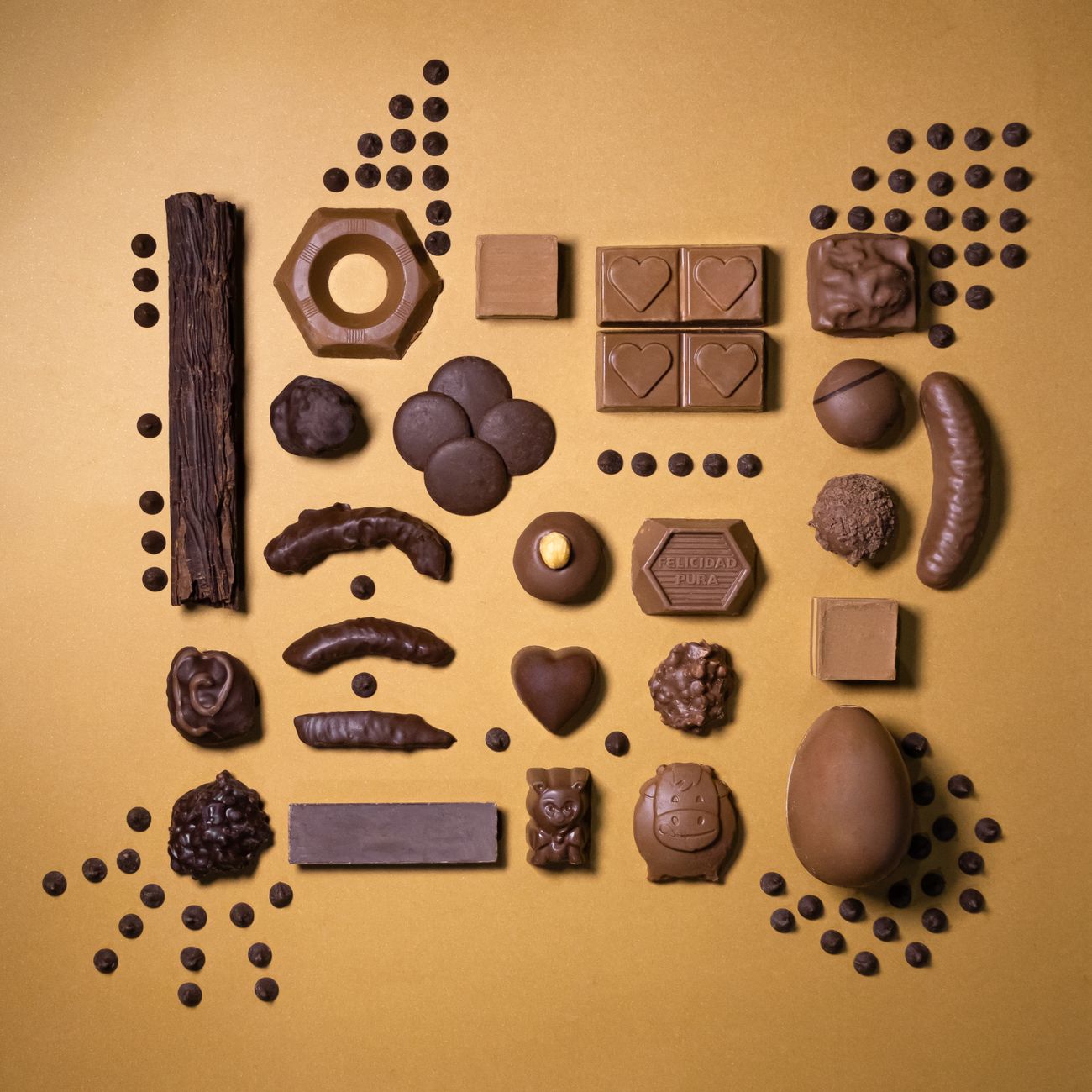
Multisensory Branding #
Multisensory branding refers to the strategic use of multiple sensory elements t… #
This approach recognizes that individuals perceive and process information through various senses, including sight, sound, touch, taste, and smell. By incorporating these sensory cues into branding efforts, companies can engage consumers on a deeper level, evoke emotions, and build stronger brand associations.
Multisensory branding aims to create a consistent brand identity across differen… #
It involves the careful selection and integration of sensory stimuli to evoke specific emotions, attitudes, and memories associated with the brand. Through the use of sensory cues, such as colors, sounds, textures, scents, and flavors, companies can create a more immersive and memorable brand experience.
Example #
An example of multisensory branding is the Starbucks coffee chain, which careful… #
The aroma of freshly brewed coffee, the sound of steaming milk, the feel of the warm cup in hand, and the sight of the baristas preparing drinks all work together to create a distinctive brand atmosphere that reinforces the Starbucks brand image.
Practical Applications #
1. Packaging Design #
Companies can use multisensory elements in their packaging design to enhance the overall brand experience. For example, a luxury perfume brand may use embossed textures, high-quality materials, and subtle scents to create a premium sensory experience for consumers.
2. Retail Environments #
Retailers can leverage multisensory branding in their store environments to engage customers and encourage longer dwell times. By carefully selecting lighting, music, scents, and product displays, retailers can create a cohesive sensory experience that aligns with their brand identity.
3. Product Development #
When developing new products, companies can consider how sensory elements can enhance the product experience and differentiate it from competitors. For instance, a food company may focus on creating unique flavor combinations and textures to appeal to consumers' taste preferences.
Challenges #
1. Consistency #
Maintaining consistency across different sensory channels can be challenging, especially for global brands with diverse target markets. Ensuring that sensory cues align with the brand identity and resonate with consumers requires careful planning and execution.
2. Overstimulation #
Using too many sensory elements can overwhelm consumers and dilute the brand message. Companies must strike a balance between engaging consumers through sensory cues and avoiding sensory overload.
3. Cultural Sensitivity #
Sensory preferences can vary across cultures, making it essential for companies to consider cultural differences when implementing multisensory branding strategies. What may appeal to one audience may not resonate with another, requiring a nuanced approach to sensory marketing.
Multisensory Branding #
Multisensory branding is a marketing strategy that involves engaging multiple se… #
This approach recognizes that different sensory cues, such as sight, sound, touch, taste, and smell, can influence consumer perceptions, emotions, and behaviors. By incorporating various sensory elements into branding efforts, companies can enhance brand recognition, build stronger emotional connections with consumers, and differentiate themselves from competitors.
Explanation #
Multisensory branding goes beyond traditional marketing techniques that primaril… #
It leverages the power of all five senses to create a holistic brand experience that resonates with consumers on a deeper level. For example, a coffee shop may use the aroma of freshly brewed coffee, the sound of beans grinding, the warmth of a cozy environment, the taste of delicious pastries, and the visual appeal of latte art to create a multisensory experience that immerses customers in the brand.
This approach recognizes that sensory stimuli can evoke emotional responses and… #
By carefully crafting a multisensory brand experience, companies can stand out in a crowded marketplace and leave a lasting impression on consumers. Moreover, multisensory branding can help create brand loyalty and drive repeat purchases by fostering positive associations with the brand.
Examples #
1. Coca #
Cola is a prime example of a brand that effectively uses multisensory branding. The company's iconic red color, distinctive contour bottle shape, refreshing taste, and memorable jingle all contribute to a cohesive brand experience that resonates with consumers worldwide.
2. Luxury car manufacturers often incorporate leather interiors, high #
quality materials, engine sounds, and smooth handling to create a multisensory experience that conveys sophistication, performance, and exclusivity.
Practical Applications #
1. Packaging Design #
Companies can use tactile materials, visual cues, and even sound effects to enhance the sensory appeal of their product packaging and create a memorable unboxing experience for customers.
2. Retail Environments #
Retailers can design store layouts, lighting, music, and scents to create a multisensory atmosphere that aligns with their brand identity and influences consumer behavior.
3. Product Development #
When developing new products, companies can consider how different sensory elements can enhance the overall product experience and create a stronger emotional connection with consumers.
Challenges #
1. Consistency #
Maintaining a consistent multisensory brand experience across different touchpoints and channels can be challenging, especially for global brands with diverse audiences and cultural differences.
2. Sensory Overload #
While engaging multiple senses can create a memorable brand experience, overstimulation of sensory cues can overwhelm consumers and detract from the overall message.
3. Measurement #
Evaluating the impact of multisensory branding on consumer perceptions and behaviors can be difficult, as traditional metrics may not fully capture the influence of sensory stimuli on brand engagement.
In conclusion, multisensory branding is a powerful marketing strategy that lever… #
By engaging multiple senses, companies can differentiate themselves in a competitive market, build stronger emotional connections with customers, and drive brand loyalty and advocacy.
Multisensory Branding #
Multisensory branding refers to the practice of using multiple senses to create… #
This approach recognizes that consumers perceive and interact with brands through a combination of sensory inputs, including sight, sound, touch, taste, and smell. By leveraging multiple senses, companies can create a more immersive and memorable brand experience that resonates with consumers on a deeper level.
Multisensory branding is a strategic approach that aims to engage consumers on m… #
For example, a company might use a combination of visual elements, such as logo design and packaging, along with auditory cues, such as jingles and sound effects, to create a cohesive brand identity that resonates with consumers across different sensory modalities.
One of the key benefits of multisensory branding is its ability to create a stro… #
Research has shown that engaging multiple senses can evoke stronger emotional responses and create more memorable brand experiences. By appealing to a variety of sensory inputs, companies can create a more immersive and engaging brand experience that resonates with consumers on a deeper level.
Practical applications of multisensory branding can be seen across a wide range… #
For example, a restaurant might use a combination of visual elements, such as decor and menu design, along with olfactory cues, such as the aroma of freshly baked bread, to create a more immersive dining experience. Similarly, a clothing retailer might use a combination of visual and tactile elements, such as store layout and fabric textures, to create a more engaging shopping experience for consumers.
Challenges associated with multisensory branding include the need for consistenc… #
Companies must ensure that all sensory elements align with their brand identity and messaging to create a cohesive brand experience. Additionally, companies must be mindful of the potential for sensory overload, as too many sensory inputs can overwhelm consumers and detract from the overall brand experience.
In conclusion, multisensory branding is a powerful tool for creating more immers… #
By leveraging multiple senses, companies can create a stronger emotional connection with consumers and differentiate themselves in a crowded marketplace. With careful planning and execution, multisensory branding can help companies create a more engaging and impactful brand experience that resonates with consumers on a deeper level.