
Gemmotherapy and the Immune System
Expert-defined terms from the Certified Specialist Programme in Gemmotherapy course at LearnUNI. Free to read, free to share, paired with a professional course.
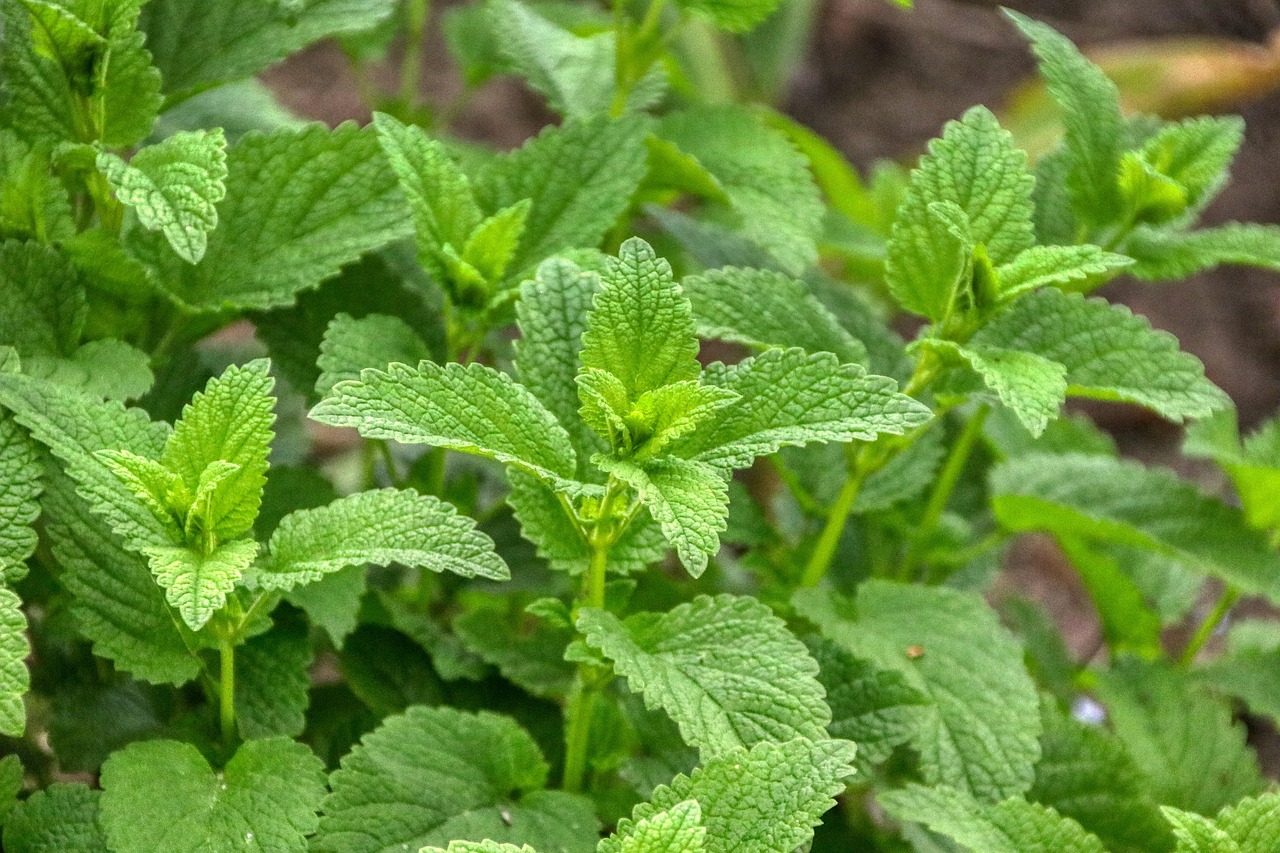
Gemmotherapy #
Gemmotherapy is a branch of phytotherapy that uses the embryonic tissues of plan… #
These embryonic tissues are rich in growth factors, enzymes, and phytochemicals, making them potent extracts with a wide range of therapeutic properties. Gemmotherapy remedies are prepared through maceration in a mixture of glycerin, alcohol, and water, which extracts the active compounds from the plant tissues. These remedies are used to support various physiological systems and address a wide range of health conditions.
Immune System #
The immune system is a complex network of cells, tissues, and organs that work t… #
It plays a crucial role in maintaining overall health and well-being by identifying and neutralizing harmful substances, such as bacteria, viruses, and toxins. The immune system consists of two main components: the innate immune system and the adaptive immune system. The innate immune system provides immediate, nonspecific defense mechanisms, while the adaptive immune system offers targeted, long-lasting protection through the production of antibodies and memory cells.
Adaptogen #
An adaptogen is a natural substance that helps the body adapt to stress and main… #
Adaptogens support the body's ability to respond to physical, emotional, and environmental stressors by enhancing resilience and promoting homeostasis. They work by modulating the body's stress response system, including the hypothalamic-pituitary-adrenal (HPA) axis and the sympathetic nervous system. Adaptogens are commonly used in herbal medicine to improve energy levels, reduce fatigue, and support overall well-being.
Antioxidant #
An antioxidant is a substance that inhibits oxidation and protects cells from da… #
Free radicals are unstable molecules that can cause oxidative stress, leading to inflammation, aging, and various chronic diseases. Antioxidants neutralize free radicals by donating electrons, thereby preventing them from damaging healthy cells. Common antioxidants include vitamins C and E, beta-carotene, and selenium. They are found in a wide range of foods, such as fruits, vegetables, nuts, and seeds, and are essential for maintaining optimal health.
Bioavailability #
Bioavailability refers to the extent and rate at which a substance is absorbed a… #
It is a critical factor in determining the effectiveness of a nutrient or drug. High bioavailability ensures that a substance can reach its target site in sufficient quantities to exert its desired effects. Factors that influence bioavailability include the route of administration, the form of the substance, and interactions with other compounds. Enhancing bioavailability is essential for maximizing the therapeutic benefits of supplements and medications.
Detoxification #
Detoxification is the process of removing toxins and waste products from the bod… #
The body has natural detoxification pathways, primarily involving the liver, kidneys, skin, lungs, and lymphatic system. These pathways help eliminate waste products from metabolic processes, environmental exposures, and harmful substances. Detoxification can also be supported through dietary and lifestyle interventions, such as fasting, hydration, exercise, and herbal remedies. By enhancing detoxification, the body can reduce the burden of toxins and improve its ability to function optimally.
Endocrine System #
The endocrine system is a complex network of glands that produce and secrete hor… #
Hormones are chemical messengers that control growth, metabolism, reproduction, mood, and other essential functions. The endocrine system includes glands such as the pituitary, thyroid, adrenal, pancreas, and ovaries/testes. These glands work together to maintain hormonal balance and ensure proper communication between different organ systems. Imbalances in the endocrine system can lead to hormonal disorders and a wide range of health issues.
Homeostasis #
Homeostasis is the body's ability to maintain internal stability and balance des… #
It involves the regulation of various physiological parameters, such as temperature, pH, blood pressure, and hormone levels, within a narrow range to support optimal function. Homeostasis is achieved through feedback mechanisms that detect deviations from the set point and initiate corrective responses to restore equilibrium. Disruptions in homeostasis can lead to health problems and diseases, highlighting the importance of maintaining balance in the body.
Phytotherapy #
Phytotherapy, also known as herbal medicine, is the use of plants and plant extr… #
Plants have been used medicinally for centuries due to their rich phytochemical content, which provides a wide range of therapeutic properties. Phytotherapy involves using different parts of plants, such as leaves, flowers, roots, seeds, and bark, to prepare remedies in various forms, including teas, tinctures, capsules, and extracts. Herbal remedies are valued for their effectiveness, safety, and holistic approach to healing, making them popular in traditional and alternative medicine practices.
Stress #
Stress is a physiological response to internal or external pressures that disrup… #
It can be triggered by physical, emotional, or environmental factors and manifest as a state of tension, anxiety, or overwhelm. Stress activates the body's fight-or-flight response, releasing stress hormones such as cortisol and adrenaline to prepare for perceived threats. While acute stress is a normal and adaptive response, chronic stress can have detrimental effects on physical and mental health. Managing stress through relaxation techniques, mindfulness, exercise, and lifestyle changes is essential for promoting well-being.
Antimicrobial #
Antimicrobial agents are substances that inhibit the growth and reproduction of… #
They play a crucial role in preventing and treating infections by targeting specific pathogens and disrupting their cellular processes. Antimicrobial agents can be synthetic or natural, with natural antimicrobials derived from plants, animals, and microorganisms. Common natural antimicrobials include essential oils, plant extracts, and herbal remedies, which have been used for centuries in traditional medicine practices. Antimicrobial resistance is a growing concern due to the overuse and misuse of antimicrobial agents, highlighting the need for responsible and judicious use of these substances.
Anti #
inflammatory:
Anti #
inflammatory agents are substances that reduce inflammation and alleviate pain, swelling, and redness in the body. Inflammation is a natural response to injury, infection, or tissue damage, characterized by the activation of immune cells and the release of pro-inflammatory mediators. Chronic inflammation can contribute to various health conditions, such as arthritis, cardiovascular disease, and autoimmune disorders. Anti-inflammatory agents work by inhibiting the production of inflammatory mediators, such as cytokines and prostaglandins, and modulating the immune response. Natural anti-inflammatory agents include herbs, botanicals, and dietary supplements that can support the body's inflammatory balance and promote healing.
Antioxidant Stress #
Antioxidant stress, also known as oxidative stress, is an imbalance between the… #
Free radicals are unstable molecules that can damage cells, proteins, and DNA, leading to oxidative damage and inflammation. Antioxidants play a crucial role in neutralizing free radicals and protecting cells from oxidative stress. Factors that contribute to antioxidant stress include environmental toxins, poor diet, smoking, alcohol consumption, and chronic diseases. Maintaining a diet rich in antioxidants, such as fruits, vegetables, nuts, and seeds, is essential for reducing antioxidant stress and supporting overall health.
Biochemical Individuality #
Biochemical individuality is the concept that each person has a unique biochemis… #
This principle, proposed by biochemist Roger Williams, suggests that individuals may have different requirements for nutrients, medications, and treatments based on their genetic variations and environmental factors. Biochemical individuality highlights the importance of personalized medicine and tailored interventions that take into account each person's specific biochemical profile. By recognizing and respecting individual differences, healthcare practitioners can optimize treatment outcomes and promote personalized health care.
Bioenergetics #
Bioenergetics is the study of energy flow and transformation in living organisms… #
It explores how cells produce, store, and utilize energy to support various physiological processes, such as metabolism, growth, and repair. Bioenergetics involves the conversion of nutrients into energy-rich molecules, such as adenosine triphosphate (ATP), through metabolic pathways, such as glycolysis, the citric acid cycle, and oxidative phosphorylation. Disruptions in bioenergetics can lead to metabolic disorders, fatigue, and impaired cellular function. Enhancing bioenergetics through nutrition, exercise, and lifestyle interventions is essential for optimizing energy production and maintaining overall health.
Chronic Inflammation #
Chronic inflammation is a persistent, low #
grade inflammatory response in the body that can last for weeks, months, or years. It differs from acute inflammation, which is a short-lived, localized response to injury or infection. Chronic inflammation is characterized by the continuous activation of immune cells and the production of pro-inflammatory mediators, such as cytokines and chemokines. It can contribute to the development of various chronic diseases, including cardiovascular disease, diabetes, cancer, and autoimmune disorders. Managing chronic inflammation through diet, lifestyle changes, and anti-inflammatory therapies is essential for reducing the risk of long-term health complications.
Detoxification Pathways #
Detoxification pathways are the biochemical processes through which the body eli… #
The major detoxification pathways include phase I and phase II liver detoxification, which involve the conversion of fat-soluble toxins into water-soluble compounds for excretion. Other detoxification pathways include kidney filtration, skin perspiration, lung respiration, and lymphatic drainage. Supporting these pathways through proper nutrition, hydration, exercise, and herbal remedies can enhance the body's detoxification capacity and promote overall health. Enhancing detoxification pathways is particularly important in modern society, where individuals are exposed to a wide range of environmental toxins and pollutants.
Epigenetics #
Epigenetics is the study of changes in gene expression that are not caused by al… #
These changes can be influenced by environmental factors, lifestyle choices, and nutritional interventions, leading to modifications in gene activity without changing the genetic code. Epigenetic mechanisms, such as DNA methylation, histone modification, and non-coding RNA regulation, play a crucial role in regulating gene expression and cellular function. Understanding epigenetics can help explain how lifestyle factors, such as diet, exercise, and stress, can influence health outcomes and disease risk. By promoting positive epigenetic changes through healthy behaviors, individuals can optimize their genetic potential and support long-term well-being.
Holistic Health #
Holistic health is a concept that considers the whole person #
body, mind, emotions, and spirit—in the pursuit of optimal well-being. It emphasizes the interconnectedness of different aspects of health and the importance of addressing underlying imbalances to promote overall wellness. Holistic health approaches may include conventional and complementary therapies, such as nutrition, exercise, stress management, herbal medicine, acupuncture, and mindfulness practices. By taking a holistic view of health, individuals can achieve a state of balance and harmony that supports physical, mental, and emotional vitality.
Homeostatic Mechanisms #
Homeostatic mechanisms are the physiological processes that maintain internal st… #
These mechanisms regulate various parameters, such as body temperature, blood pressure, pH, and hormone levels, within a narrow range to support optimal function. Homeostasis is achieved through feedback loops that detect deviations from the set point and trigger compensatory responses to restore equilibrium. Examples of homeostatic mechanisms include thermoregulation, osmoregulation, blood sugar regulation, and hormonal feedback loops. Disruptions in homeostatic mechanisms can lead to health problems and diseases, highlighting the importance of maintaining balance in the body.
Microbiome #
The microbiome is the collection of microorganisms, including bacteria, viruses,… #
It plays a crucial role in various physiological processes, such as digestion, metabolism, immune function, and brain health. The microbiome interacts with the host organism in a symbiotic relationship, influencing nutrient absorption, immune responses, and metabolic pathways. Disruptions in the microbiome, known as dysbiosis, can lead to health issues, such as gastrointestinal disorders, obesity, autoimmune diseases, and mental health conditions. Supporting a healthy microbiome through diet, probiotics, and lifestyle interventions is essential for maintaining overall health and well-being.
Nutraceutical #
A nutraceutical is a food or food component that provides health benefits beyond… #
Nutraceuticals are derived from natural sources, such as plants, animals, and microorganisms, and are used to prevent and treat various health conditions. They may include dietary supplements, functional foods, herbal extracts, and bioactive compounds that have therapeutic properties. Nutraceuticals can support overall health by providing essential nutrients, antioxidants, anti-inflammatory compounds, and other bioactive substances. They are commonly used in integrative medicine to complement conventional treatments and promote holistic well-being.
Oxidative Damage #
Oxidative damage is the process of cellular injury caused by the accumulation of… #
These unstable molecules can damage lipids, proteins, DNA, and other cellular components, leading to oxidative stress and inflammation. Oxidative damage is associated with aging, chronic diseases, and degenerative conditions, such as cancer, cardiovascular disease, and neurodegenerative disorders. Antioxidants play a crucial role in neutralizing free radicals and protecting cells from oxidative damage. By reducing oxidative stress through dietary antioxidants, individuals can support cellular health and reduce the risk of oxidative damage-related conditions.
Pharmacokinetics #
Pharmacokinetics is the study of how the body absorbs, distributes, metabolizes,… #
It involves understanding the processes by which drugs enter the bloodstream, reach their target sites, and are eliminated from the body. Pharmacokinetic parameters, such as absorption rate, bioavailability, half-life, and clearance, determine the effectiveness and safety of medications. Factors that influence pharmacokinetics include route of administration, drug formulation, metabolism, and interactions with other compounds. By optimizing pharmacokinetic properties, healthcare providers can tailor treatment regimens to individual patients and improve therapeutic outcomes.
Phytochemicals #
Phytochemicals are bioactive compounds found in plants that have various health #
promoting properties. They include antioxidants, anti-inflammatory agents, antimicrobials, and other beneficial substances that support overall well-being. Phytochemicals are responsible for the color, flavor, and aroma of plant foods and play a crucial role in plant defense mechanisms. Common phytochemicals include flavonoids, polyphenols, carotenoids, and terpenes, which are found in fruits, vegetables, herbs, spices, and teas. Consuming a diverse range of phytochemical-rich foods is essential for obtaining the health benefits associated with these bioactive compounds.
Plant Adaptogens #
Plant adaptogens are botanical substances that help the body adapt to stress and… #
They support the body's ability to respond to physical, emotional, and environmental stressors by enhancing resilience and promoting homeostasis. Plant adaptogens work by modulating the body's stress response system, including the hypothalamic-pituitary-adrenal (HPA) axis and the sympathetic nervous system. Common plant adaptogens include rhodiola, ashwagandha, ginseng, and holy basil, which have been used in traditional medicine practices for centuries. Plant adaptogens are valued for their ability to improve energy levels, reduce fatigue, and support overall well-being.
Preventive Medicine #
Preventive medicine is a branch of healthcare that focuses on preventing disease… #
It involves identifying and addressing risk factors, adopting healthy behaviors, and implementing interventions to maintain optimal well-being. Preventive medicine strategies may include vaccination, screening tests, lifestyle modifications, dietary changes, and stress management techniques. By emphasizing prevention and early detection, preventive medicine aims to reduce the burden of chronic diseases, improve quality of life, and enhance longevity. Practicing preventive medicine is essential for promoting long-term health and well-being.
Probiotics #
Probiotics are live microorganisms that provide health benefits when consumed in… #
They are beneficial bacteria that colonize the gut and support digestive health, immune function, and overall well-being. Probiotics play a crucial role in maintaining gut microbiome balance, promoting nutrient absorption, and enhancing immune responses. Common probiotic strains include Lactobacillus and Bifidobacterium species, which are found in fermented foods, such as yogurt, kefir, sauerkraut, and kimchi. Taking probiotic supplements or consuming probiotic-rich foods can help replenish beneficial gut bacteria and support optimal gastrointestinal function.
Psychoneuroimmunology #
Psychoneuroimmunology is the study of interactions between the mind, nervous sys… #
It explores how psychological factors, such as stress, emotions, and beliefs, influence immune responses, inflammation, and overall well-being. Psychoneuroimmunology examines the bidirectional communication between the brain and the immune system through neural, endocrine, and immune pathways. Understanding the connections between mental health, neurology, and immunology can help elucidate the mechanisms underlying stress-related disorders, autoimmune diseases, and other health conditions. Integrating psychoneuroimmunology principles into healthcare can enhance holistic approaches to healing and promote comprehensive well-being.
Resilience #
Resilience is the ability to adapt to adversity, overcome challenges, and bounce… #
It involves coping effectively with stress, maintaining a positive outlook, and utilizing support systems to navigate difficult circumstances. Resilience is a dynamic process that can be cultivated and strengthened through self-care practices, social connections, and coping strategies. Building resilience is essential for promoting mental and emotional well-being, enhancing problem-solving skills, and fostering personal growth. Individuals with high levels of resilience are better equipped to handle life's ups and downs and thrive in the face of adversity.
Secondary Plant Compounds #
Secondary plant compounds are bioactive substances produced by plants for defens… #
These compounds are not essential for the plant's growth and development but provide various benefits, such as protection against herbivores, pathogens, and environmental stressors. Secondary plant compounds include terpenes, alkaloids, phenolics, and glucosinolates, which contribute to the color, flavor, and aroma of plant foods. Consuming a diverse range of plant foods rich in secondary compounds is essential for obtaining the health-promoting properties associated with these bioactive substances. Secondary plant compounds are valued for their antioxidant, anti-inflammatory, and antimicrobial effects, which support overall well-being.
Stress Response #
The stress response is the body's physiological reaction to perceived threats or… #
The stress response is the body's physiological reaction to perceived threats or challenges, known