
Immunology And Allergies
Expert-defined terms from the Professional Certificate in Allergies in Pets course at LearnUNI. Free to read, free to share, paired with a professional course.
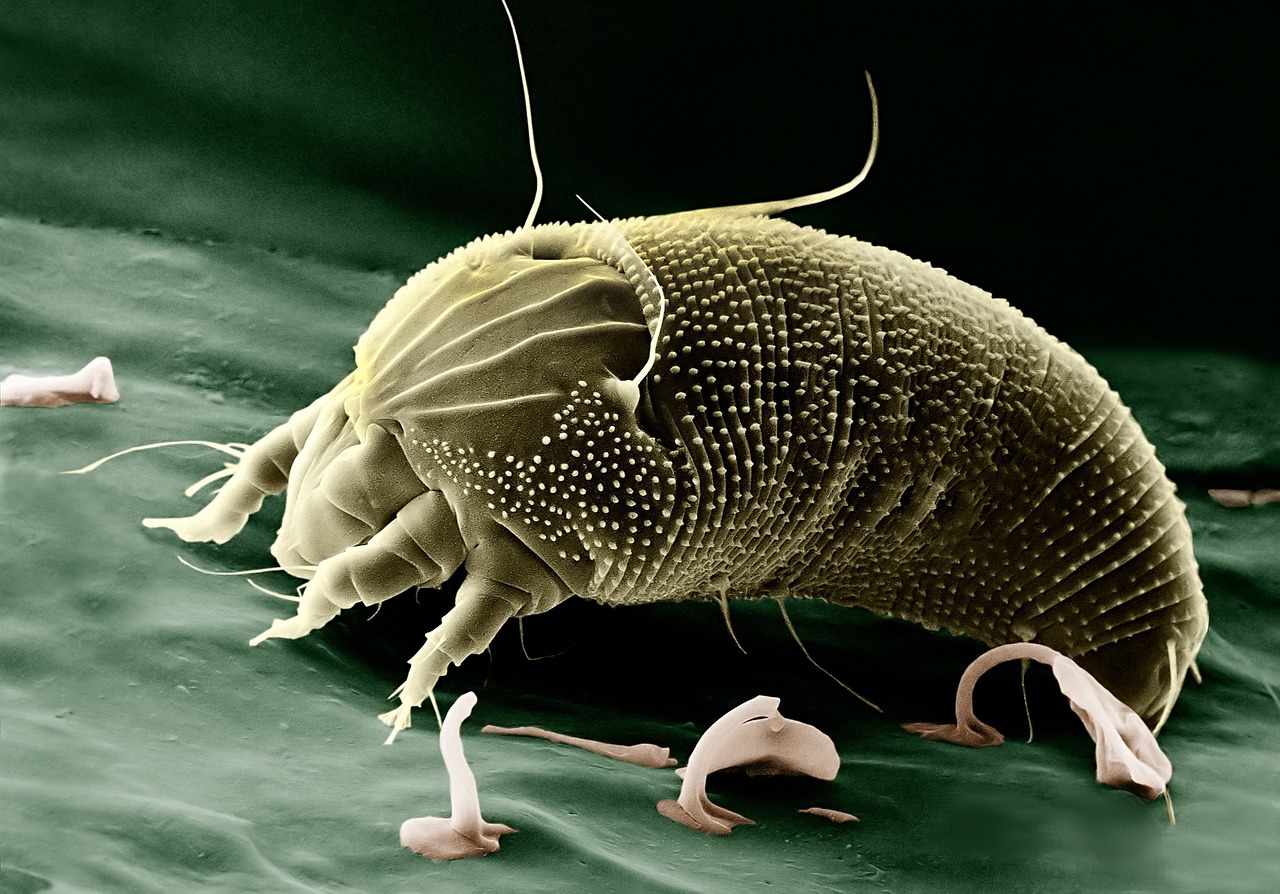
Antigen #
Antigen
Concept #
A molecular structure capable of inducing an immune response.
Explanation #
Antigens are typically proteins, polysaccharides, or lipids that the immune system recognises as foreign. In pets, antigens may derive from parasites, pollen, food proteins, or environmental particles. The immune system processes antigens via antigen‑presenting cells, leading to activation of T and B lymphocytes.
Example #
The protein Fel d 1 from cat saliva is an antigen that triggers allergic reactions in susceptible humans.
Practical application #
Identifying specific antigens allows veterinarians to design targeted immunotherapy (allergy shots) for dogs with atopic dermatitis.
Challenges #
Antigen variability, cross‑reactivity, and the difficulty of isolating pure antigenic extracts from complex environmental sources.
Allergen #
Allergen
Concept #
A specific type of antigen that provokes an allergic response.
Explanation #
Allergens are usually harmless substances that, in predisposed individuals, stimulate the production of IgE antibodies. In pets, common allergens include dust mites, flea saliva, and certain food proteins.
Example #
Flea saliva contains proteins that act as allergens, causing pruritic skin reactions in dogs.
Practical application #
Allergen avoidance (e.g., hypoallergenic bedding) and allergen‑specific immunotherapy are core strategies in managing pet allergies.
Challenges #
Environmental ubiquity of allergens, difficulty in eliminating exposure, and the need for precise allergen identification for effective therapy.
Anaphylaxis #
Anaphylaxis
Concept #
A severe, systemic hypersensitivity reaction that can be life‑threatening.
Explanation #
Anaphylaxis involves rapid release of mediators such as histamine, leading to vasodilation, bronchoconstriction, and shock. In dogs, it may follow a bee sting or an injection of a vaccine containing a residual allergen.
Example #
A dog that receives a rapid intravenous infusion of a protein‑based drug may develop sudden collapse, urticaria, and respiratory distress.
Practical application #
Immediate administration of intramuscular epinephrine, antihistamines, and supportive care is essential. Veterinary emergency protocols include having epinephrine auto‑injectors readily available.
Challenges #
Rapid recognition, dosing accuracy for small patients, and distinguishing anaphylaxis from other acute collapse causes.
Atopy #
Atopy
Concept #
A genetically predisposed tendency to develop IgE‑mediated hypersensitivity to environmental allergens.
Explanation #
Atopic dogs often exhibit chronic pruritus, erythema, and secondary infections. The condition reflects a skewed Th2 immune response, leading to elevated IgE against common allergens like dust mites and pollens.
Example #
A Labrador Retriever with recurring ear infections and facial itching, despite flea control, may be diagnosed with atopic dermatitis.
Practical application #
Diagnosis involves intradermal skin testing or serum allergen‑specific IgE assays, followed by allergen‑specific immunotherapy.
Challenges #
Differentiating atopic dermatitis from other pruritic disorders, managing secondary bacterial or yeast infections, and ensuring owner compliance with long‑term immunotherapy.
Autoimmunity #
Autoimmunity
Concept #
An immune response directed against self‑antigens, causing tissue damage.
Explanation #
In pets, autoimmune diseases such as autoimmune hemolytic anemia (AIHA) arise when B cells produce antibodies that target red blood cells. Loss of central or peripheral tolerance mechanisms underlies these disorders.
Example #
A German Shepherd presenting with pallor, jaundice, and regenerative anemia may be diagnosed with AIHA.
Practical application #
Treatment includes immunosuppressive drugs (e.g., glucocorticoids, cyclosporine) and supportive care like blood transfusions.
Challenges #
Balancing immunosuppression against infection risk, monitoring drug side‑effects, and predicting disease relapse.
B cell #
B cell
Concept #
Lymphocytes responsible for antibody production and humoral immunity.
Explanation #
Upon activation by antigen‑presenting cells and helper T cells, naïve B cells differentiate into plasma cells that secrete immunoglobulins. In allergic pets, B cells generate IgE specific to allergens.
Example #
In a dog with flea allergy dermatitis, B cells in the lymph nodes produce IgE that binds to mast cells in the skin.
Practical application #
Flow cytometry can quantify B‑cell populations, aiding in the diagnosis of immunodeficiencies.
Challenges #
Detecting low‑frequency antigen‑specific B cells, and distinguishing between protective and pathological antibody responses.
Basophil #
Basophil
Concept #
Circulating granulocytes that release histamine and other mediators during allergic reactions.
Explanation #
Basophils express high‑affinity IgE receptors (FcεRI). Cross‑linking of IgE by allergen triggers degranulation, contributing to systemic anaphylaxis.
Example #
A cat exposed to a new house dust mite allergen may exhibit elevated basophil activation in peripheral blood assays.
Practical application #
Basophil activation tests help assess allergen sensitisation in veterinary patients where skin testing is impractical.
Challenges #
Low basophil counts in small animals limit assay sensitivity, and in‑vitro activation may not fully reflect in‑vivo responses.
Contact dermatitis #
Contact dermatitis
Concept #
Skin inflammation caused by direct contact with irritants or allergens.
Explanation #
In pets, contact dermatitis can arise from topical shampoos, bedding materials, or topical medications. Distinguishing allergic from irritant forms requires history and sometimes patch testing.
Example #
A dog developing focal alopecia and erythema after a new flea collar is likely experiencing contact dermatitis.
Practical application #
Removing the offending product, applying soothing emollients, and using topical corticosteroids can resolve lesions.
Challenges #
Identifying the specific component responsible, especially in multi‑ingredient products, and managing chronic recalcitrant cases.
Cytokine #
Cytokine
Concept #
Small proteins secreted by immune cells that modulate inflammation and cell communication.
Explanation #
Cytokines such as IL‑4 and IL‑5 drive Th2‑type allergic responses, promoting IgE class switching and eosinophil recruitment. In contrast, IFN‑γ promotes Th1 responses that counterbalance allergic inflammation.
Example #
Elevated serum IL‑31 in dogs correlates with pruritus intensity in atopic dermatitis.
Practical application #
Cytokine profiling guides targeted therapies, such as monoclonal antibodies against IL‑31 (e.g., lokivetmab).
Challenges #
Cytokine assays require specialized labs, and cytokine networks are highly redundant, complicating therapeutic targeting.
Dermatophytosis #
Dermatophytosis
Concept #
A superficial fungal infection of the skin, hair, and nails caused by dermatophytes.
Explanation #
Although not an allergic disease, dermatophytosis can mimic allergic skin lesions, leading to diagnostic confusion. The infection elicits a local immune response that may exacerbate underlying atopic dermatitis.
Example #
A kitten with circular alopecic patches and scaling may be misdiagnosed as allergic until fungal culture confirms Microsporum canis.
Practical application #
Wood’s lamp examination and fungal culture help differentiate infection from allergy. Antifungal therapy (e.g., itraconazole) is combined with anti‑pruritic measures if concurrent allergy exists.
Challenges #
Environmental spore persistence, zoonotic transmission to humans, and the need for prolonged treatment.
Eosinophil #
Eosinophil
Concept #
Granulocytic leukocytes involved in parasitic defense and allergic inflammation.
Explanation #
Eosinophils migrate to tissues in response to IL‑5 and chemokines, releasing cytotoxic granules that damage parasites but also cause tissue injury in allergic disease. Their presence in skin biopsies is a hallmark of atopic dermatitis.
Example #
A dog with chronic ear otitis may show eosinophilic otitis media, characterised by thick eosinophil‑rich discharge.
Practical application #
Peripheral eosinophil counts guide the severity assessment of allergic disorders and monitor response to therapy.
Challenges #
Eosinophil counts can be elevated in non‑allergic conditions (e.g., hypereosinophilic syndrome), and corticosteroid therapy may mask true eosinophil levels.
Epitope #
Epitope
Concept #
The specific part of an antigen recognized by an antibody or T‑cell receptor.
Explanation #
Epitopes can be linear (continuous amino‑acid sequences) or conformational (dependent on three‑dimensional structure). Understanding epitope mapping is essential for designing hypoallergenic vaccine proteins for pets.
Example #
The major cat allergen Fel d 1 contains conformational epitopes that are targeted by IgE in allergic humans.
Practical application #
Recombinant allergen fragments lacking IgE‑binding epitopes are used in safer immunotherapy formulations.
Challenges #
Predicting epitopes computationally, preserving immunogenicity while eliminating allergenicity, and individual variability in epitope recognition.
Flea allergy dermatitis (FAD) #
Flea allergy dermatitis (FAD)
Concept #
An IgE‑mediated hypersensitivity reaction to flea saliva.
Explanation #
Flea bites introduce salivary proteins that act as allergens, leading to intense itching, erythema, and alopecia, often in the ventral abdomen and thighs. The condition is common in dogs and cats with flea infestations.
Example #
A terrier with a history of flea infestation presents with a “moth‑eaten” pattern of hair loss and papular lesions.
Practical application #
Strict flea control, antihistamines, and topical glucocorticoids are first‑line treatments; allergen‑specific immunotherapy may be considered for refractory cases.
Challenges #
Flea resistance to insecticides, owner compliance with preventive regimens, and distinguishing FAD from other pruritic dermatoses.
IgE #
IgE
Concept #
Immunoglobulin E, the antibody class central to type I hypersensitivity.
Explanation #
IgE binds with high affinity to FcεRI receptors on mast cells and basophils. Upon allergen cross‑linking, degranulation releases histamine, leukotrienes, and cytokines, producing allergic signs. Serum IgE levels are often elevated in atopic pets.
Example #
A canine serum sample showing high specific IgE to Dermatophagoides farinae indicates dust‑mite sensitisation.
Practical application #
Enzyme‑linked immunosorbent assays (ELISA) and radioallergosorbent tests (RAST) quantify allergen‑specific IgE for diagnostic purposes.
Challenges #
False‑positive IgE results due to cross‑reactivity, limited assay sensitivity for low‑level sensitisation, and the need for correlation with clinical signs.
IgG #
IgG
Concept #
Immunoglobulin G, the most abundant antibody in serum, involved in secondary immune responses.
Explanation #
While IgG is not directly implicated in immediate allergic reactions, IgG subclasses can block allergen binding to IgE (the “blocking antibody” concept) and are harnessed in allergen immunotherapy.
Example #
Dogs undergoing subcutaneous immunotherapy may develop increased allergen‑specific IgG4, correlating with clinical improvement.
Practical application #
Monitoring IgG titres post‑vaccination assesses immune competence, especially in neonates receiving maternal antibodies via colostrum.
Challenges #
Distinguishing protective IgG responses from pathological auto‑antibody production, and the limited availability of subclass‑specific assays for many species.
Immune tolerance #
Immune tolerance
Concept #
The state in which the immune system does not react to self‑antigens or harmless external antigens.
Explanation #
Induction of tolerance is a therapeutic goal in allergy management; repeated low‑dose exposure to an allergen can shift the response from IgE‑mediated to IgG‑mediated, reducing clinical signs.
Example #
Oral administration of low‑dose egg protein to a sensitised dog can promote tolerance, decreasing skin reactions upon subsequent exposure.
Practical application #
Allergen‑specific immunotherapy (ASIT) exploits tolerance mechanisms, employing gradual dose escalation over months to years.
Challenges #
Individual variability in tolerance induction, risk of adverse reactions during dose escalation, and the need for long‑term commitment.
Intradermal skin test (IDST) #
Intradermal skin test (IDST)
Concept #
A diagnostic procedure that injects small amounts of allergen extracts into the skin to assess immediate hypersensitivity.
Explanation #
A positive IDST is indicated by a wheal‑and‑flare reaction within 15–20 minutes, reflecting mast cell degranulation. It remains the gold standard for identifying specific environmental allergens in atopic dogs and cats.
Example #
A Labrador Retriever undergoing IDST shows a 5 mm wheal to Dermatophagoides pteronyssinus, confirming dust‑mite sensitisation.
Practical application #
Results guide the composition of allergen extracts used in ASIT, improving therapeutic efficacy.
Challenges #
Requires sedation or restraint, potential for false‑negative results due to antihistamine use, and variability in extract potency.
IgM #
IgM
Concept #
The first antibody isotype produced in a primary immune response.
Explanation #
IgM provides early defence by fixing complement and agglutinating pathogens. In allergy testing, IgM is rarely measured, but elevated IgM may indicate recent infection that can confound allergy diagnosis.
Example #
A cat with elevated serum IgM to a bacterial antigen may have a concurrent infection that masks underlying atopic dermatitis.
Practical application #
Measuring IgM helps differentiate acute infection from chronic allergic disease when interpreting clinical signs.
Challenges #
Rapid decline of IgM levels limits its diagnostic window, and cross‑reactivity can produce misleading results.
Immunoglobulin class switching #
Immunoglobulin class switching
Concept #
The process by which B cells change the antibody isotype they produce without altering antigen specificity.
Explanation #
Cytokines such as IL‑4 and IL‑13 drive switching to IgE, while IL‑10 promotes IgG4 production. Class switching is central to the development of allergic responses and the therapeutic goal of generating blocking IgG antibodies.
Example #
In a dog receiving ASIT, repeated allergen exposure induces CSR from IgE to IgG4, reducing mast cell activation.
Practical application #
Monitoring class‑switched antibodies helps evaluate the success of immunotherapy protocols.
Challenges #
Genetic defects in CSR (e.g., AID deficiency) can lead to immunodeficiency, and dysregulated CSR may contribute to hyper‑IgE syndromes.
Immunotherapy (Allergen‑Specific Immunotherapy, ASIT) #
Immunotherapy (Allergen‑Specific Immunotherapy, ASIT)
Concept #
A treatment that modifies the immune response to specific allergens, aiming to induce long‑term tolerance.
Explanation #
ASIT involves administering gradually increasing doses of the relevant allergen, either subcutaneously (SCIT) or sublingually (SLIT). Over time, the immune system shifts from a Th2‑dominant to a Th1/Treg profile, decreasing IgE production.
Example #
A Border Collie with confirmed flea‑allergy dermatitis receives monthly SCIT with flea saliva extract, resulting in reduced pruritus after six months.
Practical application #
ASIT is the only disease‑modifying therapy for atopic dermatitis, and can be combined with symptomatic treatments.
Challenges #
Requires precise allergen identification, long treatment duration (often 1–3 years), risk of systemic reactions, and high cost.
Inhalant allergen #
Inhalant allergen
Concept #
An allergen that is inhaled as airborne particles, typically from pollens, molds, or dust mites.
Explanation #
Dogs and cats can develop respiratory signs such as coughing, sneezing, and nasal discharge when sensitised to inhalant allergens. Diagnosis often involves intradermal testing or serum IgE assays.
Example #
A Beagle with chronic nasal discharge tests positive for Alternaria alternata, a common mold allergen.
Practical application #
Environmental control (e.g., HEPA filtration, humidity management) reduces exposure, while ASIT targets the specific inhalant.
Challenges #
Seasonal variability, difficulty in eliminating indoor allergens, and limited owner awareness of indoor air quality.
IgE‑mediated hypersensitivity (Type I) #
IgE‑mediated hypersensitivity (Type I)
Concept #
The classic allergic reaction involving IgE, mast cells, and immediate release of inflammatory mediators.
Explanation #
Upon allergen binding, cross‑linking of IgE on mast cells triggers degranulation, causing vasodilation, increased vascular permeability, and smooth‑muscle constriction. This mechanism underlies most acute allergic signs in pets.
Example #
A cat with acute facial swelling after a bee sting demonstrates type I hypersensitivity.
Practical application #
Antihistamines, cromolyn sodium, and epinephrine are used to counteract mediator effects.
Challenges #
Variable severity, potential for delayed‐phase reactions, and the need for rapid diagnosis.
IgG4‑blocking antibody #
IgG4‑blocking antibody
Concept #
An IgG subclass that interferes with allergen binding to IgE, reducing allergic activation.
Explanation #
During successful ASIT, the immune system produces IgG4 that competes with IgE for allergen epitopes, diminishing mast cell activation. This phenomenon is a key biomarker of therapeutic efficacy.
Example #
A dog undergoing flea‑saliva immunotherapy shows a rising serum IgG4 titre that correlates with clinical improvement.
Practical application #
Measuring IgG4 levels can guide dose adjustments and predict long‑term remission.
Challenges #
Limited commercial assays for IgG4 in many species, and the possibility of non‑blocking IgG subclasses confounding interpretation.
IgM‑mediated complement activation #
IgM‑mediated complement activation
Concept #
Initiation of the complement cascade via IgM antibodies bound to antigens, leading to pathogen lysis.
Explanation #
Pentameric IgM efficiently binds C1q, triggering the classical complement pathway. Though not directly related to allergy, complement fragments (C3a, C5a) can amplify allergic inflammation.
Example #
A dog with a bacterial skin infection shows high IgM titres; the resulting C5a may exacerbate concurrent atopic dermatitis.
Practical application #
Understanding complement involvement helps manage complex cases where infection and allergy coexist.
Challenges #
Distinguishing complement‑driven inflammation from pure allergic processes, and the limited availability of complement inhibitors in veterinary medicine.
Interleukin‑4 (IL‑4) #
Interleukin‑4 (IL‑4)
Concept #
A cytokine pivotal in promoting Th2 differentiation and IgE class switching.
Explanation #
IL‑4 signals through the IL‑4 receptor, activating STAT6 transcription factors that up‑regulate IgE synthesis. Elevated IL‑4 levels are hallmarks of allergic disease in pets.
Example #
Serum IL‑4 concentrations are higher in atopic dogs compared to healthy controls.
Practical application #
Targeted therapies (e.g., anti‑IL‑4R antibodies) are under investigation for canine atopic dermatitis.
Challenges #
Cytokine redundancy, species‑specific differences in receptor affinity, and the high cost of biologic agents.
Interleukin‑5 (IL‑5) #
Interleukin‑5 (IL‑5)
Concept #
A cytokine that drives eosinophil growth, activation, and survival.
Explanation #
IL‑5 is secreted by Th2 cells and mast cells, promoting eosinophilopoiesis in bone marrow and recruitment to inflamed tissues. In allergic pets, high IL‑5 correlates with eosinophilic dermatitis.
Example #
A feline eosinophilic granuloma complex shows elevated IL‑5 in lesional tissue.
Practical application #
Monoclonal antibodies against IL‑5 (e.g., benralizumab) are being adapted for veterinary use to control eosinophil‑mediated disease.
Challenges #
Limited veterinary‑specific IL‑5 inhibitors, and the need to monitor for potential immunosuppression.
Interleukin‑31 (IL‑31) #
Interleukin‑31 (IL‑31)
Concept #
A cytokine directly linked to pruritus in allergic skin disease.
Explanation #
IL‑31 is produced by activated Th2 cells and mast cells; it binds receptors on sensory neurons, transmitting itch signals. Elevated IL‑31 is a diagnostic marker for atopic dermatitis.
Example #
A canine skin biopsy reveals high IL‑31 mRNA expression, supporting an atopic diagnosis.
Practical application #
Anti‑IL‑31 monoclonal antibodies (e.g., lokivetmab) provide rapid itch relief in dogs with atopic dermatitis.
Challenges #
Cost of biologic therapy, potential for anti‑drug antibodies, and the need for concurrent management of secondary infections.
IgE‑mediated food allergy #
IgE‑mediated food allergy
Concept #
An adverse immune reaction to dietary proteins, involving IgE antibodies.
Explanation #
Food allergens (e.g., beef, chicken, soy) trigger IgE binding on mast cells in the gastrointestinal tract, leading to pruritus, gastrointestinal upset, or dermatologic signs. Diagnosis requires a strict elimination diet followed by a controlled food challenge.
Example #
A dog with chronic otitis improves after a hydrolysed protein diet, confirming a food allergy.
Practical application #
Once the offending ingredient is identified, a limited‑ingredient diet can maintain remission.
Challenges #
Cross‑contamination, owner compliance, and the possibility of concurrent environmental allergies confounding the clinical picture.
IgG‑mediated type III hypersensitivity #
IgG‑mediated type III hypersensitivity
Concept #
Immune complex deposition leading to inflammation and tissue damage.
Explanation #
In veterinary patients, type III reactions can occur after repeated exposure to certain vaccines or drugs, forming IgG‑antigen complexes that deposit in vessels, causing vasculitis.
Example #
A dog develops fever, polyarthritis, and urticaria after a series of subcutaneous injections, suggestive of serum sickness.
Practical application #
Switching to alternative formulations and using immunosuppressive therapy can manage symptoms.
Challenges #
Differentiating type III from type I reactions, limited diagnostic assays for immune complexes, and the need for careful drug histories.
Kynurenine pathway #
Kynurenine pathway
Concept #
Metabolic route of tryptophan catabolism, producing immunomodulatory metabolites.
Explanation #
Activation of IDO in dendritic cells leads to kynurenine production, which can suppress T‑cell proliferation and promote regulatory T‑cell development, influencing allergic tolerance.
Example #
Elevated kynurenine levels have been observed in dogs undergoing successful ASIT, indicating an immunoregulatory shift.
Practical application #
Modulating the kynurenine pathway may enhance tolerance induction in future allergy therapies.
Challenges #
Complex systemic effects, limited veterinary assays, and potential for immunosuppression.
Lymphocyte #
Lymphocyte
Concept #
White blood cells essential for adaptive immunity, comprising B and T cells.
Explanation #
T lymphocytes orchestrate immune responses, while B lymphocytes generate antibodies. In allergic pets, Th2 lymphocytes dominate, secreting cytokines that drive IgE production.
Example #
Flow cytometric analysis of a dog with atopic dermatitis shows an increased CD4⁺/CD8⁺ ratio, reflecting Th2 bias.
Practical application #
Targeting specific lymphocyte subsets (e.g., using cyclosporine to inhibit T‑cell activation) helps control allergic inflammation.
Challenges #
Monitoring lymphocyte subsets requires specialised equipment, and broad immunosuppression may predispose to infection.
Major histocompatibility complex (MHC) #
Major histocompatibility complex (MHC)
Concept #
Gene families encoding cell‑surface proteins that present antigens to T cells.
Explanation #
MHC polymorphism influences susceptibility to allergic diseases; certain DLA haplotypes are associated with higher risk of atopic dermatitis in dogs.
Example #
A study identified DLA‑DRB1*015:01 as a risk allele for canine atopy.
Practical application #
Genetic screening can identify high‑risk breeds, informing breeding decisions and early preventive strategies.
Challenges #
Complex inheritance patterns, limited commercial genotyping panels, and ethical considerations in breeding.
Mediator #
Mediator
Concept #
Substances released by immune cells that propagate inflammation and allergic symptoms.
Explanation #
Mast cells and basophils release pre‑formed mediators (histamine, heparin) and synthesize newly formed mediators (leukotrienes, prostaglandins) upon activation. These mediators cause vasodilation, increased permeability, and smooth‑muscle contraction.
Example #
Elevated urinary leukotriene E4 in a dog correlates with severity of allergic skin disease.
Practical application #
Antihistamines, leukotriene receptor antagonists (e.g., montelukast), and NSAIDs are used to block specific mediator pathways.
Challenges #
Variable efficacy of antihistamines in dogs, potential side‑effects of NSAIDs, and the need for combination therapy to address multiple mediators.
Monoclonal antibody therapy #
Monoclonal antibody therapy
Concept #
Treatment using lab‑produced antibodies that target specific immune molecules.
Explanation #
In veterinary allergy, monoclonal antibodies such as anti‑IL‑31 (lokivetmab) and anti‑TNF‑α are employed to neutralise key inflammatory mediators, providing rapid symptom relief.
Example #
A dog with severe atopic dermatitis receives subcutaneous lokivetmab every four weeks, resulting in marked itch reduction.
Practical application #
Monoclonal antibodies offer an alternative to corticosteroids, reducing long‑term side‑effects.
Challenges #
High cost, need for cold‑chain storage, risk of anti‑drug antibody formation, and limited availability for cats.
Neutrophil #
Neutrophil
Concept #
The most abundant leukocyte, primarily involved in bacterial defense.
Explanation #
While neutrophils are not directly implicated in allergic mechanisms, they can infiltrate skin lesions secondary to bacterial infection in atopic pets, complicating clinical presentation.
Example #
A dog with atopic dermatitis develops a secondary pyoderma, exhibiting neutrophilic pustules on cytology.
Practical application #
Cytological evaluation guides antimicrobial therapy, while anti‑inflammatory agents address the underlying allergy.
Challenges #
Distinguishing primary allergic inflammation from secondary bacterial infection, and avoiding overuse of antibiotics.
Oral tolerance #
Oral tolerance
Concept #
The immune system’s non‑reactive response to antigens encountered via the gastrointestinal tract.
Explanation #
Induction of oral tolerance involves regulatory T‑cell (Treg) development that suppresses IgE responses to dietary proteins. Failure of this process can lead to food‑allergy development.
Example #
Early exposure to diverse protein sources in puppies supports oral tolerance, reducing later food‑allergy incidence.
Practical application #
Controlled oral immunotherapy (OIT) may be used to desensitise food‑allergic dogs under veterinary supervision.
Challenges #
Risk of systemic reactions during OIT, variability in individual tolerance thresholds, and limited commercial OIT protocols.
Patch test #
Patch test
Concept #
A diagnostic method that applies allergen extracts to the skin surface to assess delayed‑type (type IV) hypersensitivity.
Explanation #
While patch testing is common in human dermatology, its use in veterinary patients is limited due to lack of standardized reagents. When performed, it helps identify allergens causing allergic contact dermatitis.
Example #
A cat with focal ear erythema shows a positive reaction to a lanolin‑containing topical cream on a patch test.
Practical application #
Positive results guide avoidance strategies and formulation changes in topical products.
Challenges #
Lack of validated veterinary patch test panels, need for prolonged observation, and potential for irritant reactions.
Phenotype #
Phenotype
Concept #
Observable characteristics resulting from the interaction of genotype with environment.
Explanation #
In allergy, phenotypes include atopic dermatitis, flea‑allergy dermatitis, and food‑allergy‑induced pruritus. Recognising phenotypic patterns assists in selecting appropriate diagnostic tests and therapies.
Example #
A phenotype of “ventral abdominal alopecia with papules” points toward flea‑allergy dermatitis.
Practical application #
Phenotype‑driven treatment algorithms streamline clinical decision‑making.
Challenges #
Overlapping phenotypes, owner misinterpretation of signs, and the need for confirmatory testing.
Polymorphism #
Polymorphism
Concept #
Genetic variation at a specific DNA locus within a population.
Explanation #
Certain polymorphisms in cytokine genes (e.g., IL‑4 promoter) increase susceptibility to allergic disease in dogs. Detecting these variants can aid in risk assessment.
Example #
A SNP in the canine IL‑13 gene is associated with heightened IgE production in atopic breeds.
Practical application #
Genetic screening may inform breeding programs and early preventive measures.
Challenges #
Polygenic nature of allergy, limited large‑scale genomic data, and ethical considerations regarding selective breeding.
Proinflammatory cytokine #
Proinflammatory cytokine
Concept #
Cytokines that promote inflammation and amplify immune responses.
Explanation #
In allergic skin disease, proinflammatory cytokines contribute to epidermal hyperplasia, vascular changes, and recruitment of immune cells. Their levels often rise during flare‑ups.
Example #
Elevated IL‑6 in the serum of a dog correlates with acute exacerbation of atopic dermatitis.
Practical application #
Targeted inhibitors (e.g., anti‑TNF agents) are explored for refractory cases.
Challenges #
Broad systemic effects of cytokine blockade, limited veterinary formulations, and cost.
Protein allergen #
Protein allergen
Concept #
A protein that elicits an IgE‑mediated allergic response.
Explanation #
Most allergens are proteins with specific epitopes recognized by IgE. In pets, common protein allergens include serum albumin from other species, and specific food proteins.
Example #
Canine serum albumin from bovine sources can act as a cross‑reactive allergen in dogs sensitised to other mammalian proteins.
Practical application #
Identifying the specific protein allergen guides dietary elimination and immunotherapy formulation.
Challenges #
Cross‑reactivity between homologous proteins, and the need for purified recombinant allergens for accurate testing.
Regulatory T cell (Treg) #
Regulatory T cell (Treg)
Concept #
A subset of T lymphocytes that suppress immune responses and maintain tolerance.
Explanation #
Tregs secrete IL‑10 and TGF‑β, dampening Th2‑driven allergic inflammation. Enhancing Treg activity is a therapeutic goal in ASIT.
Example #
Increased FoxP3⁺ Tregs are observed in the peripheral blood of dogs after successful allergen immunotherapy.
Practical application #
Measuring Treg frequencies can serve as a biomarker for therapeutic success.
Challenges #
Limited flow‑cytometry panels for veterinary species, and variability in Treg function among individuals.
Serum IgE assay #
Serum IgE assay
Concept #
Laboratory test measuring allergen‑specific IgE antibodies in blood.
Explanation #
Commercial kits use immobilised allergen extracts to capture IgE, followed by detection with enzyme‑linked anti‑IgE antibodies. Results provide quantitative data on sensitisation.
Example #
A canine serum IgE ELISA shows high titres to Dermatophagoides pteronyssinus, confirming dust‑mite allergy.
Practical application #
Serum testing offers a less invasive alternative to skin testing, useful in anxious or heavily medicated patients.
Challenges #
Cross‑reactivity, false‑positive results, and the need for species‑specific reagents.
Skin barrier dysfunction #
Skin barrier dysfunction
Concept #
Impairment of the epidermal protective layer, facilitating allergen penetration and inflammation.
Explanation #
In atopic pets, reduced filaggrin expression and altered lipid composition weaken the barrier, allowing allergens and microbes to infiltrate, perpetuating the itch‑scratch cycle.
Example #
A dog with chronic facial dermatitis shows decreased ceramide levels on lipid analysis.
Practical application #
Barrier‑repair shampoos, topical ceramide supplements, and dietary omega‑3 fatty acids help restore barrier integrity.
Challenges #
Variable response to barrier therapies, need for ongoing owner compliance, and limited objective measures of barrier function.
Skin test control #
Skin test control
Concept #
Reference substances used during intradermal testing to validate reactivity.
Explanation #
Histamine (positive control) should elicit a wheal of ≥3 mm, confirming mast cell responsiveness. Saline (negative control) ensures the absence of non‑specific irritation.
Example #
In a canine IDST, the histamine control produces