
Closing and Evaluating Fire Sprinkler System Projects
In the Certified Professional in Fire Sprinkler System Project Management Tools and Software course, Closing and Evaluating Fire Sprinkler System Projects are critical steps in ensuring the successful completion of a project. This section w…
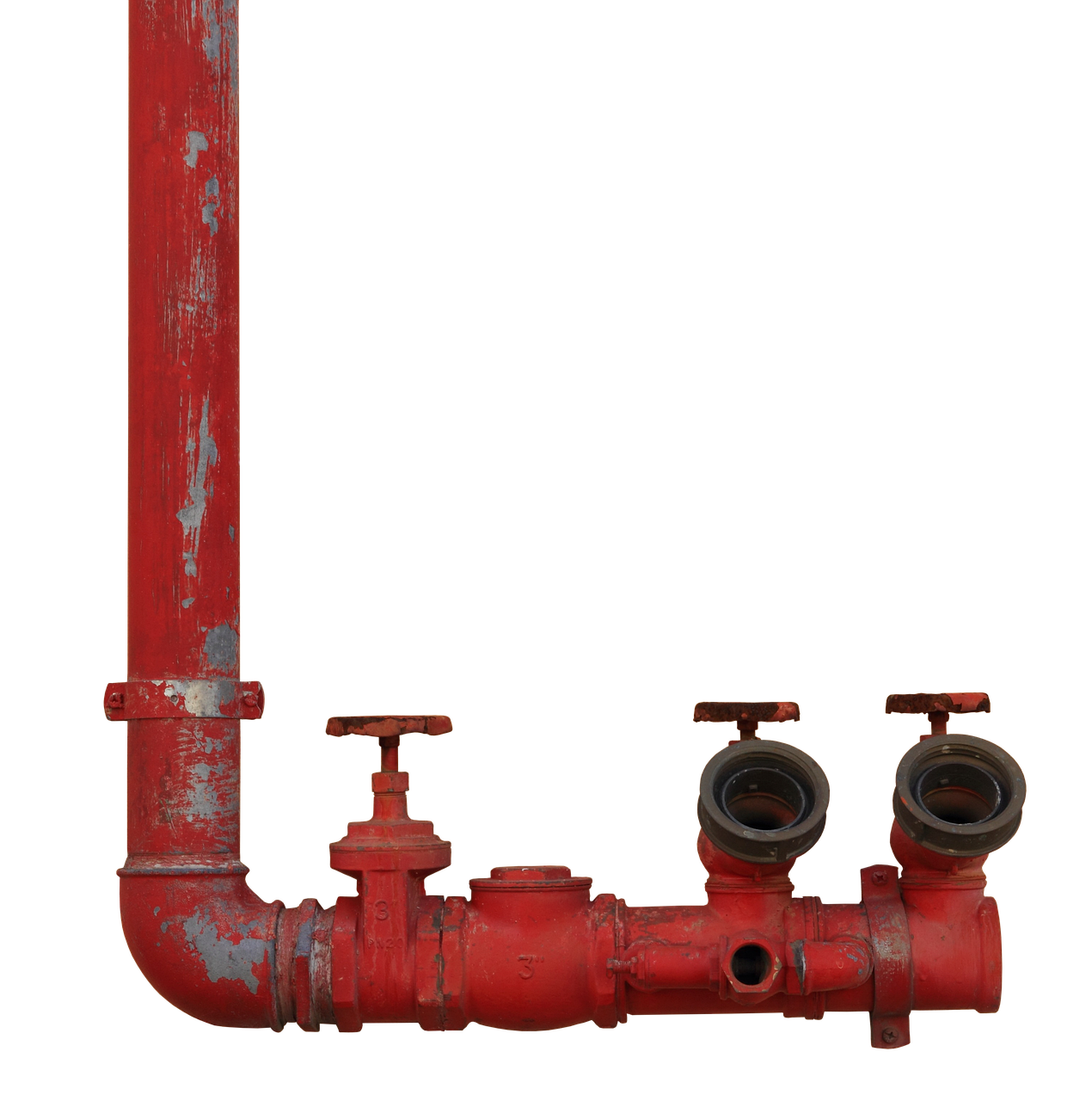
In the Certified Professional in Fire Sprinkler System Project Management Tools and Software course, Closing and Evaluating Fire Sprinkler System Projects are critical steps in ensuring the successful completion of a project. This section will cover key terms and vocabulary related to these processes, providing a comprehensive understanding of the concepts involved.
1. **Closing Fire Sprinkler System Projects:**
Closing a fire sprinkler system project involves finalizing all activities and documentation to formally bring the project to an end. This phase ensures that all the project's objectives have been met, and the client's requirements have been fulfilled. Let's explore some essential terms and concepts related to closing fire sprinkler system projects:
- **Project Closure:** The formal acceptance of the project deliverables by the client or project stakeholders, signifying the official end of the project.
- **Final Inspection:** A thorough examination of the fire sprinkler system installation to ensure that it meets all regulatory requirements and quality standards before final acceptance.
- **Punch List:** A list of remaining tasks or deficiencies identified during the final inspection that need to be addressed before the project can be considered complete.
- **Project Handover:** The process of transferring the completed fire sprinkler system project to the client or end-user, including all necessary documentation, training, and support.
- **As-Built Drawings:** Updated drawings that reflect the actual installation of the fire sprinkler system, including any modifications made during the construction phase.
- **O&M Manuals:** Operation and Maintenance manuals that provide detailed instructions on how to operate, maintain, and troubleshoot the fire sprinkler system.
- **Final Acceptance:** The formal acknowledgment by the client that the fire sprinkler system project has been completed to their satisfaction, triggering the release of final payments and closure of the project.
- **Lessons Learned:** A review of the project to identify successes, challenges, and opportunities for improvement that can be applied to future projects.
2. **Evaluating Fire Sprinkler System Projects:**
Once a fire sprinkler system project is closed, it is essential to evaluate its performance and outcomes to assess the overall success of the project. Evaluating fire sprinkler system projects helps identify areas of improvement and best practices for future projects. Let's delve into key terms and vocabulary related to evaluating fire sprinkler system projects:
- **Performance Metrics:** Key performance indicators used to measure the effectiveness and efficiency of the fire sprinkler system project, such as installation time, cost variance, and customer satisfaction.
- **Post-Implementation Review:** A formal assessment conducted after the completion of the project to evaluate its performance, identify lessons learned, and make recommendations for future projects.
- **Quality Assurance:** The process of ensuring that the fire sprinkler system meets the required quality standards and specifications throughout the project lifecycle.
- **Compliance Audit:** An independent review of the fire sprinkler system installation to verify that it complies with all relevant codes, regulations, and industry standards.
- **Customer Feedback:** Input and comments provided by the client or end-user regarding their experience with the fire sprinkler system project, including satisfaction levels and areas for improvement.
- **Performance Evaluation:** An assessment of how well the fire sprinkler system is functioning in real-world conditions, including its reliability, effectiveness in suppressing fires, and response time.
- **Risk Assessment:** An analysis of potential risks and vulnerabilities associated with the fire sprinkler system project to determine the likelihood and impact of adverse events.
- **Continuous Improvement:** The ongoing process of identifying and implementing enhancements to the fire sprinkler system project based on feedback, lessons learned, and industry best practices.
- **Key Performance Indicators (KPIs):** Quantifiable measures used to evaluate the performance of the fire sprinkler system project against predetermined goals and objectives.
Closing and evaluating fire sprinkler system projects are essential components of project management, ensuring that the project meets quality standards, regulatory requirements, and client expectations. By understanding the key terms and vocabulary associated with these processes, project managers can effectively navigate the closing and evaluation phases, leading to successful project outcomes and satisfied clients.
Key takeaways
- In the Certified Professional in Fire Sprinkler System Project Management Tools and Software course, Closing and Evaluating Fire Sprinkler System Projects are critical steps in ensuring the successful completion of a project.
- Closing a fire sprinkler system project involves finalizing all activities and documentation to formally bring the project to an end.
- - **Project Closure:** The formal acceptance of the project deliverables by the client or project stakeholders, signifying the official end of the project.
- - **Final Inspection:** A thorough examination of the fire sprinkler system installation to ensure that it meets all regulatory requirements and quality standards before final acceptance.
- - **Punch List:** A list of remaining tasks or deficiencies identified during the final inspection that need to be addressed before the project can be considered complete.
- - **Project Handover:** The process of transferring the completed fire sprinkler system project to the client or end-user, including all necessary documentation, training, and support.
- - **As-Built Drawings:** Updated drawings that reflect the actual installation of the fire sprinkler system, including any modifications made during the construction phase.