
Marine Salvage Operations Planning
Salvage refers to the act of recovering a ship, its cargo, or any other property from loss or damage at sea. In the context of planning, salvage is not merely the physical act of removal but a coordinated process that includes risk assessme…
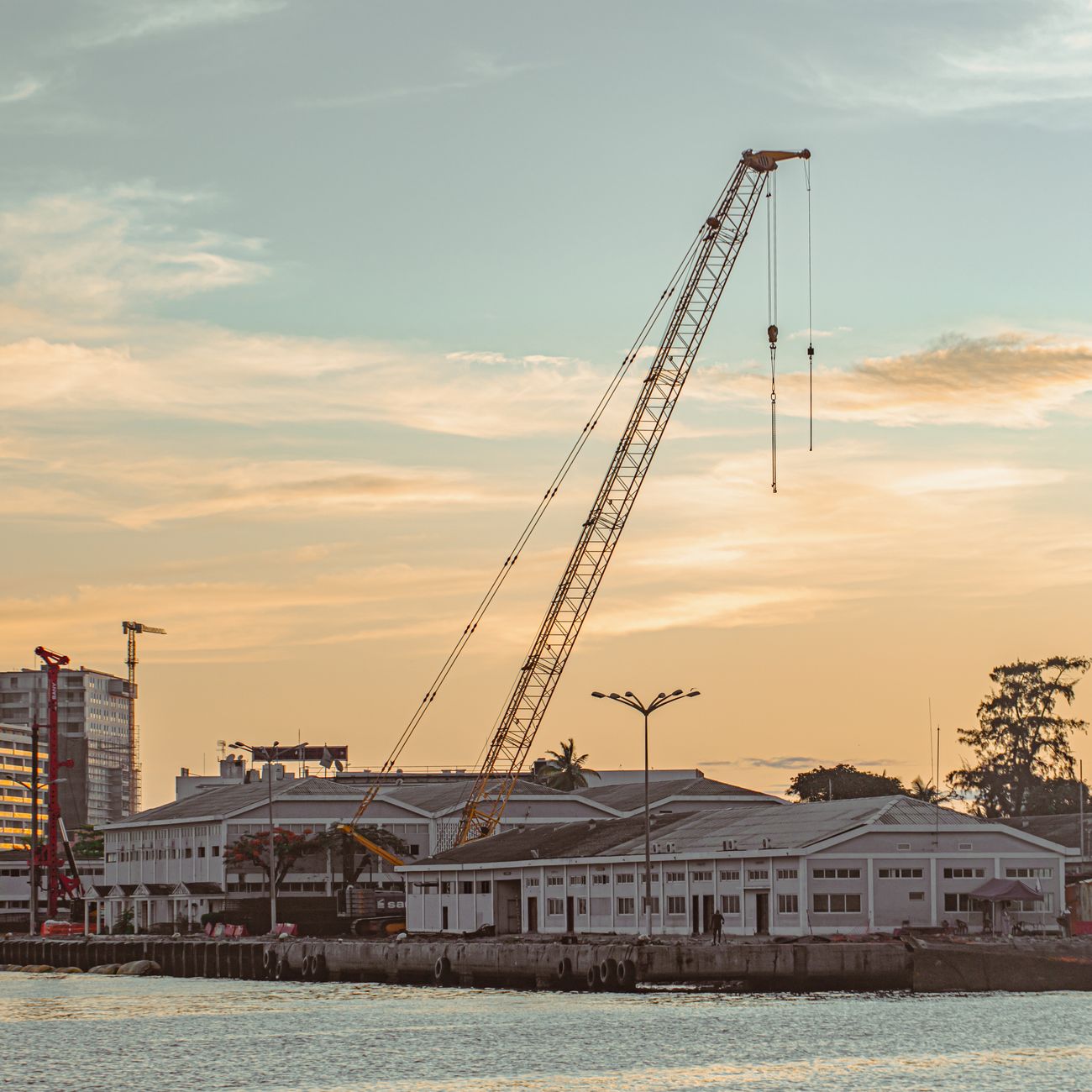
Salvage refers to the act of recovering a ship, its cargo, or any other property from loss or damage at sea. In the context of planning, salvage is not merely the physical act of removal but a coordinated process that includes risk assessment, resource allocation, legal considerations, and environmental protection. For example, when a container vessel runs aground on a sandbank, the salvage team must evaluate the hull integrity, the cargo value, and the potential for oil spill before deciding on the method of recovery. The primary challenge in salvage planning is balancing the speed of response with the thoroughness of risk analysis to prevent secondary incidents.
Wreck denotes the remains of a vessel that has been damaged or destroyed and is lying on the seabed or shoreline. The classification of a wreck—whether it is a total loss, a partial loss, or a navigational hazard—directly influences the salvage strategy. A wreck in a busy shipping lane may require immediate removal to restore safe navigation, whereas a wreck in a remote area might be left in situ if it poses no environmental threat. Planners must consider the structural condition of the wreck, the depth of water, and the accessibility for equipment.
Pollutant is any substance that, when released into the marine environment, can cause harm to ecosystems, human health, or economic activities. Common pollutants associated with marine incidents include oil, fuel, chemicals, and cargo residues. Identifying the type and quantity of pollutants early in the operation is critical for deploying appropriate containment and mitigation measures. For instance, a tanker carrying crude oil will require spill containment booms and skimmers, whereas a chemical tanker may need specialized neutralizing agents. The challenge lies in the rapid detection and accurate quantification of pollutants under emergency conditions.
Salvage contract is a legally binding agreement between the shipowner and the salvor that outlines the terms, scope, and remuneration for salvage services. The contract typically incorporates provisions from the International Convention on Salvage 1989, such as the “no cure‑no pay” principle and the concept of special compensation for environmental damage. Understanding the contractual clauses is essential for planners to ensure that the scope of work aligns with the agreed remuneration and that liability limits are clearly defined. A common difficulty is negotiating terms that satisfy both the shipowner’s desire for cost control and the salvor’s need for adequate compensation to cover high‑risk operations.
Special compensation is a payment awarded to salvors for actions taken to prevent or minimize environmental damage, regardless of the success of the salvage. This concept was introduced to encourage proactive measures against pollution. In practice, a salvor who deploys oil‑absorbing agents to protect a coastline may claim special compensation even if the oil spill is not completely eliminated. The challenge for planners is to document the preventive actions meticulously to support the claim, as the compensation is often subject to detailed assessment by maritime authorities.
Marine insurance provides financial protection against losses arising from maritime incidents, including hull damage, cargo loss, and third‑party liability. The type of insurance coverage—such as Protection & Indemnity (P&I) or hull and machinery insurance—affects the funding available for salvage operations. Planners must coordinate with insurers to obtain authorization for the deployment of resources, especially when large sums are involved. A frequent obstacle is the time lag in insurance approval, which can delay critical response actions.
Risk assessment is a systematic process of identifying hazards, evaluating the likelihood of occurrence, and estimating the potential consequences. In salvage planning, risk assessment encompasses technical, environmental, and human factors. For example, the risk of structural collapse of a capsized vessel must be weighed against the risk of oil spillage if the hull is breached. The assessment results guide the selection of equipment, personnel, and safety protocols. The main difficulty is achieving a comprehensive assessment within the limited time window of an emergency.
Operational envelope defines the range of conditions—such as water depth, weather, and sea state—under which salvage equipment can be effectively employed. Understanding the operational envelope is vital for matching the right assets to the incident. A heavy‑lift crane ship may have an operational envelope limited to sea states below Beaufort force 5, while a shallower‑draft tug can operate in more adverse conditions. Planners must monitor weather forecasts and adjust asset deployment accordingly, which can be challenging when rapid changes occur.
Resource allocation involves the distribution of personnel, vessels, equipment, and financial assets to meet the objectives of the salvage operation. Effective allocation requires a clear hierarchy of priorities, such as life‑saving, environmental protection, and property recovery. For instance, if a vessel is sinking rapidly, the primary allocation will be rescue teams and life‑saving equipment, followed by oil containment resources. The complexity arises from competing demands and limited availability of specialized salvage assets.
Towage is the act of pulling or pushing a vessel using another vessel, typically a tug, to relocate it to a safe location or a repair yard. Towage is often a component of salvage operations when a damaged ship can be moved without extensive lifting. The planning of towage includes calculating the bollard pull required, selecting appropriate towing lines, and assessing the structural integrity of the vessel to be towed. Challenges include ensuring the tow does not exacerbate hull damage or cause the vessel to break apart during transit.
Heavy‑lift vessel is a specialized ship equipped with large cranes or sheer legs capable of lifting thousands of tons of weight, often used to raise sunken ships or large structures. The selection of a heavy‑lift vessel depends on factors such as lift capacity, deck space, and stability in various sea conditions. For example, a 2,000‑ton heavy‑lift vessel may be required to recover a sunken offshore platform module. Planning difficulties involve coordinating the vessel’s arrival, securing sufficient crane capacity, and managing the complex rigging procedures.
De‑watering refers to the removal of water from a flooded compartment or vessel to restore buoyancy and stability. De‑watering techniques include using pumps, air injection, and de‑pressurization. In salvage, rapid de‑watering can prevent total loss of a vessel and facilitate refloating. However, the challenge is that water ingress may continue while pumps are operating, and the structural strength of the hull may be compromised, requiring careful monitoring.
Refloating is the process of making a grounded or sunken vessel buoyant again, allowing it to be moved under its own power or with assistance. Refloating methods include de‑watering, buoyancy augmentation using pontoons or airbags, and dredging around the hull. The choice of method depends on the vessel’s weight, damage extent, and environmental constraints. A key challenge is achieving sufficient buoyancy without over‑stressing weakened structures.
Dredging involves the removal of sediment, sand, or debris from the seabed to clear a navigation channel or to expose a grounded hull. Dredging can be performed using suction dredgers, cutter‑suction dredgers, or mechanical excavators. In salvage, dredging may be necessary to create a channel for a tug to approach a grounded ship. Environmental concerns, such as the disturbance of marine habitats and the disposal of dredged material, must be addressed in planning.
Airbag system utilizes inflatable bags placed under a vessel’s hull to provide additional buoyancy and lift. The system is especially useful for vessels that are partially grounded or have limited structural damage. The planning for an airbag system includes calculating the required lift, selecting appropriate bag sizes, and determining the inflation sequence. A common difficulty is ensuring the bags are positioned correctly without causing further damage to the hull.
Buoyancy aid is any device or material that increases the floating capability of a vessel, such as pontoons, flotation drums, or foam blocks. Buoyancy aids are often employed when a vessel’s integrity is compromised and traditional de‑watering is insufficient. The selection of buoyancy aids must consider the vessel’s weight distribution, water ingress points, and the potential for shifting loads during lift. Improper use can lead to instability and capsizing.
Firefighting in a marine salvage context involves controlling and extinguishing fires on board a vessel or in the surrounding water. Firefighting assets may include fire‑fighting tugs, foam‑producing systems, and portable extinguishers. The presence of fuel or hazardous cargo adds complexity, requiring specialized agents such as dry chemical or halon. Planners must integrate fire suppression measures with other salvage activities to avoid interference.
Pollution control equipment encompasses tools such as containment booms, skimmers, sorbents, and dispersants used to mitigate the spread of pollutants. The selection of equipment depends on the type of pollutant, volume released, and environmental sensitivity of the area. For oil spills, a combination of booms and skimmers is standard, while chemical spills may require neutralizing agents. Challenges include the rapid deployment of equipment and ensuring that the methods do not cause secondary contamination.
Safety management system (SMS) is a structured framework that defines procedures, responsibilities, and controls to ensure the safety of personnel during salvage operations. An SMS includes risk registers, emergency response plans, and regular drills. Implementation of an SMS reduces the likelihood of accidents, such as injuries from heavy equipment or exposure to hazardous substances. Maintaining compliance with international safety standards, such as those set by the International Maritime Organization (IMO), is a continual challenge.
Environmental impact assessment (EIA) is a systematic process to predict the environmental consequences of a proposed salvage operation. The EIA examines potential effects on water quality, marine life, and coastal ecosystems, and proposes mitigation measures. For example, an EIA may recommend timing the removal of a wreck to avoid spawning seasons of local fish species. Conducting an EIA under time pressure can be difficult, but it is essential for obtaining regulatory approvals.
Regulatory compliance involves adhering to national and international laws governing marine salvage, pollution prevention, and occupational safety. Key regulations include the International Convention on Salvage, the MARPOL Convention, and local coastal protection statutes. Planners must liaise with authorities to secure permits, report incidents, and coordinate response actions. Non‑compliance can result in fines, legal liability, and suspension of operations.
Stakeholder coordination refers to the collaboration among parties such as shipowners, insurers, salvors, government agencies, and local communities. Effective coordination ensures that information flows smoothly, resources are shared, and decisions are made transparently. For instance, involving the local port authority early can expedite the allocation of tugs and berth space. The main challenge is aligning the differing objectives and priorities of each stakeholder.
Incident command system (ICS) is a standardized management structure used to coordinate emergency response. In salvage, the ICS establishes roles such as Incident Commander, Operations Section Chief, and Safety Officer. The system provides clear lines of authority and communication, facilitating rapid decision‑making. Implementing the ICS requires training and familiarity among all participants, which can be a hurdle when multinational teams are involved.
Survey and inspection are activities performed to assess the condition of a vessel, wreck, or cargo after an incident. Surveys may be visual, ultrasonic, or involve divers and remotely operated vehicles (ROVs). Detailed inspection data informs the salvage plan, indicating where structural reinforcement is needed or where hazardous materials are located. Access difficulties, limited visibility, and time constraints often complicate surveys.
Remediation is the process of cleaning up or mitigating environmental damage caused by a marine incident. Remediation actions may include soil removal, bioremediation of contaminated sediments, or restoration of habitats. In salvage, remediation is often required after pollutant removal to meet regulatory standards. The complexity of remediation projects can be high, especially when dealing with persistent organic pollutants.
Logistics support encompasses the provision of fuel, provisions, spare parts, and accommodation for the salvage crew. Efficient logistics are crucial for maintaining operational tempo, especially in remote locations. For example, establishing a forward operating base on a nearby island can reduce transit times for personnel and equipment. Managing supply chains in a dynamic environment presents logistical challenges.
Cost estimation involves forecasting the financial resources required for the entire salvage operation, including equipment hire, personnel wages, insurance premiums, and disposal fees. Accurate cost estimation aids in budgeting and in negotiations with insurers and shipowners. However, uncertainties such as unexpected weather changes or hidden damage can cause cost overruns, making precise estimation difficult.
Contractual liability defines the legal responsibility of parties for damages arising from the salvage operation. Liability may stem from breach of contract, negligence, or failure to comply with safety standards. Understanding the scope of liability helps planners to incorporate indemnities and insurance coverage. A frequent issue is the allocation of liability when multiple parties are involved, such as a tug operator and a salvage contractor.
De‑contamination is the process of removing hazardous substances from a vessel or equipment to make them safe for handling or disposal. De‑contamination may involve washing, chemical neutralization, or encapsulation. In salvage, de‑contamination is essential when dealing with vessels that have carried toxic cargo, such as chemicals or radioactive material. The challenge lies in ensuring that de‑contamination methods are effective without causing further environmental harm.
Hazardous material (HAZMAT) refers to substances that pose a risk to health, safety, or the environment, including chemicals, explosives, and radioactive isotopes. Identifying HAZMAT on board a damaged vessel is a priority in salvage planning. Specialized teams equipped with protective gear and detection instruments handle HAZMAT. The presence of HAZMAT often requires additional permits and may limit the choice of salvage methods.
Hot‑work permit is an authorization required before any operation that could ignite flammable vapours, such as welding or cutting. The permit ensures that fire‑prevention measures are in place, such as gas monitoring and fire watches. In salvage, hot‑work permits are critical when repairing hull breaches or cutting away damaged structures. Failure to obtain a proper permit can lead to accidental fires and severe penalties.
Underwater cutting involves the use of specialized tools, such as hydraulic shears or plasma cutters, to sever metal structures beneath the water surface. This technique is employed to remove obstructive sections of a wreck or to free a trapped vessel. Underwater cutting demands careful planning due to the risks of water pressure, debris generation, and potential ignition of gases. The equipment is often bulky and requires a support vessel, adding logistical complexity.
ROV (remotely operated vehicle) is an unmanned submersible equipped with cameras, manipulators, and sensors, used for inspection, surveying, and intervention at depth. ROVs are valuable in salvage because they can operate in hazardous environments without exposing divers to danger. Deploying an ROV requires a launch platform, control station, and trained operators. Limitations include cable length, maneuverability in confined spaces, and power supply constraints.
Diver support system comprises the infrastructure needed to sustain professional divers, including surface‑supplied air, decompression chambers, and communication links. In salvage, divers may be required for tasks such as attaching lifting points, cutting, or inspecting internal compartments. The support system must be designed to meet the depth and duration of dives, and must comply with occupational health regulations. Managing diver fatigue and decompression schedules poses significant operational challenges.
Lift point is a designated location on a vessel’s structure where lifting equipment, such as slings or chains, can be attached safely. Proper selection of lift points is vital to avoid structural failure during heavy‑lift operations. Engineers calculate load distribution and verify the strength of the underlying frames before installing lift points. Incorrect placement can lead to catastrophic hull rupture.
Sheer leg is a type of crane structure mounted on a salvage vessel, consisting of a vertical mast and a diagonal boom, used to lift heavy objects. Sheer legs provide high lifting capacity and stability, particularly in calm sea conditions. The planning of a sheer‑leg operation includes assessing the wind and wave conditions, as the structure is sensitive to dynamic loads. Over‑loading a sheer leg can cause tipping or structural damage.
Stability analysis evaluates the ability of a vessel to maintain equilibrium under various loading conditions, including the addition of salvage equipment, cargo shifts, or water ingress. Stability calculations use parameters such as the metacentric height (GM) and center of gravity (KG). In salvage, performing a stability analysis before refloating is essential to prevent capsizing. The challenge is that damage may have altered the vessel’s weight distribution, requiring detailed surveys.
Ballast management involves the controlled intake and discharge of water to adjust a vessel’s trim and draft. Proper ballast management can improve stability and facilitate refloating. Salvage planners must consider the impact of ballast operations on the surrounding environment, especially if the ballast water contains invasive species. Regulations such as the Ballast Water Management Convention impose strict controls, adding complexity to planning.
De‑watering pump capacity is the rate at which water can be removed from a flooded compartment, typically expressed in cubic meters per hour. Selecting pumps with adequate capacity is crucial to achieve the desired de‑watering speed. Planners must also account for power supply, pump placement, and the potential for debris blockage. Under‑estimating pump capacity can prolong the operation and increase costs.
Water ingress control refers to measures taken to stop or reduce the flow of water into a vessel, such as patching holes, installing cofferdams, or applying temporary seals. Controlling water ingress is a prerequisite for successful de‑watering and refloating. The difficulty lies in locating and accessing ingress points, especially when the vessel is partially submerged or structurally compromised.
Coast guard liaison is the process of maintaining communication and coordination with coastal authorities responsible for maritime safety and environmental protection. The liaison officer ensures that the salvage operation complies with local regulations, receives necessary clearances, and benefits from resources such as rescue vessels. Effective liaison can expedite approvals, but bureaucratic procedures may cause delays if not managed proactively.
Permitting process includes obtaining the necessary authorizations from governmental agencies to conduct salvage activities, especially those that involve pollution control, dredging, or the use of explosives. Permits may specify operational limits, environmental monitoring requirements, and reporting obligations. The planning team must track permit timelines and ensure that operations do not commence before approvals are granted. Delays in permitting can jeopardize time‑critical salvage actions.
Explosive demolition is the controlled use of explosives to break apart large structures, such as sections of a wreck that cannot be lifted as a whole. Demolition requires precise calculation of charge size, placement, and timing to achieve the desired fragmentation while minimizing damage to surrounding assets. Safety zones must be established, and post‑demolition debris removal planned. The inherent risks of handling explosives demand rigorous training and safety oversight.
Hydraulic shears are cutting tools powered by hydraulic pressure, often mounted on ROVs or divers’ equipment, used for severing metal underwater. Hydraulic shears enable precise cuts in confined spaces, such as cutting away a damaged propeller shaft. The tool’s effectiveness depends on adequate hydraulic supply and operator skill. Limitations include reduced cutting speed in thick plates and the need for clear access to the cut line.
Air‑lift system utilizes compressed air injected into a pipe to create a suction effect that removes water and debris from flooded compartments. Air‑lift systems are advantageous because they can operate without large pump installations and can be positioned through small openings. The system’s performance is influenced by the depth of the compartment and the air flow rate. Over‑pressurization can damage internal structures if not carefully controlled.
Floating crane is a crane mounted on a barge or vessel, capable of lifting heavy loads over water. Floating cranes are frequently employed in salvage to lift sections of a wreck, offload cargo, or move large debris. The selection of a floating crane depends on lift capacity, boom length, and the water depth at the site. Stability of the crane barge during lift operations is a critical consideration, especially in rough seas.
Salvage team composition includes specialists such as naval architects, marine engineers, divers, ROV operators, environmental scientists, and logistics coordinators. A well‑balanced team ensures all aspects of the operation are covered, from technical calculations to ecological monitoring. The challenge lies in assembling the right expertise quickly, especially when the incident occurs in a region with limited local resources.
Training and certification are mandatory for personnel involved in salvage, covering areas such as diving, hazardous material handling, and heavy‑lift operations. Certifications may be issued by recognized bodies like the International Diving Schools Association (IDSA) or the International Salvage Union (ISU). Maintaining up‑to‑date training ensures compliance with safety standards and enhances operational efficiency. However, the time required for certification can restrict the availability of qualified personnel.
Communication protocols define the methods, frequencies, and formats for exchanging information among the salvage team, shipowner, authorities, and other stakeholders. Standardized protocols, such as the use of maritime VHF channels or satellite communications, reduce misunderstandings and improve situational awareness. In complex incidents, communication overload can occur, necessitating clear hierarchy and message filtering.
Contingency planning involves developing alternative courses of action should the primary salvage plan become unfeasible due to unforeseen circumstances, such as sudden weather deterioration or equipment failure. Contingency plans may include secondary lifting methods, alternative disposal sites, or emergency evacuation procedures. The difficulty is allocating resources for multiple scenarios without over‑committing budget or personnel.
Weather forecasting is a critical input for salvage planning, as sea state, wind speed, and visibility directly affect the safety and feasibility of operations. Planners rely on meteorological services and real‑time data to schedule asset deployment, especially for heavy‑lift or towing activities. Rapid changes in weather can necessitate immediate adjustments, highlighting the need for flexible planning.
Sea‑state limitations describe the maximum wave height and period that salvage equipment can safely operate in. Each vessel and piece of equipment has specific sea‑state ratings, often expressed as Beaufort scale limits. For example, a tug may be rated for operations up to sea‑state 5, while a heavy‑lift crane ship may be limited to sea‑state 3. Planning must align operational windows with these limits to avoid accidents.
Legal jurisdiction determines which national laws and courts have authority over the salvage operation, based on the location of the incident and the flag state of the vessel. Jurisdiction influences the applicable salvage regime, liability rules, and environmental regulations. Conflicts of jurisdiction can arise in international waters, requiring diplomatic coordination and careful legal analysis.
Salvage award is the monetary compensation granted to a salvor for successful recovery of a vessel or cargo, calculated based on factors such as the value of the property saved, the degree of danger, and the costs incurred. The award may also include special compensation for environmental protection. Understanding the criteria for award calculation helps planners to document efforts that support higher compensation.
Environmental monitoring involves the systematic collection of data on water quality, wildlife presence, and sediment contamination before, during, and after salvage activities. Monitoring provides evidence of the operation’s impact and informs mitigation measures. Instruments such as water samplers, sonar, and aerial drones are commonly used. Ensuring consistent data quality and coverage can be challenging in dynamic marine environments.
Waste management covers the handling, transportation, and disposal of hazardous and non‑hazardous waste generated during salvage, including oil residue, contaminated water, and debris. Compliance with waste disposal regulations, such as the Basel Convention, is mandatory. Effective waste management reduces environmental impact and avoids legal penalties. Planning must allocate sufficient storage capacity and identify approved disposal facilities.
Stakeholder impact assessment evaluates how the salvage operation affects various parties, including local communities, fisheries, tourism operators, and environmental NGOs. The assessment identifies potential concerns, such as noise pollution from heavy equipment or disruption of fishing activities, and proposes mitigation strategies. Engaging stakeholders early can improve cooperation and reduce opposition.
Documentation and reporting are essential components of salvage operations, providing a record of actions taken, resources used, and outcomes achieved. Reports may be required by insurers, regulatory agencies, and the shipowner. Accurate documentation supports claims for salvage awards and demonstrates compliance with environmental standards. The challenge is ensuring timely and thorough reporting while the operation is ongoing.
De‑contamination zone is a designated area where equipment and personnel are cleaned or de‑contaminated after exposure to hazardous substances. Establishing a de‑contamination zone on site helps prevent the spread of contaminants to surrounding waters or to the crew’s base facilities. The zone must be equipped with appropriate cleaning agents, containment trays, and waste collection systems.
Marine archaeology considerations arise when a wreck has historical or cultural significance. Salvage planners must assess the archaeological value of the site and consult with heritage authorities before proceeding with removal. In some cases, preservation in situ may be preferred, or a careful recovery of artifacts may be required. Balancing salvage objectives with heritage protection adds complexity to the planning process.
Insurance claim process involves submitting detailed evidence of loss, damage, and salvage efforts to the insurer for reimbursement. The claim must include invoices, salvage award calculations, and proof of expenses. Prompt and accurate claim submission can expedite payment, which is vital for covering ongoing operational costs. Discrepancies or incomplete documentation can lead to disputes and delayed settlements.
Operational risk matrix is a tool used to prioritize hazards based on likelihood and severity, aiding in decision‑making. The matrix helps identify high‑risk activities that require additional controls or monitoring. For example, a high‑risk rating might be assigned to underwater cutting near fuel tanks, prompting the implementation of extra safety measures. Maintaining the matrix throughout the operation ensures that emerging risks are captured.
Marine traffic coordination ensures that other vessels in the vicinity are aware of the salvage operation and can adjust routes to avoid interference. Coordination is achieved through Notices to Mariners, AIS broadcasting, and direct communication with port authorities. Effective traffic management reduces the risk of collisions and facilitates the safe passage of support vessels.
Logistical hub is a temporary base established close to the incident site to serve as a center for equipment storage, crew accommodation, and command functions. The hub may be set up on a nearby island, a docked barge, or a shore facility. Selecting an appropriate hub location involves considerations of accessibility, security, and environmental impact. Establishing a hub quickly can be constrained by local infrastructure and permitting.
Asset mobilization refers to the process of moving salvage vessels, equipment, and personnel from their home ports to the incident location. Efficient mobilization minimizes response time, which is critical for preventing escalation of damage. Factors influencing mobilization include vessel availability, crew readiness, and transport logistics for specialized equipment. Delays in mobilization can increase costs and environmental harm.
Financial guarantee is a security deposit or bond required by authorities to ensure that the salvors have the financial capacity to cover potential liabilities, such as pollution cleanup or damage to third‑party property. Guarantees may be in the form of cash, bank letters, or insurance bonds. Obtaining a guarantee can be a lengthy process, affecting the speed of operation commencement.
De‑watering sequencing is the order in which compartments are pumped out to maintain vessel stability and prevent water hammer effects. The sequence is determined by the vessel’s internal layout, the location of damage, and the distribution of weight. Improper sequencing can cause the vessel to list or capsize mid‑operation. Detailed planning and real‑time monitoring are required to adjust the sequence as conditions evolve.
Structural reinforcement involves adding temporary supports, such as steel bracing or shoring, to strengthen weakened sections of a vessel before lifting or towing. Reinforcement may be necessary when the hull has been compromised by impact or corrosion. Engineers must design reinforcement that can be installed quickly and removed later without further damage. The added weight of reinforcement must be accounted for in stability calculations.
Safety zones are defined areas around the salvage site where non‑essential personnel and vessels are prohibited from entering. Safety zones protect workers from hazards such as falling debris, oil slicks, or explosive charges. The size of the zone is based on the type of activity, equipment used, and environmental conditions. Enforcing safety zones requires coordination with local authorities and clear communication to nearby traffic.
Environmental restoration is the process of rehabilitating ecosystems affected by a salvage operation, such as replanting mangroves or restoring coral reefs. Restoration efforts may be mandated by regulatory agencies as part of the permitting conditions. Planning for restoration includes timelines, budget allocation, and monitoring to verify success. The uncertainty of ecological recovery adds a variable to project planning.
Pollutant dispersion modeling uses computer simulations to predict the spread of contaminants in the water column under various scenarios. Models incorporate currents, wind, temperature, and salinity data to estimate the trajectory of oil slicks or chemical plumes. Accurate modeling informs the placement of containment booms and the prioritization of response actions. Model limitations, such as data quality and resolution, can affect reliability.
Emergency response plan (ERP) outlines the immediate actions to be taken in the event of a marine incident, including notification procedures, resource mobilization, and safety measures. The ERP integrates with the broader salvage plan, ensuring that initial response aligns with longer‑term recovery objectives. Regular drills and updates are necessary to keep the ERP effective. Inadequate ERP preparation can lead to chaotic initial response.
Fuel transfer operations may be required to offload remaining fuel from a damaged vessel to prevent spillage. Transfer operations involve connecting hoses, using pumps, and monitoring for leaks. Safety precautions include hot‑work permits, grounding of equipment, and continuous monitoring of vapour concentrations. The operation must be coordinated with environmental agencies to manage the transferred fuel responsibly.
Legal salvage regime defines the framework under which salvage is conducted, including rights, duties, and compensation mechanisms. The regime may be based on national law, the International Convention on Salvage, or customary maritime law. Understanding the prevailing regime is essential for drafting contracts, assessing liability, and determining the salvor’s entitlement. Divergent regimes across jurisdictions can create legal ambiguity.
Marine spatial planning (MSP) is a process that organizes the use of marine areas to achieve ecological, economic, and social objectives. Salvage planners must consider existing MSP designations, such as protected marine areas or designated fishing zones, when selecting operation sites and routes. Compliance with MSP can restrict certain activities, requiring alternative approaches or additional permits.
Vessel stability software provides computational tools to model the stability of a vessel under various loading conditions, including the addition of salvage equipment. Software such as AutoHydro or NAPA allows planners to simulate the effects of de‑watering, ballast changes, and cargo shifts. Accurate input data is critical; otherwise, the simulation may produce misleading results. Training operators to use the software effectively is part of the planning process.
De‑watering power supply must be reliable and sufficient to operate pumps for extended periods. Power may be supplied by vessel generators, shore‑based generators, or portable diesel units. Redundancy is essential to prevent loss of pumping capability due to equipment failure. Planning for fuel resupply and generator maintenance adds logistical complexity.
Hydrographic survey maps the seabed topography and identifies hazards such as submerged rocks, wreck debris, or changes in depth caused by the incident. Hydrographic data assists in route planning for tugs and heavy‑lift vessels, as well as in positioning of containment equipment. Modern surveys employ multibeam echo‑sounders and side‑scan sonar. The challenge is conducting the survey quickly while maintaining high accuracy.
Port state control (PSC) inspections may be triggered by a salvage incident, especially if the vessel is to be brought into a foreign port for repairs. PSC officers assess compliance with safety and environmental regulations. Failure to meet PSC standards can result in detention of the vessel, further delaying salvage. Coordinating with PSC authorities and ensuring the vessel meets inspection criteria is part of the planning process.
Incident debrief is a structured review conducted after the salvage operation to capture lessons learned, assess performance, and identify improvement opportunities. The debrief involves all stakeholders, including crew, contractors, and authorities. Findings are documented and incorporated into future planning protocols. Conducting a thorough debrief can be difficult when time constraints or confidentiality concerns limit open discussion.
Salvage equipment maintenance ensures that critical assets such as pumps, winches, and diving gear are in operational condition before deployment. Preventive maintenance schedules, spare parts inventories, and testing procedures are essential components. Equipment failure during an operation can cause significant delays and safety hazards. Maintaining a ready‑state fleet often requires dedicated support teams and budget allocation.
Environmental offset may be required as part of the permitting process, where the salvager must fund projects that compensate for ecological damage caused by the operation. Offsets can include habitat creation, pollution reduction initiatives, or community development programs. Calculating appropriate offset values involves ecological valuation methods and stakeholder negotiation. Implementing offsets adds financial and administrative tasks to the salvage plan.
Emergency medical support provides medical care for injuries or health issues that arise during salvage, including decompression sickness, burns, or exposure to hazardous substances. Medical teams must be equipped with hyperbaric chambers, first‑aid supplies, and evacuation capabilities. The remote nature of many salvage sites can complicate medical response, requiring contingency plans for rapid transport to equipped facilities.
Contamination control measures aim to prevent the spread of pollutants from the salvage site to surrounding waters. Techniques include using absorbent mats, sealing off compartments, and employing closed‑loop pump systems. Continuous monitoring for leaks and the use of secondary containment structures are part of the control strategy. Failure to control contamination can lead to extensive environmental damage and regulatory penalties.
Salvage cost recovery involves tracking all expenses incurred during the operation to support reimbursement claims. Detailed cost records include labor hours, fuel consumption, equipment hire, and waste disposal fees. Accurate cost recovery enables the salvor to receive appropriate compensation and reduces disputes with insurers. The challenge lies in capturing all indirect costs and attributing them correctly.
Marine salvage ethics addresses the moral considerations of salvage actions, such as respecting cultural heritage, minimizing environmental harm, and ensuring fair treatment of workers. Ethical guidelines may be established by professional associations and influence decision‑making. Incorporating ethical considerations can enhance public trust and reduce reputational risk, though it may also constrain operational flexibility.
Dynamic positioning (DP) systems enable vessels to maintain a fixed position using thrusters and computer control, essential for precision work such as installing lifting gear or deploying subsea equipment. DP capability depends on vessel design, power availability, and sea conditions. Planning for DP operations includes assessing the required thrust, redundancy, and fuel consumption. Loss of DP during critical phases can jeopardize safety and operation success.
Marine wildlife protection measures are implemented to safeguard marine species that may be affected by salvage activities. Strategies include timing operations to avoid breeding seasons, using acoustic deterrents to reduce noise impact, and establishing exclusion zones for protected species. Collaboration with marine biologists helps identify vulnerable species and develop mitigation plans. Balancing wildlife protection with operational efficiency can be challenging.
Legal claim for damages may be filed by third parties affected by the salvage operation, such as fishermen whose catch is impacted or coastal residents experiencing pollution. Understanding potential claims informs risk mitigation and insurance coverage decisions. Proactive communication and compensation offers can reduce the likelihood of litigation. However, assessing the full extent of damages often requires expert evaluation.
Salvage documentation standards define the format and content required for reports, invoices, and technical records. Standards may be set by organizations such as the International Salvage Union or national maritime authorities. Adhering to these standards facilitates acceptance of documentation by insurers and regulators. Inconsistent documentation can lead to disputes and delayed payments.
Operational budget outlines the projected financial resources required for the entire salvage mission, encompassing personnel, equipment, fuel, insurance, and contingency funds. Budgeting must be realistic, taking into account uncertainties such as weather delays or unexpected damage. Regular budget reviews allow for adjustments based on actual expenditures. Overrun of the operational budget can jeopardize the completion of the salvage.
Marine salvage training centre provides specialized instruction for personnel involved in salvage, covering topics such as heavy‑lift engineering, underwater welding, and environmental response. Training centres may offer certification programs recognized internationally. Investing in training enhances crew competence and safety, but scheduling training around operational demands can be difficult.
De‑contamination procedures specify the steps to clean equipment and personnel after exposure to hazardous substances. Procedures include the use of neutralizing agents, containment of contaminated runoff, and disposal of cleaning waste.
Key takeaways
- In the context of planning, salvage is not merely the physical act of removal but a coordinated process that includes risk assessment, resource allocation, legal considerations, and environmental protection.
- A wreck in a busy shipping lane may require immediate removal to restore safe navigation, whereas a wreck in a remote area might be left in situ if it poses no environmental threat.
- For instance, a tanker carrying crude oil will require spill containment booms and skimmers, whereas a chemical tanker may need specialized neutralizing agents.
- The contract typically incorporates provisions from the International Convention on Salvage 1989, such as the “no cure‑no pay” principle and the concept of special compensation for environmental damage.
- The challenge for planners is to document the preventive actions meticulously to support the claim, as the compensation is often subject to detailed assessment by maritime authorities.
- Marine insurance provides financial protection against losses arising from maritime incidents, including hull damage, cargo loss, and third‑party liability.
- Risk assessment is a systematic process of identifying hazards, evaluating the likelihood of occurrence, and estimating the potential consequences.