
Introduction to AI and Wearable Technology
Artificial Intelligence (AI) is a branch of computer science that focuses on creating intelligent machines that can think and learn like humans. AI involves the development of algorithms and models that enable machines to perceive, reason, …
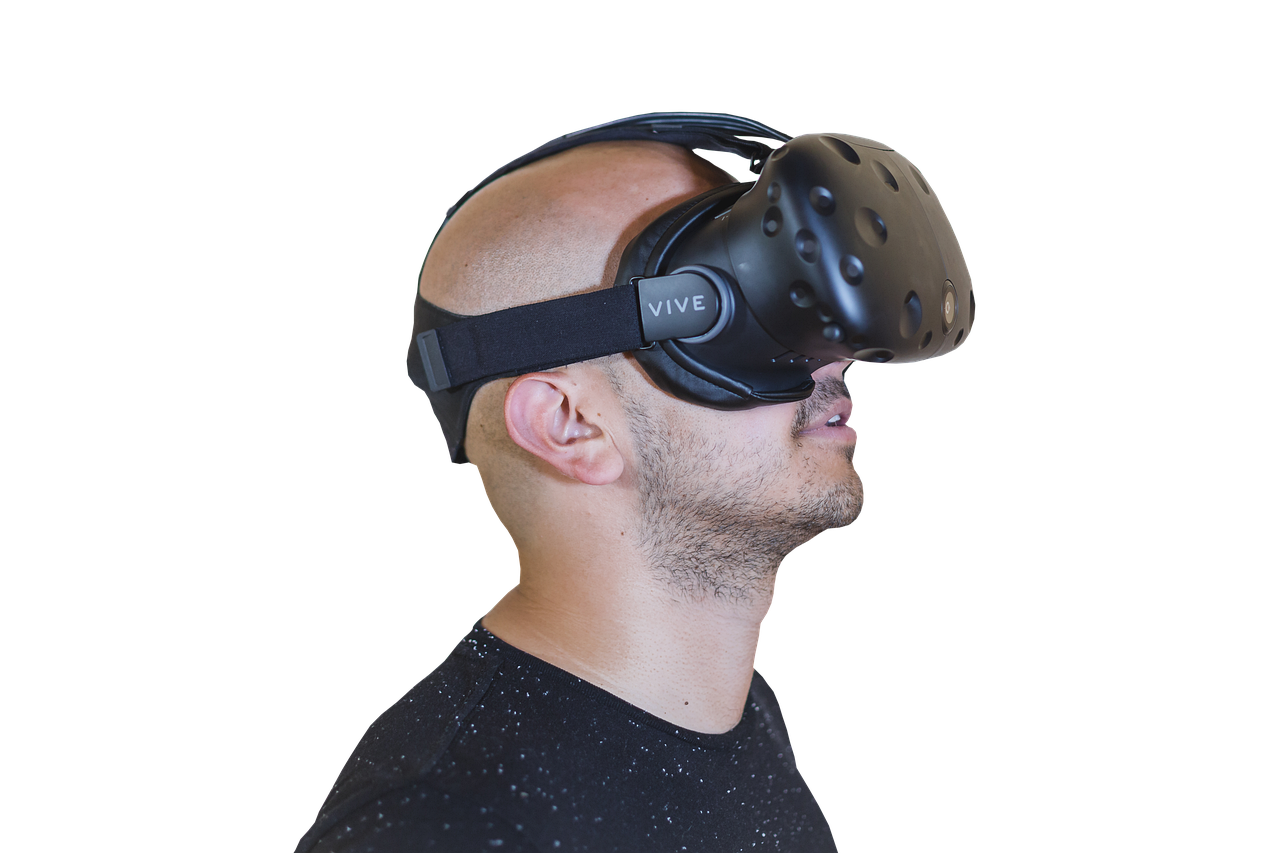
Artificial Intelligence (AI) is a branch of computer science that focuses on creating intelligent machines that can think and learn like humans. AI involves the development of algorithms and models that enable machines to perceive, reason, learn, and act in complex environments. AI has numerous applications in various industries, including healthcare, finance, transportation, and entertainment.
Wearable technology refers to electronic devices that can be worn on the body as accessories or implanted in the body. Wearable technology includes devices such as smartwatches, fitness trackers, smart glasses, and hearables. Wearable technology has gained popularity in recent years due to its potential to provide personalized and context-aware services to users.
AI and wearable technology can be combined to create intelligent wearable devices that can enhance user experiences, improve health outcomes, and enable new applications. In this context, AI can be used to analyze data collected by wearable devices, provide personalized recommendations, and enable natural user interfaces.
Key terms and vocabulary in AI and wearable technology include:
1. Machine Learning (ML): ML is a subset of AI that involves the development of algorithms and models that enable machines to learn from data. ML algorithms can be supervised, unsupervised, or reinforcement learning. 2. Deep Learning (DL): DL is a subset of ML that involves the use of artificial neural networks with multiple layers to analyze and learn from data. DL algorithms can be used for image and speech recognition, natural language processing, and recommender systems. 3. Sensors: Sensors are devices that detect and measure physical or chemical phenomena and convert them into electrical signals. Sensors are essential components of wearable devices and can be used to collect data on various physiological and environmental factors. 4. Data Analytics: Data analytics is the process of examining and interpreting data to extract insights and make informed decisions. Data analytics can be used to analyze data collected by wearable devices and provide personalized recommendations to users. 5. Natural User Interfaces (NUI): NUIs are user interfaces that enable users to interact with devices using natural and intuitive methods, such as speech, gestures, and facial expressions. NUIs can be used to enable hands-free and eyes-free interactions with wearable devices. 6. Internet of Things (IoT): IoT is a network of interconnected devices that can communicate and exchange data with each other. Wearable devices can be part of the IoT and can be used to collect and transmit data to other devices and services. 7. Privacy: Privacy is the right of individuals to control their personal information and data. Wearable devices can collect sensitive data, such as health information, and it is essential to ensure the privacy and security of this data. 8. Ethics: Ethics refers to the principles and values that guide the development and use of AI and wearable technology. It is essential to consider the ethical implications of AI and wearable technology and ensure that they are developed and used in a responsible and transparent manner.
Practical Applications:
AI and wearable technology have numerous practical applications in various industries, including:
1. Healthcare: Wearable devices can be used to monitor various health parameters, such as heart rate, blood pressure, and glucose levels. AI can be used to analyze this data and provide personalized recommendations to users. 2. Fitness: Wearable devices can be used to track physical activity, such as steps, distance, and calories burned. AI can be used to provide personalized fitness recommendations and coaching. 3. Finance: Wearable devices can be used to make payments and access financial services. AI can be used to provide personalized financial advice and recommendations. 4. Transportation: Wearable devices can be used to navigate and access transportation services. AI can be used to provide real-time traffic information and recommendations. 5. Entertainment: Wearable devices can be used to access multimedia content and games. AI can be used to provide personalized recommendations and enhance user experiences.
Challenges:
Despite the potential benefits of AI and wearable technology, there are several challenges that need to be addressed, including:
1. Data Privacy: Wearable devices can collect sensitive data, and it is essential to ensure the privacy and security of this data. 2. Data Quality: Wearable devices can generate large amounts of data, and it is essential to ensure the quality and accuracy of this data. 3. Data Bias: Wearable devices can be biased towards certain populations, and it is essential to ensure that the data and algorithms are fair and unbiased. 4. Energy Consumption: Wearable devices have limited battery life, and it is essential to optimize energy consumption. 5. Usability: Wearable devices need to be user-friendly and easy to use. 6. Ethics: AI and wearable technology raise ethical concerns, such as privacy, bias, and transparency, and it is essential to ensure that they are developed and used in a responsible and transparent manner.
Conclusion:
AI and wearable technology have the potential to transform various industries and provide personalized and context-aware services to users. However, there are several challenges that need to be addressed, including data privacy, quality, bias, energy consumption, usability, and ethics. It is essential to ensure that AI and wearable technology are developed and used in a responsible and transparent manner to maximize their benefits and minimize their risks. By understanding the key terms and vocabulary in AI and wearable technology, professionals can develop and use these technologies effectively and ethically.
Key takeaways
- Artificial Intelligence (AI) is a branch of computer science that focuses on creating intelligent machines that can think and learn like humans.
- Wearable technology has gained popularity in recent years due to its potential to provide personalized and context-aware services to users.
- AI and wearable technology can be combined to create intelligent wearable devices that can enhance user experiences, improve health outcomes, and enable new applications.
- Natural User Interfaces (NUI): NUIs are user interfaces that enable users to interact with devices using natural and intuitive methods, such as speech, gestures, and facial expressions.
- Healthcare: Wearable devices can be used to monitor various health parameters, such as heart rate, blood pressure, and glucose levels.
- Ethics: AI and wearable technology raise ethical concerns, such as privacy, bias, and transparency, and it is essential to ensure that they are developed and used in a responsible and transparent manner.
- It is essential to ensure that AI and wearable technology are developed and used in a responsible and transparent manner to maximize their benefits and minimize their risks.