
AI-Driven Aircraft Maintenance and Predictive Analytics
Artificial Intelligence (AI) refers to the simulation of human intelligence in machines that are programmed to think like humans and mimic their actions. The term may also be applied to any machine that exhibits traits associated with a hum…
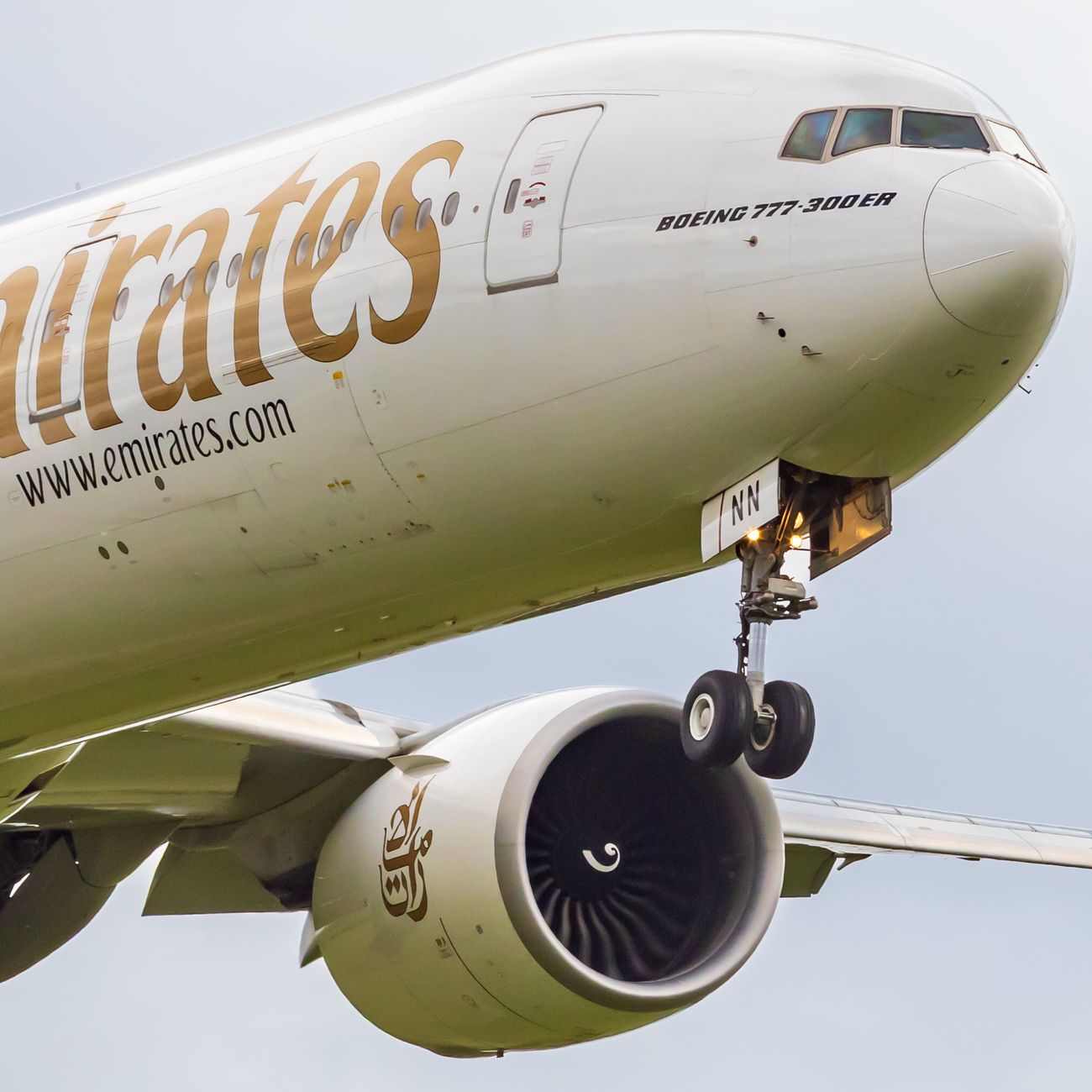
Artificial Intelligence (AI) refers to the simulation of human intelligence in machines that are programmed to think like humans and mimic their actions. The term may also be applied to any machine that exhibits traits associated with a human mind such as learning and problem-solving.
Machine Learning (ML), a subset of AI, is the study of computer algorithms that improve automatically through experience. It is a method of data analysis that automates analytical model building. It is a branch of artificial intelligence based on the idea that systems can learn from data, identify patterns and make decisions with minimal human intervention.
Deep Learning (DL), a subset of ML, is a type of machine learning that uses neural networks with many layers (hence “deep”). These models learn to represent data by training on a large amount of data and are particularly useful for processing large, complex datasets.
Predictive Analytics is the use of data, statistical algorithms and machine learning techniques to identify the likelihood of future outcomes based on historical data. It is used to make predictions about future events and behaviors and is commonly used in industries such as finance, healthcare, and aviation to identify trends, forecast demand, and prevent equipment failure.
Aircraft Maintenance is the process of inspecting, repairing, and overhauling an aircraft to ensure it is airworthy. AI-driven aircraft maintenance involves the use of AI, ML, and DL to automate the maintenance process, identify potential issues before they become major problems, and improve overall aircraft safety and efficiency.
Predictive Maintenance is a proactive approach to aircraft maintenance that uses data analysis and machine learning to predict when maintenance should be performed. This approach allows maintenance to be scheduled before a failure occurs, reducing downtime and increasing aircraft availability.
Sensors and Data Collection: Aircraft are equipped with various sensors that collect data on various aspects of the aircraft's performance, such as temperature, pressure, and vibration. This data is transmitted to a central system where it is analyzed to identify potential issues and trends.
Data Analysis: The data collected by the sensors is analyzed using machine learning algorithms to identify patterns and trends. This analysis can be used to predict when maintenance will be needed and to identify potential issues before they become major problems.
Decision Making: Based on the analysis, decisions are made about when and what type of maintenance should be performed. These decisions are made using a combination of human expertise and machine learning algorithms.
Examples of AI-Driven Aircraft Maintenance and Predictive Analytics in action include:
* GE Aviation's Predix platform, which uses machine learning algorithms to analyze data from aircraft engines to predict when maintenance will be needed and to optimize engine performance. * Rolls-Royce's R2 Data Labs, which uses machine learning and data analytics to predict when maintenance will be needed and to optimize engine performance. * Boeing's Health Management System, which uses machine learning algorithms to analyze data from aircraft systems to predict when maintenance will be needed and to identify potential issues before they become major problems.
Challenges in implementing AI-Driven Aircraft Maintenance and Predictive Analytics include:
* Data quality: The accuracy and completeness of the data collected by the sensors is critical to the success of the system. Poor quality data can lead to incorrect predictions and decisions. * Data privacy: The data collected by the sensors is sensitive and must be protected to ensure privacy. * Integration with existing systems: The AI-driven maintenance system must be integrated with existing maintenance and flight operations systems to ensure seamless communication and data exchange. * Human-machine collaboration: The system must be designed to work in collaboration with human maintenance personnel to ensure that the final decision is made by a human, taking into account the context and the specific situation.
In conclusion, AI-driven aircraft maintenance and predictive analytics are key areas of development in the aviation industry. These technologies allow for proactive maintenance that can identify potential issues before they become major problems, reducing downtime and increasing aircraft availability. However, challenges such as data quality, data privacy, integration with existing systems, and human-machine collaboration must be addressed to ensure the successful implementation of these technologies.
Key takeaways
- Artificial Intelligence (AI) refers to the simulation of human intelligence in machines that are programmed to think like humans and mimic their actions.
- It is a branch of artificial intelligence based on the idea that systems can learn from data, identify patterns and make decisions with minimal human intervention.
- These models learn to represent data by training on a large amount of data and are particularly useful for processing large, complex datasets.
- It is used to make predictions about future events and behaviors and is commonly used in industries such as finance, healthcare, and aviation to identify trends, forecast demand, and prevent equipment failure.
- AI-driven aircraft maintenance involves the use of AI, ML, and DL to automate the maintenance process, identify potential issues before they become major problems, and improve overall aircraft safety and efficiency.
- Predictive Maintenance is a proactive approach to aircraft maintenance that uses data analysis and machine learning to predict when maintenance should be performed.
- Sensors and Data Collection: Aircraft are equipped with various sensors that collect data on various aspects of the aircraft's performance, such as temperature, pressure, and vibration.