
Cognition and Neurological Rehabilitation
Cognition refers to the mental processes that allow us to carry out daily activities and tasks, including attention, memory, problem-solving, and decision-making, all of which are crucial for independent living . In the context of neurologi…
Cognition refers to the mental processes that allow us to carry out daily activities and tasks, including attention, memory, problem-solving, and decision-making, all of which are crucial for independent living. In the context of neurological rehabilitation, cognition is a critical aspect of the rehabilitation process, as many individuals with neurological conditions, such as stroke, traumatic brain injury, or dementia, experience cognitive impairments that affect their ability to perform daily activities and participate in society. Cognitive rehabilitation is a type of rehabilitation that focuses on improving cognitive function and helping individuals to compensate for cognitive deficits.
Neurological rehabilitation is a complex and multifaceted process that involves a team of healthcare professionals, including occupational therapists, physiotherapists, speech and language therapists, and psychologists, all working together to help individuals with neurological conditions to achieve their goals and improve their quality of life. Occupational therapy plays a key role in this process, as it focuses on enabling individuals to participate in daily activities and occupations that are meaningful and purposeful, despite any cognitive or physical limitations they may have.
One of the key concepts in cognitive rehabilitation is the idea of neuroplasticity, which refers to the brain's ability to reorganize and adapt in response to injury or disease. Neuroplasticity is the basis for many cognitive rehabilitation interventions, as it suggests that the brain is capable of relearning and compensating for damaged areas. For example, after a stroke, an individual may experience hemiparesis, which is weakness or paralysis of one side of the body. Through occupational therapy and other forms of rehabilitation, the individual may be able to learn new ways of performing daily activities, such as dressing or feeding, despite the physical limitations caused by the stroke.
Another important concept in cognitive rehabilitation is the idea of cognitive reserve, which refers to the brain's ability to resist or compensate for age-related or disease-related cognitive decline. Cognitive reserve is thought to be built up through a lifetime of educational and cognitive activities, such as reading, puzzles, and learning new skills. Individuals with higher cognitive reserve are thought to be better able to withstand cognitive decline and to recover more quickly from cognitive injuries or diseases.
In addition to these concepts, there are many specific cognitive strategies and techniques that are used in cognitive rehabilitation, such as compensatory strategies, which involve using external aids or devices to help compensate for cognitive deficits. For example, an individual with memory impairments may use a memory book or a planner to help them remember appointments and tasks. Other cognitive strategies include repetitive practice, which involves practicing a task or activity repeatedly in order to build up strength and endurance, and errorless learning, which involves learning new skills or information in a way that minimizes errors and mistakes.
Cognitive rehabilitation also involves the use of various assessment tools and techniques, such as cognitive screening tests, which are used to identify cognitive deficits and to monitor progress over time. These tests may include measures of attention, memory, language, and problem-solving ability, and may be used to inform the development of individualized rehabilitation plans. For example, an individual who has experienced a traumatic brain injury may undergo a comprehensive cognitive assessment, which may include tests of attention, memory, and executive function, in order to identify areas of strength and weakness and to develop a plan for rehabilitation.
In terms of practical applications, cognitive rehabilitation can be applied in a variety of settings, including inpatient rehabilitation units, outpatient clinics, and community settings. For example, an individual who has experienced a stroke may receive cognitive rehabilitation in an inpatient rehabilitation unit, where they may work with a team of healthcare professionals, including occupational therapists, physiotherapists, and speech and language therapists, to develop a comprehensive rehabilitation plan. The plan may include cognitive training, such as attention and memory exercises, as well as physical therapy, such as exercises to improve mobility and balance.
Cognitive rehabilitation can also be applied in community settings, such as schools, workplaces, and community centers, where individuals with cognitive impairments may receive support and accommodations to help them participate fully in daily activities and occupations. For example, an individual with a traumatic brain injury may receive cognitive support and accommodations in the workplace, such as the use of a memory aid or a cognitive assistant, in order to help them perform their job duties and participate fully in the workplace.
One of the challenges of cognitive rehabilitation is the fact that every individual is unique, with their own set of strengths, weaknesses, and goals. As a result, cognitive rehabilitation plans must be highly individualized and tailored to meet the specific needs and goals of each individual. This can be a complex and time-consuming process, requiring close collaboration between healthcare professionals, individuals, and their families.
Another challenge of cognitive rehabilitation is the fact that cognitive impairments can be hidden or invisible, making it difficult for others to understand and appreciate the challenges and difficulties that individuals with cognitive impairments may face. For example, an individual with a traumatic brain injury may appear to be fully recovered, but may still be experiencing cognitive fatigue, memory impairments, and other cognitive deficits that can affect their ability to participate in daily activities and occupations.
Despite these challenges, cognitive rehabilitation is a highly effective and rewarding field, as it has the potential to make a significant and lasting impact on the lives of individuals with cognitive impairments. By providing individuals with the cognitive strategies, techniques, and support they need to overcome cognitive deficits and participate fully in daily activities and occupations, cognitive rehabilitation can help individuals to achieve their goals, improve their quality of life, and regain their independence and confidence.
In terms of future directions, cognitive rehabilitation is likely to continue to evolve and expand, as new technologies and interventions become available. For example, virtual reality and robotic technologies are being used increasingly in cognitive rehabilitation, as they provide a engaging and interactive way to practice cognitive skills and participate in daily activities. Additionally, there is a growing recognition of the importance of lifestyle factors, such as exercise, nutrition, and stress management, in maintaining cognitive health and preventing cognitive decline.
Furthermore, cognitive rehabilitation is likely to become more interdisciplinary, as healthcare professionals from different disciplines work together to develop comprehensive and individualized rehabilitation plans. This may involve collaboration between occupational therapists, physiotherapists, speech and language therapists, psychologists, and other healthcare professionals, as well as with individuals and their families.
Overall, cognitive rehabilitation is a complex and multifaceted field that requires a deep understanding of cognitive function, neuroplasticity, and the cognitive strategies and techniques that can be used to promote cognitive recovery and rehabilitation. By providing individuals with the support and accommodations they need to overcome cognitive deficits and participate fully in daily activities and occupations, cognitive rehabilitation has the potential to make a significant and lasting impact on the lives of individuals with cognitive impairments, and to help them to achieve their goals, improve their quality of life, and regain their independence and confidence.
The process of cognitive rehabilitation typically begins with a comprehensive cognitive assessment, which is used to identify cognitive strengths and weaknesses, and to develop an individualized rehabilitation plan. This plan may include a range of cognitive interventions, such as attention and memory training, cognitive strategy training, and compensatory strategies, which are designed to help individuals to overcome cognitive deficits and participate fully in daily activities and occupations.
In addition to these interventions, cognitive rehabilitation may also involve the use of assistive technologies, such as memory aids, cognitive orthotics, and communication devices, which can help individuals to compensate for cognitive deficits and participate more fully in daily activities and occupations. For example, an individual with a traumatic brain injury may use a memory book or a planner to help them remember appointments and tasks, or may use a communication device, such as a picture communication symbol, to help them communicate more effectively with others.
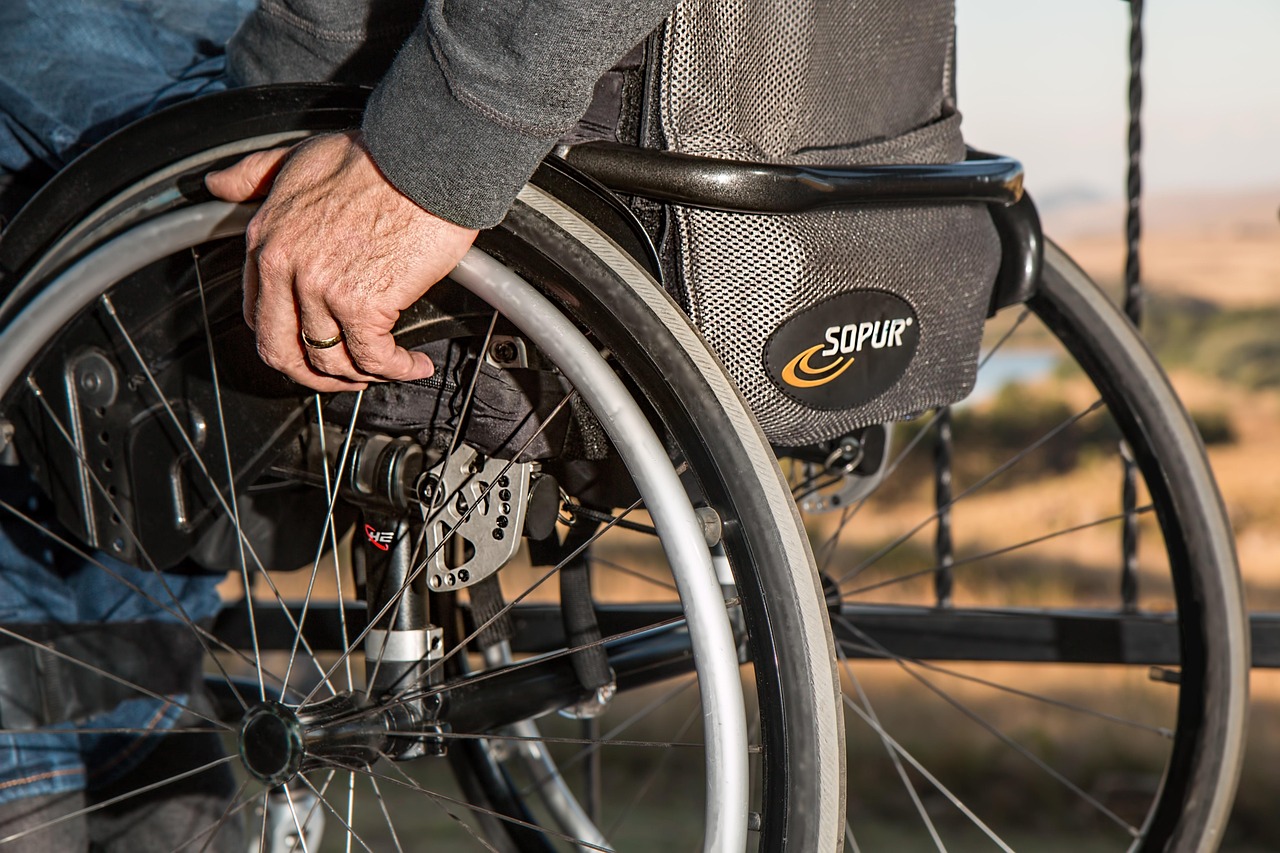
Cognitive rehabilitation may also involve the use of environmental modifications, which are designed to reduce cognitive demands and make it easier for individuals to participate in daily activities and occupations. For example, an individual with dementia may benefit from the use of visual cues, such as signs and labels, to help them navigate their environment and find their way around. Similarly, an individual with a traumatic brain injury may benefit from the use of adaptive equipment, such as a wheelchair or a walker, to help them to move around and participate in daily activities.
The goal of cognitive rehabilitation is to help individuals to achieve their goals and improve their quality of life, by providing them with the cognitive strategies, techniques, and support they need to overcome cognitive deficits and participate fully in daily activities and occupations. This may involve a range of outcomes, such as improved cognitive function, increased independence, and enhanced participation in daily activities and occupations.
In order to achieve these outcomes, cognitive rehabilitation must be highly individualized and tailored to meet the specific needs and goals of each individual. This requires a comprehensive understanding of cognitive function, neuroplasticity, and the cognitive strategies and techniques that can be used to promote cognitive recovery and rehabilitation. It also requires a deep understanding of the individual's strengths, weaknesses, and goals, as well as their environmental and social context.
Cognitive rehabilitation is a complex and multifaceted field that requires a team of healthcare professionals, including occupational therapists, physiotherapists, speech and language therapists, and psychologists, all working together to develop comprehensive and individualized rehabilitation plans. By providing individuals with the cognitive strategies, techniques, and support they need to overcome cognitive deficits and participate fully in daily activities and occupations, cognitive rehabilitation has the potential to make a significant and lasting impact on the lives of individuals with cognitive impairments, and to help them to achieve their goals, improve their quality of life, and regain their independence and confidence.
The cognitive rehabilitation process typically involves a range of stages, including assessment, goal setting, intervention, and evaluation. The assessment stage involves the use of cognitive screening tests and other assessment tools to identify cognitive strengths and weaknesses, and to develop an individualized rehabilitation plan. The goal setting stage involves working with the individual to identify their goals and priorities, and to develop a plan for achieving these goals.
The intervention stage involves the use of a range of cognitive interventions, such as attention and memory training, cognitive strategy training, and compensatory strategies, which are designed to help individuals to overcome cognitive deficits and participate fully in daily activities and occupations. The evaluation stage involves the use of cognitive outcome measures to assess the effectiveness of the rehabilitation plan, and to make any necessary adjustments or modifications.
Throughout the cognitive rehabilitation process, it is essential to involve the individual and their family in the planning and decision-making process, in order to ensure that the rehabilitation plan is tailored to meet their unique needs and goals. This may involve the use of family counseling and education, as well as support groups and other forms of social support.
In addition to these stages, cognitive rehabilitation may also involve the use of technology, such as computer programs and virtual reality, to provide individuals with interactive and engaging ways to practice cognitive skills and participate in daily activities. For example, an individual with a traumatic brain injury may use a computer program to practice attention and memory skills, or may use virtual reality to practice daily activities, such as cooking or shopping.
Cognitive rehabilitation is also closely linked to occupational therapy, which is a type of therapy that focuses on enabling individuals to participate in daily activities and occupations that are meaningful and purposeful. Occupational therapy may involve the use of cognitive strategies and techniques, such as attention and memory training, as well as physical therapy, such as exercises to improve mobility and balance.
In addition to occupational therapy, cognitive rehabilitation may also involve the use of psychological interventions, such as cognitive behavioral therapy, which is a type of therapy that focuses on helping individuals to change their thoughts and behaviors in order to improve their mental health and well-being. Cognitive behavioral therapy may be used to help individuals to manage stress, anxiety, and other emotional challenges that may be associated with cognitive impairments.
Overall, cognitive rehabilitation is a complex and multifaceted field that requires a team of healthcare professionals, including occupational therapists, physiotherapists, speech and language therapists, psychologists, and other healthcare professionals, all working together to develop comprehensive and individualized rehabilitation plans.
The cognitive rehabilitation process is also closely linked to the concept of recovery, which refers to the process of regaining physical, cognitive, and emotional function after an injury or illness. Recovery is a complex and multifaceted process that involves a range of physical, cognitive, and emotional challenges, and requires a comprehensive and individualized approach to rehabilitation.
In terms of research, there is a growing body of evidence that supports the effectiveness of cognitive rehabilitation in improving cognitive function and promoting recovery after an injury or illness. For example, studies have shown that cognitive rehabilitation can improve attention, memory, and executive function in individuals with traumatic brain injury, and can also reduce symptoms of depression and anxiety.
In addition to the concepts and strategies discussed above, cognitive rehabilitation may also involve the use of neurofeedback, which is a type of biofeedback that involves the use of electroencephalography (EEG) to provide individuals with feedback on their brain activity. Neurofeedback may be used to help individuals to self-regulate their brain activity, and to improve their attention, memory, and other cognitive functions.
Cognitive rehabilitation may also involve the use of mindfulness and meditation, which are types of meditative practices that involve the use of breathing and other techniques to help individuals to focus their attention and calm their minds. Mindfulness and meditation may be used to help individuals to reduce stress and anxiety, and to improve their cognitive function and overall well-being.
Overall, cognitive rehabilitation is a complex and multifaceted field that requires a comprehensive and individualized approach to rehabilitation.
The use of technology in cognitive rehabilitation is also becoming increasingly popular, as it provides individuals with interactive and engaging ways to practice cognitive skills and participate in daily activities. For example, virtual reality and video games may be used to provide individuals with a fun and interactive way to practice attention, memory, and other cognitive functions.
In addition to these technologies, cognitive rehabilitation may also involve the use of robotic devices, such as robotic arms and exoskeletons, which can be used to provide individuals with physical support and assistance as they participate in daily activities. Robotic devices may be used to help individuals to improve their mobility, balance, and coordination, and to reduce their risk of falls and other injuries.
For example, the use of artificial intelligence and machine learning may become more prevalent in cognitive rehabilitation, as these technologies provide new and innovative ways to deliver cognitive interventions and support.
As a result, cognitive rehabilitation may place a greater emphasis on these factors, and may involve the use of health coaching and other forms of health promotion to help individuals to adopt healthy lifestyles and reduce their risk of cognitive decline.
Key takeaways
- Cognition refers to the mental processes that allow us to carry out daily activities and tasks, including attention, memory, problem-solving, and decision-making, all of which are crucial for independent living.
- Through occupational therapy and other forms of rehabilitation, the individual may be able to learn new ways of performing daily activities, such as dressing or feeding, despite the physical limitations caused by the stroke.
- Another important concept in cognitive rehabilitation is the idea of cognitive reserve, which refers to the brain's ability to resist or compensate for age-related or disease-related cognitive decline.
- For example, an individual with memory impairments may use a memory book or a planner to help them remember appointments and tasks.
- Cognitive rehabilitation also involves the use of various assessment tools and techniques, such as cognitive screening tests, which are used to identify cognitive deficits and to monitor progress over time.
- In terms of practical applications, cognitive rehabilitation can be applied in a variety of settings, including inpatient rehabilitation units, outpatient clinics, and community settings.
- One of the challenges of cognitive rehabilitation is the fact that every individual is unique, with their own set of strengths, weaknesses, and goals.