
Geology for Mining and Mineral Processing
Geology is a crucial aspect of mining and mineral processing, as it provides the foundation for understanding the formation and distribution of mineral deposits. The study of geology in the context of mining and mineral processing involves …
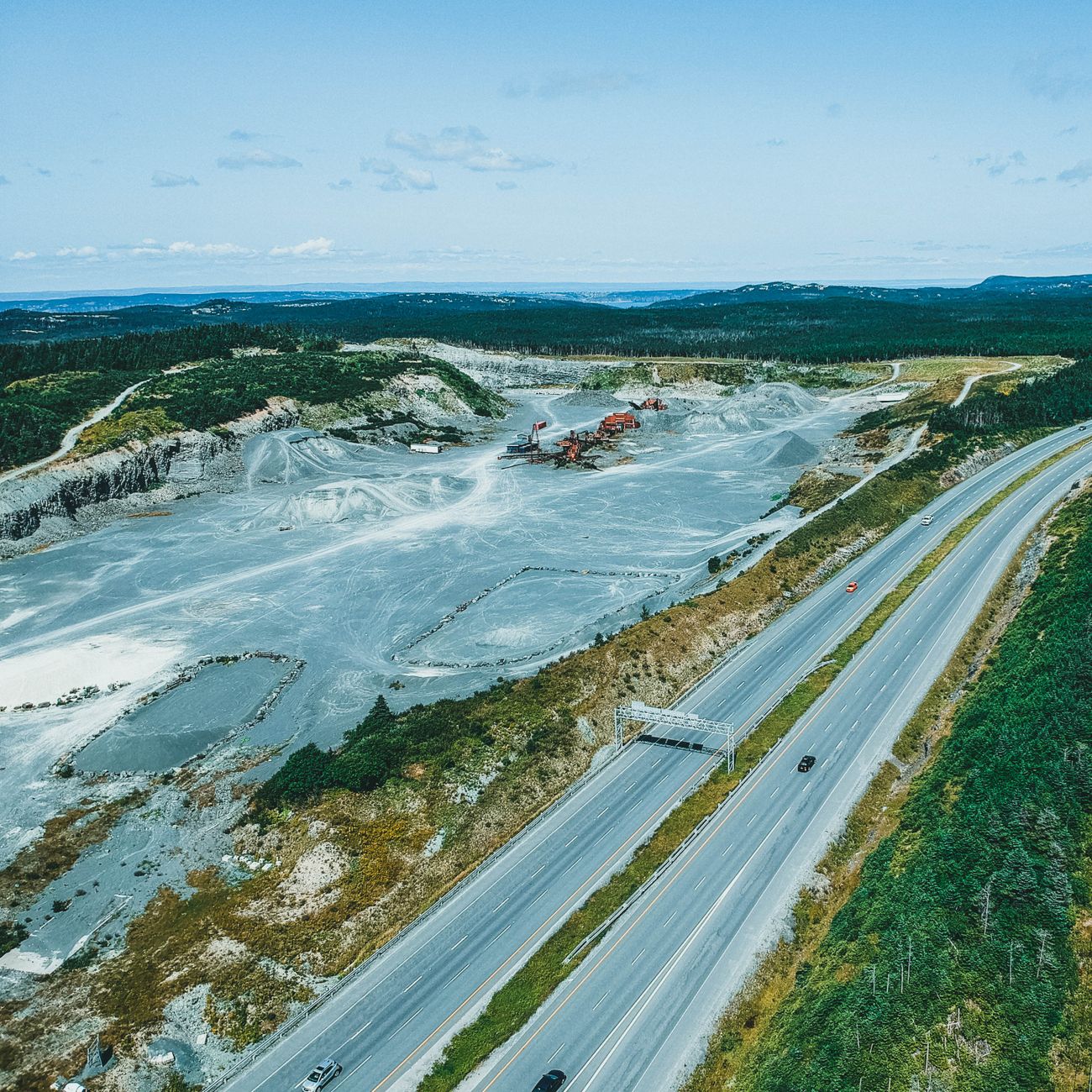
Geology is a crucial aspect of mining and mineral processing, as it provides the foundation for understanding the formation and distribution of mineral deposits. The study of geology in the context of mining and mineral processing involves the application of various principles and techniques to identify and extract mineral resources. One of the key concepts in geology is the rock cycle, which describes the dynamic process of rock formation, transformation, and destruction. The rock cycle involves the interaction of igneous, sedimentary, and metamorphic processes, which shape the Earth's crust and create mineral deposits.
Mineral deposits are concentrations of minerals that have economic value, such as ores of metals like copper, gold, and iron. The formation of mineral deposits is a complex process that involves the interaction of geological processes, such as magmatic activity, metamorphism, and weathering. Understanding the geological processes that control the formation of mineral deposits is essential for exploration and mining activities. For example, the formation of copper deposits is often associated with magmatic activity, where copper-rich magma rises to the surface and solidifies, forming copper-bearing ores.
The study of geology also involves the analysis of rock structures, such as folds, faults, and fractures, which provide valuable information about the tectonic history of an area. The interpretation of rock structures is critical for understanding the distribution and orientation of mineral deposits, as well as the geological risks associated with mining activities. For instance, the presence of faults and fractures can indicate areas of high permeability, where mineral-rich fluids can migrate and form economic deposits.
In addition to the study of rock structures, geologists also examine the petrographic characteristics of rocks, such as their mineralogy, texture, and composition. The analysis of rock samples involves the use of various techniques, such as optical microscopy, X-ray diffraction, and chemical analysis. These techniques provide valuable information about the geological history of an area, as well as the potential for mineralization. For example, the analysis of rock samples from a copper deposit may reveal the presence of chalcopyrite, a copper-rich mineral that is commonly associated with economic copper deposits.
The application of geology in mining and mineral processing also involves the use of geophysical methods, such as seismic surveying, electromagnetic surveying, and gravity surveying. These methods provide valuable information about the subsurface geology of an area, including the distribution of rock units, structures, and mineral deposits. For instance, seismic surveying can be used to image the subsurface geology of an area, revealing the presence of folds, faults, and other structures that may control the distribution of mineral deposits.
Mineral processing is another critical aspect of the mining industry, as it involves the separation and concentration of minerals from ores. The process of mineral processing typically involves a series of steps, including crushing, grinding, flotation, and leaching. Each of these steps requires a detailed understanding of the geological and mineralogical characteristics of the ore, as well as the physical and chemical properties of the minerals being processed. For example, the flotation process involves the use of surfactants to separate minerals based on their surface properties, while the leaching process involves the use of chemicals to dissolve minerals and separate them from the gangue.
The geological and mineralogical characteristics of an ore can significantly impact the efficiency and cost of mineral processing. For instance, the presence of clays or other fine-grained minerals can affect the settling and filtration properties of the ore, while the presence of sulfide minerals can affect the oxidation and leaching properties of the ore. Understanding these characteristics is critical for optimizing the mineral processing flow sheet and ensuring the economic viability of the mining operation.
In addition to the technical aspects of geology and mineral processing, the mining industry also faces a range of environmental and social challenges. The extraction and processing of minerals can have significant impacts on the environment, including the destruction of habitats, the pollution of air and water, and the displacement of communities. The mining industry must therefore adopt sustainable and responsible practices, such as rehabilitation and reclamation of mined lands, and engagement with local communities to minimize the impacts of mining activities.
The application of geology in mining and mineral processing also involves the use of geospatial technologies, such as GIS and remote sensing. These technologies provide valuable information about the geological and environmental characteristics of an area, including the distribution of rock units, structures, and mineral deposits. For instance, GIS can be used to create detailed maps of the geology and hydrology of an area, while remote sensing can be used to image the surface and subsurface geology of an area, revealing the presence of folds, faults, and other structures that may control the distribution of mineral deposits.
In terms of career opportunities, the field of geology and mineral processing offers a range of exciting and challenging roles, from exploration geologist to mining engineer, and from mineral processor to environmental scientist. These roles require a strong foundation in geology, mining, and mineral processing, as well as skills in areas such as communication, teamwork, and problem-solving. The demand for skilled professionals in the mining industry is high, and career opportunities are available in a range of settings, from government agencies to private companies, and from research institutions to consulting firms.
The study of geology and mineral processing also involves the application of various theories and models, such as plate tectonics and geochemical modeling. These theories and models provide a framework for understanding the geological and geochemical processes that control the formation and distribution of mineral deposits. For example, the theory of plate tectonics provides a framework for understanding the movement of plates and the resulting deformation of the Earth's crust, while geochemical modeling provides a framework for understanding the chemical and physical processes that control the formation of mineral deposits.
In terms of research and development, the field of geology and mineral processing is constantly evolving, with new technologies and methods being developed to improve the efficiency and sustainability of mining and mineral processing operations. For example, the development of new extraction technologies, such as in-situ leaching and biological oxidation, is providing new opportunities for the recovery of minerals from ores. Similarly, the development of new processing technologies, such as nanotechnology and biotechnology, is providing new opportunities for the separation and concentration of minerals from ores.
The application of geology in mining and mineral processing also involves the consideration of economic and social factors, such as the cost of production, the price of minerals, and the impact of mining activities on local communities. For example,! The implementation of rehabilitation and reclamation plans can help to restore mined lands to their original state, while the engagement with local communities can help to build trust and understanding between the mining industry and local residents.
In terms of education and training, the field of geology and mineral processing requires a strong foundation in science, mathematics, and engineering. Students who are interested in pursuing a career in geology and mineral processing should therefore take courses in areas such as geology, mining, mineral processing, and environmental science. They should also gain practical experience through internships and cooperative education programs, and stay up-to-date with the latest developments and advances in the field through continuing education and professional development.
The study of geology and mineral processing also involves the consideration of health and safety factors, such as the risks associated with mining and mineral processing activities, and the measures that can be taken to minimize these risks. The mining industry must therefore adopt safety and health protocols, such as hazard identification and risk assessment, and provide training and equipment to miners to minimize the risks associated with mining and mineral processing activities. For example, the implementation of safety and health protocols can help to reduce the number of accidents and injuries in the mining industry, while the provision of training and equipment can help to ensure that miners are aware of the risks associated with mining and mineral processing activities and are equipped to minimize these risks.
In terms of future prospects, the field of geology and mineral processing is expected to continue to evolve and grow, with new technologies and methods being developed to improve the efficiency and sustainability of mining and mineral processing operations. The demand for skilled professionals in the mining industry is expected to remain high, and career opportunities are expected to be available in a range of settings, from government agencies to private companies, and from research institutions to consulting firms. The study of geology and mineral processing is therefore an exciting and rewarding field that offers a range of challenging and fulfilling career opportunities for students who are interested in pursuing a career in this field.
Key takeaways
- The study of geology in the context of mining and mineral processing involves the application of various principles and techniques to identify and extract mineral resources.
- For example, the formation of copper deposits is often associated with magmatic activity, where copper-rich magma rises to the surface and solidifies, forming copper-bearing ores.
- The study of geology also involves the analysis of rock structures, such as folds, faults, and fractures, which provide valuable information about the tectonic history of an area.
- For example, the analysis of rock samples from a copper deposit may reveal the presence of chalcopyrite, a copper-rich mineral that is commonly associated with economic copper deposits.
- For instance, seismic surveying can be used to image the subsurface geology of an area, revealing the presence of folds, faults, and other structures that may control the distribution of mineral deposits.
- The process of mineral processing typically involves a series of steps, including crushing, grinding, flotation, and leaching.
- Understanding these characteristics is critical for optimizing the mineral processing flow sheet and ensuring the economic viability of the mining operation.