
Sports Injury Management
Sports injury management requires a precise understanding of the terminology that underpins assessment, treatment, and prevention strategies. The following glossary presents the essential terms used in a postgraduate setting, accompanied by…
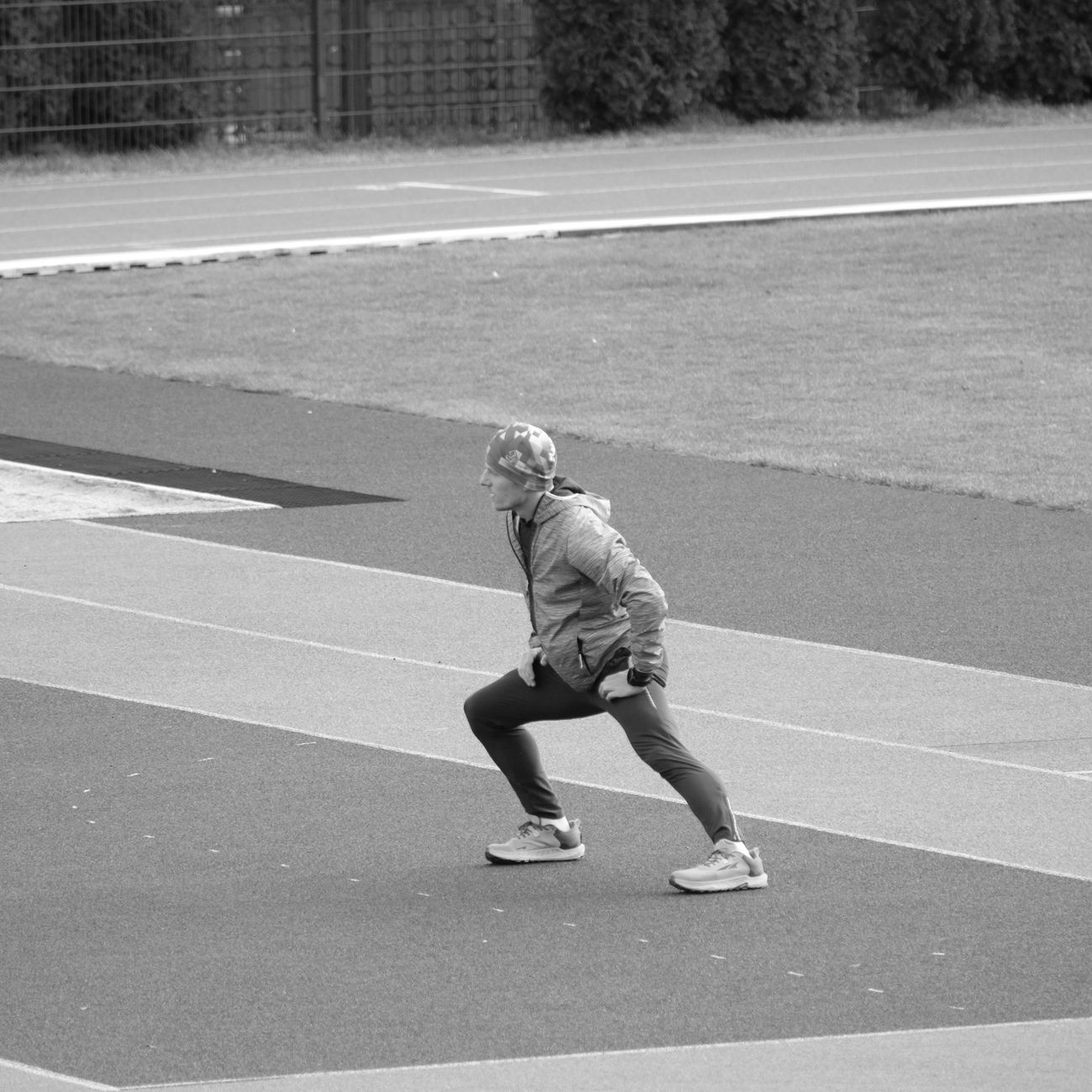
Sports injury management requires a precise understanding of the terminology that underpins assessment, treatment, and prevention strategies. The following glossary presents the essential terms used in a postgraduate setting, accompanied by examples, practical applications, and common challenges faced by technical leaders and sport psychologists. Each definition is written to be learner‑friendly, allowing immediate integration into practice or academic work.
Acute injury – A tissue damage that occurs suddenly as a result of a specific traumatic event, such as a sprained ankle from a sudden change of direction. The hallmark of an acute injury is the rapid onset of pain, swelling, and loss of function. In practice, an acute injury demands immediate assessment to determine severity, often using the mechanism of injury as a guide. A common challenge is differentiating between a minor strain and a more serious ligament tear, which may require imaging.
Chronic injury – Damage that develops over time due to repetitive stress, often without a single identifiable incident. Examples include tendinopathy in a tennis player’s elbow or stress fractures in a long‑distance runner. Management focuses on load modification and progressive rehabilitation. A key difficulty is that chronic injuries may be masked by the athlete’s high pain tolerance, leading to delayed diagnosis.
Overuse injury – A subset of chronic injuries caused by repetitive loading that exceeds the tissue’s capacity for repair. The concept of cumulative load is central; for instance, a swimmer who logs excessive yardage may develop shoulder impingement. Practical application involves monitoring training volume and intensity using tools such as session‑rating of perceived exertion (sRPE). The main challenge lies in balancing performance goals with adequate recovery.
Pathophysiology – The study of the functional changes that accompany injury at the cellular and tissue levels. Understanding pathophysiology informs treatment choices; for example, knowing that inflammation is mediated by prostaglandins justifies the early use of non‑steroidal anti‑inflammatory drugs (NSAIDs) when appropriate. The challenge for technical leaders is translating complex biological concepts into actionable coaching cues.
Inflammation – The body’s immediate response to tissue damage, characterized by heat, redness, swelling, pain, and loss of function. In the acute phase, inflammation serves to protect the injured area and initiate repair. Practical applications include applying ice to manage swelling and using compression to limit fluid accumulation. A common challenge is determining when inflammation is beneficial versus when it becomes detrimental, potentially delaying the transition to the proliferative phase.
Healing phases – The sequential stages through which injured tissue progresses: The inflammatory phase (0‑72 hours), the proliferative phase (3‑21 days), and the remodeling phase (up to 12 months). Each phase has distinct cellular activities and therapeutic goals. For example, during the proliferative phase, the focus shifts to gentle loading to promote collagen synthesis, whereas in remodeling, high‑intensity functional drills are introduced. A frequent challenge is aligning rehabilitation progression with the athlete’s competition schedule, ensuring that training load is increased at an appropriate rate.
RICE – An acronym for Rest, Ice, Compression, and Elevation, traditionally used in the immediate management of acute injuries. While still widely taught, recent literature suggests that early mobilization may be more beneficial for certain injuries. In practice, a sports therapist may combine RICE with gentle range‑of‑motion exercises to prevent joint stiffness. The challenge is educating athletes who are accustomed to strict immobilization protocols.
PRICE – An evolution of RICE that adds “Protection” as the first element, emphasizing the need to safeguard the injured area from further trauma. A practical scenario involves using a brace or taping during the early days of a sprained ankle to limit harmful movements while still allowing controlled motion. The difficulty often lies in selecting appropriate protective devices that do not overly restrict functional movement.
PEACE & PACE – More contemporary guidelines that replace “Ice” with “Education” (PEACE) and “Activity” with “Compression” (PACE). These frameworks encourage athletes to understand their injury, maintain psychological well‑being, and engage in safe activity. For instance, a psychologist may incorporate education about the healing timeline to reduce anxiety. Challenges include ensuring consistent communication across multidisciplinary teams.
Functional rehabilitation – A process that restores the athlete’s ability to perform sport‑specific tasks, integrating strength, flexibility, proprioception, and neuromuscular control. An example is progressing a basketball player from isolated quadriceps strengthening to jump‑landing drills that mimic game demands. The main challenge is designing progression criteria that are both evidence‑based and tailored to the individual’s sport.
Proprioception – The sense of joint position and movement, critical for balance and coordination. After an ankle sprain, proprioceptive training may involve wobble‑board exercises to re‑establish joint awareness. In practice, integrating technology such as force plates can provide objective feedback. The challenge is maintaining engagement, as proprioceptive drills can be perceived as monotonous.
Neuromuscular control – The ability of the nervous system to coordinate muscle activation patterns for movement stability and efficiency. Poor neuromuscular control is a risk factor for injuries such as ACL ruptures. Practical application includes plyometric training that emphasizes proper landing mechanics. A significant challenge is quantifying neuromuscular deficits without sophisticated equipment.
Biomechanics – The study of forces acting on the body and the resulting motions. Understanding biomechanics helps identify injury mechanisms; for example, excessive hip internal rotation during a squat may predispose a runner to patellofemoral pain. In practice, video analysis can be used to detect faulty technique. The difficulty often lies in translating biomechanical data into simple coaching cues.
Load management – The systematic planning of training volume, intensity, and frequency to optimize performance while minimizing injury risk. An example is using a “rolling average” of weekly training load to detect spikes that may precede injury. Challenges include aligning load management strategies with competition calendars and athlete expectations.
Periodization – The division of a training program into distinct phases (macro‑, meso‑, and micro‑cycles) to achieve peak performance at a predetermined time. Periodization influences injury risk; a well‑structured taper can reduce fatigue‑related injuries. Practical application may involve scheduling a deload week after a high‑intensity block. The main challenge is balancing periodization principles with the unpredictable nature of sport schedules.
Training load – The cumulative amount of stress placed on an athlete, quantified by metrics such as sRPE multiplied by duration, distance covered, or weight lifted. Accurate load monitoring allows early identification of overreaching. A real‑world example is using GPS data to track running volume in a soccer team. Challenges include data overload and ensuring that athletes accurately report perceived exertion.
Recovery modalities – Interventions aimed at accelerating the healing process, including cryotherapy, compression garments, active recovery, and sleep optimization. For a sprinter recovering from a hamstring strain, active recovery (light cycling) may promote circulation without re‑injuring the muscle. The challenge is selecting modalities that complement the athlete’s physiological needs and personal preferences.
Psychological readiness – The athlete’s confidence and mental state regarding return to play. Tools such as the Injury‑Psychological Readiness Scale (IPRS) can assess this construct. In practice, a psychologist may use visualization techniques to enhance confidence before an athlete returns to competition. A common challenge is reconciling objective clinical findings with the athlete’s subjective sense of readiness.
Return‑to‑play (RTP) protocol – A structured, criteria‑based pathway that guides the progression from injury rehabilitation to full competition. Typical criteria include pain‑free range of motion, strength ≥90 % of the contralateral limb, and sport‑specific functional tests. For example, a rugby player may need to complete a series of agility drills before clearance. Challenges include ensuring that all stakeholders adhere to the protocol and resisting pressure to expedite return.
Re‑injury risk – The likelihood of sustaining a subsequent injury to the same site, often heightened during the early phases of RTP. Strategies to mitigate risk include graduated exposure to sport‑specific loads and ongoing monitoring of pain and function. A practical example is using a “return‑to‑training” checklist that includes monitoring of soreness levels. The challenge is that athletes may underreport symptoms to appear ready.
Isometric training – Strengthening exercises performed without joint movement, which can be useful in early rehabilitation phases to maintain muscle activation while minimizing strain. For a patient with Achilles tendinopathy, isometric calf raises can be introduced before dynamic loading. Practical application requires careful progression to avoid excessive tension. A challenge is ensuring that isometric work does not replace more functional, dynamic training needed later.
Eccentric training – Exercises that emphasize lengthening muscle contractions, proven effective for conditions such as Achilles tendinopathy and patellar tendinopathy. The “Nordic hamstring” exercise is a classic example used to reduce hamstring strain incidence. In practice, integrating eccentric loading into the later stages of rehabilitation can improve tissue remodeling. The difficulty often lies in the delayed onset muscle soreness that can discourage athletes.
Dynamic stretching – Stretching performed with controlled movement, often used as part of a warm‑up to increase range of motion and prepare muscles for activity. A dynamic leg swing before a soccer match can improve hip mobility. While beneficial, over‑stretching immediately before high‑intensity activity may reduce power output, presenting a practical balance to achieve.
Static stretching – Holding a stretch for an extended period, typically 30–60 seconds. Used primarily in the cool‑down phase or during rehabilitation to improve flexibility. For example, a static hamstring stretch may be prescribed after a sprint session. The challenge is ensuring that static stretching does not replace more functional mobility work needed for sport performance.
Neuromuscular electrical stimulation (NMES) – The application of electrical currents to elicit muscle contractions, aiding in strength maintenance during periods of immobilization. NMES can be employed after knee surgery to prevent quadriceps atrophy. Practical considerations include electrode placement and patient tolerance. A major challenge is the limited evidence for long‑term functional gains compared with voluntary exercise.
Platelet‑rich plasma (PRP) – An autologous injection containing concentrated platelets, intended to promote tissue healing through growth factor release. PRP is sometimes used for chronic tendinopathies. The practical decision involves weighing cost, evidence, and athlete expectations. Challenges include inconsistent research outcomes and variable preparation protocols.
Regenerative medicine – A broad field encompassing therapies such as stem cell injections and PRP aimed at facilitating tissue repair. While promising, its application in sports injury management remains experimental. A practical example is the use of mesenchymal stem cells for cartilage lesions. Challenges include regulatory constraints, ethical considerations, and limited long‑term data.
Biomechanical assessment – The systematic evaluation of movement patterns using tools such as motion capture, force plates, and video analysis. For a pitcher with elbow pain, a biomechanical assessment may reveal excessive external rotation torque. In practice, findings guide corrective exercises and technique modifications. The challenge is interpreting complex data into simple, actionable recommendations for coaches and athletes.
Screening tools – Standardized questionnaires or tests used to identify athletes at risk of injury. The Functional Movement Screen (FMS) and the Landing Error Scoring System (LESS) are common examples. Practical use involves conducting screenings pre‑season and integrating results into individualized training plans. A challenge is the moderate predictive validity of many tools, requiring them to be part of a broader risk‑management strategy.
Risk factor – Any characteristic that increases the probability of injury, including intrinsic factors (e.G., Previous injury, age, gender) and extrinsic factors (e.G., Playing surface, equipment). Identifying risk factors enables targeted interventions. For instance, a history of hamstring strains may prompt a specific strengthening program. The difficulty lies in the multifactorial nature of most injuries, making it hard to isolate single contributors.
Load–capacity model – A conceptual framework that posits injury occurs when training load exceeds the athlete’s capacity to tolerate stress. This model emphasizes the importance of balancing load with recovery. In practice, coaches may adjust weekly load based on fatigue markers such as heart‑rate variability (HRV). The challenge is accurately measuring capacity, which can fluctuate due to non‑training stressors.
Fatigue monitoring – The systematic tracking of physiological and psychological signs of fatigue, using tools like HRV, mood questionnaires, and performance tests. Monitoring fatigue helps prevent overload injuries. For example, a sudden drop in HRV may signal the need for a recovery day. A challenge is ensuring athlete compliance with daily monitoring protocols.
Psychosocial stressors – External pressures such as academic workload, personal relationships, or financial concerns that can influence injury risk and recovery. Addressing psychosocial stressors may involve counseling or time‑management strategies. A practical scenario includes a university athlete balancing exams with training, leading to increased injury susceptibility. The challenge is integrating psychosocial support within a performance‑focused environment.
Sport‑specific conditioning – Training that replicates the physiological demands of a particular sport, enhancing readiness and reducing injury risk. For a rower, conditioning may include interval sessions on a rowing ergometer that mimic race pace. The challenge is ensuring that conditioning does not exacerbate existing injuries while still providing the necessary stimulus.
Movement variability – The natural variation in how an athlete performs a task; appropriate variability can protect against overuse injuries by distributing load across tissues. Training programs may incorporate varied drills to promote adaptability. A practical example is rotating between different sprint start techniques. The challenge is balancing variability with the need for technical consistency.
Orthopedic orthoses – Devices such as braces, splints, and taping that provide support, limit harmful motion, or offload stressed structures. A knee brace may be used during the rehabilitation of an ACL reconstruction to provide stability. Practical considerations include fitting, athlete comfort, and potential dependency. Challenges involve ensuring the orthosis does not hinder functional movement patterns.
Gait analysis – The assessment of walking and running biomechanics to identify abnormal patterns that may predispose to injury. A runner with excessive pronation may benefit from corrective footwear. In practice, gait analysis can be performed with a treadmill and motion capture system. The main challenge is translating findings into realistic footwear or exercise recommendations.
Load quantification – The process of assigning numerical values to training stress, often using internal (e.G., Heart rate, RPE) and external (e.G., Distance, weight) metrics. Accurate load quantification enables data‑driven decision making. A practical tool is the session‑RPE method, where load = RPE × duration. Challenges include variability in athlete perception of effort and differences in equipment calibration.
Functional testing – A series of sport‑related assessments used to gauge readiness for return to competition. Tests may include hop tests for lower‑limb injuries, the Yo‑Yo intermittent recovery test for endurance, or the closed kinetic chain upper extremity stability test for shoulder injuries. The challenge lies in establishing test‑retest reliability and ensuring the test battery reflects the specific demands of the athlete’s sport.
Rehabilitation timeline – The projected schedule of recovery phases, from initial assessment through return to competition. While timelines provide structure, they must remain flexible to accommodate individual healing rates. For example, a grade‑II hamstring strain may typically require 3–4 weeks, but setbacks can extend this period. The main challenge is managing stakeholder expectations when recovery deviates from the anticipated timeline.
Multidisciplinary team – The collective of professionals involved in injury management, including physicians, physiotherapists, sport psychologists, strength coaches, nutritionists, and medical imaging specialists. Effective communication within the team ensures cohesive care. A practical approach is regular case conferences where each member contributes expertise. Challenges include coordinating schedules and reconciling differing professional philosophies.
Evidence‑based practice (EBP) – The integration of the best available research, clinical expertise, and athlete values in decision making. In sports injury management, EBP may guide the selection of an eccentric loading protocol for patellar tendinopathy. The challenge is staying current with rapidly evolving literature while tailoring recommendations to the unique context of each athlete.
Clinical reasoning – The cognitive process by which clinicians interpret assessment data, formulate hypotheses, and plan interventions. For a physiotherapist, clinical reasoning involves linking observed gait deviations to underlying muscular deficits. A challenge is avoiding cognitive biases that may lead to premature conclusions or overlooking alternative diagnoses.
Injury surveillance – Systematic collection, analysis, and interpretation of injury data to inform prevention strategies. Commonly used in elite sport settings, surveillance may track incidence rates per 1,000 hours of exposure. Practical application includes using software platforms to log injuries and generate reports. Challenges involve ensuring consistent data entry and maintaining confidentiality.
Load–injury relationship – The correlation between training load patterns and injury occurrence, often visualized using a “U‑shaped” curve where both under‑training and over‑training increase risk. Understanding this relationship helps coaches design balanced programs. A challenge is that individual variability can blur the curve, requiring personalized monitoring.
Psychological interventions – Techniques such as goal setting, imagery, relaxation training, and cognitive restructuring used to support injury recovery. For example, guided imagery can help a cyclist maintain motivation during a period of reduced training. The challenge is integrating these interventions seamlessly into the rehabilitation schedule without overloading the athlete.
Motivation – The internal drive that influences an athlete’s engagement in rehabilitation. Maintaining motivation is crucial, especially during prolonged recovery phases. Strategies include setting short‑term, achievable goals and providing regular feedback. A practical challenge is preventing motivation loss when progress plateaus.
Self‑efficacy – The belief in one’s ability to execute behaviors necessary to achieve desired outcomes. High self‑efficacy correlates with better adherence to rehab programs. Clinicians can enhance self‑efficacy by highlighting past successes and providing mastery experiences. Challenges arise when athletes experience setbacks that undermine confidence.
Adherence – The extent to which an athlete follows prescribed rehabilitation protocols. Monitoring adherence may involve exercise logs or digital platforms that track completed sessions. Practical measures to improve adherence include simplifying programs and aligning them with the athlete’s schedule. The main challenge is addressing barriers such as lack of time, perceived monotony, or competing priorities.
Load tolerance – The capacity of an athlete’s musculoskeletal system to withstand training stresses without injury. Load tolerance can be increased through progressive overload and appropriate recovery. For a weightlifter, systematic increments in load while monitoring technique improve tolerance. A challenge is distinguishing between a normal adaptation and the early signs of overload.
Compensatory movement patterns – Altered biomechanics that develop when an athlete protects an injured area, potentially leading to secondary injuries. For instance, a runner with a painful knee may increase hip adduction, placing stress on the iliotibial band. Identifying these patterns through assessment enables targeted corrective exercises. The challenge is that compensations may become entrenched, requiring extensive retraining.
Rehabilitation exercise hierarchy – A structured progression from basic to complex exercises, often organized by the demands placed on the neuromuscular system. An example hierarchy may start with isometric holds, progress to isotonic movements, then to plyometrics, and finally to sport‑specific drills. The challenge is ensuring each step is mastered before advancing, particularly under time pressure.
Load monitoring technology – Devices such as GPS units, accelerometers, and wearable heart‑rate monitors that provide real‑time data on external and internal loads. Integration of this technology allows coaches to adjust training on the fly. Practical challenges include data reliability, device comfort, and the need for expertise in data interpretation.
Recovery‑stress balance – The equilibrium between the physical stress imposed by training and the recovery processes that restore homeostasis. Maintaining this balance reduces the likelihood of overuse injuries. A practical tool is the “stress‑recovery” questionnaire, which tracks sleep quality, mood, and perceived fatigue. The challenge is that external life stressors can tip the balance without obvious training signs.
Periodized rehabilitation – Applying periodization principles to the rehab process, structuring phases to align with tissue healing and functional goals. For example, a three‑phase plan may consist of acute (pain control), intermediate (strength and proprioception), and advanced (sport‑specific conditioning). The challenge is synchronizing rehabilitation phases with the athlete’s competition calendar.
Load spikes – Sudden increases in training load that exceed the athlete’s adaptive capacity, often linked to higher injury risk. Detecting spikes may involve weekly load comparisons, with a >10 % increase flagged for review. Practical application includes adjusting the upcoming week’s plan to mitigate the spike. A challenge is that competitive demands sometimes necessitate unavoidable spikes, requiring careful risk assessment.
Training monotony – The lack of variation in training stimulus, which can contribute to mental fatigue and injury risk. Reducing monotony may involve alternating intensity, incorporating cross‑training, and varying movement patterns. A challenge is maintaining specificity while introducing enough variability to keep athletes engaged.
Load‑tolerance testing – Assessments designed to determine the maximum load an athlete can safely handle before performance declines. Tests may include repeated sprint ability or submaximal endurance runs with progressive intensity. In practice, results inform individualized load prescriptions. The challenge is ensuring test protocols are safe and do not provoke injury.
Recovery‑oriented coaching – Coaching approaches that prioritize rest, nutrition, sleep, and psychological well‑being alongside performance training. For example, a coach may schedule “active recovery” sessions that focus on mobility and low‑intensity aerobic work. The challenge is changing entrenched cultural norms that glorify training volume over recovery.
Psychological safety – The perception that one can express concerns, admit pain, or request modifications without fear of judgment. Creating psychological safety encourages athletes to report early symptoms, facilitating timely intervention. Practical steps include open communication policies and regular check‑ins. A challenge is overcoming stigma that may exist in high‑performance environments.
Sport psychology integration – The systematic inclusion of mental skills training within injury prevention and rehabilitation programs. For instance, integrating goal‑setting workshops into a physiotherapy schedule can enhance adherence. The challenge is coordinating schedules and ensuring that mental skills are contextualized within the physical rehabilitation plan.
Load‑adjustment algorithms – Computational models that recommend training modifications based on real‑time data inputs such as HRV, sRPE, and external load metrics. An example is a spreadsheet that reduces training load by 20 % when HRV drops below a certain threshold. Practical challenges include ensuring the algorithm accounts for individual variability and does not produce overly conservative or aggressive recommendations.
Individualization – Tailoring injury management strategies to the unique characteristics of each athlete, including genetics, injury history, psychological profile, and sport demands. A personalized plan might combine eccentric calf work for a runner with specific psychosocial counseling for a student‑athlete balancing academics. The challenge is the time and resources required to develop truly individualized programs.
Preventive screening – Routine evaluation of athletes to identify modifiable risk factors before injuries occur. This may involve flexibility tests, strength assessments, and questionnaires about sleep habits. In practice, preventive screening is scheduled at the start of each season and repeated mid‑season. A challenge is ensuring that screening results lead to actionable interventions rather than simply collecting data.
Load‑response relationship – The concept that an athlete’s physiological response (e.G., Fatigue, soreness) is directly related to the magnitude and type of load imposed. Understanding this relationship helps fine‑tune training prescriptions. For example, a high‑intensity interval session may produce greater perceived exertion than a continuous moderate‑intensity run of equal duration. The challenge is capturing accurate response data in a consistent manner.
Rehabilitation compliance – The degree to which an athlete follows the prescribed rehab exercises, frequency, and progression. Compliance can be enhanced through technology such as mobile apps that send reminders and track completed sessions. A practical issue is that high compliance does not always guarantee optimal outcomes if the program itself is not evidence‑based. The challenge is balancing compliance monitoring with athlete autonomy.
Functional movement screening (FMS) – A series of seven movement tests designed to assess mobility and stability, providing a score that may predict injury risk. In a collegiate soccer program, athletes scoring below 14 may receive targeted mobility work. Challenges include the moderate predictive value of the score and the need for skilled evaluators to maintain consistency.
Load‑recovery ratio – A metric that compares training load to recovery capacity, often expressed as a simple index. A higher ratio indicates greater stress relative to recovery, flagging potential overload. Coaches can use the ratio to schedule rest days strategically. The challenge is establishing normative values for different sports and individual athletes.
Psychological profiling – The assessment of mental traits such as resilience, coping style, and anxiety levels, which can influence injury susceptibility and recovery. Tools like the Sport Anxiety Scale may be administered pre‑season. Practical application includes using profile results to tailor mental‑skill interventions. A challenge is ensuring confidentiality and ethical handling of sensitive data.
Load progression models – Structured frameworks that dictate how training load should increase over time, often using linear, undulating, or stepwise patterns. An undulating model may alternate high‑intensity and low‑intensity weeks to promote adaptation while reducing monotony. The challenge is selecting a model that aligns with the sport’s competitive rhythm and the athlete’s individual response.
Rehabilitation milestones – Specific, measurable goals that mark progress within the rehab process, such as achieving 90 % quadriceps strength or completing a single‑leg hop without pain. Milestones provide clear targets for both the athlete and the practitioner. Challenges include setting realistic milestones that motivate without causing undue pressure.
Load‑capacity mismatch – Situations where the training demand exceeds the athlete’s physiological or psychological capacity, often leading to injury. Recognizing mismatch early may involve monitoring fatigue indicators and adjusting load accordingly. A practical example is reducing volume after a period of high academic stress. The challenge is accurately gauging capacity, which can fluctuate daily.
Psychomotor fatigue – A decline in the integration of cognitive and motor processes, which can impair decision‑making and coordination during sport. Symptoms may manifest as slower reaction times or reduced technical precision. In rehabilitation, psychomotor fatigue can be addressed through cognitive drills combined with physical tasks. The challenge is differentiating it from pure physical fatigue.
Recovery kinetics – The rate at which physiological systems restore homeostasis after exertion, often measured through biomarkers such as creatine kinase, cortisol, or HRV. Understanding recovery kinetics assists in scheduling subsequent training sessions. For example, elevated creatine kinase may suggest the need for an additional rest day. The challenge is that biomarkers can be influenced by factors unrelated to training, such as illness or nutrition.
Load distribution – The allocation of training stress across different bodily systems (e.G., Cardiovascular, musculoskeletal) and time periods. Balanced load distribution helps prevent localized overuse injuries. A practical approach is alternating high‑impact sessions with low‑impact cross‑training. Challenges include ensuring that load redistribution does not compromise sport‑specific preparedness.
Psychological debrief – Structured conversations after injury or competition that explore emotions, thoughts, and coping strategies. Debriefs can aid in processing setbacks and fostering resilience. In practice, a sport psychologist may conduct a debrief after a player returns from a concussion. The challenge is creating a safe environment where athletes feel comfortable sharing vulnerable experiences.
Biomechanical overload – Excessive mechanical stress placed on tissues due to faulty technique or repetitive high‑force actions. Overload can be identified through motion analysis showing, for instance, excessive knee valgus during a squat. Practical interventions involve technique correction and strengthening of stabilizing musculature. The challenge is that athletes may resist changes that feel counterintuitive to their established movement patterns.
Recovery periodization – The deliberate planning of recovery phases within a training macro‑cycle, mirroring the structure used for performance training. Recovery periodization may schedule “active recovery” blocks after intensive competition phases. A challenge is integrating recovery blocks without disrupting performance peaks.
Psychological readiness assessment – Tools that evaluate mental preparedness for return to sport, often incorporating confidence scales and fear‑avoidance questionnaires. The assessments guide clinicians in deciding whether an athlete is mentally prepared for full competition. A practical difficulty is reconciling a high physical readiness score with low psychological readiness, requiring interdisciplinary collaboration.
Load‑induced adaptation – Positive physiological changes that occur when training load is appropriately applied, such as increased tendon stiffness or improved neuromuscular efficiency. Recognizing adaptation signals that the current load is beneficial. For instance, a gradual increase in sprint speed may indicate successful load‑induced adaptation. The challenge is distinguishing adaptation from early signs of maladaptation.
Rehabilitation fidelity – The degree to which the delivered rehab program matches the intended protocol, ensuring consistency and effectiveness. Fidelity can be monitored through session checklists and therapist self‑audit. In practice, high fidelity reduces variability in outcomes across athletes. Challenges include therapist turnover and differing interpretations of protocol details.
Psychological coping strategies – Techniques used by athletes to manage stress, pain, and uncertainty during injury recovery. Common strategies include relaxation breathing, positive self‑talk, and problem‑solving. A practical approach is teaching an injured swimmer diaphragmatic breathing to reduce anxiety during immobilization periods. The challenge is that coping strategies may be underutilized if not reinforced regularly.
Load‑recovery monitoring system – Integrated platforms that combine training load data, recovery metrics, and injury reports to provide a comprehensive view of athlete health. Examples include cloud‑based dashboards accessible to coaches, therapists, and sports psychologists. Implementing such systems can streamline communication. A major challenge is ensuring data integrity and protecting athlete privacy.
Rehabilitation progression criteria – Objective benchmarks that must be met before advancing to the next stage of rehab, such as achieving a specific range of motion, pain‑free functional test, or strength threshold. Clear criteria reduce subjective decision‑making and promote safety. A challenge is that criteria may need adjustment for individual variability, requiring continual reassessment.
Psychological resilience training – Programs designed to strengthen mental toughness, enabling athletes to better cope with setbacks, including injuries. Techniques may include adversity simulations, reflective journaling, and resilience workshops. In practice, resilience training can be incorporated during preseason camps. The challenge lies in measuring resilience gains and translating them into concrete performance improvements.
Load monitoring compliance – The extent to which athletes consistently record and report their training data. High compliance ensures reliable data for decision making. Strategies to improve compliance include simplifying reporting tools and providing immediate feedback. A challenge is that athletes may under‑report load to appear “hard‑working,” compromising data accuracy.
Rehabilitation environment – The physical and psychosocial setting in which rehab occurs, influencing motivation and recovery. A well‑equipped clinic with supportive staff can enhance outcomes, while a noisy, overcrowded space may hinder progress. Practical steps include creating a calm, private area for therapy and ensuring equipment is readily available. Challenges involve resource constraints and maintaining a consistent environment across multiple locations.
Load‑sensitivity analysis – Statistical techniques used to determine which load variables most strongly predict injury risk within a specific cohort. This analysis can inform targeted monitoring priorities. For example, a team may discover that cumulative sprint distance, rather than total training hours, predicts hamstring strains. Challenges include the need for large datasets and expertise in advanced analytics.
Psychological intervention timing – Determining the optimal point in the injury timeline to introduce mental‑skill training. Early intervention may prevent maladaptive thoughts, while later stages may focus on confidence rebuilding. Practical application involves scheduling a brief counseling session within the first week of injury and follow‑up sessions as rehab progresses. The challenge is aligning intervention timing with the athlete’s readiness and medical clearance.
Load variation – The intentional manipulation of training variables (intensity, volume, frequency) to avoid repetitive stress and promote adaptation. Variation can be achieved through alternating training modalities, such as cycling versus running for endurance athletes. The challenge is ensuring variation does not dilute sport‑specific conditioning.
Psychological contract – The unspoken agreement between athlete and support staff regarding expectations, responsibilities, and support. Clear communication about injury management expectations can strengthen the contract and improve adherence. Practical steps include outlining roles during the rehab process. Challenges arise when expectations shift due to unforeseen circumstances, requiring renegotiation.
Rehabilitation load progression – The systematic increase of stress placed on the injured tissue during rehab, guided by the healing timeline and functional goals. For a rotator‑cuff repair, progression may start with passive range of motion, advance to active assisted exercises, then to resistance training. The challenge is balancing sufficient loading to stimulate healing without provoking re‑injury.
Psychosocial support network – The collection of individuals (family, teammates, coaches, mental‑health professionals) who provide emotional and practical assistance during injury recovery. A strong support network can accelerate healing and improve mental health. Practical application includes involving teammates in low‑intensity drills to foster inclusion. Challenges include ensuring the network provides consistent, evidence‑based advice.
Load prescription – The deliberate design of training stress based on athlete data, goals, and injury status. A load prescription may specify target HR zones, RPE targets, and volume limits for a given week. The challenge is adapting the prescription when unexpected events (travel, illness) disrupt the planned schedule.
Rehabilitation outcome measures – Quantitative and qualitative tools used to assess the effectiveness of an injury management program. Measures may include the Lower Extremity Functional Scale, pain visual analog scales, and return‑to‑play timelines. In practice, outcome measures guide program adjustments. A challenge is selecting measures that are both sensitive to change and relevant to the sport.
Psychological stress monitoring – Ongoing assessment of mental stressors using tools such as the Perceived Stress Scale or daily mood diaries. Monitoring helps identify periods of heightened stress that may increase injury risk. A practical approach is integrating brief stress questionnaires into the athlete’s daily routine. Challenges include ensuring honest reporting and interpreting fluctuating scores.
Load sequencing – The order in which different training stimuli are presented within a session or across sessions, influencing adaptation and fatigue. For example, placing high‑intensity sprint work before strength training may compromise technique. Effective sequencing aligns with the principle of “most important task first.” The challenge is reconciling competing priorities within limited training time.
Rehabilitation communication plan – A structured approach to sharing information among the multidisciplinary team, athlete, and support staff. The plan outlines who communicates what, when, and through which channels (e.G., Weekly email updates, shared digital notes). Practical benefits include reduced miscommunication and clearer expectations. Challenges involve coordinating across different professional cultures and schedules.
Load‑induced fatigue – The temporary reduction in performance capacity resulting from training stress, which can increase injury susceptibility if not managed. Fatigue may manifest as slower sprint times or reduced grip strength. Monitoring fatigue through performance tests and subjective scales assists in adjusting load. The challenge is differentiating normal training fatigue from maladaptive fatigue.
Psychological readiness threshold – A predefined level of mental confidence or low fear that must be reached before an athlete is cleared for competition. Thresholds may be set using a confidence scale (e.G., ≥8/10). In practice, this threshold is reviewed alongside physical criteria. Challenges include individual variability in self‑reporting and the influence of external pressures.
Load‑response feedback loop – The continuous cycle of applying training load, measuring response, and adjusting subsequent load accordingly. This feedback loop is central to adaptive training models. Practical implementation may involve weekly data reviews and load modifications. The challenge is ensuring timely data processing so that adjustments are made before maladaptation occurs.
Rehabilitation pacing – The strategic regulation of training intensity and volume to avoid premature spikes in load. Pacing may involve “micro‑periodization,” where daily variations are planned to keep stress within acceptable limits. The challenge lies in maintaining athlete motivation while intentionally restricting high‑intensity work.
Psychological skill acquisition – The process of learning and integrating mental techniques into the athlete’s routine, such as goal‑setting, imagery, and self‑regulation. Skill acquisition may be facilitated through workshops and one‑on‑one coaching. A challenge is ensuring transfer of skills from the training environment to competition contexts.
Key takeaways
- The following glossary presents the essential terms used in a postgraduate setting, accompanied by examples, practical applications, and common challenges faced by technical leaders and sport psychologists.
- Acute injury – A tissue damage that occurs suddenly as a result of a specific traumatic event, such as a sprained ankle from a sudden change of direction.
- Chronic injury – Damage that develops over time due to repetitive stress, often without a single identifiable incident.
- Practical application involves monitoring training volume and intensity using tools such as session‑rating of perceived exertion (sRPE).
- Understanding pathophysiology informs treatment choices; for example, knowing that inflammation is mediated by prostaglandins justifies the early use of non‑steroidal anti‑inflammatory drugs (NSAIDs) when appropriate.
- A common challenge is determining when inflammation is beneficial versus when it becomes detrimental, potentially delaying the transition to the proliferative phase.
- Healing phases – The sequential stages through which injured tissue progresses: The inflammatory phase (0‑72 hours), the proliferative phase (3‑21 days), and the remodeling phase (up to 12 months).