
Geotechnical Engineering
Geotechnical engineering is a branch of civil engineering that deals with the behavior of earth materials, such as soil and rock, and their application to engineering problems. It involves the study of the mechanical properties of these mat…
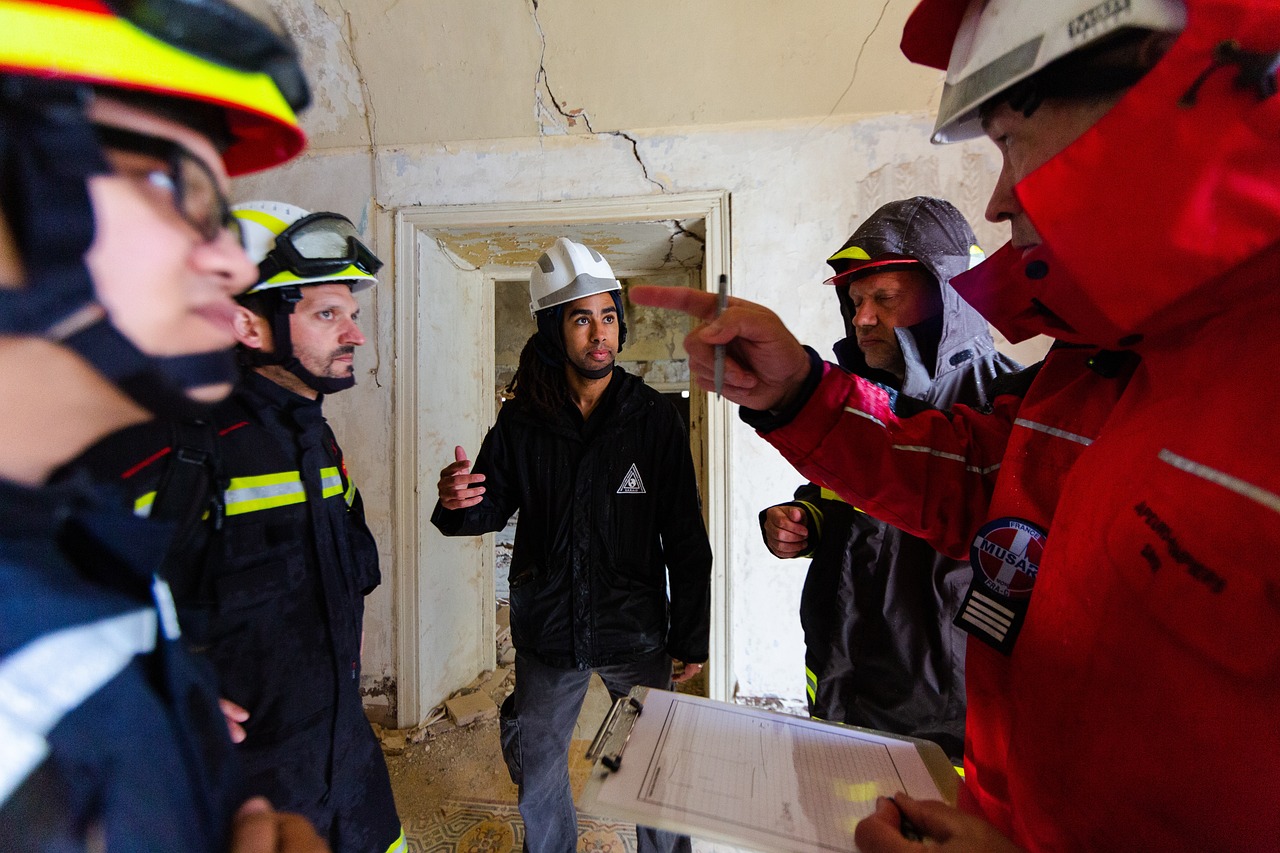
Geotechnical engineering is a branch of civil engineering that deals with the behavior of earth materials, such as soil and rock, and their application to engineering problems. It involves the study of the mechanical properties of these materials, including their strength, stiffness, and permeability, in order to design and construct safe and efficient structures. Geotechnical engineers use a combination of theoretical and practical knowledge to analyze and solve problems related to the behavior of earth materials.
One of the key concepts in geotechnical engineering is the idea of soil classification, which involves categorizing soils based on their particle size distribution, plasticity, and other properties. This classification is important because it helps engineers to predict the behavior of the soil under different loading conditions and to design structures that are compatible with the soil's properties. For example, a soil that is classified as a clay may have a high plasticity index, which means that it can undergo significant deformation under load without failing.
Another important concept in geotechnical engineering is the idea of effective stress, which refers to the stress that is transmitted through the soil skeleton, excluding the pore water pressure. The effective stress is important because it controls the strength and stiffness of the soil, and it is used to calculate the settlement and stability of structures. For example, a foundation that is designed to transmit a certain amount of load to the soil may experience settlement or failure if the effective stress in the soil is not sufficient to support the load.
Geotechnical engineers also use a variety of laboratory tests and field tests to determine the properties of earth materials. These tests may include triaxial tests, unconfined compression tests, and standard penetration tests, among others. The results of these tests are used to calculate the shear strength and deformation properties of the soil, which are then used to design structures such as foundations, tunnels, and retaining walls.
In addition to the properties of earth materials, geotechnical engineers must also consider the geological and hydrological conditions of the site. This may include the groundwater level, the soil stratigraphy, and the tectonic history of the area. For example, a site that is located in an area with a high water table may require special drainage measures to prevent erosion or instability of the soil.
Geotechnical engineers use a variety of analytical methods and numerical models to analyze and design structures. These methods may include the finite element method, the boundary element method, and the discrete element method, among others. The results of these analyses are used to calculate the stress and deformation of the soil and the structure, and to evaluate the safety and efficiency of the design.
One of the challenges of geotechnical engineering is the uncertainty and variability of earth materials. Soils and rocks can exhibit a wide range of properties, and their behavior can be difficult to predict. Geotechnical engineers must use probabilistic methods and sensitivity analyses to account for this uncertainty and to design structures that are robust and reliable.
Geotechnical engineers also play a critical role in the design and construction of infrastructure projects, such as highways, bridges, and tunnels. They work closely with other engineers and contractors to ensure that the geotechnical aspects of the project are properly addressed, and that the structure is safe and durable.
In recent years, geotechnical engineering has become increasingly important in the design and construction of sustainable and resilient infrastructure. Geotechnical engineers are working to develop new materials and technologies that can help to reduce the environmental impact of construction projects, and to improve the resilience of structures to natural hazards such as earthquakes and floods.
The application of geotechnical engineering principles can be seen in a wide range of practical examples. For instance, the design of a foundation for a high-rise building requires a thorough understanding of the soil properties and the loading conditions that the foundation will be subjected to. The geotechnical engineer must use theoretical and practical knowledge to analyze the stress and deformation of the soil, and to design a foundation that is safe and efficient.
Another example is the design of a tunnel through a mountainous region. The geotechnical engineer must consider the geological and hydrological conditions of the site, including the rock type and the groundwater level. The engineer must also use analytical methods and numerical models to analyze the stress and deformation of the rock, and to evaluate the safety and efficiency of the design.
In addition to these examples, geotechnical engineers are also involved in the design and construction of landfills and waste disposal facilities. The geotechnical engineer must consider the environmental impact of the facility, including the leachate and gas generation potential of the waste. The engineer must also use theoretical and practical knowledge to design a facility that is safe and efficient, and that meets the regulatory requirements for waste disposal.
The education and training of geotechnical engineers typically involves a combination of theoretical and practical coursework, as well as hands-on experience in the field. Geotechnical engineers must have a strong foundation in mathematics and physics, as well as a thorough understanding of the principles of geotechnical engineering. They must also be familiar with the latest technologies and methods used in the field, including computer simulations and geospatial analysis.
The professional development of geotechnical engineers is also important, as it allows them to stay up-to-date with the latest advancements in the field and to network with other professionals. Geotechnical engineers can participate in conferences and workshops, as well as online courses and webinars, to continue their education and training. They can also join professional organizations, such as the International Society for Soil Mechanics and Geotechnical Engineering, to stay connected with other geotechnical engineers and to participate in industry events.
In terms of career opportunities, geotechnical engineers can work in a variety of industries, including consulting engineering, construction, and government. They can also work in academia and research, where they can contribute to the development of new theories and methods in geotechnical engineering. Geotechnical engineers can also work in environmental engineering and geoenvironmental engineering, where they can apply their knowledge of geotechnical engineering to environmental problems such as land pollution and water pollution.
The future of geotechnical engineering is likely to involve the development of new technologies and methods for analyzing and designing structures. For example, the use of artificial intelligence and machine learning is becoming increasingly popular in geotechnical engineering, as it allows for the automation of data analysis and the optimization of designs. The use of geospatial technologies, such as GIS and remote sensing, is also becoming more common, as it allows for the collection and analysis of large amounts of data about the earth and its systems.
In addition to these technological advancements, the future of geotechnical engineering is also likely to involve a greater emphasis on sustainability and resilience. Geotechnical engineers will need to design structures that are not only safe and efficient, but also environmentally friendly and resilient to natural hazards. This will require the development of new materials and technologies, as well as a greater understanding of the complex interactions between the built environment and the natural environment.
Overall, geotechnical engineering is a complex and multidisciplinary field that requires a thorough understanding of the behavior of earth materials and the principles of geotechnical engineering. Geotechnical engineers play a critical role in the design and construction of infrastructure projects, and their work has a significant impact on the safety and welfare of society. As the field continues to evolve and advance, geotechnical engineers will need to stay up-to-date with the latest developments and technologies, and to continue to push the boundaries of what is possible in the field.
Key takeaways
- It involves the study of the mechanical properties of these materials, including their strength, stiffness, and permeability, in order to design and construct safe and efficient structures.
- One of the key concepts in geotechnical engineering is the idea of soil classification, which involves categorizing soils based on their particle size distribution, plasticity, and other properties.
- For example, a foundation that is designed to transmit a certain amount of load to the soil may experience settlement or failure if the effective stress in the soil is not sufficient to support the load.
- The results of these tests are used to calculate the shear strength and deformation properties of the soil, which are then used to design structures such as foundations, tunnels, and retaining walls.
- For example, a site that is located in an area with a high water table may require special drainage measures to prevent erosion or instability of the soil.
- The results of these analyses are used to calculate the stress and deformation of the soil and the structure, and to evaluate the safety and efficiency of the design.
- Geotechnical engineers must use probabilistic methods and sensitivity analyses to account for this uncertainty and to design structures that are robust and reliable.