
Strategic Defense Planning
Strategic Defense Planning is the systematic process by which a nation determines how to allocate its military and security resources to achieve long‑term national security objectives. It integrates political guidance, threat analysis, capa…
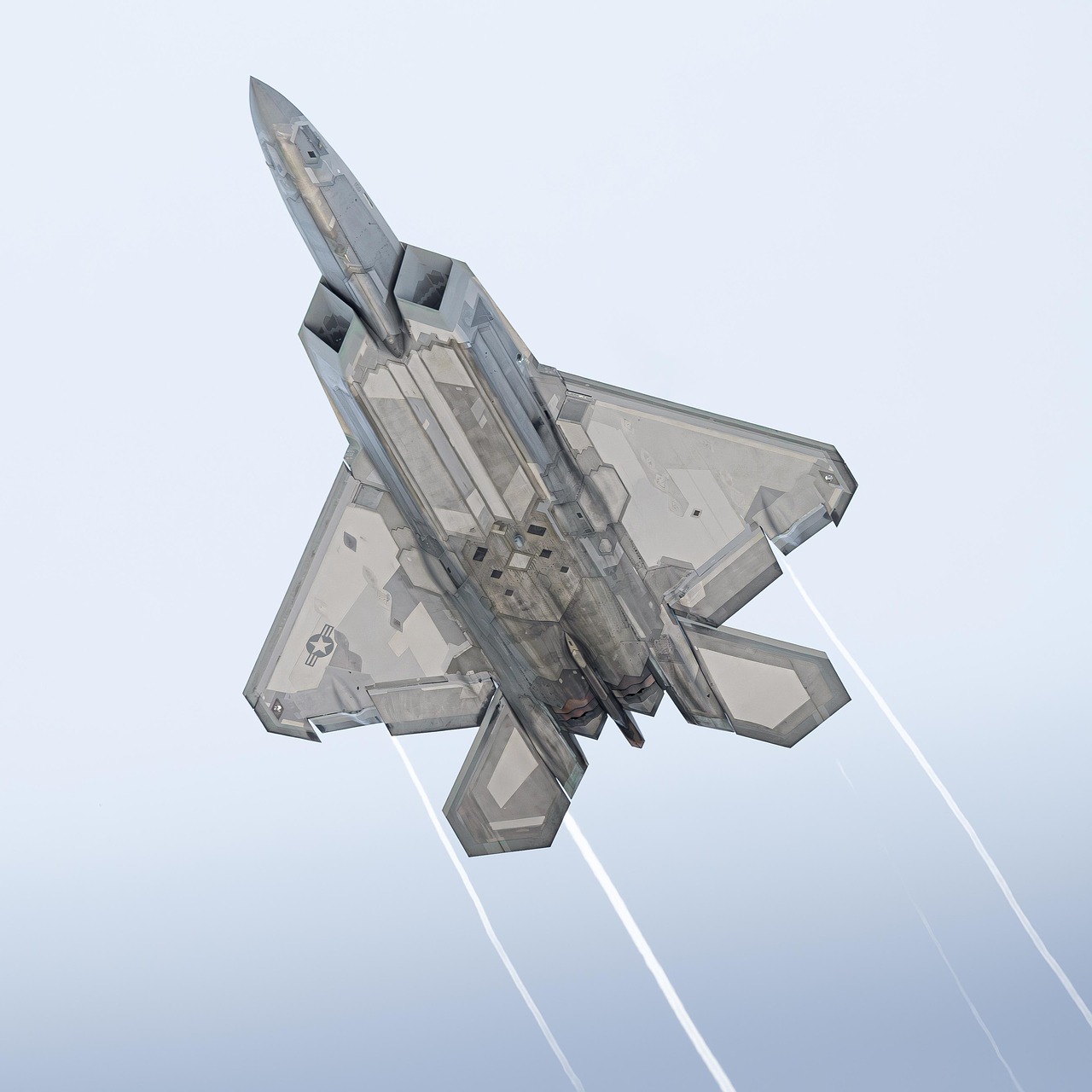
Strategic Defense Planning is the systematic process by which a nation determines how to allocate its military and security resources to achieve long‑term national security objectives. It integrates political guidance, threat analysis, capability development, and budgeting to produce a coherent roadmap that guides force structure, acquisition, and operational concepts. The following key terms and vocabulary form the foundation of this discipline and are essential for students of the Certificate in Military and Defense Project Management.
Threat Assessment – The analytical activity that identifies and evaluates potential adversaries, their intentions, capabilities, and the likelihood of hostile actions. Threat assessment draws on intelligence, open‑source data, and strategic forecasts. For example, a threat assessment might examine the emergence of hypersonic missile technology in a rival state, estimating its impact on existing air‑defense systems. Challenges include dealing with incomplete information, bias in source material, and rapidly changing threat environments.
Capability Gap – The difference between the capabilities a force currently possesses and those required to meet identified threats and missions. Identifying capability gaps is a prerequisite for prioritizing investment. A practical application is the identification of a gap in electronic warfare (EW) capabilities after a review reveals that adversary radars have become more resilient to existing jamming techniques. Addressing the gap may involve procuring new EW platforms or upgrading existing ones.
Force Structure – The organization of military units, formations, and support elements that collectively provide the nation’s war‑fighting capacity. Force structure decisions determine the mix of combat, support, and sustainment units. For instance, a decision to increase the number of amphibious brigades reflects a strategic intent to enhance littoral expeditionary capability. The challenge lies in balancing competing demands for mobility, firepower, and logistical support within limited budgetary constraints.
Doctrine – The set of fundamental principles that guide the employment of armed forces in support of national objectives. Doctrine provides the conceptual framework for planning, training, and execution. An example is the adoption of a “Joint All‑Domain Operations” doctrine that integrates land, sea, air, space, and cyber elements. Translating doctrine into practice can be hindered by inter‑service rivalry and differing doctrinal cultures.
Operational Art – The level of thinking that links tactical actions to strategic objectives, focusing on the design, sequencing, and execution of campaigns. Operational art requires the ability to orchestrate multiple lines of effort and synchronize resources. A case study might involve the planning of a multi‑theater operation that combines air strikes, cyber attacks, and ground maneuver to degrade an adversary’s command and control. The principal challenge is maintaining cohesion across disparate domains while managing limited time and information.
Risk Management – The systematic process of identifying, assessing, and mitigating risks that could impede mission success. In defense planning, risk management addresses both operational risks (e.G., Mission failure) and programmatic risks (e.G., Cost overruns). An example is the use of risk matrices to evaluate the probability and impact of supply‑chain disruptions for critical spare parts. Challenges include quantifying intangible risks such as political volatility and ensuring that risk mitigation does not stifle innovation.
Resource Allocation – The distribution of financial, human, and material assets to support identified priorities. Effective resource allocation aligns funding with strategic objectives and capability gaps. A practical scenario involves allocating a portion of the defense budget to modernize naval surface combatants while preserving funds for ongoing cyber‑defense initiatives. The difficulty often lies in reconciling short‑term operational demands with long‑term modernization goals.
Joint Operations – Military actions conducted by two or more services operating under a unified command structure. Joint operations maximize the strengths of each service and achieve synergistic effects. For example, a joint operation may combine Army ground forces with Air Force close air support and Navy maritime interdiction to achieve a coastal denial objective. Coordination challenges include integrating communication systems, aligning rules of engagement, and managing inter‑service logistics.
Interoperability – The ability of allied or intra‑national forces to operate together effectively, sharing information, equipment, and procedures. Interoperability is crucial for coalition warfare and multinational exercises. A concrete example is the standardization of data link protocols (such as Link‑16) to enable seamless air‑to‑air coordination among NATO participants. Obstacles include differing national procurement policies, legacy platforms, and divergent security classification regimes.
Force Projection – The capacity to deploy and sustain military power at a distance from home bases. Force projection involves strategic lift, forward basing, and sustainment logistics. An illustration is the establishment of a forward operating base in a partner nation to support rapid deployment of expeditionary forces in response to regional crises. Challenges include securing host‑nation access, maintaining supply lines, and mitigating geopolitical sensitivities.
Deterrence – The strategy of preventing adversary aggression by convincing them that the costs of attack outweigh any potential gains. Deterrence can be conventional, nuclear, or cyber‑based. A typical application is the maintenance of a credible nuclear triad to deter strategic attacks, complemented by conventional missile defense to discourage limited strikes. The main difficulty is calibrating the level of deterrence without provoking an arms race.
Escalation Control – The management of conflict intensity to prevent it from spiraling beyond intended limits. Escalation control is essential when operating in high‑risk environments where miscalculations could lead to broader war. An example is the use of graduated response options—ranging from diplomatic protests to limited kinetic strikes—to signal resolve while preserving pathways for de‑escalation. The challenge lies in communicating intent credibly and interpreting adversary signals accurately.
Strategic Objectives – The high‑level goals that guide national defense policy, such as protecting territory, safeguarding critical infrastructure, and supporting allies. Strategic objectives shape all subsequent planning activities. For instance, a strategic objective of “maintaining maritime security in the Indo‑Pacific” drives investments in surface combatants, submarines, and maritime domain awareness systems. Translating broad objectives into actionable tasks often requires extensive cross‑departmental coordination.
Mission Analysis – The process of dissecting a commander’s intent to identify tasks, constraints, and required capabilities. Mission analysis is the first step in developing a viable course of action. A sample mission analysis might break down a directive to “secure a port facility” into sub‑tasks such as perimeter defense, explosive ordnance disposal, and logistics support. The analytic challenge is ensuring that all relevant variables—terrain, threat, time—are considered.
Course of Action (COA) – A distinct, feasible plan that outlines how a mission could be executed. Planners typically develop multiple COAs to provide decision makers with options. For example, COA 1 may involve a rapid airborne assault, while COA 2 emphasizes a sea‑borne amphibious landing. The difficulty is generating COAs that are both realistic and sufficiently differentiated to support robust decision making.
Wargaming – A simulation technique used to test COAs against plausible adversary actions and environmental variables. Wargaming helps identify strengths, weaknesses, and unforeseen consequences. A practical application is a tabletop wargame that evaluates how an adversary might respond to a cyber‑enabled disruption of command networks. Challenges include ensuring realistic assumptions, avoiding groupthink, and capturing the complexity of modern joint operations.
Decision Support System (DSS) – A computer‑based tool that aggregates data, models, and analytics to assist planners in evaluating alternatives. DSS can incorporate cost models, risk assessments, and performance metrics. For instance, a DSS might simulate the impact of reallocating budget from legacy platforms to emerging technologies, providing a visual representation of trade‑offs. The main obstacle is ensuring data integrity and user proficiency with the system.
Budgeting Cycle – The annual or multi‑year process through which defense funds are proposed, reviewed, and appropriated. The budgeting cycle aligns resource requests with strategic priorities and legislative oversight. An example is the formulation of a multi‑year defense plan that outlines required investments in next‑generation fighter aircraft, followed by congressional hearings to secure funding. Timing constraints and political considerations often complicate the cycle.
Acquisition Strategy – The overarching approach that defines how a capability will be procured, fielded, and sustained. Acquisition strategies address life‑cycle cost, risk distribution, and schedule. A case in point is the adoption of a “incremental development” acquisition strategy for a new unmanned aerial system, allowing early fielding of capability blocks while refining requirements. The challenge is balancing speed with thorough testing to avoid capability shortfalls.
Logistics Sustainment – The set of activities that ensure forces have the supplies, maintenance, and transportation needed to operate over time. Sustainment planning includes supply chain management, depot maintenance, and forward logistics. An illustration is the establishment of a forward logistics hub to support sustained air operations in a contested environment. The difficulty lies in predicting demand, mitigating supply disruptions, and integrating joint logistics networks.
Force Readiness – The measure of a unit’s ability to perform its assigned missions at a specified time. Readiness is assessed through training, equipment status, and personnel availability. A typical metric might be “70 % of units rated combat‑ready.” Maintaining high readiness often competes with the need for training cycles, maintenance downtime, and personnel rotations. Managing this balance is a persistent challenge for commanders.
Capability Development – The process of defining, designing, testing, and fielding new military capabilities. Capability development follows a structured lifecycle from concept to operational deployment. For example, the development of a next‑generation anti‑ship missile involves threat analysis, technology maturation, prototyping, and field trials. Key challenges include technology risk, integration with existing platforms, and ensuring affordability.
Technology Refresh – The periodic upgrade of existing systems to incorporate newer technologies, extending service life and enhancing performance. A technology refresh might replace legacy radar modules with active electronically scanned arrays (AESA) to improve detection range. The difficulty is managing integration with older subsystems and ensuring that upgrades do not introduce new vulnerabilities.
Cyber Defense – The set of measures designed to protect information networks, data, and computing assets from hostile cyber activity. Cyber defense includes intrusion detection, vulnerability management, and incident response. A practical example is the implementation of a hardened network architecture for command and control (C2) systems to prevent adversary intrusion. Challenges include evolving threat actors, the speed of software updates, and coordination with civilian cyber agencies.
Information Operations (IO) – The coordinated use of information to influence, disrupt, or protect the decision making of adversaries, allies, and civilian audiences. IO encompasses psychological operations, military deception, and electronic warfare. An illustration is the use of targeted social‑media campaigns to counter extremist propaganda in a contested region. The principal difficulty is measuring effectiveness and ensuring compliance with legal and ethical standards.
Strategic Communication – The deliberate dissemination of messages to shape perceptions and reinforce policy objectives. Strategic communication aligns public affairs, diplomatic messaging, and internal briefings. For instance, a strategic communication campaign may highlight a nation’s commitment to collective defense to reassure allies and deter adversaries. Maintaining message consistency across multiple agencies can be problematic.
Red Team – An independent group that challenges plans, assumptions, and systems by adopting the perspective of an adversary. Red teaming uncovers vulnerabilities and improves resilience. A concrete example is a red‑team exercise that simulates a cyber‑attack on critical infrastructure to test defensive posture. The challenge is ensuring the red team has sufficient authority and expertise to provide unbiased critiques.
Blue Team – The organization responsible for defending against the threats identified by the red team and for implementing protective measures. Blue teams conduct vulnerability assessments, develop counter‑measures, and refine response plans. In a joint exercise, the blue team may be tasked with detecting and neutralizing simulated hostile drones. Coordination between red and blue teams must avoid “friendly fire” of ideas while fostering constructive competition.
Scenario Planning – The development of plausible future environments to test strategic concepts and inform decision making. Scenario planning often involves constructing narratives that incorporate political, economic, technological, and security variables. An example scenario might envision a future where autonomous weapons proliferate among non‑state actors, prompting revisions to rules of engagement. The difficulty lies in avoiding overly deterministic or speculative scenarios.
Force Posture – The geographic disposition and readiness level of military forces at any given time. Force posture reflects strategic priorities and threat perceptions. For instance, a forward‑deployed posture in the Pacific indicates a commitment to rapid response in that region. Adjusting posture can be constrained by diplomatic agreements, logistical feasibility, and domestic political considerations.
Geostrategic Environment – The broader political, economic, and physical landscape that influences security planning. Understanding the geostrategic environment involves analyzing regional power balances, resource competition, and alliance structures. A practical application is the assessment of maritime chokepoints such as the Strait of Hormuz to inform naval deployment patterns. The challenge is keeping analysis current amid rapid geopolitical shifts.
Allied Partnerships – Formal and informal relationships with other nations that enhance collective security and enable joint operations. Allied partnerships can provide access to basing rights, shared intelligence, and combined training. An example is a bilateral agreement that permits the use of a partner’s airfield for refueling long‑range strike aircraft. Managing partnership dynamics requires diplomatic skill and alignment of strategic interests.
Doctrine Integration – The process of harmonizing multiple doctrinal sources to create a unified operational framework. Integration ensures that joint and combined operations are conducted under a consistent set of principles. A case study might involve merging land warfare doctrine with cyber‑operations doctrine to produce a joint “Multi‑Domain Operations” concept. The difficulty is reconciling divergent terminology and doctrinal emphasis across services.
Risk Assessment – The systematic evaluation of potential hazards, their likelihood, and impact on objectives. In defense planning, risk assessment informs mitigation strategies and resource prioritization. For example, a risk assessment may quantify the probability of supply‑chain interruption for a critical missile component, leading to the development of alternate sourcing options. Accurately modeling risk often suffers from data scarcity and uncertainty.
Cost‑Benefit Analysis (CBA) – A financial tool that compares the expected costs of a program against its anticipated benefits, often expressed in terms of capability enhancement or risk reduction. CBA aids decision makers in selecting the most efficient solutions. A typical CBA might evaluate whether investing in a new stealth aircraft yields sufficient operational advantage relative to its high acquisition cost. Challenges include assigning monetary values to intangible benefits such as deterrence.
Capability Maturity Model (CMM) – A framework that assesses the development stage of a capability, ranging from initial (ad‑hoc) to optimized (continuous improvement). The model helps identify areas for process improvement and investment. For instance, a CMM assessment might reveal that a cyber‑defense capability is at the “managed” level, prompting initiatives to reach “optimized.” Implementing maturity improvements requires cultural change and sustained leadership support.
Operational Tempo (OPTEMPO) – The rate at which military units are required to conduct missions, train, and sustain themselves. High OPTEMPO can degrade readiness and increase wear on equipment. An illustrative case is a naval fleet that maintains a high deployment cycle to meet global commitments, leading to accelerated maintenance backlogs. Balancing OPTEMPO with rest cycles is a persistent managerial challenge.
Force Modernization – The systematic upgrading of equipment, platforms, and doctrines to maintain relevance against emerging threats. Modernization programs often span decades and involve substantial investment. A concrete example is the phased replacement of legacy main battle tanks with next‑generation armored fighting vehicles equipped with advanced sensors. Modernization must navigate budgetary constraints, technology risk, and industrial base capacity.
Industrial Base Resilience – The ability of the national defense industrial sector to withstand disruptions and continue delivering critical materiel. Resilience includes diversified supply chains, strategic stockpiles, and domestic production capabilities. An example is the development of a domestic semiconductor manufacturing capacity to reduce reliance on foreign sources for critical avionics. Challenges include maintaining cost competitiveness and attracting skilled labor.
Strategic Mobility – The capacity to move forces, equipment, and sustainment assets rapidly across large distances. Strategic mobility is enabled by airlift, sealift, and pre‑positioned stocks. A practical illustration is the use of heavy‑lift aircraft to transport armored vehicles to a theater of operations within 48 hours of a crisis. Constraints such as air‑space availability, port capacity, and geopolitical clearance can limit mobility options.
Joint Interoperability Architecture (JIA) – A technical framework that defines standards, protocols, and data models for seamless information exchange among joint forces. JIA supports common situational awareness and coordinated action. An example is the implementation of a shared battle‑management system that allows Army, Navy, and Air Force units to view and edit a unified operational picture. Integration difficulties often stem from legacy system incompatibilities and security classification barriers.
Mission Command – A command philosophy that emphasizes decentralized execution, initiative, and trust, while maintaining alignment with higher‑level intent. Mission command empowers subordinates to adapt to changing circumstances. A practical scenario may involve a brigade commander granting subordinate units the authority to adjust routes in response to emerging threats, rather than awaiting explicit orders. The challenge is ensuring that subordinate leaders possess the requisite training and situational awareness.
Strategic Risk – The long‑term exposure of national security interests to adverse outcomes, often stemming from geopolitical, economic, or technological factors. Strategic risk analysis helps policymakers evaluate the potential impact of large‑scale disruptions, such as a major cyber‑attack on critical infrastructure. Mitigation may involve diversifying energy sources or enhancing cyber‑resilience. Quantifying strategic risk is inherently complex due to the breadth of influencing variables.
Capability Portfolio – The collection of all current, in‑development, and planned capabilities within a defense organization. Managing the portfolio involves prioritizing investments, balancing risk, and ensuring alignment with strategic objectives. An example is a portfolio that includes air superiority fighters, unmanned combat drones, and cyber‑defense units, each with distinct life‑cycle phases. Portfolio management must address trade‑offs between sustaining existing assets and pursuing innovative technologies.
Performance Metrics – Quantitative or qualitative indicators used to assess the effectiveness, efficiency, and impact of defense programs. Metrics may include readiness percentages, cost per flight hour, or mission success rates. For instance, a metric tracking “average time to deploy a task force” can highlight bottlenecks in strategic mobility. Developing meaningful metrics requires careful definition to avoid misleading conclusions.
Acquisition Lifecycle – The sequence of phases from concept exploration through disposal that governs how defense materiel is procured. The lifecycle typically includes concept development, requirements definition, design, production, sustainment, and disposal. Understanding each phase is critical for project managers to align schedule, cost, and performance. A common challenge is “requirements creep,” where additional features are added late in the lifecycle, inflating cost and delaying delivery.
Program Management Office (PMO) – An organizational entity that provides oversight, coordination, and governance for major acquisition programs. The PMO tracks schedule, budget, risk, and performance against defined milestones. An illustrative role of a PMO is to convene stakeholders from engineering, logistics, and finance to resolve integration issues for a new missile defense system. PMOs must balance authority with collaboration to avoid bureaucratic stagnation.
Life‑Cycle Cost (LCC) – The total cost of ownership for a system, encompassing research and development, acquisition, operation, maintenance, and disposal. LCC analysis enables planners to compare alternatives on an equal footing. For example, an LCC comparison between a refurbished legacy aircraft and a brand‑new platform may reveal hidden savings in maintenance. Accurate LCC estimation is hampered by uncertainties in future operating environments and inflation rates.
Strategic Reserve – Stockpiled equipment, munitions, and supplies held for use in emergencies or to augment active forces. Strategic reserves provide a buffer against sudden surges in demand. A case in point is a national stockpile of anti‑tank guided missiles that can be rapidly distributed to forward units in a crisis. Managing the reserve involves balancing shelf‑life constraints, storage costs, and readiness requirements.
Capability Sustainment – The ongoing activities required to keep a capability operational throughout its service life, including maintenance, upgrades, and training. Sustainment is a critical component of total cost management. An example is the sustainment plan for a fleet of unmanned aerial vehicles that includes periodic software updates and spare‑part replenishment. The challenge is ensuring that sustainment funding is protected in the face of competing budgetary pressures.
Operational Feedback Loop – The mechanism by which information from executed operations is fed back into planning, training, and acquisition cycles. This loop ensures continuous improvement and adaptation. A practical illustration is after‑action reviews from a joint exercise that inform updates to doctrine and highlight capability gaps. Maintaining an effective feedback loop requires robust data collection, analysis capabilities, and a culture that values learning.
Strategic Alignment – The process of ensuring that projects, programs, and activities are consistent with overarching national security goals. Strategic alignment helps prevent resource misallocation. For instance, aligning a new cyber‑defense initiative with the broader objective of protecting critical infrastructure ensures coherence. Misalignment can arise from siloed decision making or insufficient communication between policy makers and acquisition officials.
Threat Modeling – A structured approach to identifying potential adversary actions, vulnerabilities, and impacts on systems. Threat modeling is used extensively in cyber‑defense and weapons system design. An example is the creation of a threat model for a satellite communication link that enumerates possible jamming, spoofing, and physical attack scenarios. The difficulty lies in anticipating novel tactics and integrating diverse threat sources.
Capability Trade‑Study – An analytical comparison of alternative solutions to meet a defined requirement, weighing factors such as performance, cost, risk, and schedule. Trade‑studies inform decision makers on the best path forward. A typical trade‑study might compare three different radar technologies for a naval vessel, evaluating detection range, power consumption, and integration complexity. Conducting a rigorous trade‑study requires disciplined methodology and unbiased data.
Strategic Planning Horizon – The temporal span over which strategic plans are developed, commonly ranging from 5 to 20 years. The horizon determines the level of detail and certainty that can be incorporated. For example, a 20‑year horizon may include broad force structure concepts, while a 5‑year horizon focuses on specific acquisition programs. The challenge is reconciling long‑term vision with short‑term operational realities.
Joint Capability Integration and Development System (JCIDS) – The U.S. Process that defines capability gaps, requirements, and validation for joint forces. JCIDS ensures that new capabilities are jointly applicable and not duplicated across services. An illustrative step is the drafting of an Initial Capability Document (ICD) that articulates a need for a joint ISR platform. While JCIDS promotes efficiency, its procedural rigor can sometimes delay urgent capability delivery.
Strategic Deterrence Posture – The configuration of forces and policies designed to convey resolve and capability to discourage adversary aggression. This posture includes nuclear, conventional, and cyber components. An example is the maintenance of a credible second‑strike nuclear capability combined with advanced missile defense to signal both retaliation and protection. Adjusting deterrence posture must consider international arms control agreements and domestic political constraints.
Operational Resilience – The ability of a force to absorb shocks, adapt to disruptions, and continue mission execution. Resilience encompasses redundancy, flexibility, and robust command structures. A practical case is the design of a distributed command network that can reconfigure if a central node is compromised. Building resilience often requires trade‑offs with efficiency, as redundancy can increase cost and complexity.
Strategic Assessment – A comprehensive evaluation of the national security environment, threat trends, and capability posture to inform policy and planning. Strategic assessments are typically produced by senior defense agencies and inform budgetary decisions. An example is an annual assessment that highlights rising great‑power competition and recommends increased investment in space and cyber domains. The difficulty is ensuring that assessments remain objective and are not overly influenced by political agendas.
Force Effectiveness – The degree to which a force can achieve its intended missions under realistic combat conditions. Effectiveness is measured by factors such as lethality, survivability, and adaptability. For instance, evaluating the effectiveness of a new infantry fighting vehicle might involve testing its performance in varied terrain, its protection against improvised explosive devices, and its integration with networked sensors. Balancing effectiveness with affordability remains a central tension.
Capability Integration – The process of combining disparate capabilities—such as kinetic, cyber, and informational—into a unified operational effect. Integration seeks to create synergistic outcomes that exceed the sum of individual parts. A concrete example is the coordination of a cyber operation that disables enemy air defenses simultaneously with an air strike, achieving air superiority more rapidly. Integration challenges include doctrinal silos, incompatible communications systems, and divergent training standards.
Strategic Prioritization – The method of ranking initiatives, programs, and investments based on their contribution to strategic objectives and resource constraints. Prioritization tools may include scoring matrices, portfolio analysis, and scenario testing. An illustration is a prioritization exercise that ranks modernization of naval surface combatants above the development of a new ground‑based missile system due to higher relevance to current threat assessments. The process must remain transparent to maintain stakeholder confidence.
Joint Targeting – The collaborative process of selecting and engaging targets that maximizes the combined effect of multiple service capabilities. Joint targeting ensures that resources are used efficiently and that effects are synchronized. A practical example is the coordination of air, sea, and cyber assets to neutralize a high‑value enemy command node, with each domain contributing a specific effect (e.G., Kinetic strike, electronic disruption, information denial). Effective joint targeting requires shared situational awareness and clear command relationships.
Strategic Flexibility – The capacity of a defense organization to adjust its plans, force posture, and resource allocation in response to unforeseen changes. Flexibility may be built through modular force designs, scalable procurement contracts, and adaptive doctrine. For example, a modular amphibious ship design allows rapid reconfiguration for humanitarian assistance or combat operations as needed. Maintaining flexibility can conflict with economies of scale and long‑term budgeting stability.
Capability Sustainment Planning – The forward‑looking process that anticipates future maintenance, upgrade, and support needs for a capability throughout its service life. This planning integrates logistics, training, and budget forecasting. An example is a sustainment plan for a fleet of stealth fighters that schedules mid‑life upgrades, spare‑part production, and pilot retraining cycles. The main difficulty is forecasting technology obsolescence and evolving threat environments.
Operational Sustainability – The ability to maintain prolonged operations without degradation of performance, often constrained by logistics, personnel fatigue, and equipment wear. Sustainability considerations influence deployment length, supply chain design, and maintenance cycles. A case study might assess the sustainability of a high‑intensity air campaign by modeling fuel consumption, sortie generation rates, and crew rest requirements. Balancing sustainability with operational tempo is a persistent challenge for planners.
Strategic Resource Management – The disciplined approach to allocating and overseeing the full spectrum of defense resources—including manpower, finance, materiel, and information—to achieve strategic ends. Effective resource management aligns investment decisions with risk assessments and capability gaps. An illustrative practice is the use of a resource allocation model that balances funding between kinetic platforms and emerging cyber capabilities. Challenges include inter‑agency coordination, political pressures, and the need for transparent accountability.
Capability Portfolio Optimization – The analytical process of adjusting the mix of capabilities to maximize overall effectiveness while minimizing cost and risk. Optimization techniques may employ linear programming, simulation, or multi‑criteria decision analysis. For instance, a portfolio optimization might reveal that reallocating funds from a low‑usage missile system to a high‑impact unmanned combat drone improves overall war‑fighting capability. Successful optimization requires accurate data, stakeholder buy‑in, and flexibility to implement changes.
Strategic Investment Review – The periodic examination of major defense investment decisions to ensure alignment with evolving strategic objectives and fiscal realities. Reviews assess performance, relevance, and cost‑effectiveness of ongoing programs. An example is a mid‑term review of a large‑scale shipbuilding program that evaluates whether the platform still meets projected threat scenarios. Conducting rigorous reviews can be impeded by institutional inertia and vested interests.
Joint Doctrine Development – The collaborative creation of doctrinal publications that guide the conduct of joint operations across services. This development process involves subject matter experts, war‑gaming, and iterative feedback. A practical outcome is the publication of a joint doctrine on “Multi‑Domain Operations” that outlines principles for integrating cyber, space, and kinetic effects. Challenges include reconciling differing service cultures and ensuring widespread adoption.
Capability Risk Register – A living document that records identified risks associated with a capability, their probability, impact, and mitigation actions. The register supports proactive risk management throughout the acquisition and sustainment phases. For example, a risk register for a new missile system might list “supply‑chain disruption for critical alloy” as a high‑impact risk, with mitigation strategies such as dual‑source qualification. Maintaining an up‑to‑date register requires disciplined governance and cross‑functional collaboration.
Strategic Forecasting – The use of analytical techniques to project future security trends, technology developments, and resource requirements. Forecasting informs long‑range planning and capability development. A common method is scenario‑based forecasting that explores divergent futures such as “rapid autonomous weapon proliferation” versus “stable great‑power balance.” The principal difficulty is the inherent uncertainty of long‑term predictions and the temptation to over‑rely on past trends.
Force Employment Concept (FEC) – The doctrinal articulation of how forces are allocated, positioned, and employed to achieve strategic objectives. FECs guide decisions on basing, deployment cycles, and operational tempo. An illustrative FEC might prescribe a “distributed maritime presence” that leverages a mix of surface combatants, submarines, and air assets to cover a wide area of interest. Translating concepts into concrete force structures demands detailed analysis and stakeholder consensus.
Capability Validation – The process of confirming that a new system or capability meets its defined performance criteria and can be effectively employed in operational contexts. Validation typically includes testing, demonstration, and user evaluation. For example, a capability validation for a new electronic warfare suite might involve live‑fire trials against simulated enemy radars to verify jamming effectiveness. Validation can be delayed by technical challenges, schedule slips, or insufficient test resources.
Strategic Decision‑Making Cycle – The iterative loop of assessing the environment, formulating options, selecting courses of action, implementing decisions, and reviewing outcomes. This cycle underpins both policy formulation and operational planning. A practical illustration is the cycle that leads from a strategic threat assessment, through the development of multiple COAs, to the selection of a preferred plan and its execution in a joint operation. Ensuring timely and informed decision‑making requires robust information flows and clear authority.
Capability Transition Management – The coordination required to move from an existing capability to a new or upgraded one without creating gaps in operational readiness. Transition management includes training, logistics, and phasing of equipment retirement. An example is the phased introduction of a new fighter jet while retaining a legacy fleet for a defined overlap period to ensure continuous air‑defense coverage. The main challenge is synchronizing schedules across multiple stakeholders and mitigating risk of capability loss.
Strategic Resource Prioritization – The selection of which capabilities and programs receive funding based on their relative contribution to strategic goals, risk profile, and cost. Prioritization often employs weighted scoring, scenario analysis, and stakeholder input. A case in point is the decision to prioritize investment in space situational awareness capabilities over a modest increase in ground artillery, reflecting the rising importance of space threats. Maintaining an objective prioritization process can be difficult amid political lobbying and institutional preferences.
Joint Logistics Enterprise (JLE) – The integrated logistics system that supports joint operations, providing common supply, maintenance, and transportation services across services. The JLE seeks to reduce duplication, achieve economies of scale, and improve responsiveness. An illustrative component is a joint supply chain management platform that tracks inventory for all services in a unified database. Challenges include harmonizing standards, reconciling differing funding mechanisms, and ensuring data security.
Strategic Sustainment Architecture – The overarching design of sustainment processes, facilities, and support networks that enable long‑term operational capability. This architecture includes forward stockpiles, maintenance depots, and transportation corridors. For example, a sustainment architecture for a distributed maritime force might feature pre‑positioned containers of spare parts at key ports worldwide. Designing such architecture must consider geopolitical risk, environmental constraints, and evolving threat landscapes.
Capability Performance Baseline – The established reference point against which a capability’s performance is measured over time. Baselines are derived from testing, operational data, and modeling. An example baseline might specify that an unmanned combat aerial vehicle must achieve a minimum endurance of 12 hours under specified payload conditions. Maintaining accurate baselines is essential for detecting performance degradation and justifying upgrades.
Strategic Gap Analysis – The systematic identification of deficiencies between current capabilities and future strategic needs. Gap analysis informs the development of acquisition programs and modernization plans. A typical analysis might reveal a shortfall in undersea warfare capabilities, prompting the initiation of a new class of anti‑submarine warfare frigates. Conducting comprehensive gap analysis requires cross‑domain expertise and unbiased assessment.
Joint All‑Domain Command and Control (JADC2) – The emerging concept of a unified command and control network that seamlessly integrates sensors, shooters, and decision‑makers across land, sea, air, space, and cyber domains. JADC2 aims to accelerate decision cycles and enable rapid, coordinated responses. A practical demonstration could involve a sensor on a satellite detecting a missile launch, automatically cueing a fighter aircraft and a cyber‑unit to engage. Implementing JADC2 faces hurdles such as data interoperability, cybersecurity, and legacy system integration.
Strategic Capability Investment – The allocation of capital to develop, procure, or upgrade capabilities that directly support long‑term strategic objectives. Investment decisions consider cost, risk, schedule, and expected operational impact. For instance, strategic investment in hypersonic weapons reflects a response to perceived adversary advances in similar technologies. Balancing investment across kinetic, cyber, and space domains requires nuanced trade‑off analysis.
Capability Assessment Framework – A structured approach for evaluating the effectiveness, efficiency, and relevance of a capability throughout its lifecycle. The framework may include criteria such as performance, cost, risk, and alignment with strategic objectives. An example framework could be applied to assess a new ISR platform, scoring it on data latency, coverage area, and integration ease. Consistency in applying the framework ensures comparability across programs.
Strategic Alignment Matrix – A visual tool that maps programs and initiatives against strategic objectives, highlighting areas of support and potential misalignment. The matrix helps decision makers quickly identify where resources are reinforcing priorities. For example, a matrix may show that a cybersecurity modernization effort aligns with three of five strategic objectives, indicating strong relevance. Constructing an accurate matrix demands clear articulation of objectives and diligent data collection.
Joint Force Integration Center (JFIC) – An organizational hub that coordinates the planning, execution, and assessment of joint operations, ensuring that forces from multiple services operate as a cohesive entity. The JFIC facilitates shared planning tools, common operating pictures, and joint training events. An illustration is the JFIC’s role in orchestrating a multinational exercise that combines air, land, and maritime components. Integration centers must navigate inter‑service cultures and maintain robust communication channels.
Strategic Capability Roadmap – A forward‑looking document that outlines the planned development, acquisition, and fielding timeline for key capabilities over a defined horizon. The roadmap includes milestones, funding requirements, and risk mitigation strategies. For instance, a roadmap may schedule the phased introduction of a new air‑defense system over a ten‑year period, with interim upgrades to existing batteries.
Key takeaways
- Strategic Defense Planning is the systematic process by which a nation determines how to allocate its military and security resources to achieve long‑term national security objectives.
- Threat Assessment – The analytical activity that identifies and evaluates potential adversaries, their intentions, capabilities, and the likelihood of hostile actions.
- A practical application is the identification of a gap in electronic warfare (EW) capabilities after a review reveals that adversary radars have become more resilient to existing jamming techniques.
- Force Structure – The organization of military units, formations, and support elements that collectively provide the nation’s war‑fighting capacity.
- An example is the adoption of a “Joint All‑Domain Operations” doctrine that integrates land, sea, air, space, and cyber elements.
- A case study might involve the planning of a multi‑theater operation that combines air strikes, cyber attacks, and ground maneuver to degrade an adversary’s command and control.
- Challenges include quantifying intangible risks such as political volatility and ensuring that risk mitigation does not stifle innovation.