
Workplace Hazard Assessment
Hazard refers to any source of potential damage, injury, or adverse health effect in the workplace. It can be physical, chemical, biological, ergonomic, or psychosocial. For example, a rotating blade on a cutting machine is a mechanical haz…
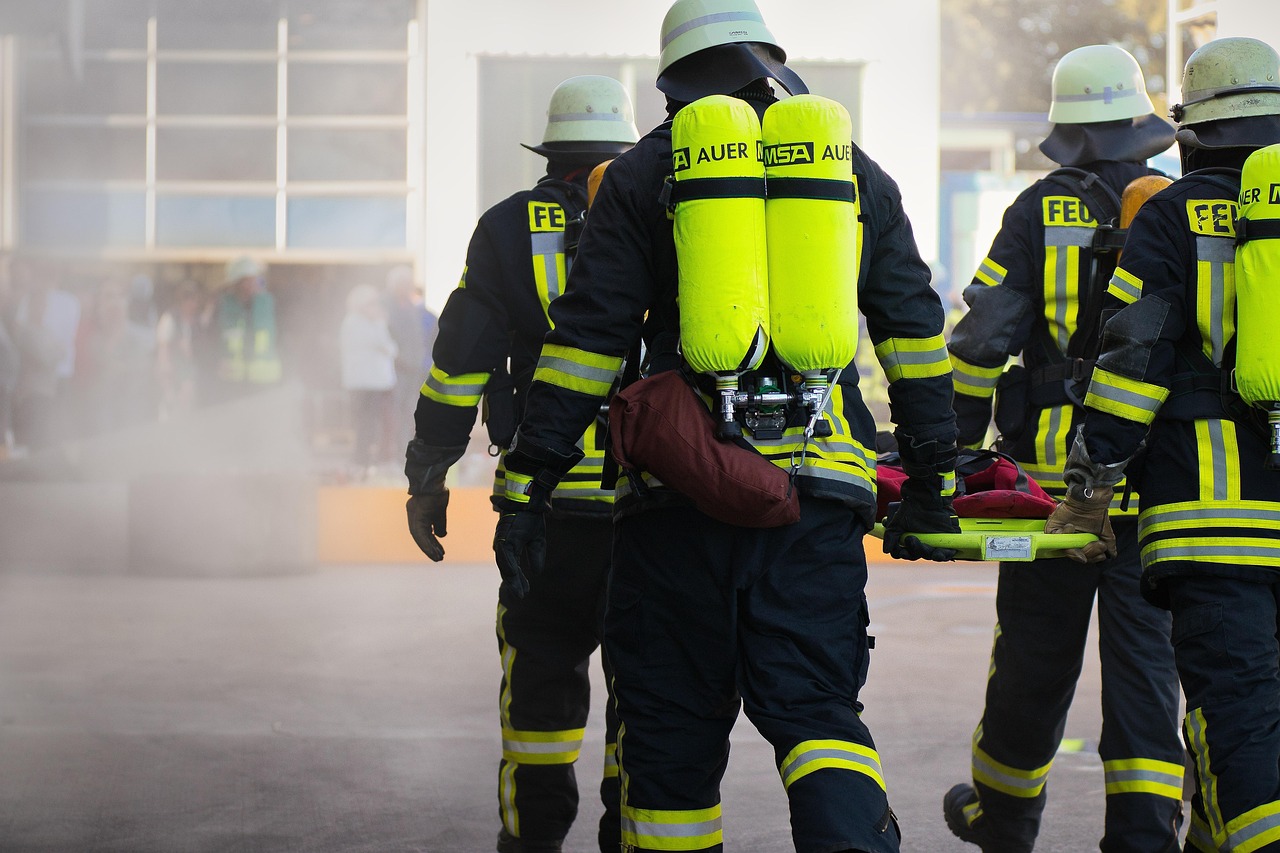
Hazard refers to any source of potential damage, injury, or adverse health effect in the workplace. It can be physical, chemical, biological, ergonomic, or psychosocial. For example, a rotating blade on a cutting machine is a mechanical hazard that can cause lacerations if not guarded.
Risk is the likelihood that a hazard will cause harm, combined with the severity of the outcome. Risk is expressed qualitatively (high, medium, low) or quantitatively (probability × consequence). A high‑speed grinder operating without a guard presents a high risk of eye injury.
Exposure denotes the condition of being in contact with a hazard. It includes the duration, frequency, and intensity of contact. A worker who spends eight hours a day in a dusty environment has chronic exposure to particulate matter.
Control Measure is any action taken to eliminate or reduce a risk. Control measures are selected based on the hierarchy of controls, cost, feasibility, and effectiveness. Installing a ventilation system to capture dust is a control measure that reduces inhalation exposure.
Hierarchy of Controls is a prioritized approach for selecting control measures. The order is: elimination, substitution, engineering controls, administrative controls, and personal protective equipment (PPE). The hierarchy emphasizes that PPE is the last line of defense.
Elimination removes the hazard entirely. If a process uses a toxic solvent, replacing that process with a water‑based alternative is an elimination strategy.
Substitution replaces a hazardous material or process with a less hazardous one. Switching from a high‑vapour solvent to a low‑vapour formulation reduces airborne exposure.
Engineering Controls isolate workers from the hazard through physical modifications. Examples include enclosures, local exhaust ventilation, and noise dampening panels. A sealed fume hood that captures vapour at the source is an engineering control.
Administrative Controls change the way work is performed to reduce exposure. Scheduling tasks to limit the time workers spend in a hazardous area, providing training, and implementing standard operating procedures are common administrative controls.
Personal Protective Equipment (PPE) includes items worn by employees to protect against residual risks after other controls are applied. Respirators, gloves, safety glasses, and hearing protectors are PPE categories. PPE must be selected based on the specific hazard and the level of protection required.
Respirator is a device designed to protect the wearer’s respiratory system from inhaling hazardous substances. Respirators can be air‑purifying (filtering ambient air) or supplied‑air (providing clean air from a source). Powered air‑purifying respirators (PAPRs) fall under the air‑purifying category.
Powered Air‑Purifying Respirator (PAPR) is a type of respirator that uses a battery‑powered blower to draw ambient air through a filter and deliver it to the wearer’s facepiece or hood. The positive airflow reduces breathing resistance and helps prevent filter clogging.
Filter removes contaminants from the airstream. Filters are classified by type (particulate, chemical, combination) and efficiency (e.g., N95, P100). In a PAPR, a high‑efficiency particulate filter (HEPA) may be used for dust, while a chemical cartridge would be selected for vapours.
Cartridge is a term often used for chemical filters that contain sorbent media designed to adsorb specific gases or vapours. Selecting the correct cartridge requires knowledge of the contaminant’s chemical properties.
Blower is the motor‑driven fan that creates positive airflow in a PAPR. The blower must provide sufficient air volume (typically 100–200 L min⁻¹ for loose‑fitting hoods) to meet or exceed the wearer’s breathing demand.
Facepiece refers to the component that covers the wearer’s face. In PAPRs, facepieces can be tight‑fitting masks, loose‑fitting hoods, or helmets. The choice influences comfort, communication, and the level of protection.
Loose‑Fitting Hood is a type of PAPR headpiece that does not seal tightly against the face. It provides a margin of safety if the blower fails, as the positive pressure continues to dilute contaminants. Loose‑fitting hoods are ideal for users who cannot achieve a seal, such as those with facial hair.
Tight‑Fitting Mask creates a seal around the wearer’s face and is used when a higher assigned protection factor is required. Tight‑fitting masks require fit testing to ensure an adequate seal.
Fit Testing is a procedure used to verify that a tight‑fitting respirator forms an effective seal on the wearer’s face. Qualitative and quantitative methods are employed. Fit testing must be performed before initial use and annually thereafter, or whenever a change in facial features occurs.
User Seal Check is a quick on‑the‑spot verification performed by the wearer each time the respirator is donned. The wearer inhales or exhales to confirm that air is moving through the filter and not leaking around the facepiece.
Assigned Protection Factor (APF) is a numeric rating that indicates the level of respiratory protection provided by a respirator when used correctly. For example, a loose‑fitting PAPR typically has an APF of 25, while a tight‑fitting PAPR can achieve an APF of 1000.
Permissible Exposure Limit (PEL) is a regulatory limit on the amount or concentration of a hazardous substance in workplace air, usually expressed as a time‑weighted average (TWA) over an eight‑hour shift. PELs are set by agencies such as OSHA.
Threshold Limit Value (TLV) is a guideline published by the American Conference of Governmental Industrial Hygienists (ACGIH) that represents the airborne concentration to which most workers can be exposed without adverse effects. TLVs are often more protective than PELs.
Occupational Exposure Limit (OEL) is a generic term that includes both PELs and TLVs. OELs guide the selection of appropriate control measures and the need for respiratory protection.
Hazard Communication is the process of informing workers about the hazards present in their work environment. This includes labeling, safety data sheets (SDS), training, and signage.
Safety Data Sheet (SDS) provides detailed information about a chemical’s properties, hazards, handling procedures, and emergency measures. The SDS is a critical source for selecting the correct filter or cartridge for a PAPR.
Job Hazard Analysis (JHA) is a systematic method of examining a job to identify hazards and develop preventive measures. A JHA often leads to the selection of appropriate respiratory protection.
Workplace Hazard Assessment (WHA) is the broader process of evaluating all potential hazards in a workplace, not limited to a single job. WHA informs the overall safety program, including the need for PAPRs.
Exposure Monitoring involves measuring the concentration of a contaminant in the breathing zone of a worker. Real‑time monitors, personal samplers, and area sampling are common techniques. Monitoring data help determine whether a PAPR is required.
Engineering Control Effectiveness is assessed by measuring contaminant levels before and after the control is implemented. If levels remain above the OEL, additional controls, such as a PAPR, may be necessary.
Administrative Control Effectiveness is evaluated by reviewing work schedules, training records, and compliance with standard operating procedures. Ineffective administrative controls may increase reliance on respiratory protection.
Personal Protective Equipment Selection is guided by a risk assessment that matches the hazard type, concentration, and exposure duration to the appropriate level of protection. The selection process must consider comfort, compatibility with other PPE, and the wearer’s ability to perform tasks.
Respirator Program is a comprehensive plan that includes hazard assessment, selection, training, fit testing, medical evaluation, maintenance, and record keeping. A well‑structured program ensures that PAPRs are used safely and effectively.
Medical Evaluation determines whether a worker is physically capable of wearing a respirator. The evaluation includes pulmonary function testing, cardiovascular assessment, and a review of medical history. Workers who cannot tolerate the breathing resistance of a tight‑fitting mask may be candidates for a loose‑fitting PAPR.
Maintenance Schedule outlines the frequency of cleaning, filter replacement, battery inspection, and functional testing for PAPRs. Adhering to the schedule prevents equipment failure and prolongs service life.
Cleaning Procedure for PAPRs typically involves disassembling the headpiece, washing the fabric components with mild detergent, rinsing thoroughly, and air‑drying. The blower and battery are cleaned with a soft brush to remove dust.
Filter Replacement Interval is determined by the manufacturer’s specifications, observed pressure drop, and exposure conditions. For high‑dust environments, filters may need to be changed daily, whereas in low‑contaminant settings they may last weeks.
Battery Life is a critical factor for PAPRs used in prolonged tasks. Batteries should be fully charged before each shift and monitored for voltage drop during use. A low‑battery alarm alerts the wearer to replace or recharge the battery.
Functional Test is performed before each use to verify that the blower motor runs, airflow is within the specified range, and alarms operate correctly. A failed functional test requires the unit to be removed from service until repaired.
Record Keeping includes documentation of hazard assessments, respirator selection, fit testing results, medical evaluations, training records, maintenance logs, and filter change dates. Accurate records are required for regulatory compliance and program evaluation.
Regulatory Compliance for PAPRs involves meeting standards such as OSHA 29 CFR 1910.134 (Respiratory Protection), NFPA 1991 (Powered Air‑Purifying Respirators), and ISO 16900‑1 (Performance Requirements). Compliance ensures legal protection and worker safety.
Standard Operating Procedure (SOP) provides step‑by‑step instructions for safely donning, using, and doffing a PAPR. SOPs also address emergency situations, such as blower failure or filter breach.
Emergency Response protocols for PAPR users include immediate removal of the respirator, evacuation to a clean area, and medical evaluation if exposure is suspected. A backup respirator, such as a disposable N95 mask, may be kept on hand.
Fit Factor is a quantitative measure of the seal quality obtained during fit testing. A fit factor of 100 or greater is typically required for tight‑fitting half‑mask respirators, while tight‑fitting PAPRs may require higher values due to their higher APF.
Loose‑Fitting vs. Tight‑Fitting comparison is essential when selecting a PAPR. Loose‑fitting hoods provide comfort and are suitable for users with facial hair, but they may limit the APF for certain highly toxic chemicals. Tight‑fitting masks offer higher protection but require fit testing and may cause discomfort over long periods.
Communication Challenges arise when workers wear PAPRs, especially in noisy environments. The blower noise and the barrier of a hood can impair verbal communication. Solutions include using two‑way radios with headset adapters, establishing hand signals, and ensuring that supervisors are aware of the communication limitations.
Heat Stress is a concern when using PAPRs in hot climates. The airflow helps to cool the wearer, but the battery and blower generate heat. Monitoring core temperature, providing rest breaks, and allowing hydration are essential mitigation strategies.
Visibility Issues can occur with certain hoods that fog up or have limited peripheral vision. Anti‑fog coatings, proper fit, and selecting hoods with wide fields of view improve situational awareness.
Compatibility with Other PPE must be checked. For example, safety helmets, earplugs, and eye protection may need to be worn simultaneously with a PAPR. The design of the headpiece should accommodate these items without compromising the seal or airflow.
Training Content for PAPR users includes an overview of the device components, correct donning and doffing techniques, inspection procedures, battery handling, filter change protocol, and emergency actions. Hands‑on practice reinforces learning.
Training Frequency is mandated by regulations: initial training before first use, refresher training at least annually, and additional instruction whenever a change in equipment, hazard, or work practice occurs.
Competency Assessment verifies that trainees can correctly operate the PAPR, perform a user seal check, recognize alarm signals, and respond to emergencies. Written quizzes and practical demonstrations are common methods.
Worker Involvement in the hazard assessment process improves compliance. Workers who participate in identifying hazards and selecting controls are more likely to use PAPRs correctly and report problems.
Stakeholder Collaboration involves safety professionals, supervisors, maintenance staff, and occupational health personnel. Collaboration ensures that the PAPR program integrates with broader safety initiatives and that resources are allocated appropriately.
Cost‑Benefit Analysis evaluates the financial implications of implementing PAPRs versus other controls. While PAPRs have higher upfront costs, they may reduce medical expenses, downtime, and regulatory penalties in the long term.
Return on Investment can be quantified by comparing the cost of equipment, training, and maintenance against savings from fewer incidents, reduced absenteeism, and improved productivity.
Supply Chain Considerations affect the availability of filters, batteries, and replacement parts. Organizations should maintain an inventory of critical components and establish relationships with reliable vendors.
Environmental Impact of disposable filters and batteries should be considered. Selecting reusable filters where feasible, recycling batteries, and following manufacturer disposal guidelines reduce ecological footprints.
Regulatory Updates require continuous monitoring of changes to standards, such as revisions to OSHA respiratory protection regulations or updates to ISO performance criteria. Staying current ensures ongoing compliance.
Auditing and Inspection are systematic reviews of the PAPR program. Internal audits examine records, equipment condition, and training compliance. External inspections by regulatory agencies may occur periodically.
Incident Investigation follows any event where a PAPR is suspected to have failed or where exposure occurred despite the use of a PAPR. The investigation seeks root causes, such as equipment malfunction, insufficient training, or improper selection.
Root Cause Analysis tools, like the “5 Whys” or fishbone diagrams, help identify underlying factors. Findings may lead to revisions in SOPs, additional training, or equipment upgrades.
Continuous Improvement is a core principle of occupational safety. Feedback loops from audits, incident investigations, and worker suggestions drive refinements to the hazard assessment and PAPR program.
Risk Matrix is a visual tool that plots likelihood against severity to prioritize hazards. High‑risk items may trigger immediate implementation of PAPRs, while lower‑risk items may be managed with administrative controls.
Exposure Limit Exceedance triggers a reassessment of the control strategy. If monitoring shows concentrations above the TLV or PEL, a PAPR may be mandated until engineering controls can be enhanced.
Task‑Specific Assessment examines each job function individually. For instance, a welding operation may generate metal fumes, while a paint‑spraying task produces volatile organic compounds (VOCs). Each task requires a tailored PAPR configuration.
Multiple Hazard Scenarios occur when workers are exposed to more than one type of contaminant simultaneously, such as dust and gases. In such cases, a combination filter cartridge (particulate plus chemical) is selected, and the PAPR’s airflow must meet the most demanding requirement.
Fit Check vs. Fit Test distinction: a fit check is a quick verification performed by the wearer each time the respirator is donned; a fit test is a formal, documented procedure performed by a qualified professional.
Fit Test Frequency is typically annual, but must be repeated after any facial change (e.g., weight gain, dental work) or after changing the respirator model.
Medical Surveillance monitors the health of workers who regularly use respiratory protection. Spirometry, blood tests, and symptom questionnaires help detect early signs of occupational disease.
Fit Test Methods include qualitative (taste, odor, or irritant agents) and quantitative (instrument‑based measurement of particle concentration). Quantitative fit testing provides a numeric fit factor and is preferred for high‑risk situations.
Qualitative Fit Test Limitations are that they rely on the wearer’s sensory perception, which may be compromised by smoking, medication, or illness. They are not suitable for tight‑fitting PAPRs that require a high APF.
Quantitative Fit Test Limitations involve the need for specialized equipment, higher cost, and longer test duration. However, they provide objective data and are required for certain high‑risk applications.
Cleaning Frequency for PAPRs is dictated by the work environment. In clean office settings, weekly cleaning may suffice, while in heavy‑dust or bio‑hazard areas, daily cleaning is recommended.
Disinfection Protocols become essential when PAPRs are used in healthcare settings or when there is a risk of biological contamination. Approved disinfectants must be compatible with the materials of the headpiece and not degrade filter performance.
Filter Integrity Testing checks for breaches or degradation. A simple pressure drop test can indicate filter clogging, while a leak test (using a soap solution) can reveal cracks or seals failure.
Battery Safety includes proper storage, charging, and disposal. Batteries should be kept away from extreme temperatures, and charging stations must have over‑charge protection. Spent batteries should be recycled according to local regulations.
Battery Replacement Cycle is often measured in charge‑discharge cycles. Manufacturers provide guidance on the expected lifespan; however, performance monitoring can identify premature degradation.
Operational Limits specify the environmental conditions for safe PAPR use, such as temperature range, humidity, and altitude. Exceeding these limits can affect blower performance and filter efficiency.
Altitude Considerations are relevant for high‑elevation work sites. Lower atmospheric pressure reduces the oxygen content of ambient air, potentially requiring supplemental oxygen or a different respiratory protection strategy.
Noise Exposure from the blower may contribute to overall occupational noise levels. Hearing protection may need to be worn in conjunction with the PAPR, and the combined attenuation should be calculated.
Ergonomic Assessment evaluates the impact of wearing a PAPR on posture, reach, and manual dexterity. Heavy battery packs can cause fatigue, and the bulk of a hood may impede movement in confined spaces.
Task Duration influences the selection of battery capacity and filter life. For long shifts, a PAPR with a larger battery and high‑capacity filters reduces the need for mid‑shift changes.
Shift Change Procedures must include hand‑over of equipment, inspection of the PAPR, and documentation of any issues observed. A systematic shift‑change checklist helps maintain continuity of protection.
Training Evaluation includes pre‑test and post‑test assessments to measure knowledge gain. Practical skill assessments ensure that learners can perform critical steps such as donning the hood, checking airflow, and responding to alarms.
Documentation Standards follow regulatory guidance. Records must be legible, dated, signed, and retained for the period specified by law (often three years for training records).
Language Accessibility is vital for multinational workforces. Training materials, SOPs, and labels should be provided in the languages spoken by workers to ensure comprehension.
Cultural Sensitivity affects how safety messages are received. Tailoring communication to respect cultural norms improves acceptance of PAPR use and encourages reporting of concerns.
Incident Reporting Mechanism should be simple and confidential. Workers must feel safe reporting equipment malfunctions, near‑misses, or discomfort without fear of reprisal.
Feedback Loop allows safety managers to receive input from frontline workers and adjust the hazard assessment accordingly. Regular meetings or suggestion boxes facilitate this exchange.
Technology Integration can enhance PAPR programs. For example, RFID tags on batteries enable automatic inventory tracking, and mobile apps can deliver training refreshers and record maintenance activities.
Future Trends include smarter PAPRs with built‑in sensors that monitor airflow, filter pressure, and battery status in real time, transmitting data to a central dashboard for proactive maintenance.
Standardization across multiple sites simplifies procurement, training, and compliance. Selecting a single PAPR model family reduces variability and eases spare‑parts management.
Vendor Support is crucial for troubleshooting, warranty claims, and obtaining technical documentation. Establishing service level agreements ensures timely response to equipment failures.
Risk Communication involves explaining the rationale behind PAPR use to workers, management, and external stakeholders. Clear communication builds trust and promotes a safety culture.
Documentation Review Cycle should be scheduled annually to verify that hazard assessments remain current, filters are still appropriate for the contaminants present, and training materials reflect the latest best practices.
Regulatory Inspection Preparation includes conducting mock inspections, reviewing records, and ensuring that all PAPRs are functional and properly labeled. Preparation reduces the likelihood of citations.
Labeling Requirements mandate that each PAPR unit displays the manufacturer’s name, model number, serial number, filter type, and service date. Labels must be durable and legible throughout the equipment’s life.
Serial Number Tracking enables traceability of individual units, facilitating recall management and targeted maintenance. A centralized database can link serial numbers to maintenance logs and filter changes.
Filter Certification ensures that filters meet performance standards such as NIOSH or EN standards. Certified filters provide confidence that they will achieve the advertised filtration efficiency.
Filter Compatibility must be verified when replacing filters. Using an incompatible filter can compromise protection or cause the blower to operate outside its design parameters.
Cross‑Contamination Prevention is essential when PAPRs are shared among workers. Cleaning and disinfecting protocols must be strictly followed to avoid transferring pathogens or hazardous residues.
Personalization Options such as adjustable head straps, interchangeable headpieces, and color‑coded components improve comfort and may increase compliance.
Training on Emergency Alarm Response teaches workers to recognize and act upon low‑battery or airflow alarms. Immediate actions include stopping work, checking the battery, and, if needed, switching to a backup respirator.
Backup Respirator Availability ensures continuous protection if the primary PAPR fails. Backup devices should be readily accessible and appropriate for the identified hazards.
Operational Readiness Checks are performed at the start of each shift. The worker inspects the blower, confirms battery charge, verifies filter integrity, and conducts a user seal check before entering the hazardous area.
Documentation of Readiness Checks can be done on a simple checklist, signed by the worker, and retained for audit purposes.
Training on Donning Sequence emphasizes the order of putting on PPE: first the respiratory protection, then eye protection, hearing protection, and finally any additional garments. Correct sequencing prevents contamination of the respirator.
Doffing Procedure includes removing the hood or mask carefully to avoid contaminating the hands, followed by hand hygiene. Proper doffing reduces the risk of secondary exposure.
Psychological Factors such as claustrophobia can affect PAPR acceptance. Providing options like loose‑fitting hoods or allowing breaks can mitigate discomfort.
Physical Limitations such as reduced vision or hearing may be exacerbated by certain PAPR configurations. Conducting a task analysis helps identify suitable models for each worker.
Regulatory Definitions differ across jurisdictions. For instance, the European Union classifies PAPRs under the “personal protective equipment” directive, while the United States treats them as respiratory protective devices subject to OSHA standards.
International Standards such as ISO 16900‑1 define performance criteria for PAPRs, including airflow, filtration efficiency, and noise levels. Familiarity with these standards aids global compliance.
Risk Assessment Documentation should include a clear statement of the hazard, the exposure level, the selected control hierarchy, and the justification for PAPR use. This narrative supports decision‑making and audit trails.
Stakeholder Engagement in the risk assessment process ensures that the chosen controls are practical and acceptable to those who will implement them.
Training Materials may include manuals, videos, interactive simulations, and quick‑reference cards. Variety accommodates different learning styles and reinforces retention.
Competency Verification can be achieved through competency matrices that map required skills to proficiency levels. This systematic approach tracks progress and identifies gaps.
Equipment Calibration for airflow meters and pressure gauges must be performed regularly to ensure accurate readings during functional testing.
Calibration Records are part of the maintenance documentation and must be retained for the period specified by the manufacturer or regulatory agency.
Environmental Monitoring complements personal monitoring by measuring ambient contaminant levels in the work area. Data from stationary monitors can trigger alerts for PPE use.
Threshold Exceedance Protocol outlines steps to be taken when contaminant concentrations surpass OELs, including immediate evacuation, implementation of additional controls, and medical evaluation.
Incident Command Structure defines roles and responsibilities during emergencies involving respiratory hazards. Clear lines of authority streamline response actions.
Post‑Incident Review analyzes the effectiveness of the PAPR program during the event and identifies opportunities for improvement.
Continuous Training Updates keep workers informed about changes in hazard profiles, new equipment features, and revised procedures. Regular refresher sessions reinforce best practices.
Safety Culture Promotion integrates PAPR use into the broader safety mindset, emphasizing that respiratory protection is a shared responsibility.
Leadership Commitment from management demonstrates the importance of the program and secures resources for training, equipment procurement, and maintenance.
Budget Allocation must account for initial purchase costs, ongoing filter replacements, battery servicing, and training expenses. A well‑planned budget prevents gaps that could compromise protection.
Cost‑Effective Strategies include bulk purchasing of filters, establishing preventive maintenance contracts, and leveraging government rebates for safety equipment.
Sustainability Initiatives encourage the selection of reusable components and proper waste management, aligning the PAPR program with environmental goals.
Regulatory Audits often focus on documentation, equipment condition, and worker competency. Preparing for audits involves routine self‑inspections and corrective action planning.
Corrective Action Plans are documented responses to audit findings, outlining responsibilities, timelines, and verification steps.
Performance Metrics such as the number of completed training sessions, percentage of equipment passing functional tests, and incident rates provide quantitative insight into program effectiveness.
Benchmarking against industry standards or peer organizations helps identify best practices and set improvement targets.
Risk Communication Tools like hazard maps, signage, and digital dashboards convey real‑time exposure data and guide PPE decisions.
Digital Record Management streamlines tracking of filter changes, battery cycles, and training completions, reducing paperwork and improving accessibility.
Integration with Occupational Health ensures that medical surveillance data informs respirator selection and that any health changes are reflected in the program.
Legal Liability considerations include the employer’s duty to provide a safe workplace and the potential for negligence claims if appropriate respiratory protection is not supplied.
Insurance Implications may be affected by the adequacy of the PAPR program, influencing premiums and coverage terms.
Ethical Responsibility extends beyond compliance, emphasizing the moral duty to protect workers from preventable health risks.
Future Research Directions include studying long‑term health outcomes of PAPR users, developing lighter battery technologies, and enhancing filter materials for broader contaminant coverage.
Collaboration with Academic Institutions can foster innovation, provide access to cutting‑edge testing facilities, and support evidence‑based policy development.
Standard Operating Procedure Review Cycle should be scheduled every two years, or sooner if significant changes in hazards, equipment, or regulations occur.
Change Management Process ensures that updates to the PAPR program are communicated, trained, and documented systematically.
Employee Feedback Surveys gauge satisfaction with PAPR comfort, usability, and training effectiveness, informing continuous improvement efforts.
Incident Trend Analysis identifies patterns such as recurrent filter failures or common user errors, prompting targeted interventions.
Root Cause Corrective Actions may involve redesigning headgear, revising maintenance intervals, or enhancing training modules.
Technology Adoption Roadmap outlines phased implementation of advanced features like integrated airflow sensors, wireless alerts, and data analytics platforms.
Cross‑Functional Teams comprising safety, engineering, procurement, and HR collaborate to align the PAPR program with overall organizational objectives.
Regulatory Liaison maintains open communication with agencies to stay informed about upcoming rule changes, guidance documents, and enforcement trends.
Risk Register lists identified hazards, their assessed risk levels, mitigation strategies, responsible parties, and status updates, serving as a living document for ongoing management.
Documentation Accessibility ensures that SOPs, training records, and maintenance logs are readily available to authorized personnel, both in hard copy and electronic formats.
Incident Reporting Training teaches workers how to document events accurately, including time, location, equipment involved, and actions taken, facilitating thorough investigations.
Supply Chain Resilience planning includes identifying alternative suppliers for filters and batteries to avoid disruptions during shortages or geopolitical events.
Standardization of Nomenclature promotes clear communication; for example, consistently using “filter cartridge” instead of interchangeable terms reduces confusion.
Operational Readiness Audits are conducted randomly to verify that workers perform pre‑shift checks correctly and that equipment meets performance criteria.
Performance Verification Testing may involve periodic laboratory testing of filter efficiency and blower output to confirm that field performance aligns with manufacturer specifications.
Training Record Retention must comply with local labor laws, which may require keeping documents for a minimum of five years.
Emergency Drills incorporate scenarios where PAPR failure occurs, testing the effectiveness of evacuation routes, backup respirator availability, and communication protocols.
Psychological Safety encourages workers to speak up about equipment concerns without fear, fostering a proactive safety environment.
Documentation of Lessons Learned captures insights from incidents and near‑misses, creating a knowledge base for future training and program refinement.
Integration with Incident Management Software allows automatic linking of PAPR‑related events to broader safety incident tracking systems.
Strategic Planning aligns the PAPR program with long‑term organizational goals, such as expansion into new markets, adoption of new manufacturing processes, or entry into high‑risk industries.
Metrics Dashboard visualizes key performance indicators, providing managers with real‑time insight into program health and areas needing attention.
Stakeholder Reporting delivers concise summaries of PAPR program status to senior leadership, board members, and external auditors.
Continuous Learning Culture promotes ongoing education, encouraging workers to stay current with emerging hazards, new technologies, and best practices.
Collaborative Problem‑Solving engages multidisciplinary teams to address complex challenges, such as integrating PAPRs with robotic assistance in confined spaces.
Risk Transfer Strategies might involve outsourcing high‑risk tasks to specialized contractors who already have robust PAPR programs, thereby reducing internal exposure.
Regulatory Advocacy allows organizations to contribute to the development of standards and regulations, ensuring that practical considerations are reflected in policy.
Benchmarking Studies compare internal PAPR program outcomes with industry averages, identifying gaps and opportunities for advancement.
Innovation Incubation fosters internal development of custom PAPR solutions tailored to unique operational needs, leveraging cross‑functional expertise.
Data Privacy Considerations when storing health surveillance data must comply with privacy laws and protect employee confidentiality.
Professional Development for safety personnel includes certifications in respiratory protection, industrial hygiene, and occupational health, enhancing program competence.
Resource Allocation Review periodically assesses whether staffing, budget, and equipment levels remain sufficient to sustain the PAPR program’s objectives.
Risk Communication Workshops educate managers on effectively conveying hazard information and protective measures to their teams.
Program Review Committee meets regularly to evaluate performance, approve changes, and ensure alignment with organizational risk tolerance.
Standard Operating Procedure Accessibility through mobile apps allows workers to quickly reference procedures while on the job.
Continuous Feedback Loop between field observations and program design ensures that real‑world challenges are addressed promptly.
Scenario‑Based Training immerses workers in realistic situations, enhancing decision‑making skills under pressure.
Virtual Reality Simulations can replicate hazardous environments, allowing safe practice of PAPR donning, operation, and emergency response.
Gamified Learning Modules increase engagement and retention of safety concepts related to respiratory protection.
Knowledge Transfer mechanisms such as mentorship programs ensure that experienced workers pass on best practices to newer employees.
Performance Incentives may reward teams that demonstrate exemplary compliance with PAPR protocols, reinforcing positive behavior.
Cross‑Training equips workers with the ability to operate multiple PAPR models, increasing flexibility and reducing downtime during equipment turnover.
Supply Chain Audits verify that suppliers adhere to quality standards for filters, batteries, and components, safeguarding product reliability.
Regulatory Alignment Workshops keep the organization synchronized with evolving standards, minimizing compliance gaps.
Risk Management Framework integrates PAPR considerations into the broader enterprise risk management process, ensuring holistic coverage.
Strategic Partnerships with manufacturers enable early access to product updates, technical support, and joint research initiatives.
Environmental Monitoring Integration links real‑time sensor data to the PAPR program, triggering automatic alerts when contaminant levels rise.
Data Analytics identify trends in filter usage, battery performance, and incident frequency, guiding proactive interventions.
Continuous Improvement Cycle follows the Plan‑Do‑Check‑Act (PDCA) model, systematically refining the PAPR program over time.
Leadership Training equips managers with the skills to champion respiratory protection, allocate resources, and address barriers.
Employee Empowerment encourages workers to take ownership of their safety, report hazards, and suggest enhancements to the PAPR system.
Risk Acceptance Criteria define the threshold at which residual risk is considered tolerable, guiding decisions on when PAPRs are required versus alternative controls.
Implementation Timeline outlines phased roll‑out of PAPR deployment, including pilot testing, full‑scale adoption, and post‑implementation review.
Change Impact Assessment evaluates how modifications to processes, equipment, or regulations affect the existing PAPR program.
Stakeholder Communication Plan details how updates, training invitations, and policy changes are disseminated to all relevant parties.
Documentation Review Process ensures that all records are accurate, up‑to‑date, and
Key takeaways
- For example, a rotating blade on a cutting machine is a mechanical hazard that can cause lacerations if not guarded.
- Risk is the likelihood that a hazard will cause harm, combined with the severity of the outcome.
- A worker who spends eight hours a day in a dusty environment has chronic exposure to particulate matter.
- Installing a ventilation system to capture dust is a control measure that reduces inhalation exposure.
- The order is: elimination, substitution, engineering controls, administrative controls, and personal protective equipment (PPE).
- If a process uses a toxic solvent, replacing that process with a water‑based alternative is an elimination strategy.
- Switching from a high‑vapour solvent to a low‑vapour formulation reduces airborne exposure.