
Spacecraft Thermal Control Systems
Spacecraft thermal control systems are designed to maintain a stable temperature environment within the spacecraft, ensuring the optimal performance and longevity of its components and systems. This is achieved through a combination of heat…
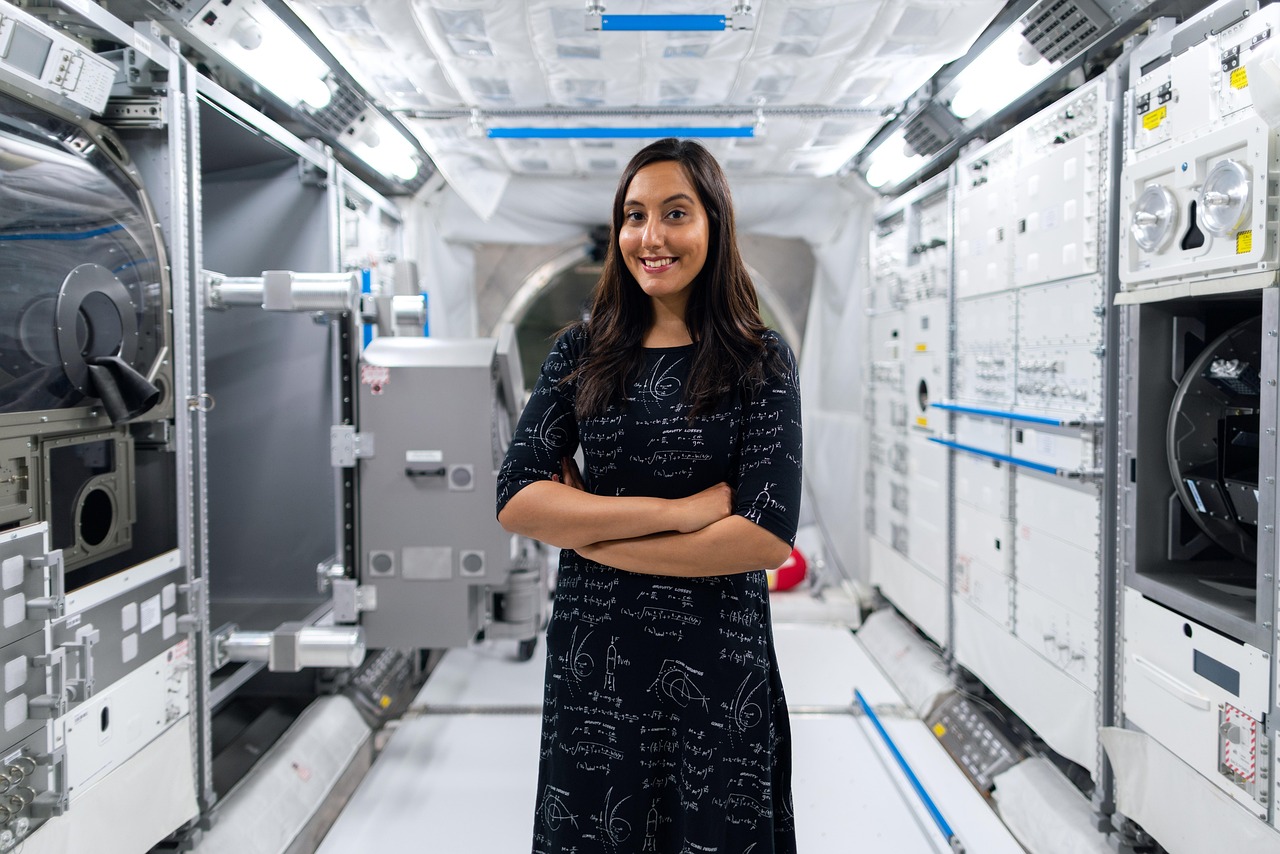
Spacecraft thermal control systems are designed to maintain a stable temperature environment within the spacecraft, ensuring the optimal performance and longevity of its components and systems. This is achieved through a combination of heating and cooling techniques, which involve managing the flow of thermal energy within the spacecraft. The primary goal of a thermal control system is to regulate the temperature of the spacecraft's electronic components, propulsion systems, and other critical subsystems, preventing overheating or overcooling that could lead to malfunction or failure.
One of the key concepts in spacecraft thermal control is thermal balance, which refers to the equilibrium between the heat generated by the spacecraft's systems and the heat dissipated to space. Achieving thermal balance is crucial, as it ensures that the spacecraft's temperature remains within a stable and acceptable range. This is particularly important for spacecraft that operate in extreme environments, such as those with high levels of solar radiation or cosmic radiation. To maintain thermal balance, spacecraft designers use a variety of techniques, including the use of insulation materials, radiators, and heat pipes.
Insulation materials are used to reduce heat transfer between the spacecraft's internal components and the external environment. These materials have low thermal conductivity and are designed to minimize the flow of heat into or out of the spacecraft. Common insulation materials used in spacecraft include multilayer insulation blankets, which consist of multiple layers of reflective materials and low-conductivity spacers. These blankets are highly effective at reducing radiative heat transfer and are widely used in spacecraft thermal control systems.
Radiators are used to dissipate excess heat from the spacecraft to space. They are designed to have a high emissivity, which allows them to efficiently radiate heat away from the spacecraft. Radiators can be either passive or active, depending on the type of cooling system used. Passive radiators rely on natural convection and radiation to dissipate heat, while active radiators use pumps or fans to circulate a coolant through the radiator. Active radiators are more efficient than passive radiators but require more power and are often heavier.
Heat pipes are another key component of spacecraft thermal control systems. They are designed to efficiently transfer heat from one location to another, using a wicking material to draw a working fluid through a capillary structure. Heat pipes are highly effective at transferring heat and are often used to cool electronic components or to transport heat from one part of the spacecraft to another. They are also relatively lightweight and have a high reliability, making them a popular choice for spacecraft thermal control systems.
In addition to these components, spacecraft thermal control systems also rely on a variety of sensors and actuators to monitor and control the spacecraft's temperature. Temperature sensors are used to measure the temperature of the spacecraft's components and systems, while actuators are used to adjust the thermal control system's performance in response to changes in the spacecraft's temperature. Common types of temperature sensors used in spacecraft include thermocouples, thermistors, and resistance temperature detectors.
Thermocouples are widely used in spacecraft thermal control systems due to their high accuracy and reliability. They consist of two dissimilar metals joined together to form a junction, which generates a small voltage in response to changes in temperature. Thermocouples are relatively simple and inexpensive to implement, making them a popular choice for spacecraft temperature sensing applications.
Thermistors are another type of temperature sensor used in spacecraft thermal control systems. They consist of a semiconductor material that changes its resistance in response to changes in temperature. Thermistors are highly sensitive and can detect small changes in temperature, making them useful for applications where high accuracy is required. However, they can be more expensive than thermocouples and may require more complex electronics to operate.
Resistance temperature detectors are also used in spacecraft thermal control systems. They consist of a metal element that changes its resistance in response to changes in temperature. These detectors are highly accurate and have a high reliability, making them a popular choice for spacecraft temperature sensing applications. However, they can be more expensive than thermocouples and may require more complex electronics to operate.
In addition to these temperature sensors, spacecraft thermal control systems also rely on a variety of actuators to adjust the thermal control system's performance. Common types of actuators used in spacecraft include heaters, coolers, and valves. Heaters are used to add heat to the spacecraft's systems, while coolers are used to remove heat. Valves are used to control the flow of coolant through the thermal control system, allowing the spacecraft to regulate its temperature in response to changes in the external environment.
Heaters are widely used in spacecraft thermal control systems to maintain a stable temperature environment. They consist of a resistive element that generates heat when an electric current is passed through it. Heaters are relatively simple and inexpensive to implement, making them a popular choice for spacecraft thermal control applications. However, they can be less efficient than other types of thermal control systems and may require more power to operate.
Coolers are also used in spacecraft thermal control systems to remove heat from the spacecraft's systems. They consist of a heat exchanger that transfers heat from the spacecraft to a coolant, which is then circulated through the thermal control system. Coolers are highly efficient and can be used to cool a wide range of spacecraft components and systems. However, they can be more complex and expensive than heaters and may require more power to operate.
Valves are used in spacecraft thermal control systems to control the flow of coolant through the system. They consist of a mechanical or electronic device that regulates the flow of coolant in response to changes in the spacecraft's temperature. Valves are highly reliable and can be used to control a wide range of thermal control systems. However, they can be more complex and expensive than other types of thermal control components and may require more power to operate.
In addition to these components, spacecraft thermal control systems also rely on a variety of materials and techniques to manage the flow of thermal energy within the spacecraft. Common materials used in spacecraft thermal control systems include insulation materials, radiation shielding, and thermal interface materials. Insulation materials are used to reduce heat transfer between the spacecraft's internal components and the external environment, while radiation shielding is used to protect the spacecraft's components from cosmic radiation and other forms of ionizing radiation. Thermal interface materials are used to enhance the thermal conductivity between different components and systems, allowing the spacecraft to efficiently transfer heat and maintain a stable temperature environment.
Radiation shielding is a critical component of spacecraft thermal control systems, as it helps to protect the spacecraft's components from the harmful effects of cosmic radiation and other forms of ionizing radiation. Radiation shielding consists of a material that absorbs or blocks radiation, preventing it from penetrating the spacecraft and damaging its components. Common materials used for radiation shielding include aluminum, polyethylene, and liquid hydrogen. These materials are highly effective at shielding against radiation and can be used to protect a wide range of spacecraft components and systems.
Thermal interface materials are also used in spacecraft thermal control systems to enhance the thermal conductivity between different components and systems. They consist of a material that has a high thermal conductivity and is designed to fill the gaps and voids between different components. Thermal interface materials are highly effective at enhancing thermal conductivity and can be used to improve the performance of a wide range of thermal control systems. Common materials used for thermal interface applications include silver, graphite, and copper.
In addition to these materials and techniques, spacecraft thermal control systems also rely on a variety of analytical and numerical tools to simulate and predict the thermal performance of the spacecraft. These tools include finite element analysis, computational fluid dynamics, and thermal network analysis. Finite element analysis is a numerical method that is used to simulate the thermal performance of complex systems, including spacecraft. It involves dividing the system into a mesh of small elements and solving the governing equations of heat transfer and fluid flow.
Computational fluid dynamics is another numerical method that is used to simulate the thermal performance of spacecraft. It involves solving the Navier-Stokes equations of fluid flow and the energy equation of heat transfer, using a computational grid to discretize the solution domain. Computational fluid dynamics is highly effective at simulating complex fluid flow and heat transfer phenomena, including those that occur in spacecraft thermal control systems.
Thermal network analysis is a simplified method that is used to simulate the thermal performance of spacecraft. It involves representing the spacecraft as a network of nodes and edges, where each node represents a component or system and each edge represents a thermal connection between components. Thermal network analysis is highly effective at simulating the thermal performance of simple systems, including those that occur in spacecraft.
In addition to these analytical and numerical tools, spacecraft thermal control systems also rely on a variety of experimental and testing techniques to validate the thermal performance of the spacecraft. These techniques include ground testing, flight testing, and thermal vacuum testing. Ground testing involves testing the spacecraft's thermal control system in a ground-based environment, using a thermal vacuum chamber or other type of test facility. Flight testing involves testing the spacecraft's thermal control system in space, using a flight test or other type of space-based test.
Thermal vacuum testing is a type of ground testing that involves testing the spacecraft's thermal control system in a thermal vacuum chamber. The chamber is designed to simulate the thermal environment of space, using a vacuum pump to create a vacuum and a thermal control system to regulate the temperature. Thermal vacuum testing is highly effective at simulating the thermal performance of spacecraft and is widely used in the aerospace industry.
In addition to these testing techniques, spacecraft thermal control systems also rely on a variety of standards and regulations to ensure the safe and reliable operation of the spacecraft. These standards and regulations include NASA standards, ESA standards, and military standards. NASA standards are widely used in the aerospace industry and provide a framework for designing and testing spacecraft thermal control systems. ESA standards are similar to NASA standards but are used primarily in European space missions.
Military standards are also used in the aerospace industry and provide a framework for designing and testing spacecraft thermal control systems for military applications. These standards are highly stringent and require the use of reliable and durable components and systems. Military standards are widely used in the defense industry and are applied to a wide range of spacecraft and space-based systems.
In addition to these standards and regulations, spacecraft thermal control systems also rely on a variety of best practices and guidelines to ensure the safe and reliable operation of the spacecraft. These best practices and guidelines include design for reliability, design for maintainability, and design for testability. Design for reliability involves designing the spacecraft's thermal control system to be highly reliable and fault-tolerant, using redundant components and systems to ensure continued operation in the event of a failure.
Design for maintainability involves designing the spacecraft's thermal control system to be easily maintainable and repairable, using modular components and systems to simplify maintenance and repair. Design for testability involves designing the spacecraft's thermal control system to be easily testable and verifiable, using built-in test equipment and other types of diagnostic tools to simplify testing and verification.
In addition to these best practices and guidelines, spacecraft thermal control systems also rely on a variety of lessons learned and case studies to inform the design and development of new spacecraft. These lessons learned and case studies include failure analyses, root cause analyses, and post-flight analyses. Failure analyses involve analyzing the cause of a failure and identifying corrective actions to prevent similar failures in the future. Root cause analyses involve analyzing the root cause of a problem and identifying corrective actions to prevent similar problems in the future.
Post-flight analyses involve analyzing the performance of a spacecraft after it has completed its mission, identifying lessons learned and areas for improvement to inform the design and development of future spacecraft. These analyses are highly effective at identifying best practices and guidelines for spacecraft thermal control systems and are widely used in the aerospace industry.
In addition to these lessons learned and case studies, spacecraft thermal control systems also rely on a variety of research and development activities to advance the state-of-the-art in thermal control technology. These research and development activities include advanced materials research, advanced thermal management research, and advanced testing and validation research. Advanced materials research involves developing new materials and technologies to improve the performance and efficiency of spacecraft thermal control systems.
Advanced thermal management research involves developing new techniques and strategies to manage the flow of thermal energy within spacecraft, including the use of advanced heat pipes, advanced radiators, and advanced insulation materials. Advanced testing and validation research involves developing new testing and validation techniques to verify the performance and reliability of spacecraft thermal control systems, including the use of advanced thermal vacuum chambers and advanced diagnostic tools.
In addition to these research and development activities, spacecraft thermal control systems also rely on a variety of collaboration and partnership efforts to advance the state-of-the-art in thermal control technology. These collaboration and partnership efforts include industry partnerships, government partnerships, and academic partnerships. Industry partnerships involve collaborating with private companies and industry organizations to develop and apply new thermal control technologies.
Government partnerships involve collaborating with government agencies and government laboratories to develop and apply new thermal control technologies. Academic partnerships involve collaborating with universities and research institutions to develop and apply new thermal control technologies. These collaboration and partnership efforts are highly effective at advancing the state-of-the-art in thermal control technology and are widely used in the aerospace industry.
In addition to these collaboration and partnership efforts, spacecraft thermal control systems also rely on a variety of training and education programs to develop the skills and knowledge of thermal control engineers and technicians. These training and education programs include degree programs, certificate programs, and short courses. Degree programs involve earning a bachelor's degree or graduate degree in a field such as aerospace engineering, mechanical engineering, or thermal engineering.
Certificate programs involve earning a certificate in a specific area of thermal control, such as thermal management or heat transfer. Short courses involve taking a short course or workshop to learn about a specific topic or technique, such as advanced heat pipes or thermal vacuum testing. These training and education programs are highly effective at developing the skills and knowledge of thermal control engineers and technicians and are widely used in the aerospace industry.
Key takeaways
- Spacecraft thermal control systems are designed to maintain a stable temperature environment within the spacecraft, ensuring the optimal performance and longevity of its components and systems.
- One of the key concepts in spacecraft thermal control is thermal balance, which refers to the equilibrium between the heat generated by the spacecraft's systems and the heat dissipated to space.
- Common insulation materials used in spacecraft include multilayer insulation blankets, which consist of multiple layers of reflective materials and low-conductivity spacers.
- Passive radiators rely on natural convection and radiation to dissipate heat, while active radiators use pumps or fans to circulate a coolant through the radiator.
- They are designed to efficiently transfer heat from one location to another, using a wicking material to draw a working fluid through a capillary structure.
- In addition to these components, spacecraft thermal control systems also rely on a variety of sensors and actuators to monitor and control the spacecraft's temperature.
- They consist of two dissimilar metals joined together to form a junction, which generates a small voltage in response to changes in temperature.