
Infection Prevention and Control in Care Settings
Hand hygiene is the cornerstone of infection prevention and refers to the removal of transient microorganisms from the skin. The most common methods are hand washing with soap and water and the use of an alcohol‑based hand rub. In a care se…
Hand hygiene is the cornerstone of infection prevention and refers to the removal of transient microorganisms from the skin. The most common methods are hand washing with soap and water and the use of an alcohol‑based hand rub. In a care setting, a staff member must perform hand hygiene before and after each patient contact, after touching contaminated surfaces, and after removing gloves. Practical application includes placing dispensers at the entrance of each ward and ensuring that staff receive regular training on the six‑step technique. A frequent challenge is compliance; studies show that busy shifts and skin irritation from frequent washing can reduce adherence. Solutions such as moisturising creams and reminders on the walls can improve rates.
Personal protective equipment (PPE) encompasses items worn to create a barrier between the wearer and infectious agents. The main components are gloves, gowns, masks, and eye protection. For example, when caring for a resident with a draining wound, a caregiver should wear disposable gloves and an apron to prevent exposure to blood or bodily fluids. The practical application requires a clear PPE policy that outlines when each item is needed, how it should be donned and doffed, and where supplies are stored. Challenges include supply shortages during outbreaks and the discomfort of prolonged wear, which can be mitigated by providing appropriately sized equipment and regular fit‑testing.
Standard precautions are the basic infection control measures applied to all patients, regardless of infection status. They include hand hygiene, use of PPE, safe injection practices, and respiratory hygiene. In practice, a nurse in a residential home must treat every resident’s blood, urine, and wound exudate as potentially infectious. Implementing standard precautions requires ongoing staff education and audit. Barriers to implementation often involve misconceptions that “low‑risk” patients do not need precautions; addressing these through case studies can reinforce the universal nature of the measures.
Transmission‑based precautions are additional controls used when a patient is known or suspected to be infected with a pathogen that spreads by contact, droplet, or airborne routes. For instance, a resident diagnosed with methicillin‑resistant Staphylococcus aureus (MRSA) will be placed under contact precautions, requiring gloves and a gown for all interactions. Practical steps include designating a specific room, posting precaution signs, and dedicating equipment when possible. Challenges arise when facilities lack single rooms; cohorting patients with the same organism can be an effective alternative, though it demands strict adherence to cleaning protocols.
Isolation refers to the separation of infected individuals from those who are healthy to prevent spread. Isolation can be strict, such as a negative pressure room for airborne diseases, or less restrictive, like a designated area for residents with a contagious skin infection. The practical application involves clear signage, training staff on entry and exit procedures, and ensuring that essential supplies are available within the isolation area. Common difficulties include limited space in small care homes and the psychological impact on isolated residents; incorporating regular communication and visual contact can alleviate feelings of abandonment.
Disinfection is the process of reducing the number of microorganisms on a surface to a level that is considered safe. It is less lethal than sterilisation but more thorough than cleaning. In a care setting, high‑touch surfaces such as bedside rails, call buttons, and bathroom fixtures are routinely disinfected using chlorine‑based solutions or quaternary ammonium compounds. A practical method involves a two‑step approach: First clean to remove organic material, then apply the disinfectant for the required contact time. Challenges include ensuring the correct dilution of chemicals and maintaining the necessary contact time, especially during high‑turnover periods. Staff training and visual reminders can help maintain consistency.
Sterilisation achieves the complete elimination of all forms of microbial life, including spores. It is reserved for instruments that come into direct contact with sterile body sites, such as surgical tools or wound dressings. Autoclaving, which uses pressurised steam, is the most common method in health‑care facilities. Practical application demands strict validation of each cycle, routine biological monitoring, and proper packaging of instruments. A major challenge is the cost and maintenance of sterilisation equipment; regular servicing and budgeting for consumables are essential to prevent downtime.
Antimicrobial resistance (AMR) describes the ability of microorganisms to survive exposure to drugs that once killed them. In care settings, AMR is a significant concern due to the frequent use of antibiotics and the close proximity of vulnerable residents. An example is the emergence of carbapenem‑resistant Enterobacteriaceae (CRE) in a long‑term care facility. Practical strategies include antimicrobial stewardship programmes that promote appropriate prescribing, regular surveillance of resistance patterns, and education of both staff and residents. Challenges include balancing the need for prompt treatment of infections with the risk of promoting resistance; decision‑support tools and multidisciplinary review can assist in making judicious choices.
Nosocomial infection, also known as a healthcare‑associated infection (HAI), is an infection that develops in a patient after admission to a health‑care facility, typically after 48 hours. Common examples in care homes are urinary tract infections (UTIs) linked to indwelling catheters and respiratory infections associated with aspiration. Practical application involves implementing catheter‑related infection bundles, encouraging early mobilization, and ensuring proper oral hygiene. Challenges include the high prevalence of chronic conditions that predispose residents to infection and limited staffing for thorough monitoring; using checklists and assigning dedicated infection control champions can improve outcomes.
Outbreak refers to the occurrence of more cases of a disease than expected in a particular area or among a specific group of people. In a care home, an outbreak of norovirus may affect multiple residents within a week. The response includes immediate case identification, isolation of affected individuals, enhanced environmental cleaning, and communication with public health authorities. Practical steps involve establishing an outbreak control team, conducting rapid testing, and providing education on hand hygiene to both staff and residents. Challenges include the rapid spread of highly contagious agents and the need for quick decision‑making; pre‑developed outbreak plans and clear lines of authority are crucial.
Surveillance is the systematic collection, analysis, and interpretation of data on infections to guide prevention strategies. In practice, a care facility may track the incidence of catheter‑associated UTIs per 1,000 catheter days. Surveillance data help identify trends, evaluate the effectiveness of interventions, and detect early signs of an outbreak. Implementation requires a designated infection control practitioner, standardized case definitions, and regular reporting. Barriers include limited time for staff to record data and inconsistent definitions; using electronic health records and automated alerts can streamline the process.
Risk assessment involves evaluating the likelihood and potential impact of infection transmission within a care environment. For example, assessing the risk associated with a resident who frequently coughs without covering their mouth may reveal a high probability of droplet spread. Practical application includes mapping patient flow, identifying high‑risk procedures, and implementing control measures such as respiratory etiquette training. Challenges include the dynamic nature of risk factors, such as changes in resident health status; regular reassessment and flexible policies are needed to adapt to evolving circumstances.
Decontamination is the overall process of cleaning, disinfection, and sterilisation to remove or destroy pathogens. In a care setting, equipment like blood pressure cuffs is first cleaned with detergent, then disinfected with an approved agent. The practical approach follows a three‑step hierarchy: Remove visible soil, apply a disinfectant, and, where necessary, sterilise. A common challenge is ensuring that staff understand each step’s importance; visual guides and competency assessments can reinforce proper technique.
Environmental cleaning focuses on removing dirt, dust, and microorganisms from the physical surroundings. High‑traffic areas such as communal dining rooms, bathrooms, and corridors require daily cleaning, while patient rooms may need multiple cleanings per shift. Practical measures include using colour‑coded cleaning cloths to prevent cross‑contamination and employing checklists to verify completion. Challenges include staff turnover and varying levels of cleaning expertise; ongoing training and supervision are essential for maintaining standards.
Sharps safety addresses the safe handling of needles, scalpels, and other sharp instruments to prevent injuries. In practice, a caregiver inserting a subcutaneous insulin injection must use a safety‑engineered needle and dispose of it immediately in a puncture‑proof container. The practical application involves providing sharps containers within arm’s reach of the point of use, ensuring they are not overfilled, and establishing a clear protocol for reporting injuries. Challenges include complacency and fatigue, which can lead to accidental sticks; regular reminders and a culture that encourages reporting without blame are vital.
Needle stick injury is a specific type of sharps injury where a needle penetrates the skin, potentially exposing the worker to bloodborne pathogens such as hepatitis B, hepatitis C, or HIV. Immediate action includes washing the site with soap and water, reporting the incident, and initiating post‑exposure prophylaxis if indicated. Practical steps require a well‑defined incident response plan, readily available personal protective equipment, and access to occupational health services. Challenges include under‑reporting due to fear of stigma or inconvenience; creating a supportive environment and simplifying the reporting process can increase compliance.
Bloodborne pathogens are microorganisms that are transmitted through contact with infected blood. The most common examples are hepatitis B virus (HBV), hepatitis C virus (HCV), and human immunodeficiency virus (HIV). In a care setting, a resident with a chronic wound may have open sores that bleed, presenting a risk to staff. Practical measures include universal precautions, vaccination for HBV, and immediate cleaning of any spills with an appropriate disinfectant. Challenges involve ensuring that all staff are up to date with vaccinations and understand the protocols for managing blood spills; regular audits and refresher courses help maintain vigilance.
Contact precautions are implemented for pathogens spread by direct or indirect contact, such as MRSA or Clostridioides difficile. The practical application includes wearing gloves and a gown for any patient interaction, dedicating equipment where possible, and performing thorough hand hygiene after glove removal. A challenge is the potential for increased workload due to the need for additional PPE and equipment cleaning; clear workflow designs and adequate staffing can mitigate this burden.
Droplet precautions are used for organisms transmitted through large respiratory droplets, which travel short distances (typically ≤1 meter). Influenza and pertussis are classic examples. Practical steps involve the use of a surgical mask for anyone entering the patient’s room, maintaining a minimum distance when speaking, and encouraging patients to cover their coughs. Challenges include ensuring that masks are worn correctly and that visitors understand the need for precautions; signage and education at entry points can reinforce compliance.
Airborne precautions protect against pathogens that remain infectious over long distances suspended in the air, such as Mycobacterium tuberculosis or varicella‑zoster virus. Implementation requires a negative pressure isolation room, the use of a fitted N95 respirator or higher level mask, and limiting patient movement. Practical challenges include the limited availability of specialised rooms and the discomfort associated with prolonged respirator use; rotating staff to limit exposure time and providing fit‑testing services are essential strategies.
Cohorting involves grouping together patients who are infected with the same organism, or who are at similar risk, to limit the spread to others. In a care home lacking single rooms, residents with confirmed C. Difficile infection may be placed in the same wing, with dedicated staff and equipment. Practical considerations include careful scheduling to avoid cross‑contamination, clear labeling, and strict adherence to cleaning protocols. Challenges include the logistical complexity of rearranging resident placements and the need for staff education; a detailed cohorting plan and regular briefings can facilitate smooth implementation.
Surface cleaning focuses on removing contaminants from hard, non‑porous areas such as countertops, doorknobs, and medical equipment. The process typically follows a two‑step method: Cleaning with a detergent to remove organic material, followed by disinfection with an approved agent. Practical examples include wiping down bedside tables after each patient use and using microfiber cloths to improve efficacy. Challenges often arise from inconsistent cleaning schedules and the misuse of disinfectants; establishing clear protocols and conducting spot checks can improve consistency.
Disinfectant is a chemical agent that destroys or inactivates microorganisms on surfaces. Common types include chlorine‑based solutions, hydrogen peroxide, and quaternary ammonium compounds. Practical application requires correct dilution, adequate contact time, and safe handling. For instance, a 1 000 ppm chlorine solution may be used for routine cleaning of bathroom fixtures. Challenges include the potential for chemical resistance, skin irritation, and environmental concerns; selecting products with appropriate efficacy and safety profiles is crucial.
Antiseptic is a substance applied to living tissue to reduce the number of microorganisms. Alcohol swabs, chlorhexidine, and povidone‑iodine are frequently used before invasive procedures. In practice, a nurse may apply chlorhexidine to a resident’s skin before inserting a peripheral IV line. Challenges include allergic reactions and the need for adequate drying time before proceeding with the procedure; documenting any adverse reactions and providing alternatives can address these issues.
Cleaning agents are substances used to remove dirt, dust, and debris before disinfection. Detergents, soaps, and enzymatic cleaners fall into this category. Practical use involves mixing the agent according to manufacturer instructions and applying it with a cloth or mop. A common challenge is the misconception that a cleaning agent alone is sufficient for infection control; emphasizing the need for a subsequent disinfection step is essential.
UV disinfection employs ultraviolet light, typically in the C spectrum (UV‑C), to inactivate microorganisms on surfaces and in the air. Portable UV devices can be used to decontaminate patient rooms after discharge. Practical implementation requires the room to be empty, the UV unit to be positioned correctly, and sufficient exposure time to achieve the desired log reduction. Challenges include the cost of equipment, the need for staff training, and the limited penetration of UV light into shadows; combining UV with manual cleaning can enhance overall efficacy.
Hand rub refers to an alcohol‑based solution used for hand hygiene when hands are not visibly soiled. It provides rapid antimicrobial action and is less irritating than soap. In practice, staff may use a 2‑ml dose of an 80 % ethanol hand rub before and after each resident interaction. Challenges include ensuring that the product contains the correct concentration of alcohol and that staff allow the rub to dry completely; visual cues on dispensers can remind users of the required drying time.
Hand washing involves the use of soap and water to physically remove contaminants. It is essential when hands are visibly dirty, after using the restroom, or before handling food. Practical guidance includes the WHO’s six‑step technique, with an emphasis on washing for at least 20 seconds. Challenges include time constraints during busy shifts and skin dryness; providing hand moisturisers and scheduling short hand‑washing breaks can improve compliance.
Alcohol‑based hand rub combines the benefits of rapid antimicrobial activity with convenience. It typically contains 60–80 % ethanol or isopropanol, sometimes with added emollients. Practical use includes mounting dispensers at the bedside and ensuring that the product meets the required efficacy standards. A challenge is the potential for reduced effectiveness against spore‑forming organisms; staff must recognize when soap and water are required instead.
Surgical mask is a barrier device that covers the nose and mouth to protect the wearer from large droplets and to prevent the spread of the wearer’s respiratory secretions. In a care home, staff may wear surgical masks when caring for residents with influenza. Practical considerations include ensuring a proper fit, discarding the mask after each use, and avoiding touching the front of the mask. Challenges involve supply shortages during pandemics and discomfort during prolonged wear; rotating mask types and providing regular breaks can alleviate these issues.
N95 respirator is a tight‑fitting mask that filters at least 95 % of airborne particles, including small droplets. It is required for airborne precautions such as tuberculosis. Practical use demands fit‑testing for each staff member, seal checks before each use, and proper disposal after a single shift. Challenges include the need for regular fit‑testing, especially when facial changes occur, and the higher breathing resistance, which can cause fatigue; scheduling shorter shifts in high‑risk areas can reduce strain.
Gown is a protective garment that covers the torso and arms, used to prevent contamination of clothing and skin. In practice, a caregiver may don a disposable gown when providing wound care to a resident with an open ulcer. Practical steps include tying the gown at the back, ensuring adequate coverage, and removing it without contaminating the wearer’s clothing. Challenges involve ensuring the correct size and material for comfort; providing a variety of gown options can improve adherence.
Gloves protect the hands from direct contact with infectious material. They are essential for any procedure that may involve exposure to blood, bodily fluids, or contaminated surfaces. In practice, a nurse will wear disposable nitrile gloves when changing a resident’s catheter. Practical considerations include selecting the appropriate glove size, performing hand hygiene before and after glove use, and avoiding double‑gloving unless required. Challenges include latex allergies and glove tears; offering latex‑free alternatives and conducting regular glove integrity checks can address these concerns.
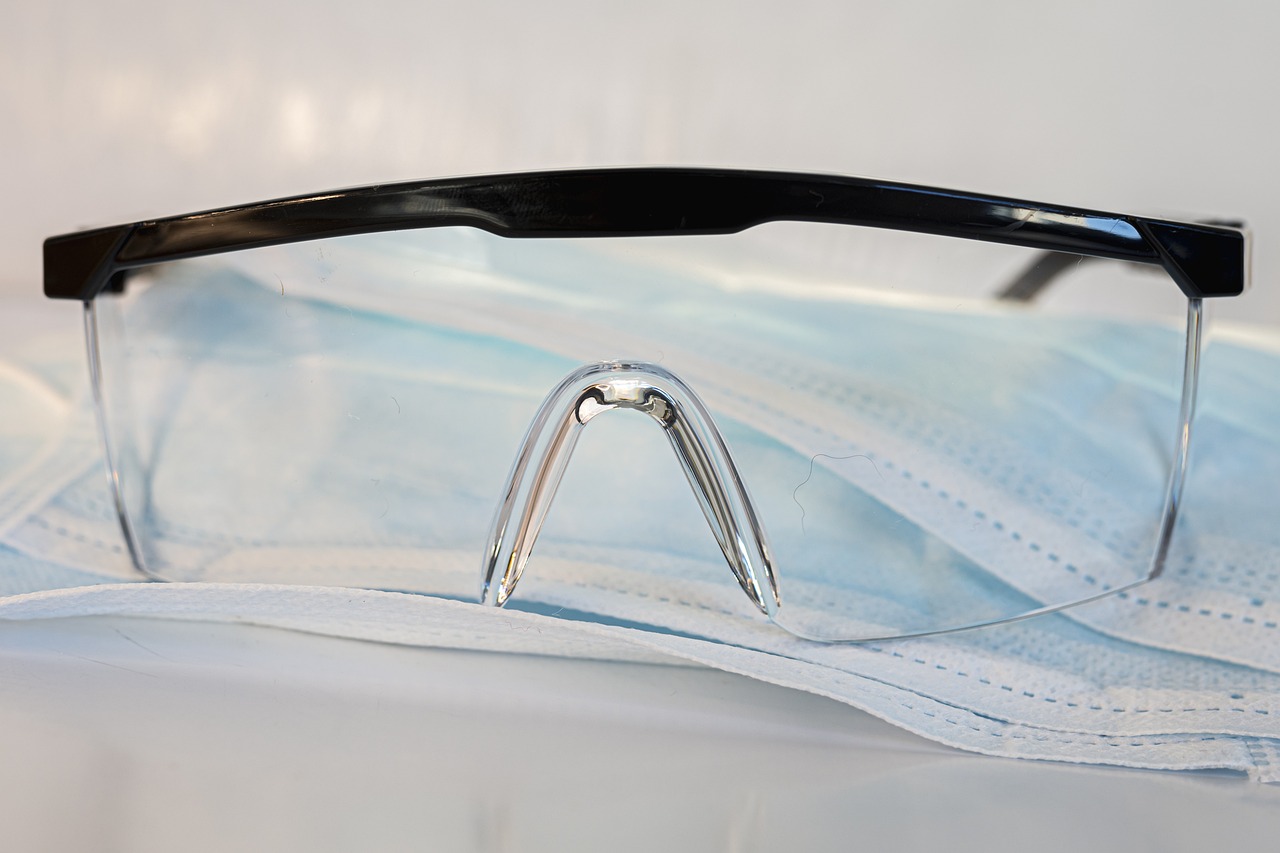
Eye protection includes goggles or face shields that safeguard the eyes from splashes and sprays. For example, during a procedure that generates aerosolised secretions, a caregiver should wear a face shield. Practical implementation requires that eye protection is readily available, cleaned after each use, and stored in a clean area. Challenges involve fogging of goggles and discomfort; anti‑fog coatings and adjustable straps can improve user experience.
Face shield provides a barrier for the entire face, reducing exposure to droplets and allowing the wearer to see clearly. In a care setting, a staff member may use a face shield when assisting a resident with a cough. Practical steps include ensuring the shield covers the forehead, cheeks, and chin, and cleaning it according to manufacturer instructions. Challenges include the need for compatibility with other PPE, such as masks; selecting shields designed to fit over masks can enhance protection.
Patient placement refers to the strategic location of residents within a facility to minimise infection risk. This may involve placing immunocompromised residents in a separate wing or ensuring that residents with contagious infections are isolated. Practical considerations include mapping resident locations, assigning dedicated staff, and monitoring movement. Challenges include limited space and the need to balance infection control with residents’ social needs; flexible placement plans and regular review can help optimise both safety and quality of life.
Environmental services encompass the workforce responsible for cleaning, waste disposal, and maintenance of the physical environment. Effective environmental services are critical for infection prevention. Practical actions include training cleaning staff on proper disinfection techniques, providing appropriate equipment, and establishing clear communication channels between clinical and cleaning teams. Challenges often involve under‑recognition of the role of environmental services; integrating these staff into infection control committees can raise their profile and improve collaboration.
Waste management involves the segregation, collection, transport, and disposal of waste generated in a health‑care setting. Waste is classified into categories such as clinical waste, sharps, and general waste. Practical implementation includes colour‑coded bins, clear labeling, and adherence to local regulations. A challenge is the risk of accidental exposure to clinical waste by non‑clinical staff; regular training and visible signage help reduce this risk.
Sharps disposal is the safe handling and removal of used needles, scalpels, and other sharp objects. In practice, a caregiver must place a used insulin needle directly into a puncture‑proof container without recapping. Practical steps include positioning containers within arm’s reach, ensuring they are not overfilled, and arranging for regular collection by authorised personnel. Challenges include non‑compliance due to convenience or lack of awareness; placing containers at strategic points and reinforcing policies through audits can improve safety.
Sterile field is an area that is free from microorganisms, used during invasive procedures. Maintaining a sterile field requires the use of sterile drapes, instruments, and aseptic technique. For example, when inserting a central line, a nurse creates a sterile field with a large sterile drape covering the patient’s chest. Practical measures include strict hand hygiene, the use of sterile gloves, and preventing any breach in the drape. Challenges arise from inadvertent contamination, such as touching non‑sterile surfaces; continuous monitoring and immediate correction of breaches are essential.
Aseptic technique is a set of practices designed to prevent contamination of sterile equipment and sites. It includes hand hygiene, use of sterile gloves, and maintaining a sterile field. In practice, a caregiver performing a wound dressing must avoid touching the wound dressing’s sterile side with non‑sterile hands. Practical application involves a checklist that confirms each step before proceeding. Challenges include the complexity of the technique for new staff; simulation training and competency assessments can enhance proficiency.
Barrier nursing is an approach that uses physical barriers to protect both the patient and the caregiver from infection. It includes the use of gloves, gowns, masks, and the creation of a clean environment around the patient. For example, caring for a resident with a highly infectious virus may require a full barrier set, including a disposable gown, gloves, mask, and eye protection. Practical implementation demands clear protocols, readily available supplies, and staff training. Challenges include the increased workload and potential for fatigue; rotating staff and providing adequate breaks can mitigate these issues.
Cross contamination occurs when microorganisms are transferred from one object or person to another, often via hands or equipment. An example is a caregiver touching a contaminated surface and then assisting a resident without performing hand hygiene. Practical strategies to prevent cross contamination include strict hand hygiene, using dedicated equipment for each resident, and regular cleaning of shared devices. Challenges include the high turnover of equipment and the tendency to reuse items without proper disinfection; implementing a tracking system for equipment cleaning can help.
Chain of infection is a model that describes the steps required for an infection to spread: Reservoir, portal of exit, mode of transmission, portal of entry, and susceptible host. Understanding each link helps identify points for intervention. For instance, a resident colonised with MRSA (reservoir) may shed bacteria through a wound (portal of exit), which can be transmitted via direct contact (mode of transmission) to a caregiver’s broken skin (portal of entry), leading to infection in a susceptible host. Practical application involves breaking the chain at multiple points, such as using PPE, proper wound care, and hand hygiene. Challenges include the complexity of multiple simultaneous pathways; comprehensive training that illustrates the chain with real‑world examples aids retention.
Reservoir is the natural habitat where a pathogen lives and multiplies. In care settings, reservoirs include colonised residents, contaminated equipment, and environmental surfaces. Practical identification involves screening residents for colonisation and auditing equipment for cleanliness. Challenges include asymptomatic colonisation, which can be difficult to detect; routine surveillance cultures can uncover hidden reservoirs.
Portal of exit is the route by which a pathogen leaves its reservoir. Common portals include respiratory secretions, blood, urine, and wound exudate. Practical measures to control portals of exit involve covering coughs with tissues, using closed drainage systems, and applying dressings to wounds. Challenges arise when residents are unable to cooperate, such as those with dementia; staff must use gentle prompting and alternative strategies, like using suction devices for secretions.
Mode of transmission describes how a pathogen travels from the portal of exit to the portal of entry. The main modes are contact, droplet, and airborne. Practical application includes selecting the appropriate precaution based on the identified mode. For example, a resident with tuberculosis requires airborne precautions, while a resident with scabies requires contact precautions. Challenges include correctly identifying the mode, especially for emerging pathogens; continuous education and reference guides are essential.
Portal of entry is the site through which a pathogen gains access to a new host. Common portals include broken skin, mucous membranes, and the respiratory tract. Practical prevention includes protecting these sites with barriers such as gloves, masks, and proper wound care. Challenges involve residents with chronic skin breakdown, which provides multiple entry points; regular skin assessments and early intervention can reduce the risk.
Susceptible host is an individual who lacks sufficient immunity or has other risk factors that increase the likelihood of infection. In a care home, many residents are susceptible due to age, chronic disease, or immunosuppression. Practical strategies focus on minimizing exposure, providing vaccinations, and maintaining optimal nutrition. Challenges include balancing infection control with residents’ autonomy and quality of life; individualized care plans that incorporate infection prevention measures can address both concerns.
Antiseptic hand wash combines the mechanical action of hand washing with an antimicrobial agent, such as chlorhexidine. It is used when a higher level of microbial reduction is required, for example before performing invasive procedures. Practical implementation involves using the recommended volume, scrubbing for the appropriate time, and rinsing thoroughly. Challenges include skin irritation and the risk of over‑use leading to resistance; rotating antiseptic agents and providing moisturising options can mitigate these issues.
Environmental monitoring refers to the systematic testing of surfaces, air, and water for the presence of pathogens. In practice, a care facility may swab high‑touch surfaces weekly to detect MRSA contamination. Practical steps include selecting appropriate sampling methods, interpreting results, and acting on findings with targeted cleaning. Challenges involve the cost and expertise required for microbiological testing; partnering with external laboratories and training a dedicated staff member can streamline the process.
Cleaning schedule is a documented plan that outlines when and how each area of the facility will be cleaned and disinfected. A typical schedule may designate daily cleaning of resident rooms, twice‑daily cleaning of communal areas, and weekly deep cleaning of ventilation systems. Practical implementation requires posting the schedule in staff areas, assigning responsibilities, and reviewing compliance through audits. Challenges include staff turnover and varying adherence; incorporating the schedule into the orientation program for new employees ensures consistency.
Personal hygiene for staff includes practices such as regular bathing, keeping nails trimmed, and avoiding jewelry that can harbour microbes. In a care setting, a caregiver who maintains good personal hygiene reduces the risk of transmitting pathogens to residents. Practical measures include providing changing facilities, encouraging staff to wear short‑sleeved clothing, and offering hair nets where appropriate. Challenges include cultural differences and personal preferences; respectful communication and explaining the infection control rationale can encourage acceptance.
Vaccination is the administration of a biological preparation that provides immunity against specific diseases. In care homes, staff vaccination against influenza and COVID‑19 is critical to protect both employees and residents. Practical implementation involves arranging on‑site vaccination clinics, maintaining records, and monitoring uptake rates. Challenges include vaccine hesitancy and logistical constraints; providing education on vaccine safety and offering flexible appointment times can improve coverage.
Antimicrobial stewardship programmes aim to optimise the use of antibiotics to treat infections while reducing the emergence of resistance. In a residential care setting, a stewardship team may review each prescription, ensure the correct drug, dose, and duration, and provide feedback to prescribers. Practical steps include establishing guidelines, conducting regular audits, and offering education to clinicians and staff. Challenges include balancing the need for prompt treatment of serious infections with the risk of over‑prescribing; decision‑support tools integrated into electronic prescribing systems can assist in making judicious choices.
Hand hygiene audit is a systematic observation of hand hygiene practices to assess compliance. Audits can be performed by infection control practitioners using a standardized checklist, noting whether staff perform hand washing or use alcohol rub at the appropriate moments. Practical implementation includes random spot checks, feedback sessions, and reporting aggregated data to management. Challenges involve the Hawthorne effect, where staff improve behavior when they know they are being observed; using covert auditors or electronic monitoring devices can provide a more accurate picture.
Personal protective equipment fit testing is the process of evaluating whether a respirator, such as an N95, forms an adequate seal on the wearer’s face. Fit testing is required annually or whenever a new model is introduced. Practical steps involve using qualitative or quantitative methods, documenting the results, and providing training on proper donning and doffing. Challenges include the time required for testing and the need for a variety of sizes to accommodate diverse staff. Maintaining a fit‑test registry and scheduling regular sessions can ensure compliance.
Cleaning validation confirms that cleaning procedures effectively remove contaminants. In practice, a care facility may use fluorescent markers on equipment surfaces, then inspect under UV light after cleaning to assess removal. Practical implementation includes selecting appropriate markers, training staff on the validation process, and using the results to refine cleaning protocols. Challenges include the additional workload and the need for specialized equipment; integrating validation into routine quality‑assurance activities can make it manageable.
Infection control committee is a multidisciplinary group that oversees infection prevention policies, reviews surveillance data, and coordinates responses to outbreaks. Members typically include a senior nurse, a physician, a pharmacist, an environmental services representative, and a manager. Practical responsibilities involve developing guidelines, monitoring compliance, and providing education. Challenges include ensuring regular attendance and effective communication across departments; establishing clear terms of reference and rotating leadership can sustain engagement.
Standard operating procedure (SOP) is a documented set of instructions that describes how to perform a specific task consistently. For infection control, SOPs may cover the correct method for disposing of sharps, the steps for cleaning a resident’s room, or the protocol for reporting a needle stick injury. Practical use involves making SOPs accessible, training staff on their content, and reviewing them regularly for updates. Challenges include keeping SOPs current with evolving guidelines; assigning a dedicated infection control practitioner to manage revisions ensures relevance.
Risk stratification classifies residents based on their likelihood of acquiring or transmitting infections. Factors may include age, comorbidities, immunosuppression, and presence of invasive devices. Practical application involves creating risk categories (low, medium, high) and tailoring infection control measures accordingly, such as more frequent monitoring for high‑risk residents. Challenges include the dynamic nature of risk, as a resident’s condition may change rapidly; continuous reassessment and flexible protocols are required.
Resident education empowers individuals to participate in infection prevention. Topics may include proper hand hygiene, respiratory etiquette, and recognizing signs of infection. Practical methods include interactive workshops, printed pamphlets with simple illustrations, and one‑to‑one counseling. Challenges involve varying cognitive abilities among residents; using clear language, visual aids, and involving family members can enhance understanding.
Staff competency assessment evaluates whether employees possess the knowledge and skills needed for infection control. Assessments may be written tests, practical demonstrations, or simulation scenarios. Practical implementation includes scheduling regular assessments, providing feedback, and offering remedial training where gaps are identified. Challenges include time constraints and potential anxiety among staff; creating a supportive environment and integrating assessments into routine training can improve participation.
Cleaning documentation records the details of cleaning activities, including date, time, area cleaned, disinfectant used, and staff member responsible. In practice, a cleaning log may be kept on a sheet placed on each ward’s door. Practical benefits include traceability, accountability, and evidence for audits. Challenges include incomplete or inaccurate entries; using digital forms with mandatory fields can increase reliability.
Isolation precaution signage provides visual cues to remind staff and visitors of the required protective measures for a resident. Signs may display icons for gloves, gown, mask, and indicate the type of precaution (e.G., “Contact Precautions”). Practical steps involve placing signs at the entrance of each resident’s room and ensuring they are updated promptly when precaution status changes. Challenges include sign fatigue, where staff become desensitised to repeated symbols; rotating signage designs and reinforcing messages through training can maintain attention.
Environmental cleaning competency ensures that cleaning staff understand and can perform required tasks effectively. Competency may be demonstrated through observed cleaning of a high‑touch surface, proper dilution of disinfectant, and correct use of personal protective equipment. Practical implementation includes a structured training program with a written component, hands‑on practice, and a final assessment. Challenges include varying literacy levels among cleaning personnel; using visual aids and simple language can improve comprehension.
Surface bioburden testing measures the level of microbial contamination on surfaces after cleaning. Swab samples are cultured to quantify colony‑forming units (CFU). Practical use helps identify areas that may need more rigorous cleaning. Challenges include the cost and time required for laboratory analysis; focusing testing on high‑risk areas and using rapid detection methods can make the process more feasible.
Cleaning agent compatibility refers to the appropriate pairing of cleaning chemicals with surfaces and equipment to avoid damage or reduced efficacy. For example, using chlorine‑based disinfectants on stainless‑steel can cause corrosion over time. Practical guidance includes consulting manufacturer recommendations and maintaining an inventory of compatible products. Challenges involve the complexity of multiple surfaces and the need for staff to remember compatibility charts; providing quick‑reference cards can assist.
Hand hygiene moments are specific points during care when hand hygiene is required, often summarised as “5 moments”: Before patient contact, before aseptic tasks, after body fluid exposure, after patient contact, and after contact with the patient’s environment. Practical implementation includes posting the moments chart at each bedside and integrating reminders into electronic health records. Challenges include staff forgetting less obvious moments, such as after touching a bedside table; real‑time prompts on mobile devices can improve adherence.
Cleaning equipment maintenance ensures that tools such as mops, buckets, and sprayers are kept in good condition and do not become sources of contamination. Practical steps include regular inspection, replacement of worn parts, and proper storage after use. Challenges include neglect due to busy schedules; assigning a designated equipment manager and incorporating checks into daily routines can sustain equipment integrity.
Environmental service staff engagement promotes ownership of infection control responsibilities among cleaning personnel. Practical strategies include involving them in infection control meetings, recognising exemplary performance, and providing opportunities for professional development. Challenges may involve language barriers or limited career pathways; offering multilingual training materials and clear pathways for advancement can enhance engagement.
Resident cohorting strategies involve grouping residents with similar infection risks or confirmed infections together. For example, all residents diagnosed with influenza may be placed on the same floor to limit spread to unaffected individuals. Practical considerations include ensuring adequate staffing, maintaining clear documentation of cohort assignments, and coordinating medication schedules. Challenges include the potential disruption to residents’ social networks; providing alternative social activities within the cohort area can mitigate isolation.
Infection control risk register is a living document that records identified risks, their likelihood, impact, and mitigation actions. In practice, a care home may list risks such as “inadequate hand hygiene compliance” and assign corrective actions like “monthly training refresher.” Practical use involves regular review, updating actions, and assigning responsibility. Challenges include keeping the register current and ensuring that actions are implemented; integrating the register into the facility’s quality‑management system can streamline oversight.
Cleaning audit tools are checklists or scoring systems used to evaluate the thoroughness of cleaning. Audits may assess whether a surface has been wiped, the correct disinfectant used, and the appropriate contact time observed. Practical implementation includes random spot checks, scoring, and feedback to cleaning staff. Challenges include subjectivity in scoring; standardising criteria and providing training to auditors can improve reliability.
Environmental cleaning feedback loop provides information from audits and monitoring back to staff to drive improvement. Practical mechanisms include weekly briefing sessions, visual dashboards displaying compliance rates, and recognition of high‑performing teams. Challenges involve ensuring that feedback is constructive and not punitive; framing feedback as a tool for professional growth encourages acceptance.
Resident skin integrity assessment evaluates the condition of a resident’s skin to identify pressure injuries, breakdown, or infection. In practice, a nurse may use a standardized tool like the Braden Scale to assess risk. Practical steps include documenting findings, implementing preventive measures such as repositioning, and monitoring for changes.
Key takeaways
- In a care setting, a staff member must perform hand hygiene before and after each patient contact, after touching contaminated surfaces, and after removing gloves.
- Challenges include supply shortages during outbreaks and the discomfort of prolonged wear, which can be mitigated by providing appropriately sized equipment and regular fit‑testing.
- Barriers to implementation often involve misconceptions that “low‑risk” patients do not need precautions; addressing these through case studies can reinforce the universal nature of the measures.
- For instance, a resident diagnosed with methicillin‑resistant Staphylococcus aureus (MRSA) will be placed under contact precautions, requiring gloves and a gown for all interactions.
- Common difficulties include limited space in small care homes and the psychological impact on isolated residents; incorporating regular communication and visual contact can alleviate feelings of abandonment.
- In a care setting, high‑touch surfaces such as bedside rails, call buttons, and bathroom fixtures are routinely disinfected using chlorine‑based solutions or quaternary ammonium compounds.
- A major challenge is the cost and maintenance of sterilisation equipment; regular servicing and budgeting for consumables are essential to prevent downtime.