
Ceramic Materials and Their Historical Context
Porcelain is a vitrified, translucent ceramic that originated in China during the Tang dynasty and reached technical perfection in the early Ming period. Its defining properties are a high degree of vitrification, low porosity, and a smooth…
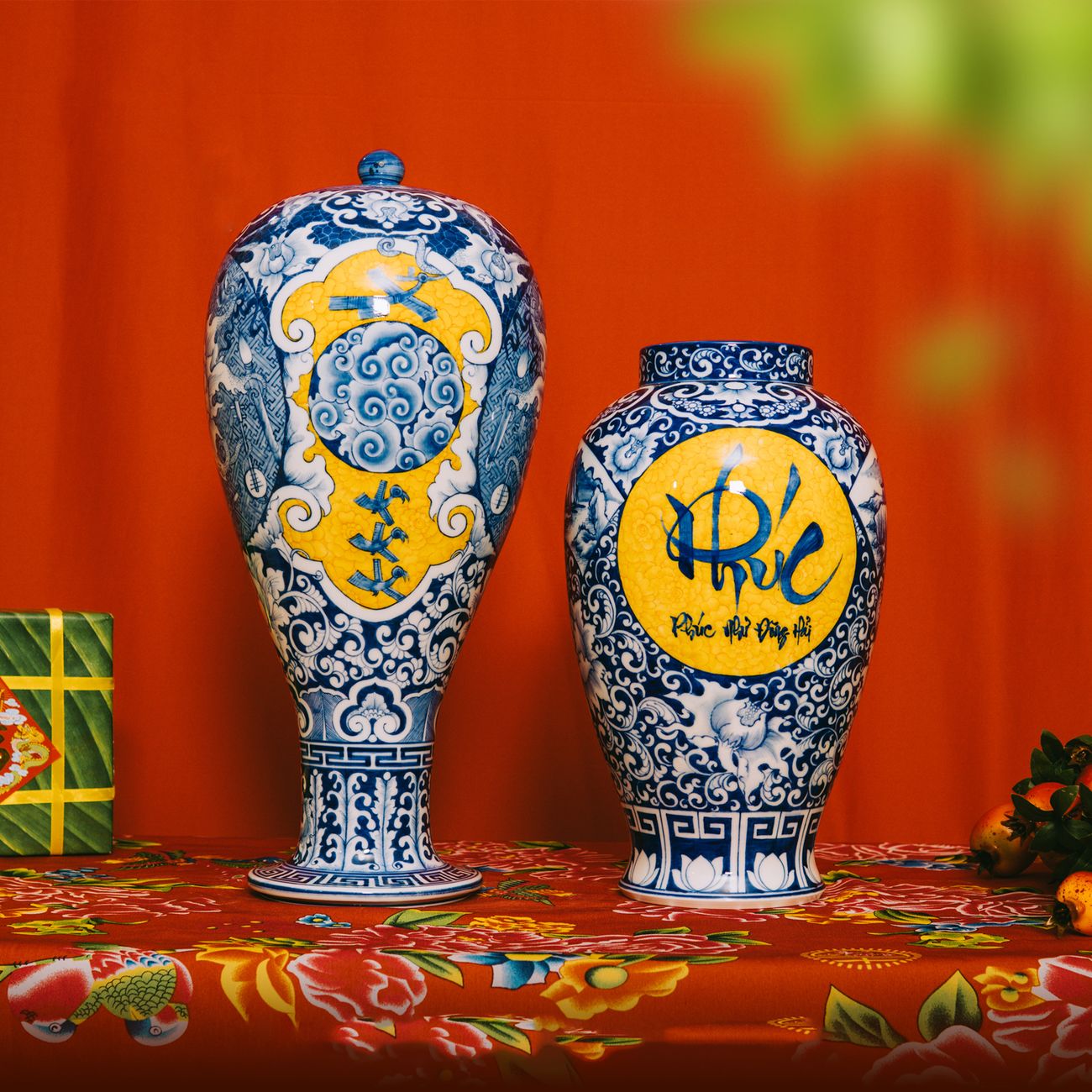
Porcelain is a vitrified, translucent ceramic that originated in China during the Tang dynasty and reached technical perfection in the early Ming period. Its defining properties are a high degree of vitrification, low porosity, and a smooth, glass‑like surface that can be decorated with underglaze cobalt blue or overglaze enamel. In restoration practice, understanding the original body composition—typically a mixture of kaolin, petuntse (feldspathic rock), and a small amount of quartz—is essential for selecting compatible repair materials. Modern conservators often replicate the original matrix by formulating a synthetic body that matches the firing temperature (usually 1,260–1,300 °C) and the coefficient of thermal expansion (CTE) of the historic piece.
Stoneware differs from porcelain in that it is opaque, more robust, and generally fired at slightly lower temperatures (1,150–1,250 °C). Traditional European stoneware bodies contain a blend of stone, sand, and clay, with a higher proportion of iron oxide that gives the material its characteristic brown or grey hue. The term “stoneware” also refers to the functional category of vessels that were widely used for storage, cooking, and transport from the 15th century onward. In a restoration context, the challenge lies in matching the porous nature of the fired body while preserving the original glaze sheen, which may be a lead‑rich, low‑temperature glaze developed in the Dutch and English factories of the 17th century.
Earthenware is the most ancient ceramic category, fired below the vitrification point (typically 1,000–1,150 °C) and therefore remains porous after firing. Its composition often includes a high percentage of local clay, with added temper such as grog or straw to reduce shrinkage. The historic significance of earthenware is evident in the proliferation of slip‑decorated wares such as the 18th‑century English creamware and the 19th‑century English transfer‑printed tea sets. Restorers must be aware that earthenware bodies are highly hygroscopic; moisture absorption can cause warping or glaze crazing, which must be mitigated through controlled humidity environments and careful consolidation techniques.
Kaolin is a pure, white clay mineral (Al₂Si₂O₅(OH)₄) that provides the plasticity and refractory qualities required for high‑temperature firing. It is the primary raw material for porcelain bodies, and its particle size distribution influences both workability and the final translucency of the fired piece. Historically, Chinese artisans mined kaolin from the Jingdezhen region, while European manufacturers later sourced it from Cornwall and the Isle of Wight. In the laboratory, conservators may use powdered kaolin as a filler in conservation mortars, ensuring that the added material does not alter the colour or texture of the original surface.
Petuntse, also known as “china stone,” is a feldspathic rock that, when ground, contributes fluxing agents to porcelain bodies. The combination of kaolin and petuntse yields a body that vitrifies at lower temperatures than a pure kaolin body, producing a fine, dense matrix. The term fell out of common usage after the 19th century, but its relevance endures when analysing historic Chinese wares, where the proportion of petuntse can be determined through X‑ray diffraction (XRD) and scanning electron microscopy (SEM). Knowledge of petuntse composition assists conservators in selecting appropriate adhesives that will not react adversely with the original glaze chemistry.
Ball clay is a highly plastic, fine‑grained clay that contains a mixture of kaolinite, mica, and quartz. It is prized for its workability and is frequently added to porcelain and stoneware bodies to improve shaping and reduce cracking during drying. The “ball” refers to the historical method of shaping the clay into spherical masses for transport. In restoration, ball clay powders can be mixed into a compatible filler paste to fill loss areas, but the proportion must be carefully controlled to avoid altering the mechanical properties of the repaired zone.
Grog consists of pre‑fired ceramic fragments that are ground to a specific mesh size and re‑incorporated into a fresh clay body. Its purpose is to reduce shrinkage, improve dimensional stability, and provide a rough texture that enhances the bond between the body and glaze. The use of grog dates back to Neolithic pottery, where crushed fired sherds were mixed into new vessels. In contemporary conservation, grog is often employed in the formulation of repair mortars for large structural cracks, as its inert nature minimizes the risk of chemical interaction with historic glazes.
Glaze is a vitreous coating that fuses to the ceramic body during firing, creating a smooth, impermeable surface. Glazes are composed of a glass‑forming network (silica), a flux (such as lead oxide, sodium oxide, or potassium oxide), and a stabiliser (often calcium or alumina). The historical development of glaze technology is a key focus of the graduate certificate, as the colour, texture, and firing temperature of a glaze directly influence the visual and physical integrity of a piece. For example, the characteristic turquoise of 18th‑century English blue transfer‑printed wares results from a cobalt‑based underglaze pigment applied beneath a clear lead glaze, whereas the opalescent sheen of French “faïence” emerges from a tin‑opacified glaze fired at lower temperatures.
Underglaze refers to pigments applied to the unfired or bisque‑fired surface, which become permanently embedded beneath the glaze after the final firing. Traditional underglaze pigments include cobalt blue, iron red, manganese brown, and copper green. The stability of these pigments is contingent upon the firing atmosphere (oxidising or reducing) and the glaze composition. Restorers must identify the original underglaze palette through non‑invasive techniques such as Raman spectroscopy before undertaking any inpainting or colour matching, thereby preserving the authenticity of the decorative scheme.
Overglaze (or enamel) is applied on top of a previously fired glaze and requires a secondary, lower‑temperature firing (often 600–800 °C). Overglaze decoration became popular in the 18th century, particularly in English “enameled” porcelain, where gilded motifs and polychrome enamel paints were used to enhance visual richness. The fragility of overglaze decoration poses a significant challenge during conservation, as the enamel layer can flake or detach due to thermal shock or mechanical stress. Consolidation agents based on acrylic polymers or epoxy resins are frequently employed, but they must be reversible and compatible with the original enamel chemistry.
Slip is a fluid suspension of clay particles in water, used for casting, decoration, and joining. In historical production, slip was employed for techniques such as “sprigging” (applying relief decorations) and “slip‑casting” (pouring slip into plaster molds). Slip can be coloured with pigments to create “slip‑painting,” a technique evident in Chinese “famille rose” wares. For restoration, a matching slip is often prepared by adjusting the clay type, water content, and pigment concentration to recreate missing decorative elements without compromising the original surface texture.
Engobe is a type of coloured slip applied to the surface of a vessel before the glaze is fired. Unlike underglaze pigments that are applied directly to the bisque, engobes are often thicker and may be used to create a coloured ground layer. The term originates from the French “engobé,” meaning “coated.” In the context of 19th‑century French porcelain, a blue engobe was frequently used as a background for gilded ornamentation. When repairing such pieces, conservators replicate the engobe by formulating a slip that matches both the hue and the viscosity of the original application.
Firing is the process of heating a ceramic object in a kiln to a temperature that initiates sintering, vitrification, and glaze maturation. The firing schedule (ramp rate, soak time, peak temperature, and cooling rate) profoundly influences the final microstructure and mechanical properties of the piece. Historical kilns varied from wood‑fired dragon kilns in China to coal‑fired muffle kilns in 19th‑century England. Understanding these historic firing regimes enables conservators to make informed decisions about re‑firing repaired sections, ensuring that the new material bonds effectively without inducing stress or colour change.
Kiln technology evolved from open‑fire pits to sophisticated electric and gas kilns with precise temperature control. In the United Kingdom, the development of the “Cox kiln” in the early 20th century marked a turning point in studio pottery, offering uniform heat distribution for both bisque and glaze firings. For restoration, portable kilns are often employed to fire small repair patches on site. However, the risk of thermal shock to the historic piece must be mitiged by employing a controlled ramp that matches the original firing profile as closely as possible.
Bisque refers to the first firing of a ceramic object, after which it is porous and can absorb glazes and pigments. Bisque ware is typically white or pale, depending on the body composition, and provides a suitable substrate for decorative work. In a restoration scenario, a missing fragment may be reborn as a bisque replica before being glazed and fired to match the original. The bisque stage also allows conservators to test the compatibility of repair mortars, as the porous surface readily accepts adhesive penetration without the barrier of a glaze.
Vitrification is the transformation of a ceramic body into a glass‑like, non‑porous state through the melting and re‑solidification of its constituents during firing. Complete vitrification is characteristic of true porcelain, while partial vitrification is typical of stoneware and earthenware. The degree of vitrification can be assessed by measuring water absorption (ASTM C373) or by observing the microstructure under a microscope. Restoration decisions—such as whether to use a consolidant or a compatible filler—depend on the extent of vitrification, as highly vitrified surfaces are less receptive to traditional lime‑based mortars.
Translucency is the ability of a thin section of porcelain to transmit light, a property prized in fine tableware and decorative objects. Translucency is governed by the thickness of the body, the purity of the raw materials, and the firing temperature. Historical examples include the delicate “famille rose” porcelain of the Qing dynasty, where the translucent quality enhanced the subtle pastel palettes. In conservation, preserving translucency poses a challenge when filling losses, as any added material must be optically indistinguishable from the original. Thin layers of a clear resin or a specially formulated silica‑based filler are often employed to maintain light transmission.
Coefficient of thermal expansion (CTE) measures the dimensional change of a material per degree of temperature change. Matching the CTE of repair materials to that of the original ceramic is critical to prevent cracking or glaze crazing during temperature fluctuations. Historical glazes often have CTE values that differ from the underlying body, a mismatch that can be deliberately exploited for decorative effects (e.g., intentional craquelure). Modern analytical techniques, such as dilatometry, allow conservators to quantify the CTE of both body and glaze, informing the selection of compatible adhesives and repair mortars.
Lead glaze is a historic glaze formulation that contains lead oxide as a primary flux, lowering the melting point and producing a bright, glossy surface. Lead glazes were prevalent in English creamware (e.g., Josiah Wedgwood) and French faïence. While lead glazes contribute to aesthetic qualities, they also pose health hazards, particularly when handling powdered glaze residues. In restoration, conservators must observe strict safety protocols, using gloves, masks, and ventilation. Moreover, when re‑firing a repaired piece, the presence of lead can affect the atmosphere required (oxidising vs. reducing) to achieve the desired colour development.
Tin glaze is an opaque, white glaze achieved by adding tin oxide to a lead‑based glaze, resulting in a smooth, matte surface suitable for painted decoration. The technique originated in the Islamic world and spread to Europe, becoming a hallmark of Dutch Delftware and English creamware. Tin glazes are susceptible to “crazing” when the glaze and body have mismatched CTE values. Restorers must evaluate the condition of the glaze before undertaking cleaning, as aggressive solvents can exacerbate micro‑cracks. Consolidation of flaking tin glaze often employs a reversible acrylic polymer that penetrates the glaze without altering its visual appearance.
Oxidising atmosphere in a kiln contains ample oxygen, encouraging the development of colourless or bright glaze tones. Conversely, a reducing atmosphere limits oxygen, allowing metallic oxides to change valence states, producing deeper, richer colours such as copper reds or iron browns. Historical kilns were often operated in an oxidising mode for the primary firing and switched to reducing for specific decorative glazes. Understanding the original firing atmosphere is essential when attempting to replicate a glaze colour on a repaired fragment; an inappropriate atmosphere can lead to undesirable colour shifts or surface defects.
Craquelure describes a network of fine cracks that develop in a glaze or painted surface, often as a result of differential CTE between glaze and body, or due to ageing and environmental stress. In historic porcelain, craquelure may be considered part of the object's patina, contributing to its aesthetic value. However, extensive craquelure can compromise structural integrity, allowing moisture ingress and subsequent salt crystallisation. Conservation strategies involve stabilising the crack network with a reversible consolidant, such as a low‑viscosity acrylic resin, while preserving the visual character of the original crack pattern.
Salt glaze is a technique wherein common salt (NaCl) is introduced into the kiln atmosphere at high temperature, reacting with silica to form a sodium silicate glaze that coats the surface of the piece. This method was widely used in 19th‑century English pottery, particularly for utilitarian wares. Salt glazes are characteristically orange‑brown and exhibit a slightly rough texture. The presence of residual chloride can be detrimental to metal components (e.g., iron supports) through corrosion. When cleaning salt‑glazed objects, conservators must avoid chloride‑sensitive cleaning agents and may employ a mild aqueous solution buffered to neutral pH.
Bisque ware (also called “biscuit”) refers to a type of unglazed pottery that is deliberately left in a porous state to receive a subsequent glaze or to serve as a decorative surface in its own right. In the 18th‑century English tradition, biscuit porcelain was admired for its matte finish and was often painted with tinted pigments. Modern conservation of biscuit surfaces requires careful handling, as the lack of glaze makes the surface more vulnerable to mechanical abrasion and staining. Conservation cleaning may involve using a pH‑neutral cotton swab moistened with distilled water, avoiding any abrasive action.
Transfer printing is a method developed in the late 18th century whereby an engraved copper plate is inked, pressed onto paper, and then transferred to a ceramic surface using a rubber blanket. This technique allowed for the mass production of intricate patterns on porcelain and earthenware, exemplified by English “Minton” and “Spode” transfer‑printed wares. Identifying transfer‑printed motifs is crucial for dating and authenticating pieces. In restoration, missing transferred areas can be recreated by hand‑painting a matching pigment, but the conservator must respect the original technique and ensure that any new paint is reversible.
Majolica denotes a tin‑opacified lead glaze applied over a coloured earthenware body, producing a bright, reflective surface that was popular in Renaissance Italy and later revived in Victorian England. The term also refers to the “faïence fine” of the Italian tradition, where a white tin glaze serves as a canvas for polychrome enamel painting. Restoring Majolica involves addressing both the underlying earthenware body and the delicate tin glaze. Consolidants must be selected that do not interfere with the glaze’s translucency, and any inpainting should replicate the original enamel pigments using historically accurate colour palettes.
Bone china is a type of English porcelain that incorporates bone ash (calcined cattle bone) as a primary flux, accounting for up to 30 % of the body composition. The addition of bone ash enhances translucency, whiteness, and strength, distinguishing bone china from other porcelains. The development of bone china is credited to Josiah Spode in the early 19th century, who discovered that bone ash lowered the firing temperature while improving the body’s vitrification. In conservation, bone ash can be identified by its characteristic calcium phosphate peaks in X‑ray fluorescence (XRF) analysis. When repairing bone china, a filler mortar containing finely ground bone ash may be used to maintain compositional consistency.
Gilding involves the application of gold leaf or gold‑based enamel to a ceramic surface, often over a glaze or an opaque tin glaze. The historic process typically required a “size” (adhesive) made from animal glue or a gum arabic solution, followed by polishing to achieve a lustrous finish. Gilded decoration is especially prevalent on Chinese “famille noire” porcelain and on European “Gilded” porcelain of the late 18th century. Contemporary restorers must work with reversible gilding techniques, such as using a synthetic polymer size that can be removed without damaging the underlying glaze, and applying genuine gold leaf under low‑temperature firing conditions to secure the metal.
Staining in ceramic conservation refers to the deliberate introduction of colourants into a glaze or body to achieve a particular hue. Historic stains often derive from metal oxides: iron oxide for reds and browns, copper oxide for greens, manganese dioxide for purples, and cobalt oxide for blues. The exact shade depends on the concentration, the firing atmosphere, and the interaction with the glaze matrix. When matching stains during restoration, conservators perform a series of small test firings on sample tiles, adjusting the pigment ratios until the desired colour is achieved. Documentation of the staining process is essential for future research and provenance verification.
Refractory materials are those that retain structural integrity at high temperatures, such as firebrick, silica, and alumina. In historic kiln construction, refractory linings protected the kiln interior from thermal degradation. Knowledge of refractory composition is useful when examining kiln fragments associated with archaeological ceramic production sites. In the laboratory, refractory mortars are employed to create supports for large ceramic objects during firing, preventing deformation and providing a stable platform for the piece.
Crackle glaze, also known as “crazed” glaze, displays a network of fine, hair‑like fissures that expose the underlying body. While sometimes considered a defect, crackle glazing can be an intentional aesthetic choice, as seen in certain Japanese “shino” wares. The formation of crackle is a result of the glaze having a higher CTE than the body, creating tensile stresses during cooling. Restorers must assess whether crackle is a historical feature or a deterioration symptom. If the latter, stabilisation may involve applying a consolidant that penetrates the glaze without filling the fissures, thereby preserving the visual effect.
Slip casting is a manufacturing process where liquid slip is poured into a plaster mould; the plaster absorbs water, leaving a solidified clay shell that conforms precisely to the mould cavity. This technique became dominant in mass‑produced porcelain in the 19th century, facilitated by the development of plaster of Paris moulds. Slip‑cast pieces often exhibit a uniform wall thickness and a subtle “seam” where the mould halves joined. In restoration, recognising slip‑cast construction helps conservators anticipate where stress concentrations may develop, particularly at the seam, and informs the placement of reinforcement pins or adhesives.
Frit is a pre‑melted glass that is ground into a powder and added to glaze formulations to improve melt fluidity and reduce the required firing temperature. Historical glazes often incorporated lead‑based frits to achieve bright, glossy finishes at lower temperatures. Analyzing glaze composition through techniques such as SEM‑EDS can reveal the presence of frit, which influences both the visual properties and the chemical stability of the glaze. When recreating a historic glaze, conservators may incorporate a synthetic frit that replicates the original glass network while ensuring compliance with modern safety standards.
Oxide pigments are colourants derived from metal oxides, widely used in historic ceramic decoration due to their stability at high temperatures. For example, iron oxide yields reds and browns, copper oxide produces greens, and manganese dioxide generates purples and blacks. The intensity of the colour is controlled by the concentration of the oxide and the firing atmosphere. In restoration, the selection of oxide pigments requires careful matching of hue, saturation, and transparency. Small test patches are usually fired to confirm the visual outcome before applying the pigment to the historic piece.
Enamel in ceramic terminology refers to a vitreous coating that is fused to the surface at a lower temperature than the primary glaze, allowing for the application of coloured decorations after the main firing. Enamelling became highly sophisticated in the 18th‑century French porcelain factories, such as Sèvres, where multi‑layered enamel work produced intricate scenes. The durability of enamel is dependent on the compatibility of the enamel composition with the underlying glaze; mismatched thermal expansion can lead to delamination. Conservation of enamel work often involves consolidation with a low‑viscosity resin that penetrates micro‑cracks without obscuring the fine detail.
Firing schedule (or kiln program) outlines the temperature ramp, soak periods, and cooling phases required to achieve the desired ceramic properties. Historic firing schedules were often documented in factory records, revealing the nuanced control over colour development and glaze flow. Modern restorers replicate these schedules using programmable kilns, employing thermocouples to monitor temperature gradients. Adjustments may be necessary when firing repaired sections, as the presence of modern adhesives can alter heat flow and cause uneven expansion.
Thermal shock occurs when a rapid temperature change induces stress within a ceramic body, potentially causing cracking or glaze spalling. Historic pieces that have been moved from a cold environment to a heated display case are particularly vulnerable. Understanding the thermal shock resistance of the original material helps conservators design appropriate handling protocols. For instance, a gradual acclimatization period of several hours can minimise the risk of crack propagation when transporting a delicate porcelain vase.
Consolidant is a material applied to a friable or flaking ceramic surface to bind loose particles together, restoring structural cohesion. Traditional consolidants included animal glues and shellac, while contemporary practice favours synthetic polymers such as Paraloid B‑72 (an acrylic resin) due to their reversibility and ageing stability. The choice of consolidant must consider the porosity of the substrate, the colour of the original glaze, and the potential for long‑term chemical interaction. In practice, a consolidant is often applied with a fine brush, allowed to penetrate, and then excess is removed with a soft tissue to avoid altering the surface sheen.
Reversible refers to the principle that any treatment applied during conservation should be removable without damaging the original material. This ethic underpins modern ceramic restoration, ensuring that future generations can re‑treat or reinterpret the object as new technologies emerge. Reversibility is evaluated by testing the removal of a small, inconspicuous area with the intended solvent or mechanical method. For example, a Paraloid B‑72 consolidant can be dissolved in a diluted acetone solution, whereas epoxy resins are generally considered irreversible and therefore used only in last‑resort situations.
Solvent cleaning involves the use of liquids such as distilled water, ethanol, or specialized conservation solvents to remove surface grime, soot, or residue from a ceramic object. The selection of solvent depends on the nature of the contaminant and the sensitivity of the underlying glaze. In practice, a conservator may begin with a dry cleaning using a soft brush, followed by a dampened cotton swab for stubborn deposits. Care must be taken to avoid over‑wetting earthenware, as excessive moisture can lead to swelling and subsequent cracking upon drying.
Mechanical cleaning employs physical means—such as scalpels, micro‑spatulas, or low‑abrasion polishing pads—to remove deposits without the use of liquids. This method is particularly useful for removing baked‑on soot from historic porcelain that has been exposed to fireplace smoke. However, mechanical cleaning carries the risk of scratching the glaze or removing delicate decorative pigment. Conservation protocols therefore recommend a combination of gentle mechanical action followed by a controlled solvent rinse to achieve a clean surface while preserving the original finish.
Surface tension influences the behaviour of liquids on ceramic glazes, affecting how cleaning agents spread and penetrate. High surface tension fluids (e.g., water) may bead on a lead glaze, limiting contact, whereas low surface tension agents (e.g., isopropanol) spread more readily. Understanding surface tension helps conservators formulate cleaning solutions that achieve optimal wetting without excessive infiltration that could destabilise the glaze structure.
Micro‑fracture denotes a minute crack within the glaze or body that is not visible to the naked eye but can be detected with magnification or under ultraviolet illumination. Accumulation of micro‑fractures can compromise structural integrity over time, especially in thin‑walled porcelain cups. Conservation strategies may involve the application of a consolidant that penetrates these micro‑fractures, reinforcing the material while maintaining visual integrity.
Patina describes the natural ageing layer that develops on a ceramic surface, often resulting from exposure to light, dust, and environmental pollutants. Patina can manifest as a subtle colour shift, a fine dusting, or a slight surface oxidation. In many historic contexts, patina is valued as part of the object’s aesthetic and historical narrative. Conservators must therefore balance cleaning to remove harmful deposits with the preservation of beneficial patina, employing selective cleaning techniques that retain the desired aged appearance.
Desalination is a process used to remove soluble salts that have migrated into a ceramic body from the surrounding environment, a common issue in objects stored in high‑humidity locations. Salt crystals can cause efflorescence, leading to surface staining and mechanical weakening. The desalination protocol typically involves immersing the object in a series of distilled water baths, with regular monitoring of the water’s conductivity to gauge salt removal. For delicate porcelain, the immersion time is carefully controlled to avoid over‑exposure to water, and the object is subsequently dried slowly to prevent cracking.
Efflorescence is the formation of crystalline salt deposits on the surface of a ceramic object, often appearing as white, powdery patches. This phenomenon results from capillary movement of salts from the interior to the surface, where they crystallise upon drying. Efflorescence can be mitigated by stabilising the humidity, applying a breathable protective coating, or using a gentle vacuum to remove surface crystals. In severe cases, a consolidant may be applied to bind the crystals, preventing further migration.
Alumina (Al₂O₃) is a refractory oxide that contributes hardness and thermal stability to ceramic bodies and glazes. Historically, alumina was introduced into porcelain formulations to improve whiteness and reduce warping during firing. Modern analytical techniques can detect alumina concentrations, assisting conservators in identifying the type of historic body. When formulating a repair mortar, a small proportion of alumina may be added to match the original material’s mechanical properties.
Silica (SiO₂) is the primary glass former in most ceramic glazes. The particle size and purity of silica affect the melt viscosity and the final gloss of the glaze. In historic glazes, silica was often sourced from locally available sand, leading to variations in impurity levels that can influence colour development. Conservators must consider silica content when reproducing a glaze, as excessive silica can cause a glaze to become too fluid, resulting in runny surfaces during firing.
Flux refers to a substance that lowers the melting point of the glaze, facilitating vitrification at lower temperatures. Common historic fluxes include lead oxide, sodium carbonate, potassium carbonate, and borax. The choice of flux determines not only the firing temperature but also the colour response of metallic oxides. For example, a lead flux yields a bright, transparent glaze, whereas a boron flux produces a more amber‑toned surface. In restoration, selecting an appropriate flux is vital for achieving a colour match without compromising the stability of the repaired area.
Stabiliser (or “network former”) is an additive that enhances the durability of a glaze by strengthening the silica network. Calcium oxide and magnesium oxide are typical stabilisers used in historic glazes. Their presence reduces the tendency of the glaze to craze and improves resistance to chemical attack. When recreating a historic glaze, the conservator must balance the proportion of stabiliser to maintain the original visual qualities while ensuring that the glaze remains resistant to environmental degradation.
Oxidation in a ceramic context denotes the chemical reaction of metal ions with oxygen, influencing glaze colour. For instance, copper oxide yields a green colour in an oxidising atmosphere, while in a reducing atmosphere it may produce a red hue. Understanding oxidation pathways is essential when repairing polychrome glazes, as applying a pigment under the wrong atmospheric conditions can result in an unintended colour shift. Laboratory simulations of oxidation can be performed on small test tiles to predict the outcome before full application.
Reduction is the removal of oxygen from the kiln atmosphere, often achieved by introducing carbonaceous fuels that consume available oxygen. This environment alters the valence state of metal oxides, changing glaze colours. Historical reduction firing was employed to produce copper reds and iron blacks on porcelain. In contemporary conservation practice, a reduction firing may be required to restore the original colour of a repaired enamel area, but the risk of damaging adjacent historic glaze must be carefully managed through localized firing techniques.
Crystallisation in glazes refers to the formation of distinct crystal phases during cooling, which can produce decorative effects such as mottled surfaces or speckled patterns. Historic “crystalline” glazes, popular in 19th‑century French porcelain, were prized for their unique visual texture. When repairing a crystalline glaze, conservators must replicate not only the chemical composition but also the cooling schedule that promotes crystal growth. Controlled slow cooling in a programmable kiln is essential to achieve the desired crystalline structure.
Polishing is a finishing technique applied to glazed surfaces to enhance smoothness and shine. Historically, polishing was performed with fine abrasives such as powdered flint or bone ash. In the restoration of glazed ceramics, polishing may be required after the removal of excess consolidant or after re‑glazing a repaired area. The polishing medium must be chosen to avoid scratching the glaze; a fine alumina slurry applied with a soft cloth is commonly used for delicate porcelain.
Restoration in the context of ceramic materials encompasses a range of interventions aimed at stabilising, repairing, and aesthetically reintegrating historic objects. It involves a multidisciplinary approach that combines scientific analysis, material science, and artistic skill. The overarching goal is to preserve the object's cultural significance while ensuring its physical longevity. Restoration decisions are guided by ethical principles such as minimal intervention, reversibility, and documentation.
Documentation is the systematic recording of all investigative, treatment, and analytical procedures applied to a ceramic object. High‑resolution photography, condition reports, and analytical data (e.g., XRF, FTIR, SEM) constitute the core of the documentation process. Accurate documentation provides a reference for future research, facilitates provenance verification, and supports the transparency of the conservation process. In graduate training, students are required to produce comprehensive documentation dossiers for each restoration project.
Provenance refers to the chronological record of ownership and location of a ceramic object. Establishing provenance is essential for understanding the historical context, assessing authenticity, and informing appropriate conservation strategies. Provenance research may involve archival investigation, comparison with catalogues, and stylistic analysis. For instance, a porcelain plate bearing a specific factory mark can be traced to a particular manufactory, influencing the choice of compatible repair materials.
Stylistic analysis examines the decorative motifs, form, and production techniques of a ceramic piece to place it within a specific artistic tradition or period. Recognising the characteristic scrollwork of Meissen blue‑and‑white porcelain or the floral arabesques of Persian “Mina’i” ware aids in dating the object and understanding its cultural significance. Stylistic analysis also guides the selection of pigments and glazes for inpainting, ensuring that any added decoration aligns with the original artistic language.
Analytical techniques such as X‑ray fluorescence (XRF), Fourier‑transform infrared spectroscopy (FTIR), and scanning electron microscopy (SEM) are employed to characterise the elemental and mineralogical composition of ceramic bodies and glazes. XRF provides rapid, non‑destructive elemental analysis, revealing the presence of lead, tin, iron, and other key constituents. FTIR identifies organic binders and pigments, while SEM offers high‑resolution imaging of micro‑structures, including glaze cracks and crystal formations. Mastery of these techniques enables conservators to make informed decisions about material compatibility.
Condition assessment is the systematic evaluation of an object’s current state, identifying areas of loss, damage, instability, or previous interventions. A thorough condition assessment includes visual inspection, tactile examination, microscopy, and, where appropriate, non‑invasive testing such as infrared thermography to detect subsurface delamination. The assessment informs the treatment plan, prioritising interventions based on severity and risk. For example, a porcelain cup with a hairline crack in the rim may be stabilised with a reversible adhesive, whereas extensive glaze loss may require a more comprehensive restoration.
Risk assessment evaluates potential hazards associated with conservation activities, including chemical exposure, physical injury, and environmental impact. In the context of ceramic restoration, risks may arise from handling lead‑based glazes, operating kilns, or working with sharp tools. A risk assessment protocol involves identifying hazards, estimating the likelihood of occurrence, and implementing control measures such as personal protective equipment (PPE), ventilation, and safe work practices. Graduate students are trained to conduct risk assessments before each project.
Environmental control refers to the regulation of temperature, relative humidity, and light exposure in storage and display areas to prevent deterioration of ceramic objects. Porcelain is particularly sensitive to fluctuations in relative humidity, which can cause expansion and contraction cycles leading to glaze crazing. Recommended conditions for most historic ceramics are a temperature of 18–22 °C and relative humidity of 45–55 %. Light levels should be limited to 50 lux for sensitive glazes, with UV filters installed on windows and display cases.
Protective coating is a thin, often breathable layer applied to the surface of a ceramic object to shield it from pollutants, moisture, and mechanical abrasion. Historically, waxes such as beeswax were used as protective finishes, while modern conservation may employ micro‑crystalline waxes or silicone‑based coatings that are reversible. The choice of coating must balance protective efficacy with the need for reversibility and minimal visual impact. For example, a clear micro‑crystalline wax can be gently removed with a mild solvent if future treatment is required.
Reversibility testing involves applying a small amount of the chosen treatment to a hidden area of the object, allowing it to set, and then attempting removal using the intended solvent or method. Successful reversal without residue or damage confirms the suitability of the treatment. This practice is essential for all consolidants, adhesives, and coatings, ensuring that future conservators can retreat or undo the intervention without compromising the original material.
Adhesive selection is a critical decision in ceramic restoration, as the adhesive must bond effectively to both the porous body and the glaze while remaining reversible. Traditional adhesives such as animal glue have excellent reversibility but limited long‑term stability. Modern options include acrylic polymers (e.g., Paraloid B‑72) and epoxy resins, each with distinct properties. The selection process includes evaluating the adhesive’s ageing behaviour, mechanical strength, colour, and compatibility with the historic glaze chemistry.
Inpainting is the technique of applying pigment to fill loss areas, matching the original colour and texture. In ceramic restoration, inpainting may be performed on both the body (using coloured slip) and the glaze (using underglaze pigments). The pigments used must be stable at the firing temperature of the glaze and should be applied in thin layers to avoid altering the surface sheen. Reversibility is achieved by using water‑based pigments that can be removed with a mild solvent if needed.
Retouching differs from inpainting in that it focuses on surface‑level colour adjustments rather than
Key takeaways
- Modern conservators often replicate the original matrix by formulating a synthetic body that matches the firing temperature (usually 1,260–1,300 °C) and the coefficient of thermal expansion (CTE) of the historic piece.
- Traditional European stoneware bodies contain a blend of stone, sand, and clay, with a higher proportion of iron oxide that gives the material its characteristic brown or grey hue.
- Restorers must be aware that earthenware bodies are highly hygroscopic; moisture absorption can cause warping or glaze crazing, which must be mitigated through controlled humidity environments and careful consolidation techniques.
- In the laboratory, conservators may use powdered kaolin as a filler in conservation mortars, ensuring that the added material does not alter the colour or texture of the original surface.
- Knowledge of petuntse composition assists conservators in selecting appropriate adhesives that will not react adversely with the original glaze chemistry.
- In restoration, ball clay powders can be mixed into a compatible filler paste to fill loss areas, but the proportion must be carefully controlled to avoid altering the mechanical properties of the repaired zone.
- In contemporary conservation, grog is often employed in the formulation of repair mortars for large structural cracks, as its inert nature minimizes the risk of chemical interaction with historic glazes.