
Marine Safety Audit Procedures
Marine safety audit procedures are a critical component of ensuring the safe operation of ships and preventing accidents at sea. A key term in this context is safety management, which refers to the systematic approach to managing safety ris…
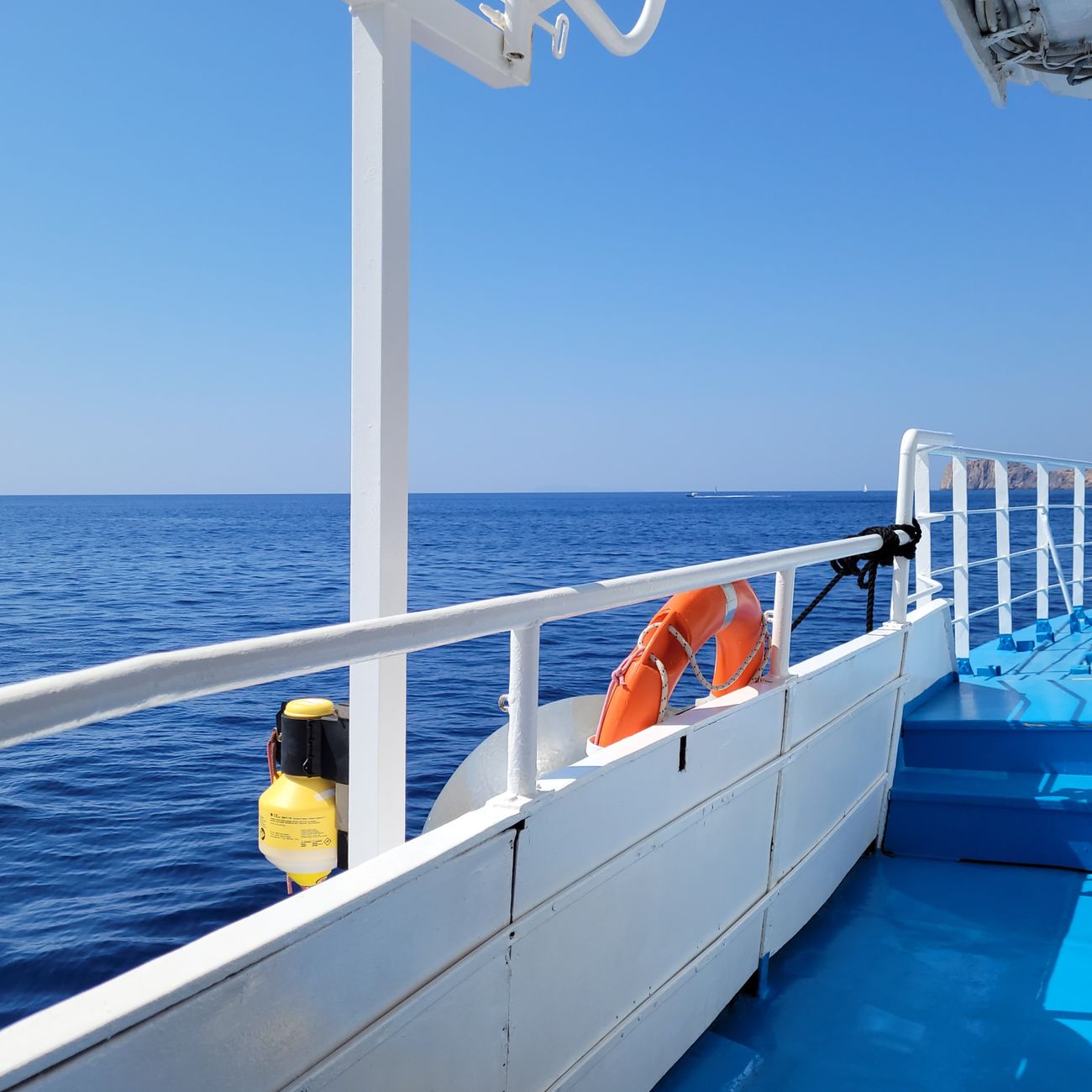
Marine safety audit procedures are a critical component of ensuring the safe operation of ships and preventing accidents at sea. A key term in this context is safety management, which refers to the systematic approach to managing safety risks and ensuring compliance with regulatory requirements. This involves identifying and assessing potential hazards, implementing controls to mitigate these hazards, and monitoring the effectiveness of these controls.
The International Maritime Organization (IMO) plays a crucial role in developing and implementing regulations and guidelines for marine safety audits. The IMO has established a set of standards and guidelines for safety management systems, including the ISM Code, which provides a framework for shipowners and operators to implement effective safety management systems. The ISM Code requires ships to have a safety management system in place that includes procedures for conducting internal audits and management reviews.
A key concept in marine safety audits is the idea of risk assessment, which involves identifying and evaluating potential hazards and taking steps to mitigate or eliminate them. This includes assessing the likelihood and potential impact of a hazard, as well as evaluating the effectiveness of existing controls. Risk assessment is an ongoing process that requires regular review and update to ensure that it remains effective.
Another important concept is compliance with regulatory requirements, which involves ensuring that the ship and its operations meet the requirements of relevant laws, regulations, and standards. This includes compliance with international conventions, such as the SOLAS and MARPOL conventions, as well as national and local regulations. Compliance is critical to ensuring the safe operation of ships and preventing accidents.
The process of conducting a marine safety audit involves several steps, including planning, preparation, and execution. The first step is to plan the audit, which involves identifying the scope and objectives of the audit, as well as the criteria and standards to be used. This includes reviewing relevant documentation, such as the ship's safety management system and procedures, and identifying areas of high risk.
The next step is to prepare for the audit, which involves gathering information and resources, such as audit checklists and protocols. This also includes identifying the audit team and ensuring that they have the necessary skills and expertise to conduct the audit. The audit team should include a lead auditor, who is responsible for overseeing the audit and ensuring that it is conducted in accordance with the plan and criteria.
The execution phase of the audit involves conducting the audit itself, which includes observing operations, reviewing documentation, and interviewing personnel. The audit team should use a systematic approach to gathering evidence, such as using checklists and protocols, and should document all findings and observations. The audit team should also identify any nonconformities or areas for improvement, and should provide recommendations for correction or improvement.
One of the challenges of conducting a marine safety audit is ensuring that it is conducted in a fair and impartial manner. This requires that the audit team is independent and unbiased, and that the audit is conducted in accordance with established criteria and standards. The audit team should also be aware of any potential conflicts of interest, and should take steps to mitigate or eliminate them.
Another challenge is ensuring that the audit is conducted in a timely and efficient manner. This requires that the audit team is well-organized and well-planned, and that the audit is conducted in accordance with a established schedule. The audit team should also be aware of any time constraints or limitations, and should take steps to ensure that the audit is completed within the required timeframe.
The results of the audit should be documented and reported to the relevant authorities, such as the shipowner or operator. The report should include a summary of the findings and observations, as well as any recommendations for correction or improvement. The report should also include any nonconformities or areas for improvement, and should provide a plan for addressing them.
The audit report should also include a rating or score that reflects the overall level of compliance and safety. This can be used to identify areas for improvement and to track progress over time. The rating or score can also be used to compare the safety performance of different ships or operators, and to identify best practices and areas for improvement.
In addition to the audit report, the results of the audit should also be communicated to the relevant personnel, such as the ship's crew and management. This includes providing feedback and coaching on any areas for improvement, as well as providing recognition and rewards for good performance. The results of the audit should also be used to improve the safety management system and to identify opportunities for innovation and improvement.
The frequency of marine safety audits can vary depending on the type of ship and the level of risk. For example, high-risk ships, such as those that carry hazardous cargo or operate in high-risk areas, may require more frequent audits. The frequency of audits can also depend on the results of previous audits, such as if the ship has a history of nonconformities or areas for improvement.
The cost of conducting a marine safety audit can also vary depending on the type of ship and the level of risk. For example, audits of high-risk ships may require more resources and expertise, and therefore may be more expensive. The cost of the audit should be justified by the benefits of improved safety and compliance, such as reduced risk of accidents and improved reputation.
The benefits of conducting a marine safety audit include improved safety and compliance, as well as reduced risk of accidents and improved reputation. The audit can also help to identify areas for improvement and opportunities for innovation and improvement. The audit can also provide a benchmark for measuring safety performance and tracking progress over time.
The challenges of conducting a marine safety audit include ensuring that it is conducted in a fair and impartial manner, as well as ensuring that it is conducted in a timely and efficient manner. The audit team should also be aware of any potential conflicts of interest, and should take steps to mitigate or eliminate them.
The future of marine safety audits is likely to involve the use of new technologies, such as digital audit tools and data analytics. These technologies can help to improve the efficiency and effectiveness of audits, as well as provide more accurate and reliable results. The use of digital audit tools can also help to reduce the cost and time required to conduct an audit, and can provide a more comprehensive and detailed picture of safety performance.
The role of the auditor is critical to the success of the audit. The auditor should be independent and impartial, and should have the necessary skills and expertise to conduct the audit. The auditor should also be aware of any potential conflicts of interest, and should take steps to mitigate or eliminate them. The auditor should also be aware of any time constraints or limitations, and should take steps to ensure that the audit is completed within the required timeframe.
The skills and knowledge required to conduct a marine safety audit include a strong understanding of safety management systems and regulatory requirements. The auditor should also have excellent communication and interpersonal skills, as well as the ability to work independently and as part of a team. The auditor should also be able to analyze and interpret complex data and information, and should be able to provide clear and concise recommendations for improvement.
The training and development of auditors is critical to ensuring that they have the necessary skills and knowledge to conduct a marine safety audit. This includes providing training on safety management systems and regulatory requirements, as well as on audit techniques and protocols. The auditor should also receive training on communication and interpersonal skills, as well as on time management and organization.
The certification of auditors is also important, as it provides a benchmark for measuring competence and expertise. The certification process should include a written examination, as well as a practical assessment of the auditor's skills and knowledge. The certification should also be recognized by relevant authorities, such as the IMO or national maritime authorities.
The continuing professional development of auditors is also critical to ensuring that they remain up-to-date with the latest developments and best practices in marine safety audits. This includes providing ongoing training and education, as well as opportunities for professional development and networking. The auditor should also be encouraged to participate in industry events and conferences, and to share their knowledge and expertise with others.
The industry trends and developments in marine safety audits include the use of new technologies, such as digital audit tools and data analytics. The industry is also placing a greater emphasis on safety culture and human factors, and is recognizing the importance of leadership and accountability in ensuring safety performance. The industry is also becoming more globalized and complex, and is requiring auditors to have a greater understanding of international regulations and standards.
The regulatory framework for marine safety audits includes a range of international and national regulations and standards. The IMO has established a set of international standards for safety management systems, including the ISM Code. The IMO has also established a set of guidelines for conducting marine safety audits, including the IMO Resolution A.1072(28). National maritime authorities have also established their own regulations and standards for marine safety audits.
The best practices for conducting a marine safety audit include using a systematic approach to gathering evidence, such as using checklists and protocols. The audit team should also be independent and impartial, and should have the necessary skills and expertise to conduct the audit. The audit should also be conducted in a timely and efficient manner, and should provide a comprehensive and detailed picture of safety performance.
The common challenges faced by auditors include ensuring that the audit is conducted in a fair and impartial manner, as well as ensuring that it is conducted in a timely and efficient manner.
The future directions for marine safety audits include the use of new technologies, such as digital audit tools and data analytics.
The role of the auditor in ensuring safety performance includes conducting regular audits and monitoring safety performance. The auditor should also provide feedback and coaching on any areas for improvement, as well as providing recognition and rewards for good performance. The auditor should also be aware of any potential risks and hazards, and should take steps to mitigate or eliminate them.
The importance of safety culture in marine safety audits cannot be overstated. A strong safety culture is critical to ensuring safety performance, and includes a commitment to safety from all levels of the organization. The auditor should assess the safety culture of the organization, and should provide feedback and recommendations for improvement.
The benefits of a strong safety culture include improved safety performance, as well as reduced risk of accidents and improved reputation. A strong safety culture also includes a commitment to continuous improvement, and includes a willingness to learn from mistakes and incidents. The auditor should assess the organization's commitment to continuous improvement, and should provide feedback and recommendations for improvement.
The challenges of implementing a strong safety culture include ensuring that it is embedded in all levels of the organization, and includes a commitment to safety from all personnel. The organization should also establish clear and concise policies and procedures for safety, and should provide regular training and education on safety topics.
The role of leadership in ensuring safety performance includes providing a commitment to safety from the top levels of the organization. The leader should also establish clear and concise policies and procedures for safety, and should provide regular training and education on safety topics. The leader should also be accountable for safety performance, and should take steps to ensure that safety is embedded in all levels of the organization.
The importance of accountability in ensuring safety performance cannot be overstated. The organization should establish clear and concise lines of accountability, and should ensure that all personnel are accountable for safety performance. The organization should also establish a system for reporting and investigating incidents and accidents, and should take steps to ensure that lessons are learned and implemented.
The benefits of accountability include improved safety performance, as well as reduced risk of accidents and improved reputation. Accountability also includes a commitment to transparency and openness, and includes a willingness to share information and learn from mistakes and incidents. The auditor should assess the organization's commitment to accountability, and should provide feedback and recommendations for improvement.
The challenges of implementing accountability include ensuring that it is embedded in all levels of the organization, and includes a commitment to accountability from all personnel. The organization should also establish clear and concise policies and procedures for accountability, and should provide regular training and education on accountability topics.
The role of the auditor in ensuring accountability includes conducting regular audits and monitoring safety performance.
The importance of continuous improvement in ensuring safety performance cannot be overstated. A commitment to continuous improvement includes a willingness to learn from mistakes and incidents, and to implement changes and improvements.
The benefits of continuous improvement include improved safety performance, as well as reduced risk of accidents and improved reputation. Continuous improvement also includes a commitment to innovation and creativity, and includes a willingness to try new approaches and technologies. The auditor should assess the organization's commitment to innovation and creativity, and should provide feedback and recommendations for improvement.
The challenges of implementing continuous improvement include ensuring that it is embedded in all levels of the organization, and includes a commitment to continuous improvement from all personnel. The organization should also establish clear and concise policies and procedures for continuous improvement, and should provide regular training and education on continuous improvement topics.
The role of the auditor in ensuring continuous improvement includes conducting regular audits and monitoring safety performance.
The importance of safety management systems in ensuring safety performance cannot be overstated. A safety management system includes a systematic approach to managing safety risks and ensuring compliance with regulatory requirements. The auditor should assess the organization's safety management system, and should provide feedback and recommendations for improvement.
The benefits of a safety management system include improved safety performance, as well as reduced risk of accidents and improved reputation. A safety management system also includes a commitment to continuous improvement, and includes a willingness to learn from mistakes and incidents.
The challenges of implementing a safety management system include ensuring that it is embedded in all levels of the organization, and includes a commitment to safety from all personnel.
The role of the auditor in ensuring a safety management system includes conducting regular audits and monitoring safety performance.
The importance of regulatory compliance in ensuring safety performance cannot be overstated. Regulatory compliance includes a commitment to comply with all relevant laws, regulations, and standards. The auditor should assess the organization's commitment to regulatory compliance, and should provide feedback and recommendations for improvement.
The benefits of regulatory compliance include improved safety performance, as well as reduced risk of accidents and improved reputation. Regulatory compliance also includes a commitment to transparency and openness, and includes a willingness to share information and learn from mistakes and incidents. The auditor should assess the organization's commitment to transparency and openness, and should provide feedback and recommendations for improvement.
The challenges of implementing regulatory compliance include ensuring that it is embedded in all levels of the organization, and includes a commitment to compliance from all personnel. The organization should also establish clear and concise policies and procedures for compliance, and should provide regular training and education on compliance topics.
The role of the auditor in ensuring regulatory compliance includes conducting regular audits and monitoring safety performance.
The importance of industry standards in ensuring safety performance cannot be overstated. Industry standards include a set of guidelines and best practices for safety management. The auditor should assess the organization's commitment to industry standards, and should provide feedback and recommendations for improvement.
The benefits of industry standards include improved safety performance, as well as reduced risk of accidents and improved reputation. Industry standards also include a commitment to continuous improvement, and includes a willingness to learn from mistakes and incidents.
The challenges of implementing industry standards include ensuring that they are embedded in all levels of the organization, and includes a commitment to standards from all personnel. The organization should also establish clear and concise policies and procedures for standards, and should provide regular training and education on standards topics.
The role of the auditor in ensuring industry standards includes conducting regular audits and monitoring safety performance.
The importance of safety performance metrics in ensuring safety performance cannot be overstated. Safety performance metrics include a set of indicators and benchmarks for measuring safety performance. The auditor should assess the organization's safety performance metrics, and should provide feedback and recommendations for improvement.
The benefits of safety performance metrics include improved safety performance, as well as reduced risk of accidents and improved reputation. Safety performance metrics also include a commitment to continuous improvement, and includes a willingness to learn from mistakes and incidents.
The challenges of implementing safety performance metrics include ensuring that they are embedded in all levels of the organization, and includes a commitment to metrics from all personnel. The organization should also establish clear and concise policies and procedures for metrics, and should provide regular training and education on metrics topics.
The role of the auditor in ensuring safety performance metrics includes conducting regular audits and monitoring safety performance.
The importance of audit checklists in ensuring safety performance cannot be overstated. Audit checklists include a set of guidelines and best practices for conducting audits. The auditor should assess the organization's audit checklists, and should provide feedback and recommendations for improvement.
The benefits of audit checklists include improved safety performance, as well as reduced risk of accidents and improved reputation. Audit checklists also include a commitment to continuous improvement, and includes a willingness to learn from mistakes and incidents.
The challenges of implementing audit checklists include ensuring that they are embedded in all levels of the organization, and includes a commitment to checklists from all personnel. The organization should also establish clear and concise policies and procedures for checklists, and should provide regular training and education on checklist topics.
The role of the auditor in ensuring audit checklists includes conducting regular audits and monitoring safety performance.
The importance of audit protocols in ensuring safety performance cannot be overstated. Audit protocols include a set of guidelines and best practices for conducting audits. The auditor should assess the organization's audit protocols, and should provide feedback and recommendations for improvement.
The benefits of audit protocols include improved safety performance, as well as reduced risk of accidents and improved reputation. Audit protocols also include a commitment to continuous improvement, and includes a willingness to learn from mistakes and incidents.
The challenges of implementing audit protocols include ensuring that they are embedded in all levels of the organization, and includes a commitment to protocols from all personnel. The organization should also establish clear and concise policies and procedures for protocols, and should provide regular training and education on protocol topics.
The role of the auditor in ensuring audit protocols includes conducting regular audits and monitoring safety performance.
The importance of audit reports in ensuring safety performance cannot be overstated. Audit reports include a summary of the audit findings and recommendations for improvement. The auditor should assess the organization's audit reports, and should provide feedback and recommendations for improvement.
The benefits of audit reports include improved safety performance, as well as reduced risk of accidents and improved reputation. Audit reports also include a commitment to continuous improvement, and includes a willingness to learn from mistakes and incidents.
The challenges of implementing audit reports include ensuring that they are embedded in all levels of the organization, and includes a commitment to reports from all personnel. The organization should also establish clear and concise policies and procedures for reports, and should provide regular training and education on report topics.
The role of the auditor in ensuring audit reports includes conducting regular audits and monitoring safety performance.
The importance of audit follow-up in ensuring safety performance cannot be overstated. Audit follow-up includes a review of the audit findings and recommendations for improvement. The auditor should assess the organization's audit follow-up, and should provide feedback and recommendations for improvement.
The benefits of audit follow-up include improved safety performance, as well as reduced risk of accidents and improved reputation. Audit follow-up also includes a commitment to continuous improvement, and includes a willingness to learn from mistakes and incidents.
The challenges of implementing audit follow-up include ensuring that it is embedded in all levels of the organization, and includes a commitment to follow-up from all personnel. The organization should also establish clear and concise policies and procedures for follow-up, and should provide regular training and education on follow-up topics.
The role of the auditor in ensuring audit follow-up includes conducting regular audits and monitoring safety performance.
The importance of auditor competency in ensuring safety performance cannot be overstated. Auditor competency includes a set of skills and knowledge required to conduct audits. The auditor should assess the organization's auditor competency, and should provide feedback and recommendations for improvement.
The benefits of auditor competency include improved safety performance, as well as reduced risk of accidents and improved reputation. Auditor competency also includes a commitment to continuous improvement, and includes a willingness to learn from mistakes and incidents.
The challenges of implementing auditor competency include ensuring that it is embedded in all levels of the organization, and includes a commitment to competency from all personnel. The organization should also establish clear and concise policies and procedures for competency, and should provide regular training and education on competency topics.
The role of the auditor in ensuring auditor competency includes conducting regular audits and monitoring safety performance.
The importance of auditor training in ensuring safety performance cannot be overstated. Auditor training includes a set of programs and courses required to develop auditor competency. The auditor should assess the organization's auditor training, and should provide feedback and recommendations for improvement.
The benefits of auditor training include improved safety performance, as well as reduced risk of accidents and improved reputation. Auditor training also includes a commitment to continuous improvement, and includes a willingness to learn from mistakes and incidents.
The challenges of implementing auditor training include ensuring that it is embedded in all levels of the organization, and includes a commitment to training from all personnel. The organization should also establish clear and concise policies and procedures for training, and should provide regular training and education on training topics.
The role of the auditor in ensuring auditor training includes conducting regular audits and monitoring safety performance.
The importance of auditor certification in ensuring safety performance cannot be overstated. Auditor certification includes a set of standards and requirements required to demonstrate auditor competency. The auditor should assess the organization's auditor certification, and should provide feedback and recommendations for improvement.
The benefits of auditor certification include improved safety performance, as well as reduced risk of accidents and improved reputation. Auditor certification also includes a commitment to continuous improvement, and includes a willingness to learn from mistakes and incidents.
The challenges of implementing auditor certification include ensuring that it is embedded in all levels of the organization, and includes a commitment to certification from all personnel. The organization should also establish clear and concise policies and procedures for certification, and should provide regular training and education on certification topics.
The role of the auditor in ensuring auditor certification includes conducting regular audits and monitoring safety performance.
Key takeaways
- A key term in this context is safety management, which refers to the systematic approach to managing safety risks and ensuring compliance with regulatory requirements.
- The IMO has established a set of standards and guidelines for safety management systems, including the ISM Code, which provides a framework for shipowners and operators to implement effective safety management systems.
- A key concept in marine safety audits is the idea of risk assessment, which involves identifying and evaluating potential hazards and taking steps to mitigate or eliminate them.
- Another important concept is compliance with regulatory requirements, which involves ensuring that the ship and its operations meet the requirements of relevant laws, regulations, and standards.
- The first step is to plan the audit, which involves identifying the scope and objectives of the audit, as well as the criteria and standards to be used.
- The audit team should include a lead auditor, who is responsible for overseeing the audit and ensuring that it is conducted in accordance with the plan and criteria.
- The audit team should use a systematic approach to gathering evidence, such as using checklists and protocols, and should document all findings and observations.