
Global Migration Patterns and Policies
Refugee – a person who has been forced to flee his or her country because of persecution, war, or violence, and who cannot safely return. The legal definition is set out in the 1951 Convention Relating to the Status of Refugees. For example…
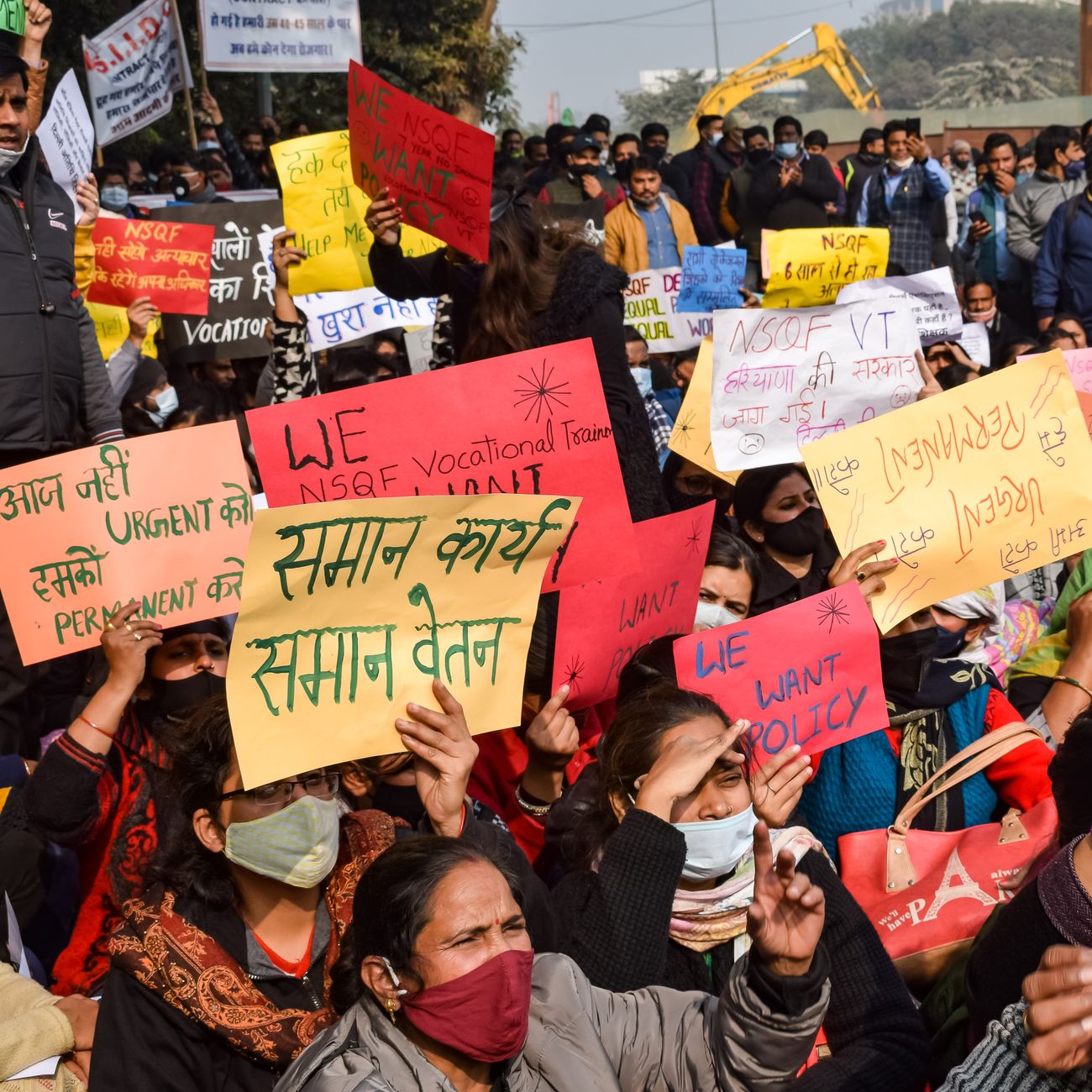
Refugee – a person who has been forced to flee his or her country because of persecution, war, or violence, and who cannot safely return. The legal definition is set out in the 1951 Convention Relating to the Status of Refugees. For example, Syrians who escaped the civil war in 2011 are classified as refugees when they cross an international border and claim protection. In health practice, refugees often present with trauma‑related disorders, infectious disease exposure, and unmet chronic care needs. Practitioners must be aware of the legal status because it determines eligibility for services, housing, and employment in host countries.
Asylum seeker – an individual who has applied for protection but whose claim has not yet been decided. Unlike recognized refugees, asylum seekers may reside in reception centres while their applications are processed. The case of a Venezuelan who arrived in Colombia and lodged an asylum claim illustrates this status. Health providers must deliver care without discrimination, even when the legal outcome is pending, and must be prepared for the uncertainty that can exacerbate mental‑health symptoms.
Internally displaced person (IDP) – a person forced to flee their home but who remains within the borders of their own country. The displacement of people in the eastern Democratic Republic of Congo illustrates large‑scale IDP movements. Because IDPs do not cross an international border, they do not qualify for refugee protection under international law, yet they face similar health risks, including lack of access to clean water, nutrition, and psychosocial support.
Forced migration – movement compelled by conflict, persecution, natural disaster, or development projects. The Roh Rohingya exodus from Myanmar’s Rakhine State in 2017 is a classic case. Forced migrants often experience cumulative trauma, making comprehensive health assessments essential. Programs that incorporate trauma‑informed care and community‑based mental‑health services have shown better outcomes than those that focus solely on physical health.
Voluntary migration – movement motivated by personal or economic aspirations rather than immediate threat. A farmer from rural India moving to a city for employment is an example. While the term “voluntary” suggests agency, scholars note that economic hardship can create a “push” dynamic that blurs the line between voluntary and forced migration.
Push factors – conditions that drive people away from their place of origin, such as war, persecution, poverty, or environmental degradation. For instance, climate‑related drought in the Sahel region pushes families to migrate toward urban centres or across borders. Understanding push factors helps health professionals anticipate the health needs of arriving populations, such as malnutrition or exposure to vector‑borne diseases.
Pull factors – attributes of a destination that attract migrants, including employment opportunities, safety, or established diaspora networks. The presence of a strong Somali community in Minneapolis serves as a pull factor for new arrivals, facilitating integration through shared language, cultural practices, and social support. Health services can leverage diaspora networks to disseminate health information and improve outreach.
Migration corridor – a route frequently used by migrants, often established over decades. The Central American “Northern Triangle” corridor, spanning Guatemala, Honduras, and El Salvador toward the United States, exemplifies a well‑known path. Corridors influence health risks: Migrants may encounter infectious disease exposure in transit camps, face violence from criminal groups, or endure hazardous travel conditions that lead to injuries.
Diaspora – a community of people from a common origin living outside their homeland. The Ethiopian diaspora in Washington, D.C., Provides social capital that can assist newly arrived migrants with housing, employment, and health navigation. Programs that partner with diaspora leaders can improve cultural competency and trust, leading to higher uptake of preventive services such as vaccinations.
Remittances – funds sent by migrants to family members in their country of origin. In 2022, remittances to South Asia exceeded $150 billion, representing a crucial source of household income. From a health perspective, remittances can fund nutrition, education, and medical expenses, but they can also create dependency dynamics that affect mental health and gender relations within families.
Brain drain – the emigration of highly skilled professionals from low‑income to high‑income countries. The loss of physicians from Nigeria to the United Kingdom illustrates this phenomenon. While host countries benefit from the influx of trained health workers, source countries experience shortages that compromise health system capacity. Policies such as bilateral agreements for temporary migration or return‑of‑service schemes aim to mitigate brain drain while respecting individual mobility rights.
Brain gain – the reciprocal effect when skilled migrants acquire new expertise abroad and return home, or when host countries benefit from enhanced diversity and innovation. The return of a nurse who trained in Canada to her community in Kenya, bringing back advanced neonatal care practices, exemplifies brain gain. Health systems can foster brain gain through continuous professional development programs and recognition of foreign qualifications.
Irregular migration – movement that occurs outside the formal channels of immigration law, often without valid documentation. Many migrants from the Horn of Africa travel by boat to Europe without visas, entering an irregular status. Irregular migrants face heightened vulnerability to exploitation, detention, and barriers to health care. Outreach services must balance legal sensitivities with the imperative to provide humanitarian assistance.
Human smuggling – the procurement of illegal entry into a country for a fee, typically involving organized networks. Smuggling operations across the Mediterranean have resulted in numerous boat capsizes, leading to loss of life. Health responders must be prepared for mass casualty events, provide rapid triage, and address the psychological impact on survivors.
Human trafficking – the recruitment, transport, or harboring of persons through force, fraud, or coercion for exploitation. Victims may be forced into labor, sexual exploitation, or forced marriage. The distinction between smuggling (consensual, fee‑based) and trafficking (coercive, exploitative) is critical for health professionals, as victims require specialized trauma‑informed services, legal protection, and safe housing.
Border control – the set of policies and practices governing entry and exit at national frontiers. Measures such as visa requirements, biometric screening, and physical barriers shape migration flows. While border control aims to regulate movement, it can also create health risks when migrants are detained in overcrowded facilities, increasing the spread of communicable diseases like COVID‑19.
Asylum policy – the legal framework governing the assessment and granting of protection to asylum seekers. The United States’ “credible fear” interview process exemplifies a procedural element of asylum policy. Health practitioners may be called upon to provide medical evidence supporting claims of persecution, such as documentation of torture or gender‑based violence.
Integration – the process by which migrants become full participants in the social, economic, and cultural life of the host society. Successful integration includes language acquisition, employment, and access to health services. Programs that combine language classes with health literacy workshops have demonstrated improved health outcomes among newly arrived refugees.
Acculturation – the cultural and psychological changes that occur when individuals from different cultures come into continuous contact. Acculturation stress can arise when migrants feel pressure to adopt host‑country norms while preserving their own identity. Health providers can assess acculturation levels to tailor counseling and support services.
Social determinants of health – the conditions in which people are born, grow, live, work, and age, influencing health status. For migrants, determinants include legal status, housing stability, employment, and discrimination. Addressing these determinants requires intersectoral collaboration beyond the health sector, involving housing agencies, labor ministries, and education providers.
Xenophobia – fear or hatred of foreigners, often manifesting as discrimination or violence. In Europe, spikes in xenophobic sentiment following the 2015 migrant surge led to hate crimes against Syrian families. Xenophobia directly impacts health by limiting access to services, increasing stress, and deterring individuals from seeking care.
Global Compact on Refugees – a United Nations agreement adopted in 2018 to improve the international response to refugee situations. It emphasizes burden‑sharing, host‑country support, and solutions that include resettlement, local integration, and voluntary repatriation. Health professionals can contribute by providing data on health needs that inform resource allocation under the Compact.
Global Compact for Safe, Orderly and Regular Migration – another UN framework, adopted in 2018, focusing on migration governance, rights, and development. It calls for improved data collection, protection of migrant rights, and cooperation among states. The Compact encourages the inclusion of health considerations in migration policies, such as ensuring access to primary care for all migrants irrespective of status.
Dublin Regulation – an EU law that determines which member state is responsible for examining an asylum claim, typically the first country of entry. This regulation can lead to “asylum shopping” where migrants are moved from one state to another. Health implications include disruptions in continuity of care and increased stress due to repeated relocations.
Resettlement – the transfer of refugees from a host country to a third country that has agreed to admit them permanently. The United Nations High Commissioner for Refugees (UNHCR) coordinates resettlement for the most vulnerable cases, such as survivors of torture. Health screening before resettlement ensures that chronic conditions are identified and managed in the receiving country.
Host‑country responsibilities – obligations of the country where refugees or migrants first arrive, including providing basic shelter, food, and medical care. International law expects host countries to protect fundamental rights, even when resources are limited. Partnerships with NGOs and international agencies can augment capacity and improve health service delivery.
Third‑country resettlement – the process of relocating refugees to a nation other than the one where they first sought asylum. Countries such as Canada, Australia, and Sweden have extensive resettlement programmes. Health assessments are conducted prior to arrival, and settlement services include language training, employment assistance, and culturally appropriate health care.
Humanitarian admission – a visa category allowing vulnerable migrants to enter a country for humanitarian reasons, often without a formal refugee status. The United Kingdom’s “Humanitarian Protection” route allows individuals facing grave risk to receive temporary residence. Health providers must be aware of the time‑limited nature of these permits to plan long‑term care.
Temporary protection – a short‑term legal status granted to groups of displaced persons when a mass influx occurs. The European Union activated temporary protection for Ukrainian refugees in 2022, allowing immediate access to work permits, health care, and education. Temporary protection simplifies administrative procedures but may create uncertainty about long‑term integration and health planning.
Durable solutions – long‑term outcomes for displaced persons, including voluntary repatriation, local integration, or resettlement. Durable solutions aim to restore a sense of normalcy and stability, which are essential for mental health recovery. Health programmes that align with durable‑solution strategies can better allocate resources and support continuity of care.
Mixed migration – flows that include individuals with diverse motivations, such as economic migrants, refugees, and people seeking family reunification, moving along the same routes. The Mediterranean crossing often involves mixed migration, making it difficult for authorities to differentiate between those eligible for asylum and those seeking work. Health assessments must be flexible enough to address varied needs without stigmatizing any group.
Legal limbo – a situation where migrants lack recognized status, leaving them without clear rights to work, health care, or education. Stateless persons, for whom no country acknowledges citizenship, often experience legal limbo. Health providers must navigate ethical dilemmas when delivering care to individuals whose legal status is uncertain, ensuring that the principle of medical ethics—treatment without discrimination—prevails.
Intersectionality – the concept that multiple social identities (e.G., Gender, ethnicity, disability, sexual orientation) intersect to produce unique experiences of oppression or privilege. A Syrian woman with a disability may face compounded barriers in accessing health services compared with a male counterpart. Intersectional analysis helps design inclusive health interventions that address layered vulnerabilities.
Health screening – systematic medical examinations conducted to identify health conditions among migrants. Pre‑arrival screening for tuberculosis, HIV, and vaccine‑preventable diseases is common in resettlement programmes. Early detection enables timely treatment, reduces transmission, and facilitates integration into host‑country health systems.
Mental‑health assessment – evaluation of psychological wellbeing, often using tools such as the Refugee Health Screener. Trauma‑related disorders, depression, and anxiety are prevalent among forcibly displaced populations. Incorporating mental‑health assessment into routine care improves detection and allows for culturally appropriate interventions, such as narrative exposure therapy.
Trauma‑informed care – an approach that recognizes the widespread impact of trauma and integrates this understanding into policies, procedures, and practices. In migrant health settings, trauma‑informed care involves creating safe environments, offering choice, and avoiding re‑traumatization. For example, providing private spaces for examinations respects personal dignity and reduces stress.
Cultural competence – the ability of health professionals to deliver services that meet the social, cultural, and linguistic needs of patients. Training in cultural competence may include learning about traditional healing practices, religious customs, and communication styles. When clinicians are culturally competent, patients are more likely to adhere to treatment plans and report satisfaction.
Language access – provision of translation and interpretation services to overcome language barriers. Professional interpreters improve diagnostic accuracy and patient safety compared with ad‑hoc family members. Health systems that embed language access into standard operating procedures see reduced errors and higher patient engagement.
Health literacy – the capacity to obtain, process, and understand basic health information needed to make appropriate health decisions. Migrants often have limited health literacy due to unfamiliarity with the host‑country health system. Educational workshops that explain how to navigate health insurance, schedule appointments, and understand medication labels can empower migrants to manage their own health.
Community health workers (CHWs) – laypersons who serve as bridges between health services and the community. CHWs from migrant backgrounds can conduct outreach, provide health education, and facilitate referrals. In the United States, CHWs working with Somali refugees have successfully increased vaccination rates and prenatal care attendance.
Social integration programmes – initiatives that promote interaction between migrants and host‑community members through activities such as sports, arts, and civic participation. These programmes enhance social cohesion, reduce xenophobia, and improve mental health. A city‑wide “Welcome Festival” that pairs newcomers with local families can foster mutual understanding and support.
Legal aid – assistance provided to migrants in navigating immigration law, asylum procedures, and rights protection. Access to competent legal representation significantly increases the likelihood of a positive asylum outcome. Health professionals can refer patients to legal‑aid services, recognizing that legal insecurity directly affects health through stress and uncertainty.
Data collection and monitoring – systematic gathering of information on migrant health indicators, migration flows, and policy impacts. Accurate data enable evidence‑based decision making and resource allocation. However, challenges include fragmented data sources, privacy concerns, and political resistance. Collaborative platforms that harmonize health and migration data improve surveillance and response capabilities.
Policy evaluation – systematic assessment of the effectiveness, efficiency, and equity of migration‑related policies. For instance, evaluating the impact of a host‑country’s “no‑recourse‑to‑public‑funds” rule on refugee health outcomes can reveal unintended consequences such as increased emergency‑room utilization. Robust evaluation informs policy revisions and promotes best practices.
Human rights‑based approach – a framework that places respect for human rights at the core of health and migration policies. This approach obligates states to protect the right to health, non‑discrimination, and dignity for all migrants, regardless of status. Embedding human‑rights principles into health programmes ensures that services are delivered ethically and legally.
Health equity – the pursuit of fair opportunities for all individuals to achieve optimal health, removing obstacles such as poverty, discrimination, and lack of access. Migrants often experience health inequities due to barriers like language, legal status, and cultural differences. Targeted interventions, such as mobile clinics in migrant camps, aim to close these gaps.
Climate‑induced migration – displacement triggered by environmental changes such as sea‑level rise, extreme weather, or gradual desertification. The displacement of island communities in the Pacific illustrates this emerging phenomenon. Climate‑induced migrants may not fit neatly into existing refugee definitions, creating policy gaps. Health systems must anticipate new patterns of disease, nutrition, and mental‑health needs associated with climate disruption.
Urban migration – movement from rural to urban areas within a country, often driven by economic opportunity. Rapid urbanization in countries like Nigeria leads to informal settlements where health services are scarce. Urban migrants may face occupational hazards, inadequate housing, and limited access to clean water, requiring tailored public‑health interventions.
Rural‑to‑urban remittances – funds sent by migrants working in cities back to their families in rural areas. These remittances can improve nutrition, education, and health service utilization in remote communities. However, reliance on remittances may also create gendered power imbalances if women are excluded from financial decision‑making.
Migration health policy – governmental strategies that address the health needs of migrants, refugees, and asylum seekers. Policies may include provisions for health insurance eligibility, vaccination mandates, and cross‑border health cooperation. Effective migration health policy balances public‑health protection with respect for migrants’ rights and dignity.
Cross‑border health cooperation – collaborative arrangements between neighboring countries to provide continuity of care for mobile populations. The “Migrant Health Corridor” between Mexico and the United States facilitates shared medical records for patients receiving treatment on both sides of the border. Such cooperation reduces duplication of services and improves health outcomes.
Health‑in‑all‑policies (HiAP) – an approach that integrates health considerations into policymaking across sectors such as housing, education, and transportation. Applying HiAP to migration ensures that decisions on border security, labor markets, and asylum procedures account for health impacts. For example, a policy that restricts migrant workers’ access to occupational health services would be identified as harmful through HiAP analysis.
Occupational health for migrants – the study and management of workplace hazards that disproportionately affect migrant workers, who often occupy high‑risk jobs in construction, agriculture, and manufacturing. Lack of language‑appropriate safety training can increase injury rates. Employers must provide training in the worker’s native language and ensure access to medical care for work‑related injuries.
Health insurance eligibility – criteria determining who can enroll in public or private health coverage. In many countries, undocumented migrants are excluded from national health insurance, leading to reliance on emergency services. Expanding eligibility to include all residents, regardless of status, improves population health and reduces overall costs.
Vaccination programmes – initiatives to immunize migrant populations against preventable diseases such as measles, polio, and hepatitis B. Refugee camps often serve as focal points for mass vaccination campaigns. Challenges include vaccine hesitancy, cultural beliefs, and logistical constraints in remote settings. Community engagement and culturally sensitive communication increase uptake.
Maternal and child health (MCH) – services focused on the health of pregnant women, newborns, and children. Migrant women may encounter barriers to prenatal care, leading to higher rates of complications. Culturally adapted MCH programmes that provide translation, gender‑sensitive care, and outreach through community health workers have demonstrated improved birth outcomes.
Infectious disease surveillance – systematic monitoring of disease incidence among migrant populations to detect outbreaks early. Screening for tuberculosis among newly arrived refugees is a standard practice in many high‑income countries. Surveillance data must be handled confidentially to avoid stigmatization and to protect individuals’ privacy.
Non‑communicable disease (NCD) management – addressing chronic conditions such as diabetes, hypertension, and cardiovascular disease among migrants. NCDs often go undiagnosed in refugee settings due to limited screening capacity. Integrating NCD care into primary‑health‑care clinics within camps ensures continuity of treatment and reduces complications.
Nutrition security – access to sufficient, safe, and nutritious food. Displacement can disrupt traditional food systems, leading to malnutrition. Humanitarian food assistance programmes must consider cultural dietary preferences to improve acceptability. For example, providing halal‑certified food to Muslim refugees respects religious practices and encourages consumption.
Water, sanitation, and hygiene (WASH) – essential services that prevent disease transmission. In overcrowded refugee camps, inadequate WASH infrastructure contributes to diarrheal disease outbreaks. Implementing point‑of‑use water treatment, latrine construction, and hygiene education reduces morbidity.
Gender‑based violence (GBV) prevention – strategies to protect women, girls, and LGBTQ+ individuals from sexual exploitation, intimate‑partner violence, and trafficking. Safe spaces, confidential reporting mechanisms, and survivor‑centred care are critical components. Health providers must be trained to recognize signs of GBV and to offer appropriate referrals.
Legal status and health access – the relationship between a migrant’s documentation and their ability to obtain health services. Undocumented migrants may avoid clinics for fear of deportation, resulting in delayed treatment. Policies that separate health services from immigration enforcement encourage timely care and protect public health.
Detention health – medical care provided to individuals held in immigration detention centres. Conditions in detention, such as overcrowding and limited medical staffing, can exacerbate health problems. International guidelines call for independent health assessments, adequate medication supplies, and mental‑health support for detainees.
Health impact assessment (HIA) – a systematic process to evaluate the potential health effects of a policy, project, or program before implementation. Conducting an HIA on a new border‑wall proposal can reveal consequences such as restricted access to health facilities for cross‑border patients, informing mitigation strategies.
Migration governance – the structures and processes through which migration is managed, involving governments, international organizations, civil society, and private actors. Good governance requires transparency, accountability, and participation of migrants themselves. Inclusive governance leads to policies that better reflect lived realities and health needs.
Humanitarian assistance – aid delivered to alleviate suffering during crises, including food, shelter, medical care, and protection. Humanitarian actors coordinate with health ministries to ensure that services are culturally appropriate and meet the standards of the Sphere Handbook. Coordination mechanisms, such as cluster meetings, facilitate efficient resource use.
Resilience building – efforts to enhance the capacity of individuals and communities to cope with adversity. For migrants, resilience may be fostered through social networks, skill development, and empowerment programmes. Health interventions that incorporate resilience concepts can improve mental‑health outcomes and promote self‑efficacy.
Social inclusion – the process of ensuring that all members of society, including migrants, can fully participate in civic, economic, and cultural life. Social exclusion, manifested as discrimination or segregation, negatively impacts health. Policies that promote inclusive education, anti‑discrimination laws, and community engagement reduce exclusion.
Policy coherence – alignment of migration policies with other sectors such as health, labor, and education, ensuring that objectives do not conflict. For example, a labor‑migration policy that restricts access to health insurance undermines public‑health goals. Coherent policies require inter‑ministerial coordination and shared objectives.
International protection frameworks – legal instruments that safeguard individuals fleeing persecution, including the 1951 Refugee Convention, the 1967 Protocol, and regional agreements like the African Union’s Kampala Convention. Understanding these frameworks helps health professionals navigate eligibility criteria and advocate for patients’ rights.
Statelessness – the condition of lacking any nationality, often resulting from discriminatory laws or gaps in birth registration. Stateless persons cannot access many services, including health care. Initiatives such as birth‑registration drives and legal reforms aim to reduce statelessness and improve health access.
Migration health research – scholarly inquiry into the health experiences of migrants, covering epidemiology, service delivery, and policy analysis. Robust research informs evidence‑based practice and contributes to global knowledge. Ethical considerations include informed consent, confidentiality, and avoidance of exploitation.
Ethical considerations – principles guiding the conduct of health professionals working with migrants, such as beneficence, non‑maleficence, autonomy, and justice. Practitioners must balance respect for cultural beliefs with medical standards, ensuring that interventions are both effective and culturally respectful.
Capacity building – efforts to strengthen the skills, resources, and systems of health workers and institutions serving migrants. Training programs on culturally competent care, trauma‑informed approaches, and language services enhance capacity. Partnerships with academic institutions can provide ongoing professional development.
Funding mechanisms – financial sources that support migration‑related health programmes, including government budgets, donor grants, and multilateral funds like the Global Fund. Sustainable financing is critical for long‑term service provision. Transparent budgeting and accountability mechanisms improve donor confidence.
Public‑private partnerships (PPPs) – collaborations between government agencies and private sector entities to deliver health services to migrants. A PPP that supplies mobile clinics in border regions can expand reach while leveraging private expertise. Clear contractual arrangements and shared goals are essential for success.
Health‑rights advocacy – activities aimed at influencing policy, raising awareness, and protecting the health of migrants. Advocacy may involve lobbying legislators, organizing community campaigns, or publishing research findings. Effective advocacy combines evidence, storytelling, and coalition‑building.
Policy advocacy tools – instruments such as policy briefs, stakeholder analysis, and impact modelling used to influence decision‑makers. A policy brief outlining the cost‑benefits of extending health insurance to undocumented migrants can persuade legislators to adopt inclusive reforms.
Stakeholder engagement – the process of involving all parties affected by migration policies, including migrants themselves, NGOs, community leaders, and government officials. Inclusive engagement ensures that policies are responsive to real‑world needs and enhances legitimacy.
Monitoring and evaluation (M&E) – systematic tracking of programme performance against objectives, using indicators such as vaccination coverage, service utilization, and patient satisfaction. M&E data guide adjustments, demonstrate impact, and support accountability.
Humanitarian‑development nexus – the intersection where emergency relief and long‑term development efforts meet. In protracted crises, shifting from short‑term aid to sustainable health systems is essential. Integrated approaches that combine immediate medical response with capacity building create lasting benefits.
Migration‑health nexus – the dynamic relationship between migration flows and health outcomes, where each influences the other. Health crises can trigger migration (e.G., Ebola outbreaks), while migration can affect disease transmission patterns. Understanding this nexus informs comprehensive policy design.
Risk assessment – the systematic identification of potential hazards associated with migration routes, detention facilities, or settlement locations. Conducting risk assessments helps allocate resources, implement preventive measures, and protect both migrants and host‑community health.
Health‑policy mapping – visual representation of the various policies that impact migrant health, highlighting overlaps, gaps, and points of interaction. Mapping exercises reveal redundancies, such as multiple agencies providing similar services, and opportunities for coordination.
Legal frameworks for health – national laws that define the right to health, obligations of the state, and mechanisms for redress. In many jurisdictions, the constitution guarantees health as a fundamental right, extending to migrants regardless of status. Understanding these frameworks empowers health professionals to claim entitlements for their patients.
Migration data gaps – deficiencies in the collection, quality, and availability of information on migrant populations. Incomplete data on undocumented migrants hampers planning and resource allocation. Innovative methods, such as respondent‑driven sampling, can help fill these gaps while protecting anonymity.
Health‑system strengthening – actions to improve the performance of health services, including governance, financing, workforce, and information systems. Tailoring system‑strengthening initiatives to migrant needs ensures that services are accessible, responsive, and equitable.
Telemedicine for migrants – use of digital platforms to deliver health consultations remotely, overcoming geographic and language barriers. Tele‑psychiatry services for refugees in remote camps have demonstrated feasibility, though challenges include internet connectivity and data security.
Digital health records – electronic systems that store patient information, enabling continuity of care across borders. Shared digital records between health authorities in neighboring countries facilitate follow‑up for migrants moving between health systems. Data protection safeguards are essential to maintain confidentiality.
Health‑impact of border policies – analysis of how border closures, checkpoints, or visa restrictions affect population health. The COVID‑19 pandemic illustrated how abrupt border shutdowns disrupted medication supply chains for chronic disease patients in migrant communities. Policy‑impact studies inform balanced approaches that protect health while addressing security concerns.
Humanitarian‑health ethics – ethical principles specific to crisis settings, emphasizing impartiality, neutrality, and independence. Health workers must navigate dilemmas such as prioritizing limited resources among competing needs, while maintaining adherence to humanitarian principles.
Community‑based participatory research (CBPR) – collaborative research involving community members as equal partners in all phases. CBPR projects with migrant communities have produced culturally relevant health interventions, such as breast‑cancer screening education tailored to South Asian women.
Social‑network analysis – methodological tool to map connections among individuals, organizations, and institutions. In migration studies, social‑network analysis reveals how information about health services spreads through migrant networks, informing outreach strategies.
Health‑financing models – structures for funding health services, ranging from tax‑based systems to insurance schemes. Migrant‑inclusive financing models, such as universal health coverage that does not require citizenship, promote equity and reduce financial barriers.
Legal migration pathways – formal channels for migration, such as work visas, family reunification, and humanitarian resettlement. Expanding legal pathways reduces reliance on irregular routes, decreasing exposure to smuggling and trafficking risks. Policymakers can develop flexible programs that match labor market needs while safeguarding rights.
Policy spillover effects – unintended consequences of a policy in one sector that affect another sector. For example, restrictive immigration enforcement may deter migrants from seeking health care, indirectly increasing public‑health risks. Recognizing spillover effects enables comprehensive policy design.
Health‑in‑migration research agenda – a prioritized set of research questions guiding future investigations. Key areas include the health impact of climate‑driven migration, effectiveness of integration programmes, and cost‑effectiveness of inclusive health insurance policies.
Humanitarian‑health coordination mechanisms – structures that align the actions of multiple actors during emergencies. The “Health Cluster” led by the World Health Organization coordinates NGOs, UN agencies, and governments to deliver cohesive medical response. Effective coordination reduces duplication and ensures that critical gaps are addressed.
Health‑service delivery models – approaches for providing care, such as fixed‑site clinics, mobile units, and community health posts. Migrant‑focused delivery models often combine mobile outreach with fixed facilities to reach dispersed populations. Evaluating model performance helps allocate resources efficiently.
Gender‑sensitive health programming – design that considers the distinct health needs of men, women, and gender‑diverse individuals. For example, providing separate waiting areas for women in culturally conservative contexts respects privacy and encourages utilization of reproductive‑health services.
Child protection in migration – safeguarding children from exploitation, abuse, and neglect during displacement. Health workers serve as frontline reporters of child‑protection concerns, linking families to social‑service interventions. Training on child‑protection protocols enhances early identification and response.
Health‑policy advocacy networks – coalitions of NGOs, professional associations, and academic institutions that collectively influence policy. Networks such as the International Society of Migration Health Professionals amplify voices and share best practices across borders.
Health‑policy implementation challenges – obstacles that hinder the translation of policy into practice. Common challenges include limited funding, bureaucratic inertia, lack of trained staff, and political opposition. Strategies to overcome these barriers involve stakeholder engagement, capacity building, and continuous monitoring.
Intercultural communication – exchange of information across cultural boundaries, requiring awareness of non‑verbal cues, language nuances, and cultural norms. Effective intercultural communication reduces misunderstandings, builds trust, and improves treatment adherence among migrant patients.
Health‑system resilience – the ability of health services to absorb shocks, adapt, and continue functioning during crises. Migrant‑inclusive resilience planning ensures that surge capacity can accommodate sudden influxes of displaced persons without compromising care for the host population.
Policy diffusion – the spread of policy ideas from one jurisdiction to another. Successful migrant‑health policies in one country can inspire adoption elsewhere, creating a ripple effect of best‑practice dissemination. Comparative analysis of policy outcomes supports evidence‑based diffusion.
Humanitarian‑development transition – the shift from emergency response to longer‑term development interventions. In protracted refugee situations, transitioning to development‑oriented health services promotes sustainability and local capacity. Coordination between humanitarian actors and development agencies facilitates seamless handover.
Health‑information systems – digital platforms that capture, store, and analyze health data. Integrating migrant health indicators into national health‑information systems enables better surveillance, planning, and resource distribution. Data security protocols protect vulnerable populations from misuse.
Policy recommendation formulation – process of developing actionable suggestions based on evidence, stakeholder input, and feasibility analysis. Clear, concise recommendations increase the likelihood of adoption by policymakers and facilitate implementation monitoring.
Legal empowerment – strategies that equip migrants with knowledge of their rights and mechanisms to claim them. Legal‑empowerment workshops teach participants how to navigate asylum procedures, access health services, and challenge discrimination, fostering agency and resilience.
Health‑policy advocacy training – capacity‑building programmes that teach health professionals how to influence policy, engage media, and lobby decision‑makers. Training modules covering evidence synthesis, communication skills, and strategic planning empower clinicians to become effective advocates.
Migration‑health integration in curricula – inclusion of migration topics in medical, nursing, and public‑health education. Incorporating case studies on refugee mental health, cultural competence, and policy analysis prepares graduates to address the complex needs of migrant populations.
Ethnographic approaches – qualitative methods that immerse researchers in the lived experiences of migrants, capturing nuanced perspectives on health beliefs, practices, and barriers. Ethnographic findings enrich quantitative data, providing a holistic understanding of health behaviours.
Health‑policy impact case study – detailed examination of a specific policy’s outcomes. For example, analyzing the effect of Germany’s “Asylum Seekers’ Benefits Act” on health‑care utilization among asylum seekers reveals increased access to primary care but persistent gaps in mental‑health services.
Policy synthesis – process of reviewing multiple policies to identify common elements, contradictions, and opportunities for harmonization. Synthesizing refugee‑health policies across EU member states uncovers divergent eligibility criteria, prompting calls for a unified framework.
Health‑policy advocacy communication – crafting messages that resonate with target audiences, using storytelling, data visualisation, and clear language. Effective communication translates complex policy issues into relatable narratives that motivate action.
Health‑policy implementation frameworks – structured models such as the WHO’s “Health System Building Blocks” that guide the rollout of policies. Applying these frameworks to migrant‑health initiatives ensures systematic attention to governance, financing, workforce, service delivery, information, and medicines.
Migration‑health ethics committees – multidisciplinary groups that review research protocols and program designs for ethical compliance.
Key takeaways
- Refugee – a person who has been forced to flee his or her country because of persecution, war, or violence, and who cannot safely return.
- Health providers must deliver care without discrimination, even when the legal outcome is pending, and must be prepared for the uncertainty that can exacerbate mental‑health symptoms.
- Because IDPs do not cross an international border, they do not qualify for refugee protection under international law, yet they face similar health risks, including lack of access to clean water, nutrition, and psychosocial support.
- Programs that incorporate trauma‑informed care and community‑based mental‑health services have shown better outcomes than those that focus solely on physical health.
- While the term “voluntary” suggests agency, scholars note that economic hardship can create a “push” dynamic that blurs the line between voluntary and forced migration.
- Understanding push factors helps health professionals anticipate the health needs of arriving populations, such as malnutrition or exposure to vector‑borne diseases.
- The presence of a strong Somali community in Minneapolis serves as a pull factor for new arrivals, facilitating integration through shared language, cultural practices, and social support.