
Psychological Operations Unit
Psychological Operations are coordinated activities that convey selected information and indicators to audiences in order to influence their emotions, motives, objective reasoning, and ultimately the behavior of foreign or domestic populati…
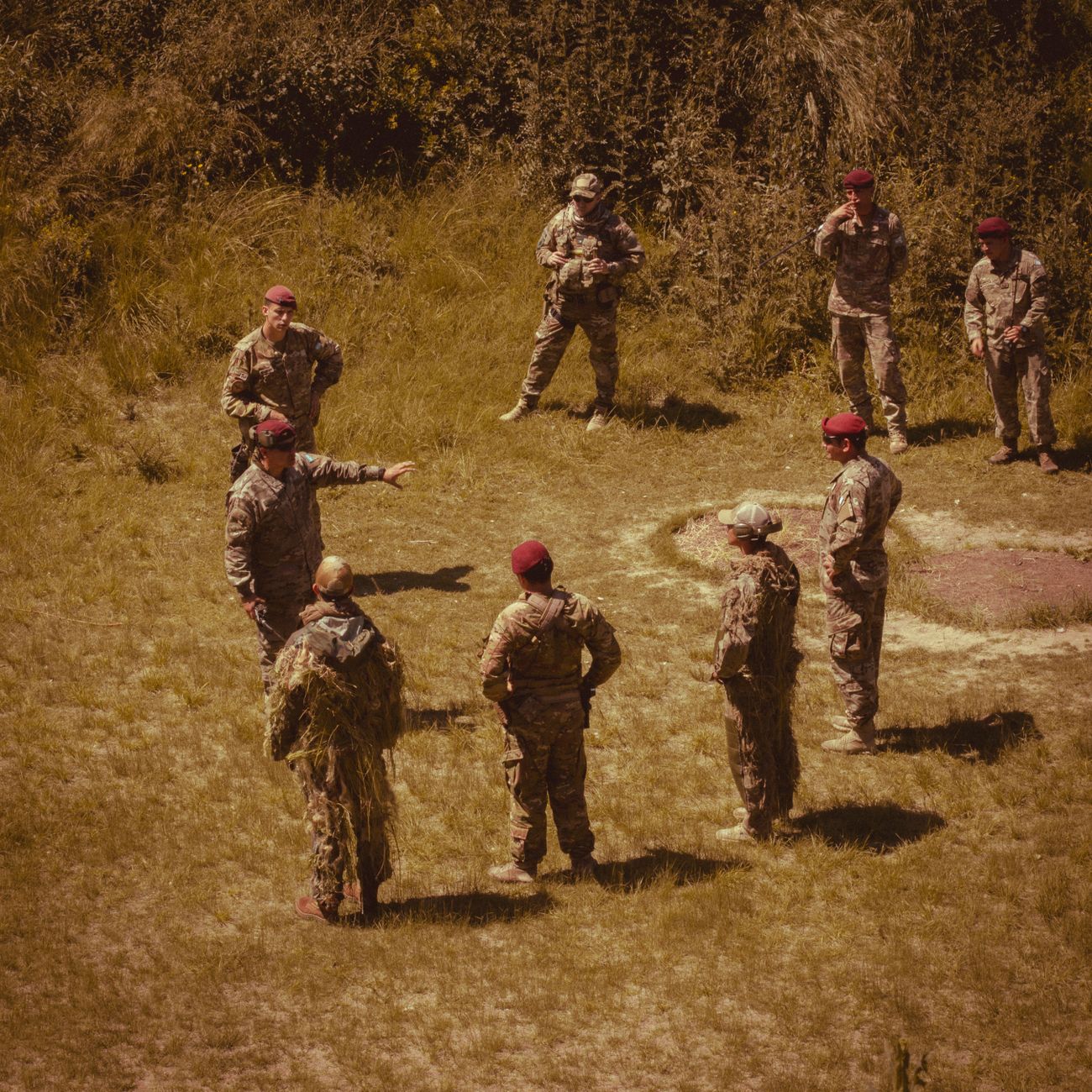
Psychological Operations are coordinated activities that convey selected information and indicators to audiences in order to influence their emotions, motives, objective reasoning, and ultimately the behavior of foreign or domestic populations. The core purpose of PSYOP is to achieve strategic objectives without kinetic force. For example, a PSYOP unit may broadcast messages encouraging enemy soldiers to surrender by emphasizing the safety and humane treatment they will receive. In practice, PSYOP planners develop a campaign that integrates radio, leaflets, and social‑media content to create a consistent narrative. One of the main challenges is ensuring the credibility of the message; if the audience perceives the source as deceptive, the operation can backfire and reinforce resistance.
Influence refers to the process of shaping the attitudes, beliefs, and actions of a target audience through communication and other means. Influence is the fundamental mechanism by which PSYOP achieves its goals. A classic illustration is the use of “fear appeal” messages that highlight the dangers of remaining loyal to a hostile regime, thereby prompting individuals to reconsider their allegiance. Practical application involves careful audience segmentation and the tailoring of messages to resonate with specific cultural values. The principal difficulty lies in measuring the impact of influence; quantitative metrics are often limited, and success may be inferred only after a prolonged period.
Persuasion is a deliberate effort to change or reinforce a target’s attitudes or behaviors by presenting arguments, evidence, or emotional appeals. Persuasion differs from simple influence in that it typically involves a logical or moral rationale, not merely emotional manipulation. An operational example is the distribution of pamphlets that outline the economic benefits of defecting to a more prosperous nation, using statistics and testimonials. In execution, PSYOP specialists must balance factual content with compelling storytelling to avoid alienating skeptical audiences. A persistent challenge is the presence of counter‑persuasion campaigns that can undermine the intended message.
Propaganda denotes the systematic dissemination of information, ideas, or rumors deliberately crafted to influence public opinion. Propaganda can be overt or covert, and it often exploits existing biases. A historical case is the use of radio broadcasts during World War II that portrayed the enemy as morally corrupt, thereby diminishing morale. Modern PSYOP units may create “white propaganda,” where the source is openly identified, or “black propaganda,” which disguises the true origin. The principal difficulty is maintaining ethical boundaries; the line between legitimate persuasion and manipulative propaganda can be blurred, raising legal and moral concerns.
Disinformation is false or misleading information deliberately spread to deceive an audience. Unlike misinformation, which is unintentionally inaccurate, disinformation is purposeful. An operational scenario might involve creating a fake news article alleging that a rebel group has suffered a decisive defeat, aiming to erode its support base. Practically, PSYOP teams must craft disinformation that is plausible enough to be accepted yet damaging to the adversary. The chief challenge is the risk of exposure; once disinformation is uncovered, the credibility of the entire PSYOP effort can be compromised, potentially strengthening the opponent’s narrative.
Misinformation consists of inaccurate or incomplete information that is shared without malicious intent. Although it is not a primary tool of PSYOP, understanding misinformation dynamics is essential for counter‑propaganda operations. For instance, an erroneous rumor about a humanitarian aid drop can spread rapidly, causing confusion among civilians. PSYOP practitioners may need to correct such misinformation to preserve trust in their own messaging. The difficulty lies in distinguishing genuine misinformation from deliberate disinformation, especially in fast‑moving information environments.
Narrative is the overarching story that connects individual messages into a coherent framework, giving meaning to events and actions. In PSYOP, a well‑crafted narrative can provide context that guides audience interpretation. A typical example is a narrative that frames a peace‑keeping force as a “protective shield” for vulnerable populations, thereby fostering acceptance. In practice, narrative development requires a deep understanding of cultural myths, symbols, and historical grievances. The major obstacle is ensuring narrative consistency across multiple platforms; any contradictions can be exploited by adversaries to sow doubt.
Strategic Communication encompasses the planning, execution, and assessment of communication activities aimed at achieving long‑term objectives. It integrates PSYOP with public affairs, diplomatic messaging, and information operations. For example, a joint strategic communication plan might synchronize a government spokesperson’s statements with PSYOP radio broadcasts to reinforce a unified message about electoral integrity. Effective strategic communication demands inter‑agency coordination and clear command structures. The principal challenge is avoiding message overload, where audiences become desensitized due to an excess of information.
Target Audience designates the specific group of individuals whose attitudes or behaviors the PSYOP campaign seeks to influence. Accurate identification of the target audience is critical for message relevance. An example is focusing on “young male combatants” in a conflict zone, tailoring content that addresses their aspirations and fears. Practically, analysts use demographic data, sociocultural research, and open‑source intelligence to define the audience. The main difficulty is the fluidity of audience composition; shifting alliances or migration can alter the target profile, requiring continuous reassessment.
Audience Analysis is the systematic study of the characteristics, beliefs, motivations, and information consumption habits of a target audience. It informs message design and channel selection. A PSYOP unit might conduct surveys, focus groups, and social‑media monitoring to gauge sentiment toward a political leader. The findings could reveal that the audience highly values family honor, prompting the inclusion of familial themes in messaging. Challenges include limited access to reliable data in contested regions and the potential for cultural misinterpretation, which can lead to ineffective or counterproductive messaging.
Behavioral Influence refers to the specific alteration of actions or decisions through targeted communication. PSYOP seeks to move audiences from passive awareness to active compliance. A classic case is the distribution of “door‑to‑door” leaflets that instruct civilians on how to identify and report insurgent checkpoints, thereby increasing community cooperation. In implementation, PSYOP planners must align the desired behavior with realistic capabilities; asking a population to perform an impossible task undermines credibility. The chief obstacle is resistance stemming from entrenched loyalties or fear of reprisals, which can neutralize otherwise persuasive messages.
Cognitive Bias denotes systematic patterns of deviation from rational judgment that influence how individuals process information. PSYOP exploits biases such as confirmation bias, where audiences favor information that aligns with pre‑existing beliefs. For instance, a PSYOP message that confirms a community’s suspicion of foreign interference can be more readily accepted. Practically, analysts embed bias‑aware techniques into message framing, ensuring that content resonates with the audience’s mental shortcuts. However, overreliance on bias manipulation may backfire if the audience later perceives manipulation, eroding trust in future communications.
Fear Appeal is a persuasive technique that emphasizes the negative consequences of non‑compliance or undesirable behavior. PSYOP often uses fear appeal to deter participation in hostile activities. An example includes radio spots that describe the lethal effects of land‑mines, encouraging civilians to avoid certain routes. The effectiveness of fear appeal depends on the perceived severity and susceptibility of the threat, as well as the presence of a clear, achievable solution. A major challenge is the potential for panic or fatalism if fear is not balanced with empowering guidance, which can diminish the intended behavioral change.
Emotional Appeal leverages feelings such as hope, pride, or compassion to motivate an audience. PSYOP messages that highlight the joy of reunification with family members can inspire desertion from an armed group. In practice, emotional appeal is often paired with visual elements—photographs of smiling children, for instance—to elicit a visceral response. The difficulty lies in cultural variability; emotions that resonate in one society may be neutral or even offensive in another, requiring careful cultural vetting.
Symbolism involves the use of symbols—icons, colors, gestures—to convey complex ideas quickly. PSYOP campaigns frequently employ symbols that hold cultural significance. A white dove, for example, may be used in leaflets to represent peace, while a specific tribal emblem could signal solidarity with a marginalized group. The practical application requires thorough cultural research to avoid misappropriation. Misuse of symbols can lead to accusations of cultural insensitivity, diminishing the campaign’s legitimacy and potentially fueling opposition.
Cultural Sensitivity is the awareness and respect for the values, norms, and practices of a target population. PSYOP units must incorporate cultural sensitivity to avoid alienating the audience. An illustration is the adaptation of messaging to local dialects, ensuring that idioms are correctly employed. In execution, cultural advisors review all content before dissemination. The primary challenge is the dynamic nature of culture; rapid social change, especially among youth, can render previously appropriate symbols obsolete, necessitating ongoing cultural intelligence.
Information Operations (IO) is a broader discipline that integrates PSYOP, electronic warfare, cyber operations, and public affairs to influence the information environment. PSYOP is a subset of IO focused on psychological impact. For example, an IO campaign may combine cyber disruption of enemy propaganda websites with PSYOP radio broadcasts that exploit the resulting information vacuum. Coordination across IO components ensures synergy and avoids contradictory messages. The chief difficulty is inter‑agency competition for resources and differing operational timelines, which can hinder unified execution.
Counterpropaganda denotes efforts to neutralize or rebut hostile propaganda. PSYOP units may develop counterpropaganda to undermine an adversary’s narrative. A practical case involves broadcasting factual reports that contradict false claims made by insurgent radio stations, thereby restoring credibility among listeners. Effective counterpropaganda requires rapid response capabilities and the ability to disseminate messages through the same channels used by the adversary. A persistent challenge is the “saturation effect,” where audiences become desensitized to repeated rebuttals, reducing the impact of corrective messaging.
Black Propaganda is covert messaging that disguises its origin and pretends to come from a source other than the actual sponsor. PSYOP may employ black propaganda to sow discord within enemy ranks. An example is the creation of a fake internal memo suggesting betrayal among senior officers, which is then leaked anonymously. The advantage of black propaganda is its ability to create internal suspicion without overt attribution. However, if the deception is uncovered, the sponsoring entity may suffer severe reputational damage, and the operation can be turned into a propaganda victory for the opponent.
White Propaganda is openly sourced messaging that clearly identifies its origin and purpose. PSYOP uses white propaganda to build trust and legitimacy. A typical instance is a government‑issued broadcast that explicitly states, “This is a message from the Ministry of Health,” while providing health advice. The transparency of white propaganda can enhance credibility, especially when the content is verifiable. The challenge is that adversaries may dismiss the message as biased, limiting its persuasive power among skeptical audiences.
Gray Propaganda occupies the middle ground, where the source is ambiguous or partially disclosed. PSYOP may adopt gray propaganda to retain plausible deniability while still benefiting from some degree of authority. An example includes a leaflet that carries a neutral logo, suggesting endorsement by an international organization without explicit confirmation. Gray propaganda can be effective in environments where overt affiliation would be counterproductive. The difficulty lies in striking the right balance; too much ambiguity can lead audiences to disregard the message as untrustworthy.
Leaflet Drops are a traditional PSYOP method involving the aerial or ground distribution of printed materials. Leaflets can convey warnings, surrender instructions, or humanitarian information. For instance, during a ceasefire, leaflets may be dropped to inform civilians of safe corridors and medical aid locations. The practicality of leaflet drops lies in their low technological requirement and the ability to reach remote populations. However, environmental factors such as wind, terrain, and literacy rates can limit effectiveness, and adversaries may view them as propaganda, reducing compliance.
Broadcast refers to the transmission of audio or visual content over radio, television, or digital platforms to reach a wide audience. PSYOP broadcasts can deliver persuasive narratives, news updates, or cultural programming. A practical usage is the deployment of a mobile radio station that broadcasts in local languages, interspersing entertainment with subtle messaging encouraging demobilization. Broadcasts benefit from immediacy and repeatability, but they require access to frequencies and may be jammed by hostile forces. The challenge is maintaining audience attention amid competing media sources.
Social Media platforms provide interactive channels for PSYOP to disseminate content, engage with users, and monitor sentiment. PSYOP units may create fictitious personas to spread targeted messages, such as posting videos that highlight the benefits of cooperation with peace‑keeping forces. The advantage of social media is its viral potential and ability to tailor content to specific demographic groups. Nonetheless, platforms have algorithms that can limit reach, and the anonymity of online identities can be compromised, exposing operators to retaliation or legal repercussions.
Cyber PSYOP integrates digital tactics with psychological influence, employing hacking, data manipulation, and online persuasion. An example is the infiltration of an extremist forum to plant messages that encourage defections. Cyber PSYOP can also involve the creation of deep‑fake videos that portray enemy leaders expressing dissent, thereby destabilizing morale. While cyber tools expand the reach of PSYOP, they raise ethical and legal concerns, particularly regarding the violation of privacy and the potential for collateral damage to uninvolved civilians.
Psychological Warfare is the overarching concept of using psychological tactics to achieve military or political objectives, encompassing PSYOP, deception, and morale‑shaping strategies. Historical instances include the use of loudspeakers to broadcast surrender appeals during sieges. In contemporary contexts, psychological warfare may involve coordinated campaigns across multiple media to erode an adversary’s will to fight. The principal challenge is the integration of diverse capabilities and ensuring that all actions are synchronized toward a common strategic end.
Operational Security (OPSEC) is the process of protecting sensitive information that could be exploited by adversaries. PSYOP planners must safeguard the details of their campaigns to prevent premature exposure. Practical OPSEC measures include encrypting communications, limiting the distribution of plan documents, and using need‑to‑know protocols. Failure to maintain OPSEC can result in the adversary preemptively countering the operation, thus nullifying its effect. The difficulty lies in balancing transparency within the PSYOP team with the necessity of secrecy.
Psychological Resilience denotes the capacity of individuals or groups to withstand and recover from psychological stressors. PSYOP can be designed to bolster resilience among friendly populations, such as broadcasting messages that emphasize communal solidarity after a natural disaster. Enhancing resilience reduces susceptibility to enemy propaganda. However, measuring resilience is complex, and interventions may inadvertently trigger trauma if not carefully crafted, presenting a significant operational risk.
Moral Persuasion involves appealing to ethical principles or shared values to motivate behavioral change. PSYOP messages that invoke concepts of justice or honor can be powerful in societies with strong moral codes. For instance, a leaflet might argue that supporting the insurgency violates religious teachings about the sanctity of life. The practical implementation requires deep understanding of the target’s moral framework. A challenge arises when moral arguments clash with entrenched survival instincts, limiting the persuasive impact.
Cognitive Dissonance describes the mental discomfort experienced when an individual holds contradictory beliefs or attitudes. PSYOP can create dissonance to prompt attitude revision. A campaign might highlight the inconsistency between a group’s stated loyalty to a cause and the harsh realities inflicted upon civilians, encouraging reconsideration. Effective use of cognitive dissonance often involves providing a clear resolution path, such as an alternative identity or group. The difficulty is that individuals may resolve dissonance by reinforcing existing beliefs, thereby resisting the intended influence.
Foot‑in‑the‑Door Technique is a persuasion strategy that begins with a small request to increase the likelihood of compliance with a larger request later. PSYOP might first ask civilians to report suspicious activity, then later solicit more substantial cooperation, such as providing intelligence on enemy positions. The incremental approach builds trust and reduces perceived risk. However, the technique can be perceived as manipulative if the progression is too rapid, potentially eroding trust.
Door‑in‑the‑Face Technique involves making a large, often unreasonable request that is expected to be rejected, followed by a smaller, more reasonable request. PSYOP can employ this by initially demanding the evacuation of an entire village, then offering assistance for a few families, which appears more acceptable. This contrast can increase compliance with the second request. The challenge lies in ensuring the initial demand does not cause backlash or fear, which could undermine the entire campaign.
Bandwagon Effect is the tendency of individuals to adopt beliefs or behaviors because they perceive that many others are doing so. PSYOP can exploit this by broadcasting statements like “Thousands of your neighbors have already joined the peace process.” By portraying a behavior as popular, the campaign encourages conformity. Practical application requires credible evidence that the perceived majority actually exists; fabricated claims can be exposed, damaging credibility. Additionally, in tightly knit communities, the bandwagon effect may be resisted if group identity is strongly opposed to the promoted behavior.
Authority Principle states that people are more likely to comply with requests made by perceived legitimate authorities. PSYOP messages often cite respected figures, such as religious leaders or local elders, to lend authority. An example includes a radio spot featuring a well‑known tribal chief urging youth to abandon armed groups. The effectiveness depends on the authenticity of the authority figure and the audience’s trust in that figure. A key challenge is the potential for the authority figure to be co‑opted by the adversary, turning the message into a tool against the PSYOP effort.
Reciprocity is the social norm that obliges individuals to return favors. PSYOP can provide small benefits, such as food parcels, and then request cooperation, leveraging the sense of indebtedness. In practice, this requires logistical capability to deliver tangible assistance without compromising security. The challenge is ensuring that the offered aid does not create dependency or resentment if the promised reciprocal action is not forthcoming.
Message Framing involves presenting information in a particular way to influence perception. PSYOP may frame a surrender appeal as “a path to safety and dignity” rather than “a sign of weakness.” Framing can alter emotional responses and decision‑making processes. Effective framing requires knowledge of cultural values and linguistic nuances. Misframing can unintentionally trigger negative associations, reducing the message’s impact.
Targeted Messaging is the customization of content to specific sub‑groups within the broader audience. PSYOP units may develop distinct messages for urban youth, rural elders, and diaspora communities, each addressing unique concerns. This approach enhances relevance and resonance. The practical challenge is the resource intensity required to create and manage multiple message streams, as well as the risk of internal inconsistency if messages diverge excessively.
Message Saturation occurs when audiences are exposed to an overwhelming volume of information, leading to desensitization or disengagement. PSYOP planners must balance frequency and intensity to avoid saturation. For instance, excessive radio broadcasts may cause listeners to tune out, diminishing the desired effect. Monitoring audience feedback and adjusting dissemination rates are essential. The difficulty lies in predicting the threshold at which saturation occurs, especially in volatile environments.
Audience Fatigue is a related phenomenon where repeated exposure to similar messages reduces attention and receptivity. PSYOP campaigns that rely heavily on a single slogan risk inducing fatigue. Practically, operators can rotate themes, introduce new storylines, and incorporate varied formats to maintain interest. However, frequent changes can dilute the core message, creating confusion about the intended call to action.
Credibility is the perceived trustworthiness and expertise of the message source. In PSYOP, credibility determines whether audiences accept and act upon information. An example of building credibility is referencing verified statistics from reputable organizations in a broadcast. Maintaining credibility requires consistent factual accuracy and alignment with audience expectations. The challenge is that adversaries may conduct “credibility attacks,” highlighting any inconsistencies to undermine trust, necessitating rigorous verification processes.
Message Timing concerns the strategic selection of when to deliver a message for maximum impact. PSYOP may schedule broadcasts during peak listening hours or after a significant event that has heightened emotional arousal. For instance, a surrender appeal aired immediately following a major battle can capitalize on the heightened sense of vulnerability. Timing must also consider opponent countermeasures, such as jamming schedules. The difficulty is predicting optimal windows in fluid conflict environments.
Channel Selection involves choosing the most appropriate medium—radio, leaflets, social media, face‑to‑face—to convey a message. PSYOP units assess factors such as audience media consumption habits, literacy rates, and technological access. A rural population with limited internet connectivity may be better reached via FM radio, while urban youth might respond to viral videos. The challenge lies in resource constraints that limit the ability to employ multiple channels simultaneously, potentially reducing overall reach.
Message Consistency is the alignment of content across different platforms and over time. In PSYOP, inconsistency can be exploited by opponents to sow doubt. For example, if a radio broadcast states that peacekeepers are neutral, but a leaflet portrays them as hostile, the audience may become confused. Ensuring consistency requires coordinated editorial oversight and a unified command structure. The difficulty is maintaining this cohesion across dispersed teams operating in multiple languages and time zones.
Counter‑Narrative refers to an alternative story designed to challenge and replace an adversary’s dominant narrative. PSYOP may develop a counter‑narrative that emphasizes the benefits of democratic governance in contrast to the enemy’s propaganda about corruption. Effective counter‑narratives must be credible, emotionally resonant, and culturally appropriate. The primary obstacle is the entrenched nature of the original narrative, which may be reinforced by social identity and group cohesion, making it resistant to change.
Information Validation is the process of verifying the accuracy of data before inclusion in PSYOP messages. This step protects against unintentional dissemination of false information. For instance, before broadcasting casualty figures, analysts cross‑check multiple sources to confirm reliability. Validation enhances credibility but can delay message production, especially in fast‑moving crises. The challenge is balancing thoroughness with timeliness, as delayed messages may lose relevance.
Psychographic Profiling involves analyzing the psychological characteristics, values, and lifestyle attributes of a target audience. PSYOP uses psychographic data to craft messages that align with deep‑seated motivations. An example includes identifying that a segment of the population values personal honor above material gain, then framing surrender appeals around preserving honor. Collecting psychographic data can be intrusive and may raise ethical concerns, especially if obtained without consent. Additionally, profiling accuracy can be compromised by limited sample sizes.
Message Testing is the practice of evaluating the effectiveness of a PSYOP message before full deployment. Methods include focus groups, A/B testing on digital platforms, and pilot leaflets. Testing can reveal unintended interpretations or cultural missteps. For instance, a phrase that seems neutral in translation may be offensive in a specific dialect, prompting revision. The difficulty is that testing environments may not perfectly replicate real‑world conditions, and adversary counter‑measures may alter reception after rollout.
Operational Feedback is the systematic collection of data on how audiences respond to PSYOP activities. Feedback mechanisms include call‑in hotlines, social‑media monitoring, and field reports from liaison officers. Analyzing feedback enables planners to adjust tactics, refine messaging, and assess impact. However, feedback can be biased, especially if respondents fear retaliation for expressing dissent. Additionally, distinguishing genuine audience reaction from opponent‑generated noise is a persistent analytical challenge.
Strategic Alignment ensures that PSYOP objectives support broader military or political goals. For example, a PSYOP campaign that encourages defection must align with a larger kinetic operation aimed at weakening enemy manpower. Maintaining alignment requires continuous coordination with senior leadership and joint staff. The principal difficulty is that PSYOP timelines often differ from kinetic operations, leading to potential misalignment if not carefully synchronized.
Ethical Considerations encompass the moral responsibilities of PSYOP practitioners, including respect for human dignity and avoidance of harmful deception. International law and domestic regulations may restrict certain PSYOP techniques, such as the use of false statements that could endanger civilians. Practically, operators must conduct legal reviews and incorporate ethical training. The challenge is balancing operational effectiveness with adherence to ethical standards, particularly when adversaries employ unethical tactics themselves.
Legal Constraints define the permissible scope of PSYOP activities under national and international law. Certain actions, like the distribution of counterfeit currency, may be prohibited. PSYOP planners must consult legal advisors to ensure compliance with statutes such as the Geneva Conventions and domestic statutes governing information warfare. Violations can result in legal repercussions and loss of legitimacy. The difficulty lies in navigating differing legal frameworks across jurisdictions where operations are conducted.
Risk Assessment involves evaluating potential adverse outcomes of PSYOP actions, such as unintended escalation or civilian harm. Planners conduct scenario analysis to identify possible blowback, such as a propaganda message that inadvertently strengthens enemy recruitment. Mitigation strategies include contingency planning, message pre‑testing, and establishing clear escalation thresholds. The challenge is that risk assessments are inherently uncertain, especially in fluid conflict zones where variables change rapidly.
Metrics of Success are the quantitative and qualitative indicators used to gauge the effectiveness of PSYOP campaigns. Common metrics include changes in public opinion polls, surrender rates, and enemy force morale assessments. For instance, a rise in the number of defections following a radio broadcast can be a direct indicator of success. However, attributing causality is complex; multiple factors may influence outcomes, making it difficult to isolate the impact of PSYOP alone. Developing robust measurement frameworks is therefore essential but challenging.
Adaptability refers to the ability of PSYOP units to modify tactics and messages in response to evolving conditions. Rapid changes in the information environment, such as the emergence of a new social‑media platform, require flexible planning. An adaptable PSYOP team might shift from leaflet distribution to digital memes when internet penetration increases. The difficulty is maintaining operational security while rapidly reconfiguring assets, as well as ensuring that new approaches are culturally and technically appropriate.
Integration with Kinetic Operations means coordinating PSYOP activities with physical military actions to achieve synergistic effects. For example, before a ground assault, PSYOP may broadcast warnings that give civilians time to evacuate, reducing collateral damage and improving local perceptions of the attacking force. Integration enhances overall mission effectiveness but demands precise timing and communication between disparate units. The primary challenge is overcoming institutional silos and differing operational tempos that can impede seamless cooperation.
Human Terrain Analysis is the study of the social, cultural, and psychological landscape of a target population. PSYOP relies on this analysis to identify key influencers, community structures, and prevailing belief systems. An example includes mapping tribal affiliations to determine which leaders can be engaged for message dissemination. Conducting human terrain analysis requires expertise in anthropology and sociology, as well as access to reliable field data. Risks include the potential for misinterpretation of cultural cues, which can lead to ineffective or counterproductive messaging.
Message Personalization involves customizing communication to individual characteristics, such as name, location, or personal history. While technologically demanding, personalization can increase relevance and engagement. For example, a text message that addresses a recipient by name and references a recent local event can be more persuasive than a generic broadcast. Implementing personalization at scale requires robust data collection and secure handling of personal information, raising privacy concerns. Additionally, errors in personalization can expose the operation and damage credibility.
Psychological Profiling is the systematic assessment of individual or group mental states to predict behavior. PSYOP may employ profiling to identify individuals most likely to defect or spread propaganda. A practical application could involve analyzing communication patterns to flag potential insurgent sympathizers. The challenge lies in the accuracy of profiling models, which can be limited by incomplete data and cultural bias. Misclassification can lead to targeting the wrong individuals, potentially alienating supportive segments of the population.
Message Reinforcement is the practice of repeating core ideas across multiple channels to solidify retention. In PSYOP, reinforcement may involve echoing a surrender appeal through radio, leaflets, and community meetings. Repetition enhances memory encoding, making the message more likely to influence behavior. However, over‑repetition can cause annoyance and reduce effectiveness. Balancing reinforcement with novelty is essential to maintain audience engagement.
Counter‑Deception involves detecting and neutralizing enemy deception efforts that aim to mislead PSYOP audiences. PSYOP units must monitor for false narratives that could undermine their own messaging. For instance, an adversary may circulate rumors that a humanitarian convoy is a front for espionage. Counter‑deception measures include rapid fact‑checking, transparent communication, and the use of trusted third‑party validators. The difficulty is that deception can be sophisticated, employing deep‑fake technology or covert channels that are hard to trace.
Message Credibility Anchors are elements within a message that reinforce trust, such as references to well‑known institutions, verified statistics, or eyewitness testimonies. PSYOP messages that include a statement like “According to the United Nations report…” benefit from the anchor’s authority. Anchors must be accurate and verifiable; otherwise, they can become liabilities. The challenge is that in conflict zones, access to reputable sources may be limited, requiring creative yet truthful anchoring strategies.
Audience Segmentation is the division of a broad target population into distinct groups based on shared characteristics, enabling more precise messaging. PSYOP may segment a population by age, occupation, or religious affiliation to tailor content. For instance, messages targeting farmers might focus on crop protection, while those aimed at students could emphasize educational opportunities. Effective segmentation increases relevance but requires detailed data collection, which can be risky in hostile environments. Inaccurate segmentation can lead to misdirected efforts and wasted resources.
Message Saturation Management involves controlling the volume and frequency of PSYOP communications to avoid overloading the audience. Operators may schedule broadcasts at intervals that align with peak listening times while limiting repetitive content. This management helps preserve audience attention and prevents fatigue. The challenge is predicting optimal saturation levels, especially when competing messages from adversaries are also present, potentially crowding the information space.
Psychological Impact Assessment evaluates the emotional and cognitive effects of PSYOP on target audiences. Assessment tools may include surveys measuring anxiety levels, focus‑group discussions, or biometric indicators like heart rate variability. A successful impact assessment can reveal whether messages are reducing fear, increasing hope, or altering perceptions of legitimacy. Conducting assessments in conflict zones is fraught with security risks and may be hindered by limited access to respondents. Moreover, attribution remains complex, as multiple information sources influence psychological states concurrently.
Message Transparency is the deliberate practice of being open about the intent and source of a PSYOP communication. Transparency can enhance credibility, especially when audiences are skeptical of covert operations. For instance, a broadcast that states “This is a message from the International Relief Agency” is transparent. However, excessive transparency may reduce the persuasive power of certain covert techniques. Balancing openness with operational effectiveness is a nuanced challenge.
Operational Tempo describes the speed and rhythm at which PSYOP activities are conducted. Rapid tempo may be required during crises to quickly shape narratives, while slower tempo allows for thorough planning and cultural immersion. Aligning operational tempo with the dynamics of the conflict environment is essential; a mismatch can render messages either premature or obsolete. Managing tempo demands flexible resource allocation and responsive decision‑making structures.
Information Resilience is the capacity of a target population to critically evaluate information and resist manipulation. PSYOP can aim to increase information resilience by promoting media literacy and critical thinking. For example, community workshops that teach how to verify sources can reduce susceptibility to enemy propaganda. While building resilience strengthens long‑term stability, it may also diminish the immediate impact of PSYOP messages if audiences become more skeptical of all external communications. Balancing short‑term influence with long‑term resilience is a strategic consideration.
Message Localization involves adapting content to reflect local language, dialect, idioms, and cultural references. PSYOP messages that incorporate local proverbs or traditional storytelling formats are more likely to resonate. For instance, a radio drama that uses a familiar folk tale to illustrate the benefits of peace can be more effective than a generic announcement. Localization requires skilled translators and cultural consultants; errors can produce unintended offense or misinterpretation, jeopardizing the campaign.
Ethnographic Observation is the systematic study of daily life and social interactions within a target community. PSYOP analysts may embed observers to gather insights on informal communication channels, such as market gossip or religious gatherings. These observations inform message design and channel selection. Conducting ethnographic work in conflict zones poses safety risks and may be limited by access restrictions. Moreover, observer bias can affect data quality, necessitating rigorous methodological standards.
Message Timing Synchronization ensures that multiple communications are released in a coordinated manner to maximize impact. For example, a leaflet drop may be timed to precede a radio broadcast that expands on the same theme, creating a coherent narrative flow. Synchronization amplifies message reinforcement and reduces the chance of contradictory information. The difficulty lies in managing logistical constraints, especially when operating across disparate geographic locations with varying transmission capabilities.
Psychological Operations Planning Cycle is the structured process that guides PSYOP from initial assessment through execution and evaluation. The cycle typically includes phases such as strategic analysis, objective setting, audience research, message development, dissemination, and post‑operation assessment. Adhering to the cycle promotes systematic decision‑making and accountability. However, the rigidity of a formal cycle can impede rapid adaptation to emergent events, requiring flexibility within each phase.
Message Persistence denotes the longevity of a PSYOP communication’s influence over time. Persistent messages continue to affect attitudes long after the initial exposure, especially when reinforced by cultural symbols or recurring events. For instance, an annual commemorative broadcast can embed a peace narrative into the collective memory. Designing messages for persistence involves embedding them within cultural rituals or institutional practices. The challenge is ensuring that persistent messages remain relevant as societal values evolve.
Information Dominance is the strategic aim of controlling the flow and interpretation of information within a contested environment. PSYOP contributes to information dominance by shaping perceptions and limiting adversary messaging. Achieving dominance requires integrated efforts across PSYOP, cyber operations, and traditional media. The primary obstacle is the dynamic nature of information ecosystems, where adversaries can rapidly introduce counter‑narratives, necessitating continuous monitoring and response.
Operational Security Culture refers to the collective attitudes and behaviors within a PSYOP unit that prioritize secrecy and risk mitigation. Cultivating a strong security culture helps prevent leaks that could expose plans or compromise sources. Practices include regular security briefings, strict need‑to‑know protocols, and secure communication tools. Maintaining this culture can be challenging in high‑stress environments where personnel may become complacent or share information informally. Ongoing training and leadership emphasis are essential to sustain security vigilance.
Key takeaways
- One of the main challenges is ensuring the credibility of the message; if the audience perceives the source as deceptive, the operation can backfire and reinforce resistance.
- A classic illustration is the use of “fear appeal” messages that highlight the dangers of remaining loyal to a hostile regime, thereby prompting individuals to reconsider their allegiance.
- An operational example is the distribution of pamphlets that outline the economic benefits of defecting to a more prosperous nation, using statistics and testimonials.
- The principal difficulty is maintaining ethical boundaries; the line between legitimate persuasion and manipulative propaganda can be blurred, raising legal and moral concerns.
- The chief challenge is the risk of exposure; once disinformation is uncovered, the credibility of the entire PSYOP effort can be compromised, potentially strengthening the opponent’s narrative.
- The difficulty lies in distinguishing genuine misinformation from deliberate disinformation, especially in fast‑moving information environments.
- A typical example is a narrative that frames a peace‑keeping force as a “protective shield” for vulnerable populations, thereby fostering acceptance.