
Supply Chain Dynamics
Supply Chain Dynamics in commodities trading is a complex web of activities that moves raw materials from extraction points through processing, transportation, storage, and ultimately to end‑users. Mastery of the terminology is essential fo…
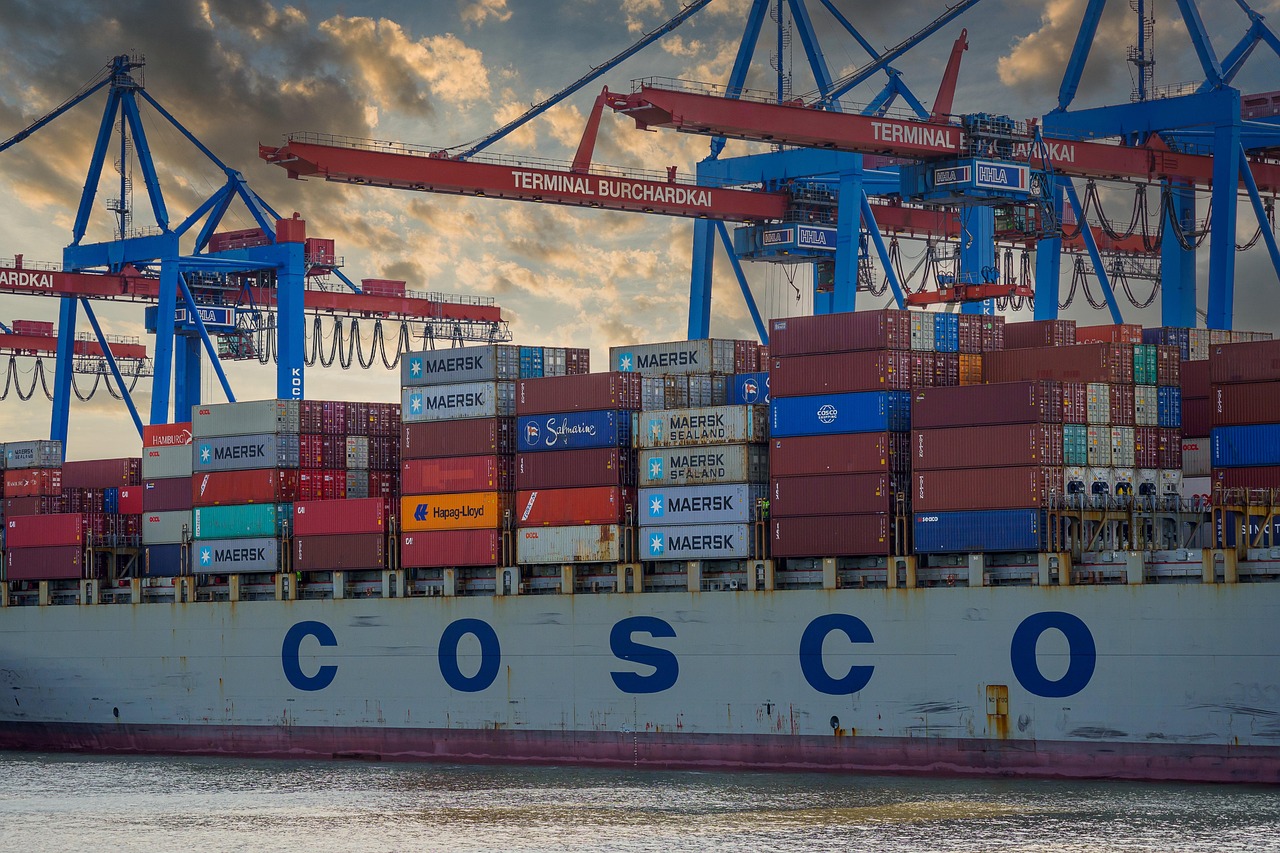
Supply Chain Dynamics in commodities trading is a complex web of activities that moves raw materials from extraction points through processing, transportation, storage, and ultimately to end‑users. Mastery of the terminology is essential for anyone seeking to understand how markets function, how prices are set, and how risk is managed. The following exposition presents the most frequently encountered terms, organized by functional area, and illustrates each with practical examples and common challenges faced by traders, logisticians, and risk managers.
Supply chain refers to the network of organizations, people, activities, information, and resources involved in moving a commodity from its origin to the customer. In the context of oil, for instance, the supply chain includes the exploration firm, the drilling rig, the gathering system, the pipeline operator, the refinery, the storage terminal, the shipping line, and the final distributor. Understanding the entire chain helps traders anticipate bottlenecks, identify price arbitrage opportunities, and assess the impact of geopolitical events.
Logistics encompasses the planning, execution, and control of the movement and storage of goods. It is the operational backbone that ensures commodities arrive on time and at the right cost. A common logistics decision in grain trading is whether to use rail or barge to move wheat from the interior of the United States to a Gulf Coast export terminal. Each mode has different cost structures, transit times, and capacity constraints, which influence the forward price of the wheat contract.
Freight is the charge paid for transporting goods. Freight rates are volatile and can be influenced by fuel prices, vessel availability, port congestion, and seasonal demand. For example, in the dry bulk market, a spike in demand for iron ore during a steel production surge can push the spot freight rate for a Capesize vessel above $30,000 per day, directly affecting the landed cost of the ore and the profitability of the downstream steel manufacturer.
Inventory represents the stock of commodities held at various points in the supply chain. Effective inventory management balances the cost of holding inventory against the risk of stockouts. In the case of copper, a smelter may maintain a safety stock of 10,000 metric tons to hedge against unexpected supply disruptions from a mine closure. However, excess inventory ties up capital and may lead to price exposure if market prices move unfavorably.
Demand forecasting is the process of estimating future commodity consumption based on historical data, market trends, economic indicators, and seasonal patterns. Accurate forecasts enable traders to position themselves appropriately in the market. For instance, a demand forecast for natural gas that incorporates expected heating demand during a harsh winter can justify a long position in forward contracts, while an over‑optimistic forecast could result in costly roll‑over of contracts.
Lead time is the elapsed time between initiating an order and receiving the product. Lead times vary widely across commodities. In the coffee industry, the lead time from harvest to export can be several months, whereas for refined petroleum products it may be a matter of weeks. Longer lead times increase exposure to price volatility and require more sophisticated hedging strategies.
Bullwhip effect describes the phenomenon where small fluctuations in end‑consumer demand cause increasingly larger variations in orders up the supply chain. In agricultural commodities, a slight increase in retail demand for soy‑based products can cause growers to dramatically increase planting acreage, leading to oversupply and price collapses in subsequent seasons. Recognizing the bullwhip effect helps traders avoid reacting to short‑term market noise.
Just‑in‑time (JIT) inventory is a strategy that aims to reduce holding costs by receiving goods only as they are needed in the production process. While JIT can lower costs for manufacturers, it raises supply chain risk, especially for commodities subject to transport disruptions. A refinery that adopts JIT for crude oil may face shutdowns if a pipeline outage occurs, highlighting the trade‑off between efficiency and resilience.
Supply risk encompasses the probability of interruptions in the flow of commodities due to geopolitical events, natural disasters, labor disputes, or regulatory changes. An example of supply risk is the 2021 blockage of the Suez Canal, which delayed deliveries of crude oil and caused a temporary spike in Brent futures. Traders incorporate supply risk into pricing models by adding a risk premium to forward contracts.
Price volatility measures the degree of price fluctuation over a given period. Commodities such as crude oil, natural gas, and agricultural products often exhibit high volatility, driven by weather, geopolitical tensions, and inventory levels. Volatility is a key input for option pricing, risk‑adjusted returns, and value‑at‑risk (VaR) calculations.
Hedging is the practice of taking offsetting positions in derivative contracts to reduce exposure to adverse price movements. A grain exporter may hedge a future harvest by selling forward contracts on the Chicago Board of Trade (CBOT). If market prices fall, the loss on the physical sale is offset by gains on the forward position, stabilizing cash flow.
Spot market refers to the market where commodities are bought and sold for immediate delivery. Spot prices are often used as reference points for pricing forward contracts and options. For example, the spot price of aluminum on the London Metal Exchange (LME) influences the valuation of a one‑year forward contract on the same metal.
Forward contract is a private agreement between two parties to exchange a specific quantity of a commodity at a predetermined price on a future date. Forward contracts are customizable, allowing parties to tailor delivery locations, quality specifications, and settlement terms. A typical forward contract for coal might stipulate delivery at a specific port in South Africa, with payment in US dollars, and include clauses addressing force‑majeure events.
Future is a standardized derivative traded on an exchange, obligating the buyer to purchase, and the seller to deliver, a specified quantity of a commodity at a set price and date. Futures contracts provide liquidity and price transparency. For instance, the NYMEX WTI crude oil future specifies delivery at Cushing, Oklahoma, and is settled in cash if physical delivery is not feasible.
Option gives the holder the right, but not the obligation, to buy (call) or sell (put) a commodity at a predetermined strike price before or at expiration. Options are valuable tools for managing price risk while preserving upside potential. A producer of copper may purchase a put option to protect against a decline in copper prices, while retaining the ability to benefit from any price increase.
Basis is the difference between the spot price of a commodity at a particular location and the price of a related futures contract. Basis risk arises when the basis changes unfavorably, affecting the effectiveness of a hedge. For a soybean farmer, the basis might be the spread between the local cash price in Iowa and the CBOT soybean future. Shifts in transportation costs or regional supply can cause the basis to widen, reducing hedge performance.
Carry cost includes the expenses associated with holding a commodity over time, such as financing charges, storage fees, insurance, and opportunity cost. The cost of carry influences the shape of the forward curve. In the case of oil, the cost of carry is largely driven by the financing rate and the cost of storing crude in tanks, which together determine whether futures prices are in contango or backwardation.
Contango describes a market condition where futures prices are higher than the spot price, typically reflecting positive cost of carry. A market in contango can incentivize traders to buy the spot commodity, store it, and sell futures contracts, profiting from the price difference. Conversely, if storage capacity is limited, the market may shift to backwardation.
Backwardation is the opposite of contango; futures prices are lower than the spot price. Backwardation often signals tight physical supply relative to demand, prompting market participants to sell the spot commodity and buy futures. In the natural gas market, backwardation can arise during cold winters when demand for heating spikes, pushing spot prices above future contracts.
Liquidity refers to the ease with which a commodity or derivative can be bought or sold without causing a material price impact. Highly liquid markets, such as the major metal futures on the CME, enable traders to enter and exit positions quickly. Illiquid markets, like certain specialty agricultural products, may experience wide bid‑ask spreads, increasing transaction costs.
Bid‑ask spread is the difference between the highest price a buyer is willing to pay (bid) and the lowest price a seller is willing to accept (ask). A narrow spread indicates a liquid market, while a wide spread suggests limited participation. For example, the bid‑ask spread for a front‑month crude oil future is often just a few ticks, whereas for a thinly‑traded specialty grain it can be several percent of the contract value.
Margin is the collateral that traders must deposit with a clearinghouse to cover potential losses on derivative positions. Initial margin is required to open a position, while variation margin reflects daily profit and loss adjustments. Margin requirements are calibrated to the volatility of the underlying commodity; higher volatility commodities demand larger margins to protect the clearinghouse.
Clearinghouse acts as an intermediary between buyers and sellers in futures and options markets, guaranteeing contract performance and managing default risk. The CME Clearing House, for instance, nets trades and ensures that all parties meet their margin obligations, thereby maintaining market integrity.
Risk‑adjusted return evaluates the profitability of a trading strategy relative to the amount of risk taken. Metrics such as the Sharpe ratio, Sortino ratio, and information ratio are commonly used. A trader who generates a 12 % annual return on a commodity portfolio with a standard deviation of 8 % has a Sharpe ratio of 1.5, Indicating a favorable risk‑adjusted performance.
Value‑at‑Risk (VaR) quantifies the maximum expected loss over a specified time horizon at a given confidence level. For a commodity trader, a 1‑day 99 % VaR of $2 million means there is a 1 % chance that losses will exceed $2 million in a single day. VaR is a cornerstone of risk management, guiding capital allocation and limit setting.
Stress testing involves evaluating the impact of extreme but plausible scenarios on a portfolio. A stress test for an oil trader might simulate a sudden supply shock due to a geopolitical crisis, combined with a rapid depreciation of the US dollar. The results inform contingency planning and capital reserve requirements.
Supply chain resilience is the ability of the network to anticipate, absorb, and recover from disruptions. Resilience can be enhanced through diversification of supply sources, strategic stockpiling, and flexible logistics arrangements. In the case of lithium, a battery manufacturer may source from multiple mines in South America, Australia, and Africa to mitigate the risk of a single‑country export restriction.
Supply chain visibility denotes the capacity to track commodity flows in real time across the entire network. Advanced technologies such as satellite monitoring, blockchain, and Internet of Things (IoT) sensors improve visibility. For example, a blockchain platform can record each transfer of a container of soybeans from farm to port, providing traceability that supports compliance with sustainability standards.
Incoterms are standardized trade terms published by the International Chamber of Commerce that define the responsibilities of buyers and sellers regarding delivery, risk transfer, and cost allocation. Common Incoterms include FOB (Free on Board), CIF (Cost, Insurance, and Freight), and DAP (Delivered at Place). Selecting the appropriate Incoterm influences who bears freight costs, insurance, and the risk of loss during transport.
Freight forwarder is an intermediary that arranges the transportation of goods on behalf of shippers, handling documentation, customs clearance, and carrier selection. Freight forwarders play a pivotal role in commodity trading, especially for bulk shipments that require coordination of multiple transport modes. A trader exporting coal may contract a freight forwarder to secure a slot on a Capesize vessel, negotiate freight rates, and ensure compliance with export regulations.
Customs brokerage involves assisting importers and exporters with the clearance of goods through customs authorities. Accurate classification of commodities under the Harmonized System (HS) code is essential to avoid penalties and ensure proper duty assessment. Misclassification of a commodity such as steel can result in underpayment of duties and subsequent fines.
Trade finance provides the funding necessary to bridge the gap between shipment and payment. Instruments such as letters of credit, documentary collections, and supply chain financing help mitigate credit risk. A grain exporter may use a confirmed letter of credit from a reputable bank to secure payment before the grain arrives at the destination port.
Letter of credit (LC) is a bank guarantee that the seller will receive payment provided that the terms of the credit are met, typically involving the presentation of shipping documents. LCs are widely used in commodity transactions where the buyer and seller have limited trust. The LC reduces payment risk for the seller while giving the buyer assurance that payment will only be made upon receipt of compliant documents.
Documentary collection is a trade payment method where the seller’s bank forwards shipping documents to the buyer’s bank, which releases them to the buyer upon payment or acceptance of a draft. This method offers less security than an LC but is cheaper and faster, making it suitable for established trading relationships.
Supply‑side risk refers to uncertainties related to the production and extraction of commodities. For oil, supply‑side risk includes the possibility of drilling delays, reservoir performance shortfalls, or regulatory restrictions on production. Traders monitor supply‑side risk through production data, reserve reports, and geopolitical analysis.
Demand‑side risk concerns fluctuations in consumption patterns. In the case of natural gas, demand‑side risk can be driven by weather forecasts, economic growth, and changes in industrial activity. Accurate demand modeling is vital for positioning in forward markets and for evaluating the profitability of long‑term contracts.
Contractual flexibility denotes the ability to adjust terms such as volume, delivery dates, and quality specifications in response to market changes. Flexibility is a valuable attribute in long‑term commodity contracts, allowing parties to renegotiate volumes when supply constraints emerge or when demand forecasts shift.
Quality specification defines the physical and chemical characteristics that a commodity must meet. For crude oil, specifications include API gravity, sulfur content, and viscosity. Failure to meet specifications can result in penalties, rejection of cargo, or price adjustments. Traders must verify quality through assays and third‑party inspections.
Assay is a laboratory analysis that determines the composition and properties of a commodity sample. Assays are critical for metals, minerals, and oil, providing the data needed to certify compliance with contract specifications. An assay report for a copper concentrate will list copper grade, iron content, and impurity levels, influencing the final price.
Delivery point is the location where the physical transfer of the commodity occurs. In futures contracts, the delivery point is fixed (e.G., The Cushing, Oklahoma hub for WTI crude). For over‑the‑counter (OTC) contracts, parties can negotiate custom delivery points, which may affect transportation costs and basis risk.
Transportation mode refers to the method used to move commodities, such as pipeline, rail, barge, vessel, or truck. Each mode has distinct cost structures, capacity limits, and risk profiles. Choosing the optimal transportation mode is a core logistical decision; for instance, moving iron ore from Brazil to China is typically done by large bulk carriers, while moving refined petroleum products from a refinery to a regional market may involve pipelines and trucks.
Pipeline capacity is the maximum volume of fluid a pipeline can transport per unit of time. Pipeline capacity constraints can create bottlenecks, especially during peak demand periods. In the natural gas market, the capacity of the Trans‑Alaska Pipeline System (TAPS) influences the ability to deliver gas from Alaska to lower‑48 markets, affecting spot and forward prices.
Port congestion occurs when the volume of ships awaiting berthing exceeds the port’s handling capacity. Congestion leads to increased demurrage charges, longer turnaround times, and higher freight rates. The 2021 congestion at the Port of Los Angeles resulted in delayed shipments of crude oil and heightened volatility in the US West Coast market.
Demurrage is a fee charged to charterers for exceeding the agreed time for loading or unloading cargo. Demurrage penalties incentivize timely operations but can become a significant cost factor during port congestion or labor strikes. A charterer who incurs $15,000 per day in demurrage for a delayed loading of coal will see the overall cost of the shipment rise sharply.
Laytime is the allotted period for loading or discharging cargo without incurring demurrage. Laytime is negotiated in charter parties and is a critical component of shipping contracts. Precise calculation of laytime helps both ship owners and charterers manage expectations and avoid disputes.
Charter party is a contract between a shipowner and a charterer that outlines the terms of vessel use, including freight rates, laytime, demurrage, and cargo specifications. There are several types of charter parties, such as voyage charter (single voyage), time charter (vessel hired for a period), and bareboat charter (full control of the vessel transferred to the charterer). Understanding charter party clauses is essential for evaluating shipping costs and liabilities.
Freight rate index tracks the average price paid for moving a specific commodity by a particular mode of transport. The Baltic Dry Index (BDI) is a well‑known example that monitors freight rates for dry bulk carriers. Traders use freight rate indices to gauge market sentiment, anticipate cost changes, and incorporate freight risk into pricing models.
Risk premium is the additional return demanded by investors to compensate for the uncertainty associated with a commodity. Risk premiums vary across commodities; for example, geopolitical risk in the Middle East often adds a premium to oil prices, while weather‑related risk influences the premium for agricultural products. The risk premium is embedded in forward pricing and can be estimated using historical price volatility and cost‑of‑carry models.
Cost‑of‑carry model calculates the theoretical forward price of a commodity based on the spot price, financing costs, storage costs, and any income generated by holding the commodity (such as convenience yield). The formula is: Forward Price = Spot Price × e^( (r + s – y) × t ), where r is the risk‑free rate, s is storage cost, y is convenience yield, and t is time to maturity. Applying this model helps traders identify mispricings between spot and futures markets.
Convenience yield represents the non‑financial benefit of physically holding a commodity, such as the ability to meet unexpected demand or avoid supply disruptions. High convenience yields are typical for commodities with tight physical markets, like natural gas during winter. A positive convenience yield can push futures prices below spot, creating backwardation.
Arbitrage is the practice of exploiting price differentials between two or more markets to secure a risk‑free profit. In commodities, arbitrage opportunities may arise between spot and futures markets, between different exchanges, or across geographic locations. For instance, if the price of wheat in Chicago is lower than the price in Rotterdam after accounting for freight and insurance, a trader can buy in Chicago, ship the wheat to Rotterdam, and sell it for a profit.
Cross‑commodity basis is the price differential between two related commodities, such as the spread between Brent crude and WTI crude. Monitoring cross‑commodity basis helps traders assess relative value, identify substitution opportunities, and manage basis risk in hedging strategies.
Swap is a derivative contract in which two parties exchange cash flows based on different underlying benchmarks. In commodity trading, a commodity swap might involve exchanging a floating price based on a market index for a fixed price, allowing the party to lock in a price for future deliveries. Swaps are commonly used by producers to stabilize cash flow.
Forward curve plots the prices of futures contracts across different maturities. The shape of the forward curve provides insight into market expectations about future supply and demand. A steep upward curve (contango) may indicate expectations of ample future supply, while a downward curve (backwardation) suggests anticipated scarcity.
Spot‑future spread measures the difference between the spot price and the nearest futures contract. Traders monitor the spread to gauge market sentiment and to decide whether to roll positions forward. A widening spread may signal increasing storage costs or heightened risk perception.
Roll‑over is the process of closing an existing futures position and opening a new position in a later‑dated contract. Roll‑over is necessary when the original contract nears expiration. However, roll‑over can incur cost if the forward curve is in contango, as the trader must sell the near‑term contract at a lower price and buy the farther‑term contract at a higher price.
Margin call occurs when the variation margin on a trader’s account falls below the maintenance margin requirement, prompting the clearinghouse to demand additional funds. Failure to meet a margin call can result in forced liquidation of positions, leading to realized losses.
Liquidity risk is the danger that a trader cannot enter or exit a position without causing a material price impact. Liquidity risk is heightened in thinly‑traded commodity markets, such as certain specialty metals or niche agricultural products. Managing liquidity risk involves monitoring market depth, bid‑ask spreads, and transaction volumes.
Operational risk encompasses failures in internal processes, systems, or human error that can affect trade execution, settlement, or compliance. In commodity trading, operational risk can arise from incorrect data entry (e.G., Mis‑specifying the quality of a cargo), system outages, or inadequate documentation. Robust internal controls and automated workflows mitigate operational risk.
Regulatory risk is the possibility that changes in laws, regulations, or enforcement actions will affect commodity markets. For example, the introduction of carbon pricing mechanisms can alter the cost structure of fossil fuel commodities, creating new risk exposures for traders. Staying abreast of regulatory developments is essential for compliance and strategic planning.
Environmental, Social, and Governance (ESG) considerations have become integral to commodity trading. Investors increasingly demand transparency regarding the environmental impact of extraction, the social conditions of labor, and governance practices of suppliers. ESG metrics influence pricing, access to capital, and reputational risk. A mining company that demonstrates low carbon emissions and strong community engagement may secure more favorable financing terms.
Carbon credit is a tradable permit that represents the right to emit one metric ton of carbon dioxide equivalent. Commodity traders involved in fossil fuel markets may buy carbon credits to offset emissions, or they may sell credits earned through renewable energy projects. The price of carbon credits fluctuates with policy changes and market demand.
Supply‑chain financing (SCF) provides short‑term credit to suppliers based on the creditworthiness of the buyer. SCF can improve cash flow for producers of commodities, allowing them to invest in production without waiting for payment. For example, a copper miner may receive financing from a bank that uses the buyer’s purchase order as collateral.
Trade credit is an arrangement where the seller allows the buyer to defer payment for a period after receipt of goods. Trade credit is a common financing tool in commodity markets, especially when relationships are long‑standing and trust is established. However, extended trade credit can increase exposure to counterparty risk.
Counterparty risk is the risk that the other party to a contract will default on its obligations. In OTC commodity derivatives, counterparty risk is a central concern because contracts are privately negotiated and not cleared through a central exchange. Credit support annexes, collateral agreements, and netting arrangements are employed to mitigate counterparty risk.
Netting reduces exposure by offsetting multiple obligations between the same two parties, resulting in a single net payment. Netting is widely used in derivative portfolios to lower the amount of collateral required and to simplify settlement. For instance, if a trader holds both a long and a short position in the same commodity with the same counterparty, netting can eliminate the need to exchange cash for each individual contract.
Collateral is an asset pledged to secure a financial obligation. In commodity trading, collateral may be cash, government securities, or letters of credit. The amount of collateral required is typically linked to the volatility of the underlying commodity and the credit standing of the counterparties.
Margin period of risk (MPOR) is the time horizon over which potential losses are calculated for margin requirements. A longer MPOR reflects greater uncertainty about price movements and leads to higher margin requirements. MPOR is a key parameter in the calculation of initial margin for centrally cleared derivatives.
Liquidity provider is a market participant that continuously posts bid and ask quotes, facilitating trade execution. In electronic commodity markets, liquidity providers play a crucial role in narrowing spreads and enhancing price discovery. Their willingness to hold inventory for short periods contributes to market stability.
Order book displays the list of buy and sell orders for a commodity at various price levels. The depth of the order book provides insight into market sentiment and potential price movement. A shallow order book may indicate that a small order could move the market price significantly, signaling higher market impact risk.
Market impact is the price change caused by the execution of a trade. Large orders can move prices unfavorably, especially in less liquid markets. Traders use algorithms to slice large orders into smaller pieces to minimize market impact.
Algorithmic trading employs computer‑driven strategies to execute orders based on predefined rules. In commodities, algorithms can be designed to target optimal execution, manage risk, or exploit statistical arbitrage opportunities. Algorithmic trading enhances speed and efficiency but also introduces technological risk.
High‑frequency trading (HFT) is a subset of algorithmic trading that focuses on very short‑term opportunities, often measured in milliseconds. While HFT is more prevalent in equity markets, it is emerging in commodity futures, especially for highly liquid contracts like WTI crude oil. HFT can improve liquidity but may also increase volatility during abrupt market shifts.
Smart contract is a self‑executing contract with the terms of the agreement directly written into code. In commodity supply chains, smart contracts can automate payment upon receipt of verified delivery data, reducing settlement time and the need for intermediaries. Blockchain platforms are experimenting with smart contracts to streamline trade finance.
Blockchain is a distributed ledger technology that records transactions in a secure, immutable manner. In commodities, blockchain can enhance traceability, reduce fraud, and improve efficiency in documentation. For example, a blockchain‑based platform may track the movement of cobalt from mine to battery manufacturer, providing assurance of ethical sourcing.
Digital twin is a virtual replica of a physical asset or process, used for simulation and analysis. A digital twin of a logistics network can model the impact of a port strike on delivery schedules, enabling proactive re‑routing and contingency planning. Digital twins support decision‑making by visualizing complex supply‑chain dynamics.
Scenario analysis evaluates the performance of a portfolio under different hypothetical conditions. In commodity trading, scenario analysis may test the impact of a sudden oil price shock, a prolonged drought, or a regulatory change on cash flows and risk metrics. The insights inform strategic positioning and capital allocation.
Monte Carlo simulation generates a large number of random price paths to estimate the distribution of possible outcomes. Traders use Monte Carlo methods to assess the probability of extreme losses, to price exotic options, and to evaluate the effectiveness of hedging strategies under stochastic price movements.
Correlation measures the degree to which two commodity prices move together. Understanding correlation is vital for diversification and for constructing multi‑commodity hedges. For instance, the price of gold often exhibits a negative correlation with the US dollar, while oil and natural gas may show a positive correlation due to shared demand drivers.
Portfolio diversification spreads exposure across multiple commodities, reducing the impact of any single adverse event. A diversified commodity portfolio might include a mix of energy, metals, and agricultural products, each responding differently to macro‑economic factors, thereby smoothing overall returns.
Risk‑adjusted performance attribution decomposes portfolio returns into contributions from market exposure, strategic decisions, and risk management. Attribution analysis helps traders understand whether outperformance is due to skillful market timing, favorable market conditions, or effective hedging.
Liquidity crunch occurs when market participants simultaneously seek to sell assets, leading to a rapid decline in prices and a tightening of credit. A liquidity crunch can magnify price movements in commodity markets, as seen during the 2008 financial crisis when funding constraints forced many traders to unwind positions at distressed prices.
Supply chain disruption is any event that interrupts the normal flow of commodities. Natural disasters, such as hurricanes that damage offshore platforms, or political events, such as sanctions on a major oil exporter, are common sources of disruption. Disruption risk is managed through contingency planning, diversified sourcing, and strategic inventory buffers.
Strategic reserve is a stockpile held by governments or large corporations to safeguard against supply shocks. The United States maintains the Strategic Petroleum Reserve (SPR) to mitigate oil supply disruptions. Traders monitor reserve releases as they can have immediate price effects on the underlying commodity.
Force‑majeure is a contractual clause that frees parties from liability when extraordinary events prevent performance. In commodity contracts, force‑majeure may be invoked due to war, natural disasters, or regulatory changes. Properly drafted force‑majeure clauses allocate risk and define procedures for rescheduling deliveries or renegotiating terms.
Price floor is a minimum price guaranteed by a contract, often used in agricultural markets to protect producers from price collapses. A price floor can be established through government intervention or via a put option. While floors provide revenue certainty, they may also reduce incentives for efficiency.
Price ceiling is a maximum price set by a contract or regulation, intended to protect consumers from excessive price spikes. In some electricity markets, price caps are imposed to limit the cost of power during peak demand periods. Price ceilings can lead to supply shortages if producers find the capped price unprofitable.
Margin call (re‑emphasized for clarity) is triggered when a trader’s account equity falls below a predetermined threshold, requiring additional funds to maintain open positions. Prompt response to margin calls is essential to avoid forced liquidation, which can lock in losses.
Liquidity provider (re‑emphasized) offers continuous bid‑ask quotes, facilitating trade execution and contributing to market depth. Their willingness to hold inventory for short periods helps stabilize prices, especially in volatile commodity markets.
Cash‑and‑carry arbitrage exploits the price difference between a spot commodity and its futures contract, while accounting for financing and storage costs. If the futures price is higher than the spot price plus carry costs, a trader can buy the spot commodity, store it, and sell the futures contract, locking in a risk‑free profit.
Reverse cash‑and‑carry arbitrage is the opposite strategy, employed when the futures price is lower than the spot price after adjusting for carry costs. The trader sells the spot commodity (or borrows it), invests the proceeds, and buys the cheaper futures contract, profiting from the convergence at maturity.
Convenience yield (re‑emphasized) captures the non‑financial benefit of physically holding a commodity, such as the ability to meet unexpected demand or avoid supply interruptions. High convenience yields can cause futures prices to trade below spot, producing backwardation.
Storage arbitrage involves buying a commodity in a market where it is cheap, storing it, and selling it where it commands a higher price. Storage arbitrage is common in metals, where regional price differentials arise from transport constraints. The profitability of storage arbitrage depends on storage costs, insurance, and financing rates.
Basis risk is the risk that the difference between the spot price and the futures price (the basis) will move unfavorably, reducing the effectiveness of a hedge. Basis risk is especially relevant for physical traders who hedge with futures contracts that differ in quality, location, or delivery date from the underlying commodity.
Cross‑hedge uses a futures contract on a related but not identical commodity to hedge exposure. For example, a trader dealing in nickel may hedge with copper futures if a direct nickel future is illiquid. Cross‑hedging introduces basis risk and requires careful analysis of price correlation.
Hedging ratio determines the proportion of exposure to be hedged, expressed as a percentage of the underlying position. A 100 % hedge fully offsets price risk, while a 50 % hedge reduces risk but retains some upside potential. The optimal hedging ratio balances risk reduction against hedging costs and opportunity loss.
Dynamic hedging adjusts hedge positions over time as market conditions change, rather than maintaining a static hedge. Dynamic hedging may involve increasing hedge size when volatility rises or reducing exposure when price trends emerge. Algorithmic tools can automate dynamic hedging, improving responsiveness.
Static hedging sets hedge parameters at the outset and does not modify the position throughout its life. Static hedging is simpler to implement but may be less effective if market conditions deviate significantly from initial assumptions.
Liquidity premium compensates investors for holding assets that are less easily tradable. In commodity markets, less liquid contracts may command a higher yield to attract investors, reflecting the added risk of difficulty in exiting positions.
Credit default swap (CDS) is a derivative that provides protection against the default of a borrower. While CDS are more common in sovereign and corporate debt, they can be linked to commodity producers’ credit risk. Traders may use CDS to hedge against the risk that a mining company defaults on its loan obligations, which could affect supply.
Swap spread is the difference between the yield of a swap and the yield of a comparable Treasury security. Swap spreads are monitored to assess market stress and funding conditions, which indirectly influence commodity financing costs.
Margin period of risk (MPOR) (re‑emphasized) defines the time horizon over which potential losses are measured for margin calculations. Longer MPORs increase margin requirements, reflecting higher uncertainty about price movements during the risk window.
Liquidity‑adjusted VaR modifies traditional VaR by incorporating the cost of liquidating positions under stressed market conditions. This adjustment provides a more realistic view of potential losses, especially in thinly‑traded commodity markets.
Operational resilience is the capability of a supply chain to continue functioning during and after a disruption. Investments in backup power, redundant transport routes, and flexible contracts contribute to operational resilience, reducing the likelihood of severe production interruptions.
Risk appetite defines the level of risk a firm is willing to accept in pursuit of its objectives. In commodity trading, risk appetite influences position sizing, leverage, and the choice of hedging instruments. A firm with a high risk appetite may engage in speculative trades, while a conservative firm focuses on risk‑mitigating strategies.
Risk limit establishes the maximum exposure a trader or desk may assume for a particular commodity, geography, or counterparty. Risk limits are enforced through monitoring systems that generate alerts when thresholds are approached or breached, ensuring adherence to the firm’s risk policy.
Risk‑adjusted pricing incorporates the cost of risk into the valuation of commodity contracts. Traders may add a risk premium to the theoretical price derived from cost‑of‑carry to reflect market uncertainty, counterparty risk, or regulatory exposure.
Credit line is a pre‑approved borrowing capacity extended by a financial institution to a commodity trader. Credit lines enable traders to finance inventory purchases, fund transportation, or meet margin requirements without immediate cash outlays.
Cash flow forecasting projects the timing and magnitude of cash inflows and outflows related to commodity operations. Accurate cash flow forecasts support liquidity management, capital budgeting, and financing decisions. For a mining company, cash flow forecasting must account for production schedules, commodity price assumptions, and capital expenditures.
Working capital represents the funds required to finance day‑to‑day operations, including inventory, receivables, and payables.
Key takeaways
- The following exposition presents the most frequently encountered terms, organized by functional area, and illustrates each with practical examples and common challenges faced by traders, logisticians, and risk managers.
- In the context of oil, for instance, the supply chain includes the exploration firm, the drilling rig, the gathering system, the pipeline operator, the refinery, the storage terminal, the shipping line, and the final distributor.
- A common logistics decision in grain trading is whether to use rail or barge to move wheat from the interior of the United States to a Gulf Coast export terminal.
- Freight rates are volatile and can be influenced by fuel prices, vessel availability, port congestion, and seasonal demand.
- In the case of copper, a smelter may maintain a safety stock of 10,000 metric tons to hedge against unexpected supply disruptions from a mine closure.
- Demand forecasting is the process of estimating future commodity consumption based on historical data, market trends, economic indicators, and seasonal patterns.
- In the coffee industry, the lead time from harvest to export can be several months, whereas for refined petroleum products it may be a matter of weeks.