
Anatomy and Physiology of the Hand
Welcome to this episode of the Certified Professional in Hand Massage for Mental Health podcast, brought to you by HealthCareCourses (An LSIB brand), or HCC for short. Today, we're going to dive into the fascinating world of Anatomy and Phy…
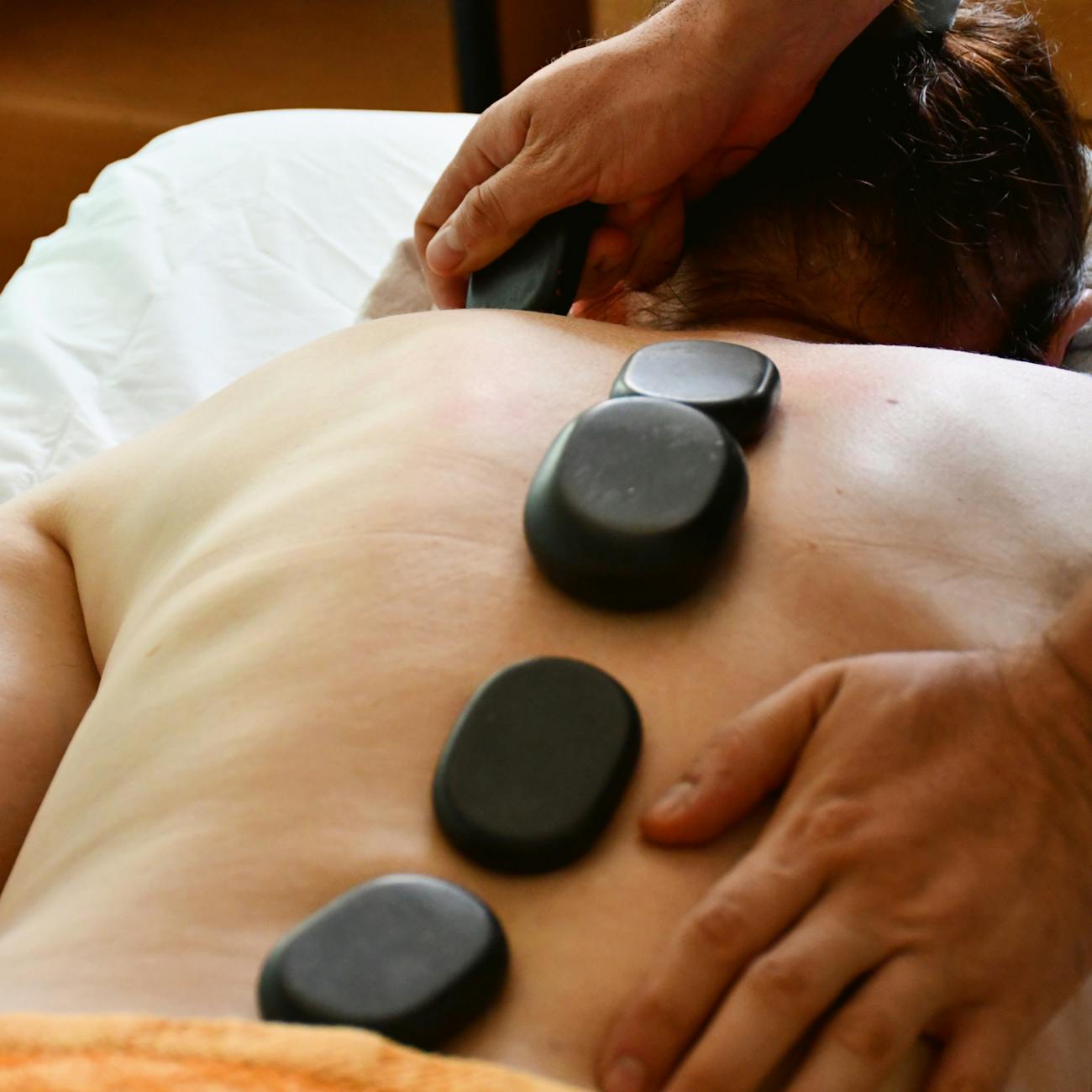
Photo from Pexels
Welcome to this episode of the Certified Professional in Hand Massage for Mental Health podcast, brought to you by HealthCareCourses (An LSIB brand), or HCC for short. Today, we're going to dive into the fascinating world of Anatomy and Physiology of the Hand, a topic that's not only crucial for hand massage therapists but also for anyone interested in understanding the intricate mechanisms of the human body.
You might be wondering, why is it so important to study the anatomy and physiology of the hand? Well, let's take a step back in time. The ancient Greeks were among the first to recognize the hand as a complex and vital part of the human body. They believed that the hands held the key to overall health and wellness, and they developed various techniques to manipulate and massage the hands to promote healing and relaxation. Fast-forward to the present day, and we can see that their intuition was spot on. The hand is a remarkable structure, comprising 27 bones, 29 joints, and over 120 muscles, tendons, and ligaments.
Understanding the anatomy and physiology of the hand is essential for hand massage therapists, as it enables them to tailor their techniques to specific areas of tension and stress. But it's not just limited to professionals; having a basic knowledge of hand anatomy can also help individuals take care of their own hands and prevent common issues like carpal tunnel syndrome or arthritis. For instance, simple exercises like finger bends and stretches can help improve flexibility and reduce the risk of injury.
Now, let's talk about some practical applications of Anatomy and Physiology of the Hand. When it comes to hand massage, it's not just about rubbing oil on the skin; it's about understanding the underlying structures and how they interact with each other. By knowing the location of specific muscles, tendons, and ligaments, therapists can target areas of tension and provide more effective relief. For example, the thenar muscles, located at the base of the thumb, play a crucial role in gripping and grasping. By applying gentle pressure and massage techniques to this area, therapists can help alleviate stress and discomfort.
But it's not just limited to professionals; having a basic knowledge of hand anatomy can also help individuals take care of their own hands and prevent common issues like carpal tunnel syndrome or arthritis.
However, there are some common pitfalls to avoid when it comes to hand massage. One of the most significant mistakes is applying too much pressure, which can cause discomfort and even injury. It's essential to listen to the body and adjust the pressure accordingly. Another mistake is neglecting to warm up the hands before massage, which can lead to stiffness and reduced mobility. By taking the time to gently warm up the hands with some light exercises and gentle strokes, therapists can increase blood flow and prepare the muscles for deeper massage.
As we conclude this episode, I want to leave you with an inspiring message. The Anatomy and Physiology of the Hand is not just a topic; it's a gateway to understanding the intricate complexity of the human body. By applying the knowledge and techniques we've discussed today, you can take the first step towards a journey of growth and discovery. Whether you're a hand massage therapist or simply someone interested in taking care of your own hands, remember that every small step counts.
So, what's next? We invite you to subscribe to our podcast, brought to you by HealthCareCourses (An LSIB brand), or HCC, and join our community of like-minded individuals who are passionate about mental health and wellness. Share this episode with someone who might benefit from it, and don't forget to engage with us on social media using the hashtag #HCCpodcast. Together, let's continue to explore the fascinating world of hand massage and mental health, and let's take the first step towards a happier, healthier us. Thanks for tuning in, and we'll catch you in the next episode!
Key takeaways
- Welcome to this episode of the Certified Professional in Hand Massage for Mental Health podcast, brought to you by HealthCareCourses (An LSIB brand), or HCC for short.
- They believed that the hands held the key to overall health and wellness, and they developed various techniques to manipulate and massage the hands to promote healing and relaxation.
- But it's not just limited to professionals; having a basic knowledge of hand anatomy can also help individuals take care of their own hands and prevent common issues like carpal tunnel syndrome or arthritis.
- When it comes to hand massage, it's not just about rubbing oil on the skin; it's about understanding the underlying structures and how they interact with each other.
- By taking the time to gently warm up the hands with some light exercises and gentle strokes, therapists can increase blood flow and prepare the muscles for deeper massage.
- Whether you're a hand massage therapist or simply someone interested in taking care of your own hands, remember that every small step counts.
- We invite you to subscribe to our podcast, brought to you by HealthCareCourses (An LSIB brand), or HCC, and join our community of like-minded individuals who are passionate about mental health and wellness.