
Ethical Practice and Professional Boundaries
Welcome to this episode of our podcast, where we're exploring the fascinating world of hand massage for mental health, brought to you by HealthCareCourses (An LSIB brand). Today, we're diving into the crucial topic of Ethical Practice and P…
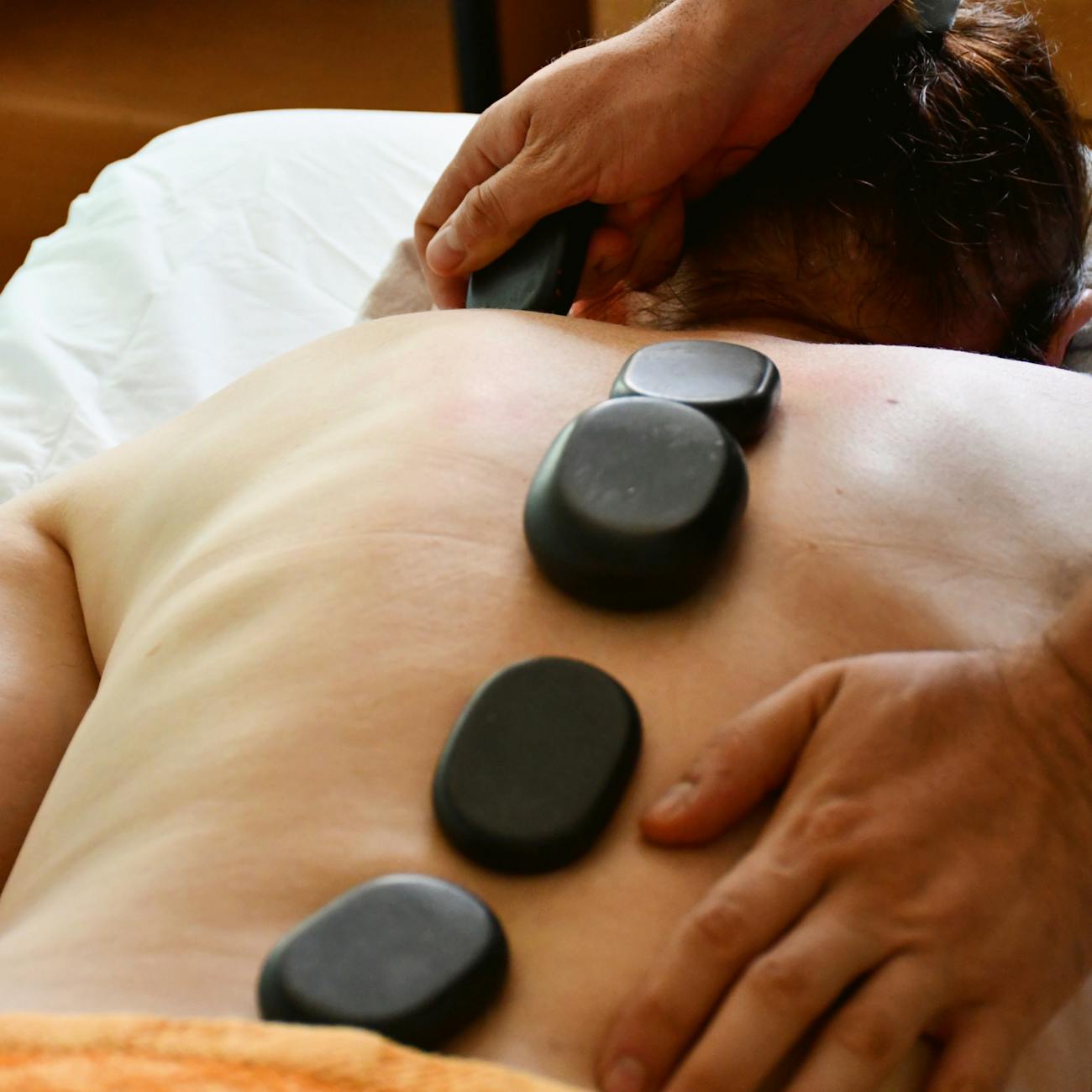
Photo from Pexels
Welcome to this episode of our podcast, where we're exploring the fascinating world of hand massage for mental health, brought to you by HealthCareCourses (An LSIB brand). Today, we're diving into the crucial topic of Ethical Practice and Professional Boundaries, a subject that's not only essential for professionals in the field but also vital for anyone looking to make a positive impact on the lives of others. As we delve into this unit, you'll discover how understanding and applying ethical principles can elevate your practice, build trust with your clients, and ultimately, contribute to better mental health outcomes.
The concept of ethical practice and professional boundaries has evolved significantly over the years. If we look back, we can see that the earliest forms of massage and bodywork were often shrouded in mysticism and secrecy, with practitioners operating on the fringes of society. However, as these practices became more mainstream and integrated into modern healthcare, the need for clear guidelines and standards became apparent. Today, we recognize that establishing and maintaining professional boundaries is essential for creating a safe, respectful, and therapeutic environment for our clients. This is where the rubber meets the road, and understanding these principles can make all the difference in your work.
So, what does it mean to practice ethically and maintain professional boundaries in the context of hand massage for mental health? It starts with self-awareness, recognizing your own strengths, weaknesses, and biases. It's about being mindful of your physical and emotional presence, ensuring that you're not imposing your own energies or agendas onto your clients. It's also about being transparent, communicating clearly and honestly with your clients about your scope of practice, boundaries, and expectations. For instance, imagine you're working with a client who's experiencing intense emotional distress. By being aware of your own emotional limits and maintaining a professional boundary, you can create a safe space for them to process their emotions without becoming overwhelmed yourself.
One of the most practical strategies for maintaining professional boundaries is to establish clear policies and procedures for your practice. This might include things like informed consent, confidentiality agreements, and clear communication about your availability and response times. It's also essential to prioritize ongoing education and training, staying up-to-date with the latest research and best practices in your field. By doing so, you'll not only enhance your skills and knowledge but also demonstrate your commitment to providing the highest level of care for your clients.
By being aware of your own emotional limits and maintaining a professional boundary, you can create a safe space for them to process their emotions without becoming overwhelmed yourself.
Now, let's talk about some common pitfalls to avoid. One of the most significant mistakes professionals make is blurring the lines between their personal and professional relationships. This can lead to conflicts of interest, emotional entanglements, and even exploitation. To avoid this, it's crucial to maintain a clear distinction between your personal and professional life, setting boundaries that respect both your own needs and those of your clients. Another pitfall is failing to prioritize self-care and self-compassion. As a practitioner, you're likely to be exposed to challenging situations and emotionally charged interactions. By neglecting your own well-being, you risk burnout, compassion fatigue, and decreased effectiveness in your work.
As we conclude this episode, I want to leave you with a powerful message: by embracing ethical practice and professional boundaries, you're not only elevating your own work but also contributing to a larger movement of compassion, empathy, and understanding. Remember, the journey of growth and development is lifelong, and it's okay to take it one step at a time. If you're inspired to learn more, I encourage you to subscribe to our podcast, where we'll continue to explore the latest insights and best practices in hand massage for mental health, brought to you by HealthCareCourses (An LSIB brand). Share this episode with someone you know who might benefit from this knowledge, and join the conversation on social media using the hashtag #HCCpodcast. Together, let's create a community of passionate, knowledgeable, and compassionate professionals who are dedicated to making a positive impact on the world, one hand at a time. Thanks for tuning in, and we'll catch you on the next episode.
Key takeaways
- As we delve into this unit, you'll discover how understanding and applying ethical principles can elevate your practice, build trust with your clients, and ultimately, contribute to better mental health outcomes.
- If we look back, we can see that the earliest forms of massage and bodywork were often shrouded in mysticism and secrecy, with practitioners operating on the fringes of society.
- By being aware of your own emotional limits and maintaining a professional boundary, you can create a safe space for them to process their emotions without becoming overwhelmed yourself.
- By doing so, you'll not only enhance your skills and knowledge but also demonstrate your commitment to providing the highest level of care for your clients.
- To avoid this, it's crucial to maintain a clear distinction between your personal and professional life, setting boundaries that respect both your own needs and those of your clients.
- If you're inspired to learn more, I encourage you to subscribe to our podcast, where we'll continue to explore the latest insights and best practices in hand massage for mental health, brought to you by HealthCareCourses (An LSIB brand).