
Integrating Mindfulness with Hand Massage
Welcome to this episode of the Certified Professional in Hand Massage for Mental Health podcast, brought to you by HealthCareCourses (An LSIB brand), or HCC. Today, we're going to dive into the fascinating world of Integrating Mindfulness w…
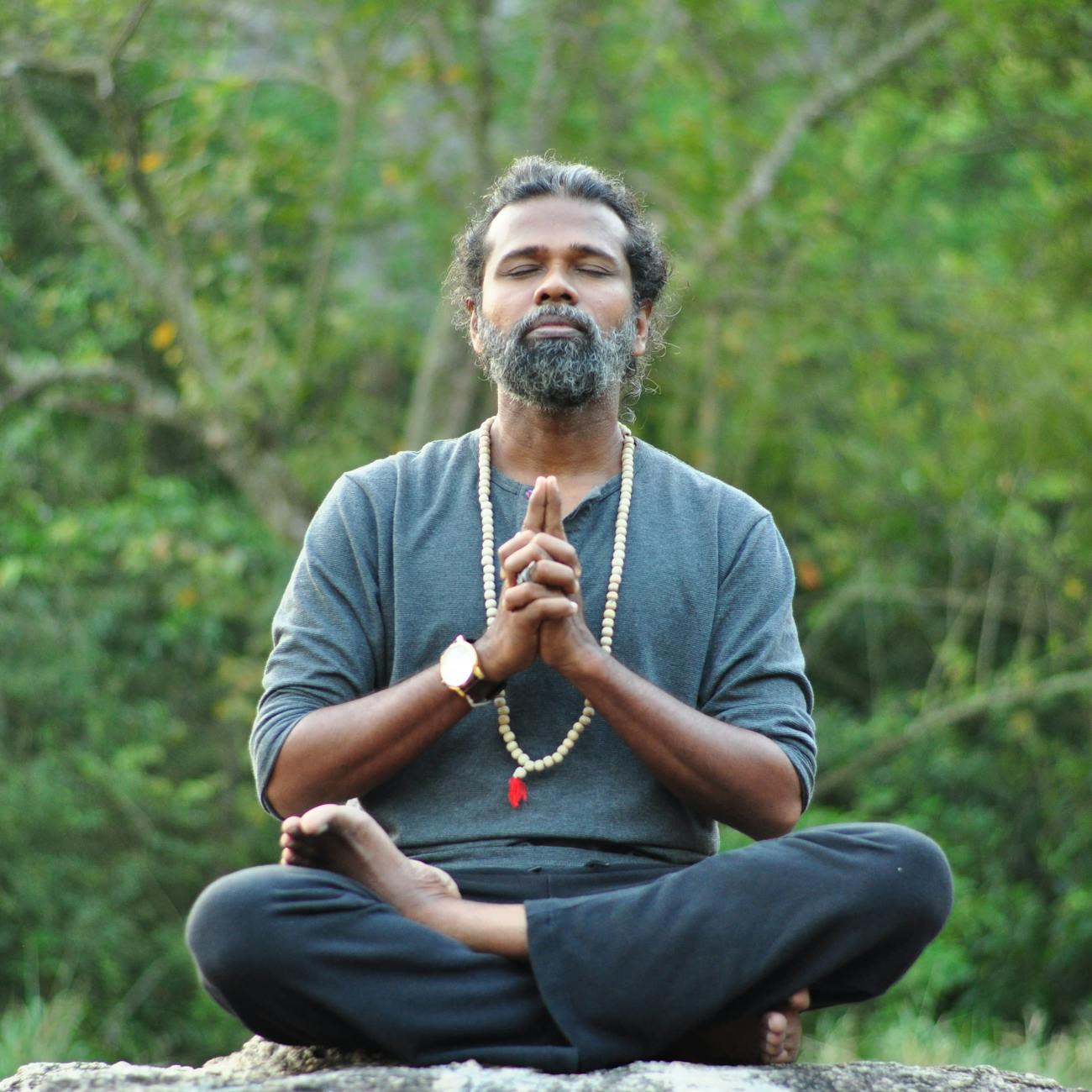
Photo from Pexels
Welcome to this episode of the Certified Professional in Hand Massage for Mental Health podcast, brought to you by HealthCareCourses (An LSIB brand), or HCC. Today, we're going to dive into the fascinating world of Integrating Mindfulness with Hand Massage, a topic that has the potential to revolutionize the way we approach mental health and wellness. As we explore this unit, you'll discover the powerful connection between mindfulness and hand massage, and how this synergy can be harnessed to promote deep relaxation, reduce stress, and improve overall mental well-being.
To set the stage, let's take a brief look at the history of mindfulness and hand massage. The concept of mindfulness has its roots in ancient Eastern cultures, where it was practiced as a way to cultivate awareness and inner peace. Similarly, hand massage has been used for centuries in various forms, from traditional Chinese medicine to modern-day spa treatments. However, it's only in recent years that we've begun to understand the profound impact that integrating mindfulness with hand massage can have on our mental health.
So, what does it mean to integrate mindfulness with hand massage? In essence, it's about bringing a heightened sense of awareness and presence to the massage experience, allowing both the giver and receiver to tap into the therapeutic benefits of touch. By combining mindful intention with the gentle, soothing strokes of hand massage, we can create a truly holistic experience that nurtures both body and mind.
Now, let's talk about some practical applications of Integrating Mindfulness with Hand Massage. One of the most effective ways to start is by setting a clear intention before the massage. This can be as simple as taking a few deep breaths, focusing on the present moment, and visualizing the positive energy you want to convey through your touch. As you begin the massage, pay attention to the sensation of your hands on the skin, the rhythm of your strokes, and the subtle cues from the receiver's body. This mindful approach will not only enhance the massage experience but also allow you to tap into the receiver's energy, creating a deeper sense of connection and empathy.
Another actionable strategy is to incorporate mindful breathing exercises into the massage. By synchronizing your breath with the strokes, you can create a sense of harmony and balance, allowing the receiver to relax more deeply and fully absorb the benefits of the massage. For example, you can try inhaling as you apply gentle pressure, and exhaling as you release, creating a soothing, wave-like motion that calms the nervous system.
In essence, it's about bringing a heightened sense of awareness and presence to the massage experience, allowing both the giver and receiver to tap into the therapeutic benefits of touch.
As with any practice, there are common pitfalls to avoid when integrating mindfulness with hand massage. One of the most common mistakes is to get caught up in our own thoughts and distractions, losing focus on the present moment. To overcome this, try setting aside dedicated time for mindfulness practice, whether it's through meditation, deep breathing, or simply paying attention to your senses. By cultivating greater awareness and presence in your daily life, you'll become more adept at bringing mindfulness into your hand massage practice.
Another potential pitfall is to overlook the importance of self-care and self-compassion. As a practitioner, it's essential to remember that you're not just giving a massage – you're also receiving the benefits of the mindful, intentional touch. By prioritizing your own well-being and taking care of your physical, emotional, and mental needs, you'll become a more effective, empathetic, and compassionate practitioner.
As we conclude this episode, I want to leave you with an inspiring message: the power to create positive change in the world of mental health and wellness is within your hands – literally. By embracing the principles of Integrating Mindfulness with Hand Massage, you can become a catalyst for healing, growth, and transformation. So, take what you've learned today and apply it to your life, your work, and your relationships. Share this episode with a friend, family member, or colleague who may benefit from this knowledge. And if you haven't already, subscribe to our podcast, brought to you by HealthCareCourses (An LSIB brand), or HCC, to stay up-to-date with the latest insights, strategies, and inspiration on your journey to becoming a Certified Professional in Hand Massage for Mental Health. Together, let's create a more mindful, compassionate, and holistic approach to mental health and wellness – one hand massage at a time.
Key takeaways
- As we explore this unit, you'll discover the powerful connection between mindfulness and hand massage, and how this synergy can be harnessed to promote deep relaxation, reduce stress, and improve overall mental well-being.
- However, it's only in recent years that we've begun to understand the profound impact that integrating mindfulness with hand massage can have on our mental health.
- In essence, it's about bringing a heightened sense of awareness and presence to the massage experience, allowing both the giver and receiver to tap into the therapeutic benefits of touch.
- This mindful approach will not only enhance the massage experience but also allow you to tap into the receiver's energy, creating a deeper sense of connection and empathy.
- By synchronizing your breath with the strokes, you can create a sense of harmony and balance, allowing the receiver to relax more deeply and fully absorb the benefits of the massage.
- To overcome this, try setting aside dedicated time for mindfulness practice, whether it's through meditation, deep breathing, or simply paying attention to your senses.
- By prioritizing your own well-being and taking care of your physical, emotional, and mental needs, you'll become a more effective, empathetic, and compassionate practitioner.