
Botanical Knowledge and Plant Identification
Expert-defined terms from the Certified Specialist Programme in Gemmotherapy course at LearnUNI. Free to read, free to share, paired with a professional course.
Botanical Knowledge and Plant Identification Glossary #
Botanical Knowledge and Plant Identification Glossary
A #
A
1. **Angiosperm** #
A flowering plant that produces seeds enclosed within a fruit. Angiosperms are the most diverse group of land plants and include trees, shrubs, herbs, and grasses.
2. **Alkaloid** #
A class of naturally occurring organic compounds that often have pharmacological effects on humans and other animals. Examples of alkaloids include caffeine, nicotine, and morphine.
3. **Apical Meristem** #
The region of actively dividing cells located at the tips of roots and stems in plants. Apical meristems are responsible for primary growth in plants.
B #
B
4. **Botany** #
The scientific study of plants, including their structure, growth, reproduction, metabolism, and classification. Botany is a broad field that encompasses various subdisciplines such as plant physiology, ecology, and taxonomy.
5. **Biennial Plant** #
A plant that completes its life cycle in two growing seasons. Biennial plants typically produce vegetative growth in the first year and flowers and seeds in the second year.
6. **Bryophyte** #
A group of non-vascular plants that includes mosses, liverworts, and hornworts. Bryophytes lack true roots, stems, and leaves, and they require moist environments to survive.
C #
C
7. **Chlorophyll** #
A green pigment found in the chloroplasts of plant cells that is essential for photosynthesis. Chlorophyll absorbs light energy to convert carbon dioxide and water into glucose and oxygen.
8. **Cotyledon** #
The seed leaf of a plant embryo that serves as a food reserve for the developing seedling. Cotyledons are the first leaves to emerge from a germinating seed.
9. **Cultivar** #
A cultivated variety of a plant that has been selected for specific desirable traits such as flower color, fruit size, or disease resistance. Cultivars are often given unique names by plant breeders.
D #
D
10. **Deciduous** #
Referring to plants that shed their leaves seasonally, typically in the fall or autumn. Deciduous trees and shrubs enter a dormant state during the winter months.
11. **Dicotyledon** #
A group of flowering plants that have two seed leaves or cotyledons. Dicotyledons are characterized by net-veined leaves, flower parts in multiples of four or five, and a taproot system.
12. **Dormancy** #
A period in the plant life cycle when growth and metabolic activity are temporarily suspended. Dormancy allows plants to conserve energy and withstand unfavorable environmental conditions.
E #
E
13. **Epiphyte** #
A plant that grows on another plant or object for physical support but does not rely on it for nutrients. Epiphytes obtain water and minerals from the air or rainwater.
14. **Endosperm** #
The nutrient-rich tissue found in the seeds of flowering plants that nourishes the developing embryo. Endosperm is often consumed by humans as a food source in grains such as wheat and rice.
15. **Evergreen** #
Referring to plants that retain their leaves or needles throughout the year, rather than shedding them seasonally. Evergreen trees and shrubs provide year-round foliage and color.
F #
F
16. **Fern** #
A type of vascular plant that reproduces via spores rather than seeds. Ferns have roots, stems, and leaves, and they are commonly found in moist, shaded environments.
17. **Flavonoid** #
A class of plant compounds that have antioxidant and anti-inflammatory properties. Flavonoids are responsible for the colors of many fruits, vegetables, and flowers.
18. **Fruit** #
The mature ovary of a flowering plant that contains seeds. Fruits develop from the fertilized ovules of flowers and serve as a means of seed dispersal for plants.
G #
G
19. **Gemmotherapy** #
A branch of herbal medicine that uses the buds, young shoots, and rootlets of trees and shrubs to promote health and treat various conditions. Gemmotherapy remedies are prepared using maceration techniques.
20. **Gymnosperm** #
A group of seed-producing plants that bear naked seeds (unenclosed by a fruit). Gymnosperms include conifers, cycads, and ginkgoes.
21. **Genus** #
A taxonomic rank in the classification of organisms, ranking above species and below family. A genus consists of one or more species that share similar characteristics.
H #
H
22. **Herbaceous** #
Referring to plants with soft, green stems that lack woody tissue. Herbaceous plants die back to the ground each year and regrow from the roots or base.
23. **Hormone** #
A chemical messenger produced by plants that regulates growth, development, and responses to environmental stimuli. Plant hormones include auxins, gibberellins, cytokinins, abscisic acid, and ethylene.
24. **Hybrid** #
The offspring of two plants or varieties of the same species that have been cross-pollinated. Hybrids often exhibit characteristics of both parent plants.
I #
I
25. **Inflorescence** #
The arrangement of flowers on a plant, including the number, position, and structure of the flowers. Inflorescences can be simple or compound, depending on the organization of the flowers.
26. **Internode** #
The segment of a plant stem between two nodes where leaves, branches, or flowers emerge. Internodes provide structural support and allow for the transport of water and nutrients.
27. **Invasive Species** #
A non-native plant species that spreads rapidly and outcompetes native vegetation, often causing ecological harm. Invasive species can disrupt ecosystems and displace native plants and animals.
J #
J
28. **Juvenile Phase** #
The early stage of plant growth before reproductive maturity is reached. During the juvenile phase, plants focus on vegetative growth and do not produce flowers or fruits.
29. **Jasmine** #
A fragrant flowering plant in the genus Jasminum, known for its white or yellow flowers and sweet scent. Jasmine is used in perfumery, aromatherapy, and tea production.
30. **Juniper** #
A coniferous shrub or tree in the genus Juniperus, known for its berry-like cones and evergreen foliage. Juniper berries are used in cooking, herbal medicine, and gin production.
K #
K
31. **Karyotype** #
The number and appearance of chromosomes in the nucleus of a plant cell. Karyotypes are used to study genetic diversity, identify species, and diagnose chromosomal abnormalities.
32. **Kudzu** #
A fast-growing, invasive vine in the genus Pueraria, native to East Asia. Kudzu is known for its rapid spread and ability to smother trees and other vegetation.
33. **Kale** #
A leafy green vegetable in the Brassica oleracea species, related to cabbage, broccoli, and Brussels sprouts. Kale is rich in vitamins, minerals, and antioxidants.
L #
L
34. **Lignin** #
A complex organic polymer found in the cell walls of plants that provides structural support and rigidity. Lignin is responsible for the woody texture of stems and branches.
35. **Lichen** #
A symbiotic relationship between a fungus and an alga or cyanobacterium. Lichens can grow on rocks, trees, and soil, and they are sensitive to air pollution and environmental changes.
36. **Legume** #
A type of fruit produced by plants in the Fabaceae family, such as peas, beans, and lentils. Legumes are rich in protein, fiber, and essential nutrients.
M #
M
37. **Monocotyledon** #
A group of flowering plants that have one seed leaf or cotyledon. Monocotyledons are characterized by parallel-veined leaves, flower parts in multiples of three, and fibrous root systems.
38. **Mycorrhiza** #
A symbiotic association between plant roots and beneficial fungi that enhances nutrient uptake and water absorption. Mycorrhizae improve plant growth and health in diverse ecosystems.
39. **Meristem** #
A region of undifferentiated plant cells that are capable of dividing and differentiating into various tissues. Meristems give rise to new growth in roots, stems, leaves, and flowers.
N #
N
40. **Node** #
The point on a plant stem where leaves, branches, or flowers are attached. Nodes are important for plant structure and function, as they are sites of active growth and development.
41. **Nectar** #
A sugary fluid produced by flowers to attract pollinators such as bees, butterflies, and birds. Nectar provides energy for pollinators and encourages them to transfer pollen between flowers.
42. **Nitrogen Fixation** #
The biological process by which certain plants and bacteria convert atmospheric nitrogen into ammonia or other nitrogen compounds. Nitrogen fixation is essential for plant growth and soil fertility.
O #
O
43. **Orchid** #
A diverse group of flowering plants in the Orchidaceae family, known for their complex flowers and unique adaptations. Orchids are popular as ornamental plants and can be found in a wide range of habitats.
44. **Ovary** #
The female reproductive organ in a flower that contains ovules and develops into a fruit after fertilization. The ovary protects and nourishes the developing seeds.
45. **Osmosis** #
The movement of water molecules across a semi-permeable membrane from an area of low solute concentration to an area of high solute concentration. Osmosis is important for water uptake and nutrient transport in plants.
P #
P
46. **Photosynthesis** #
The process by which green plants, algae, and some bacteria convert light energy into chemical energy in the form of glucose. Photosynthesis involves the absorption of carbon dioxide and the release of oxygen.
47. **Pistil** #
The female reproductive organ in a flower, consisting of the stigma, style, and ovary. The pistil receives pollen grains and facilitates fertilization and seed development.
48. **Pollen** #
The male reproductive cells produced by flowering plants that contain the genetic material needed for fertilization. Pollen is transferred from the anther to the stigma for pollination.
Q #
Q
49. **Quinine** #
A bitter alkaloid found in the bark of the cinchona tree, used to treat malaria and other medical conditions. Quinine is also used as a flavoring agent in tonic water.
50. **Quercetin** #
A flavonoid compound found in fruits, vegetables, and grains with antioxidant and anti-inflammatory properties. Quercetin is believed to have various health benefits, including immune support.
51. **Quinoa** #
A nutritious pseudocereal crop grown for its edible seeds, which are high in protein, fiber, and essential nutrients. Quinoa is gluten-free and considered a superfood.
R #
R
52. **Rhizome** #
A horizontal underground stem that produces roots and shoots to propagate plants. Rhizomes store nutrients and allow plants to spread and survive adverse conditions.
53. **Rosaceae** #
A large plant family that includes fruit-bearing trees and shrubs such as apples, pears, cherries, and roses. Rosaceae plants are known for their edible fruits and ornamental flowers.
54. **Rootstock** #
The root system of a plant onto which a graft is attached to propagate a desired variety. Rootstocks provide support, nutrients, and water to the grafted plant.
S #
S
55. **Stamen** #
The male reproductive organ in a flower, consisting of the anther and filament. The stamen produces pollen grains that contain the sperm cells needed for fertilization.
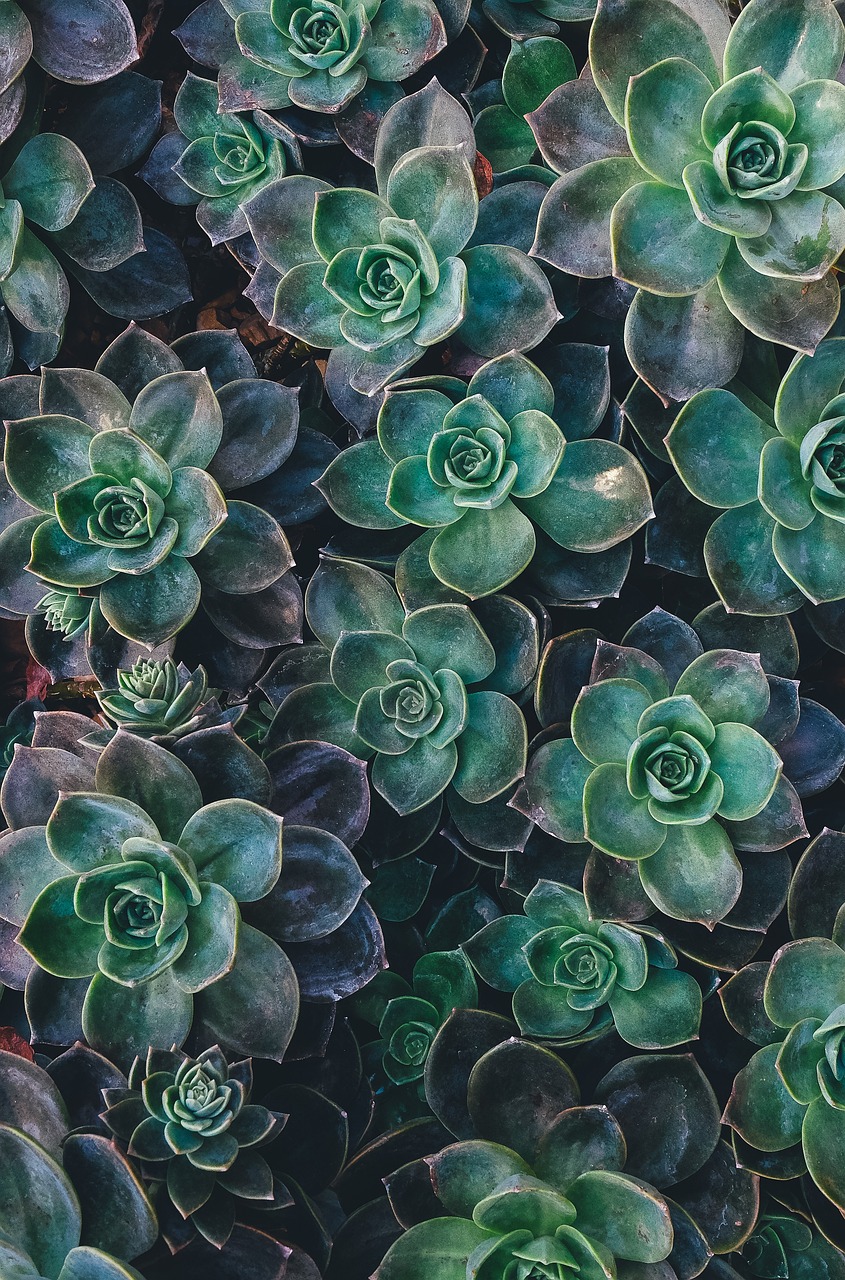
56. **Succulent** #
A type of plant that stores water in its leaves, stems, or roots to survive in arid environments. Succulents come in various shapes and sizes and are popular as houseplants.
57. **Saprophyte** #
A plant that obtains nutrients by decomposing organic matter such as dead plants, animals, or fungi. Saprophytes play a vital role in recycling nutrients in ecosystems.
T #
T
58. **Taproot** #
A main root that grows vertically downward from the plant stem and gives rise to lateral roots. Taproots anchor the plant in the soil and store nutrients for growth and survival.
59. **Tannin** #
A type of polyphenolic compound found in plants that binds to proteins and other molecules. Tannins have astringent properties and are used in tanning leather and making wine.
60. **Thigmotropism** #
The growth response of plants to mechanical stimuli such as touch, wind, or vibrations. Thigmotropism allows plants to adapt to their environment and enhance structural support.
U #
U
61. **Umbel** #
An inflorescence in which the flower stalks arise from a common point and spread outward like the ribs of an umbrella. Umbels are characteristic of plants in the Apiaceae family.
62. **Urticaria** #
A skin condition characterized by raised, itchy welts or hives that result from an allergic reaction. Urticaria can be triggered by plant allergens or other irritants.
63. **Umbellularia** #
A genus of flowering plants in the Lauraceae family, commonly known as bay laurels or California bays. Umbellularia species have aromatic leaves used in cooking and herbal medicine.
V #
V
64. **Vascular Plant** #
A plant with specialized tissues for the transport of water, nutrients, and sugars. Vascular plants include ferns, gymnosperms, and angiosperms, and they exhibit more complex structures than non-vascular plants.
65. **Vine** #
A climbing or trailing plant that uses tendrils, twining stems, or aerial roots to support itself and reach sunlight. Vines can be ornamental, edible, or invasive depending on the species.
66. **Vermiculite** #
A mineral-based soil amendment that improves soil aeration, water retention, and nutrient availability. Vermiculite is commonly used in potting mixes and hydroponic systems.
W #
W
67. **Wilt** #
The loss of turgor pressure in plant cells, resulting in wilting or drooping of leaves, stems, or flowers. Wilt can be caused by water stress, disease, pests, or environmental factors.
68. **Weed** #
A plant growing in a location where it is not wanted or valued, often competing with cultivated plants for resources. Weeds can be invasive, noxious, or beneficial depending on the context.
69. **Wisteria** #
A genus of flowering vines in the Fabaceae family, known for their cascading clusters of fragrant flowers. Wisteria species are popular ornamental plants in gardens and landscapes.
X #
X
70. **Xylem** #
The vascular tissue in plants that conducts water and minerals from the roots to the leaves. Xylem cells are specialized for water transport and provide structural support to the plant.
71. **Xerophyte** #
A plant adapted to arid or drought-prone environments with specialized structures to conserve water. Xerophytes include cacti, succulents, and desert shrubs.
72. **Xanthophyll** #
A type of yellow pigment found in the chloroplasts of plants that plays a role in photosynthesis and photoprotection. Xanthophylls are antioxidants and contribute to leaf coloration.
Y #
Y
73. **Yucca** #
A genus of flowering plants in the Asparagaceae family, native to arid regions of North and Central America. Yucca species have sword-shaped leaves and produce tall spikes of white flowers.
74. **Yarrow** #
A perennial herb in the Asteraceae family, known for its feathery leaves and clusters of white, pink, or yellow flowers. Yarrow has medicinal properties and is used in herbal remedies.
75. **Yeast** #
A type of fungus that plays a crucial role in fermentation processes such as bread making, brewing, and winemaking. Yeasts convert sugars into alcohol and carbon dioxide.
Z #
Z
76. **Zygote** #
The fertilized egg cell formed by the fusion of a sperm cell and an egg cell during sexual reproduction. The zygote develops into an embryo within the seed or fruit of a plant.
77. **Zinnia** #
A genus of colorful flowering plants in the Asteraceae family, native to North and South America. Zinnias are popular garden flowers known for their bright blooms and long-lasting cut flowers.
78. **Zea mays** #
The scientific name for corn, a cereal grain cultivated for its edible seeds and used in food, feed, and industrial applications. Zea mays is a staple crop in many cultures worldwide.
This glossary provides a comprehensive overview of botanical knowledge and plant… #
By understanding these terms and concepts, students can deepen their understanding of plant biology, taxonomy, and ecology, as well as their practical applications in herbal medicine and plant-based therapies.