
Introduction to Fire Sprinkler System Project Management
Introduction to Fire Sprinkler System Project Management
Introduction to Fire Sprinkler System Project Management
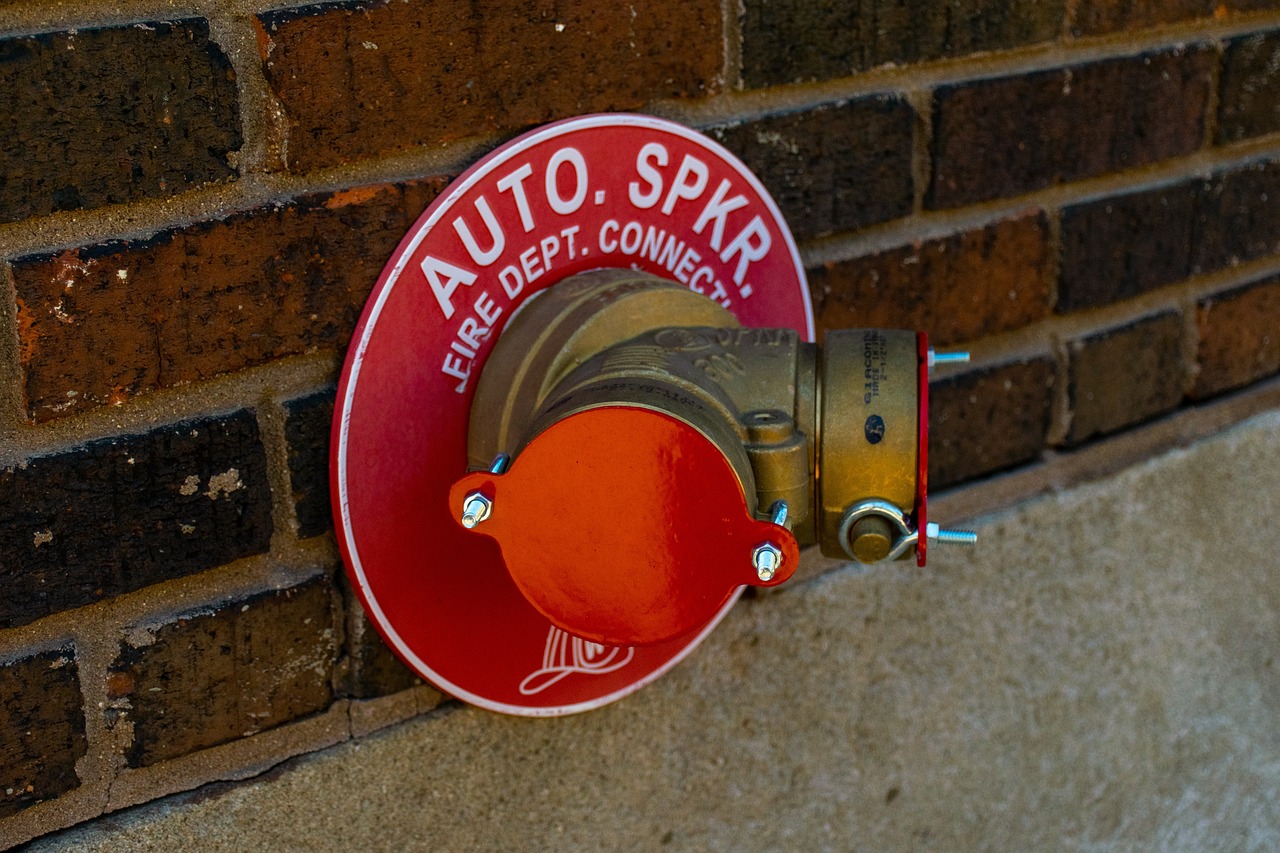
Fire sprinkler systems are essential components of building safety, especially in commercial and residential properties. These systems are designed to detect and extinguish fires automatically, providing crucial protection to occupants and property. However, the successful implementation of fire sprinkler systems requires effective project management to ensure that installations are done correctly and meet all safety standards.
Key Terms and Vocabulary
1. Fire Sprinkler System: A network of pipes, valves, and sprinkler heads designed to detect and suppress fires in buildings.
2. Project Management: The practice of initiating, planning, executing, controlling, and closing the work of a team to achieve specific goals and meet specific success criteria.
3. System Safety: The process of managing risks associated with systems, including identifying hazards, assessing risks, and implementing controls to mitigate them.
4. Certified Professional: An individual who has obtained certification in a particular field, indicating their expertise and competence.
5. Installation: The process of setting up and connecting fire sprinkler system components in a building.
6. Inspection: The examination of a fire sprinkler system to ensure that it meets all safety regulations and standards.
7. Maintenance: The regular upkeep and repair of a fire sprinkler system to ensure its proper functioning.
8. NFPA: The National Fire Protection Association, an organization that develops and publishes fire protection and life safety standards.
9. Building Codes: Regulations that govern the design, construction, and occupancy of buildings to ensure safety and health.
10. Permitting: The process of obtaining approval from local authorities to install or modify a fire sprinkler system.
11. Design Drawings: Detailed plans that show the layout and specifications of a fire sprinkler system.
12. Hydraulic Calculations: Mathematical calculations used to determine the flow rate and pressure requirements of a fire sprinkler system.
13. Material Procurement: The process of sourcing and acquiring the necessary materials for a fire sprinkler system project.
14. Project Schedule: A timeline that outlines the tasks, milestones, and deadlines for a fire sprinkler system project.
15. Budgeting: The process of estimating costs and allocating resources for a fire sprinkler system project.
16. Change Orders: Modifications to the original scope of work or design of a fire sprinkler system project.
17. Closeout: The final phase of a fire sprinkler system project, which includes testing, commissioning, and handing over the system to the owner.
18. Deficiency Report: A document that identifies any issues or non-compliance with the fire sprinkler system during inspections.
19. Commissioning: The process of testing and verifying that a fire sprinkler system operates correctly and meets all requirements.
20. Training: Instruction provided to building occupants on how to operate and maintain the fire sprinkler system.
Practical Applications
Understanding the key terms and vocabulary related to fire sprinkler system project management is crucial for professionals in the field. By having a solid grasp of these concepts, project managers can effectively plan, execute, and complete fire sprinkler system projects. Here are some practical applications of these terms:
1. When designing a fire sprinkler system, project managers must ensure that the hydraulic calculations are accurate to determine the optimal flow rate and pressure for the system.
2. During the installation phase, project managers need to coordinate material procurement to ensure that all necessary components are available on-site.
3. Inspections play a vital role in project management as they help identify any deficiencies or issues with the fire sprinkler system that need to be addressed.
4. Project managers must adhere to building codes and NFPA standards to ensure that the fire sprinkler system meets all safety requirements.
5. Budgeting is essential in project management to allocate resources efficiently and prevent cost overruns during the fire sprinkler system project.
Challenges
Despite the importance of project management in fire sprinkler system projects, there are several challenges that professionals may face. Here are some common challenges and how to address them:
1. Changing Regulations: Building codes and NFPA standards are constantly evolving, requiring project managers to stay updated on the latest regulations and ensure compliance.
2. Tight Deadlines: Fire sprinkler system projects often have strict timelines, making it challenging to coordinate all tasks and ensure timely completion. Project managers can mitigate this challenge by creating detailed project schedules and closely monitoring progress.
3. Budget Constraints: Limited budgets can impact the quality and scope of a fire sprinkler system project. Project managers should carefully assess costs and find ways to optimize resources without compromising safety.
4. Coordination Issues: Fire sprinkler system projects involve multiple stakeholders, including designers, contractors, and inspectors. Effective communication and coordination are essential to ensure that everyone is aligned on project goals and requirements.
5. Technical Complexity: Fire sprinkler systems are intricate systems that require specialized knowledge to design and install. Project managers should work with skilled professionals and provide training to ensure that the system functions as intended.
By understanding the key terms and vocabulary related to fire sprinkler system project management, professionals can navigate these challenges and successfully complete projects. Effective project management is essential for ensuring the safety and functionality of fire sprinkler systems in buildings.
Key takeaways
- However, the successful implementation of fire sprinkler systems requires effective project management to ensure that installations are done correctly and meet all safety standards.
- Fire Sprinkler System: A network of pipes, valves, and sprinkler heads designed to detect and suppress fires in buildings.
- Project Management: The practice of initiating, planning, executing, controlling, and closing the work of a team to achieve specific goals and meet specific success criteria.
- System Safety: The process of managing risks associated with systems, including identifying hazards, assessing risks, and implementing controls to mitigate them.
- Certified Professional: An individual who has obtained certification in a particular field, indicating their expertise and competence.
- Installation: The process of setting up and connecting fire sprinkler system components in a building.
- Inspection: The examination of a fire sprinkler system to ensure that it meets all safety regulations and standards.