
Emergency Response Planning for Fire Sprinkler Systems
Emergency Response Planning for Fire Sprinkler Systems
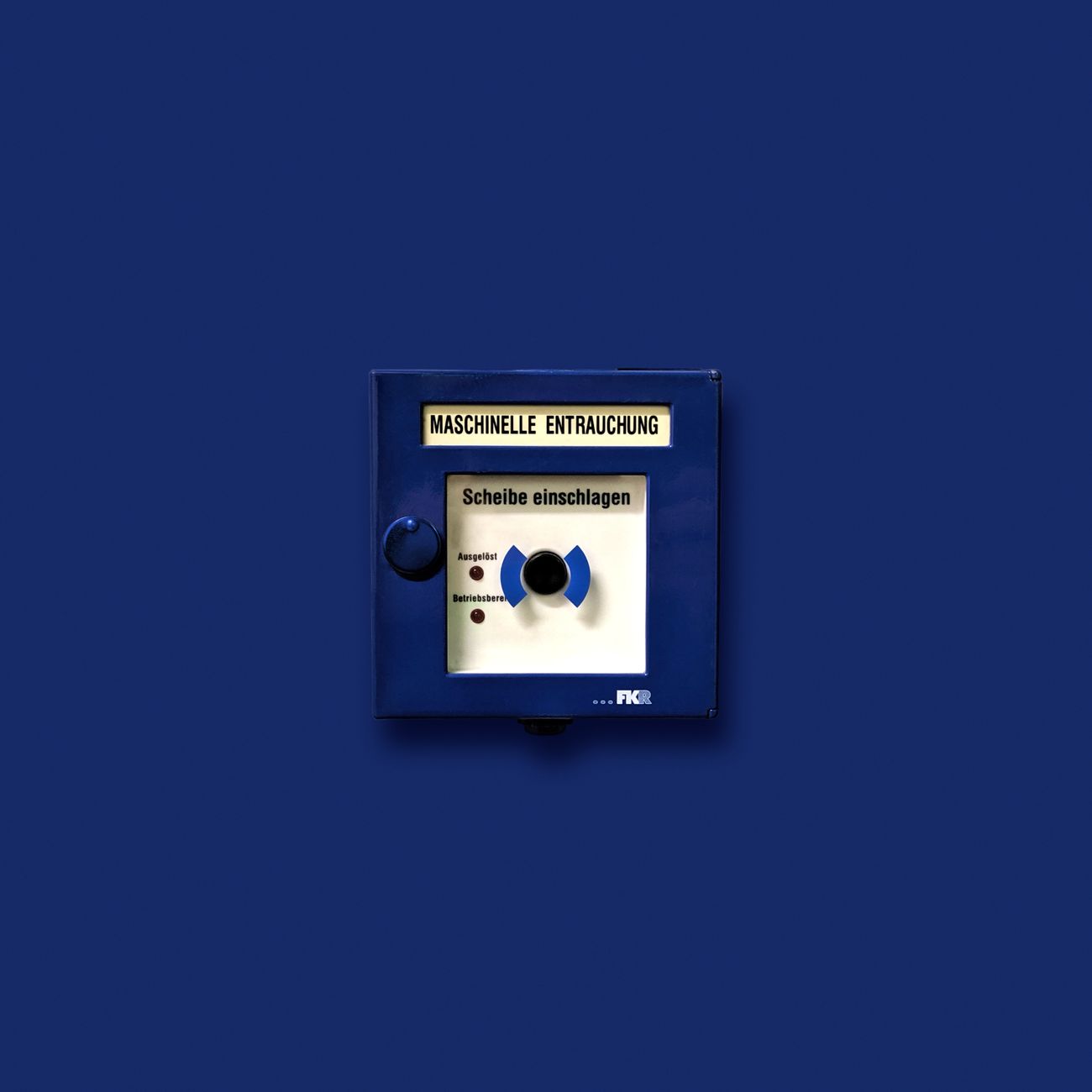
Emergency Response Planning for Fire Sprinkler Systems
Emergency response planning for fire sprinkler systems is a critical aspect of ensuring the safety and protection of people and property in the event of a fire emergency. It involves developing a comprehensive plan that outlines the procedures, protocols, and responsibilities for responding to a fire incident and activating the fire sprinkler system to control and extinguish the fire. Effective emergency response planning is essential for minimizing the impact of a fire and preventing loss of life and property damage.
Key Terms and Vocabulary
1. Emergency Response Plan (ERP): An ERP is a written document that outlines the procedures, protocols, and responsibilities for responding to a fire emergency. It includes information on how to activate the fire sprinkler system, evacuate occupants, and coordinate with emergency responders.
2. Fire Sprinkler System: A fire sprinkler system is a network of pipes, sprinkler heads, and control valves designed to detect and extinguish fires automatically. It is a crucial component of a building's fire protection system.
3. Fire Suppression: Fire suppression refers to the act of controlling and extinguishing a fire using various methods, such as water, foam, or chemicals. Fire sprinkler systems are designed for fire suppression by releasing water or other extinguishing agents when a fire is detected.
4. Fire Alarm System: A fire alarm system is a network of devices, such as smoke detectors and heat detectors, designed to detect the presence of fire or smoke. It is interconnected with the fire sprinkler system to provide early warning and activate the sprinklers.
5. Fire Emergency: A fire emergency is a situation where there is a fire outbreak that poses a threat to life or property. It requires immediate action to control and extinguish the fire and ensure the safety of occupants.
6. Evacuation Procedures: Evacuation procedures are the steps and protocols followed to safely evacuate occupants from a building during a fire emergency. These procedures are outlined in the ERP and include instructions on where to go and how to evacuate in an orderly manner.
7. Emergency Response Team: An emergency response team is a group of individuals designated to respond to a fire emergency and coordinate the activation of the fire sprinkler system. The team may include fire wardens, security personnel, and designated employees trained in emergency response procedures.
8. Fire Drill: A fire drill is a practice exercise conducted to test the effectiveness of the emergency response plan and familiarize occupants with evacuation procedures. It helps ensure that everyone knows what to do in the event of a real fire emergency.
9. Incident Command System (ICS): The Incident Command System is a standardized management system used to coordinate emergency response activities. It establishes a clear chain of command and communication structure to ensure an organized and effective response to emergencies.
10. Risk Assessment: Risk assessment is the process of identifying potential hazards and evaluating the likelihood and consequences of a fire incident. It helps in developing proactive measures to mitigate risks and enhance the safety and security of a building.
11. Fire Department Connection (FDC): A fire department connection is a fitting on the exterior of a building that allows firefighters to connect their hoses to the fire sprinkler system. It enables the fire department to supplement the water supply and assist in firefighting efforts.
12. Fire Code Compliance: Fire code compliance refers to adhering to the regulations and standards set forth by local fire codes and authorities. It includes installing and maintaining fire sprinkler systems in accordance with code requirements to ensure the safety and protection of occupants.
13. Post-Fire Investigation: Post-fire investigation is the process of examining the cause and origin of a fire incident to determine what factors contributed to the fire and how it can be prevented in the future. It helps in improving fire safety measures and emergency response planning.
14. Fire Protection Engineer: A fire protection engineer is a professional who specializes in designing and evaluating fire protection systems, including fire sprinkler systems. They ensure that buildings are equipped with adequate fire safety measures to protect occupants from fire hazards.
15. Hydraulic Calculations: Hydraulic calculations are mathematical calculations used to determine the water flow and pressure requirements for a fire sprinkler system. They help in designing an effective system that can deliver the necessary amount of water to control a fire.
16. Fire Pump: A fire pump is a device used to increase the water pressure in a fire sprinkler system to ensure proper distribution of water to the sprinkler heads. It is essential for maintaining adequate water flow during a fire emergency.
17. Fire Protection System Inspection: Fire protection system inspection is the process of examining and testing the components of a fire sprinkler system to ensure that it is functioning properly and in compliance with fire codes. Regular inspections are essential for identifying and addressing any issues that may compromise the system's performance.
18. Fire Safety Plan: A fire safety plan is a comprehensive document that outlines the fire safety measures and procedures to be followed in a building. It includes information on fire evacuation routes, emergency contacts, and the operation of fire protection systems, such as fire sprinklers.
19. Fire Risk Management: Fire risk management involves identifying, assessing, and mitigating fire hazards to reduce the likelihood of a fire incident and minimize its impact. It includes implementing preventive measures, such as fire sprinkler systems, to enhance the safety and security of a building.
20. Fire Load: Fire load refers to the amount of combustible materials present in a building that can contribute to the spread and intensity of a fire. It is essential to consider the fire load when designing a fire sprinkler system to ensure that it can effectively suppress fires.
21. Fire Protection Contractor: A fire protection contractor is a licensed professional responsible for installing, inspecting, and maintaining fire protection systems, including fire sprinkler systems. They have expertise in fire safety regulations and standards to ensure compliance and effectiveness of the systems.
22. Emergency Lighting: Emergency lighting is a system of lights that automatically illuminate in the event of a power outage or fire emergency. It helps occupants safely evacuate a building and navigate to exits during low visibility conditions.
23. Fire Safety Training: Fire safety training is a program designed to educate occupants on fire prevention, evacuation procedures, and the operation of fire protection systems. It is essential for ensuring that everyone is prepared to respond effectively to a fire emergency.
24. Fire Hazard Analysis: Fire hazard analysis is the process of identifying potential fire hazards in a building and evaluating their impact on fire safety. It helps in developing strategies to eliminate or mitigate hazards and enhance the overall fire protection measures.
25. Fire Sprinkler System Design: Fire sprinkler system design involves planning and engineering a system that can effectively detect and suppress fires in a building. It includes selecting the appropriate sprinkler heads, pipe layout, and control valves to ensure optimal performance.
Practical Applications
Emergency response planning for fire sprinkler systems is essential for ensuring the safety and protection of occupants in a building during a fire emergency. Here are some practical applications of key terms and vocabulary in emergency response planning:
- During a fire drill, occupants practice evacuating the building according to the evacuation procedures outlined in the ERP. - The emergency response team follows the ICS to coordinate the activation of the fire sprinkler system and communicate with emergency responders. - Fire protection contractors conduct regular inspections of the fire sprinkler system to ensure compliance with fire codes and maintain its functionality. - Fire risk management involves assessing the fire load in a building and implementing fire protection measures, such as fire sprinkler systems, to mitigate the risks. - Fire safety training educates occupants on the operation of fire protection systems, such as fire sprinklers, and prepares them to respond effectively in a fire emergency.
Challenges
Emergency response planning for fire sprinkler systems presents certain challenges that must be addressed to ensure effective fire protection and safety. Some common challenges include:
- Ensuring that all occupants are familiar with evacuation procedures and know how to respond in a fire emergency. - Coordinating with emergency responders and maintaining clear communication during a fire incident to ensure a prompt and effective response. - Conducting regular inspections and maintenance of fire sprinkler systems to identify and address any issues that may compromise their performance. - Managing the fire load in a building and implementing fire protection measures to minimize the risk of fire hazards. - Providing ongoing fire safety training to occupants and ensuring that they are prepared to respond to a fire emergency.
Emergency response planning for fire sprinkler systems requires a proactive and comprehensive approach to addressing fire risks and ensuring the safety of occupants in a building. By implementing effective emergency response plans, conducting regular inspections, and providing fire safety training, building owners and managers can enhance the overall fire protection measures and minimize the impact of fire incidents.
Key takeaways
- It involves developing a comprehensive plan that outlines the procedures, protocols, and responsibilities for responding to a fire incident and activating the fire sprinkler system to control and extinguish the fire.
- Emergency Response Plan (ERP): An ERP is a written document that outlines the procedures, protocols, and responsibilities for responding to a fire emergency.
- Fire Sprinkler System: A fire sprinkler system is a network of pipes, sprinkler heads, and control valves designed to detect and extinguish fires automatically.
- Fire Suppression: Fire suppression refers to the act of controlling and extinguishing a fire using various methods, such as water, foam, or chemicals.
- Fire Alarm System: A fire alarm system is a network of devices, such as smoke detectors and heat detectors, designed to detect the presence of fire or smoke.
- Fire Emergency: A fire emergency is a situation where there is a fire outbreak that poses a threat to life or property.
- Evacuation Procedures: Evacuation procedures are the steps and protocols followed to safely evacuate occupants from a building during a fire emergency.