
Fire Sprinkler System Inspection and Testing Procedures
Fire Sprinkler System Inspection and Testing Procedures are crucial components of ensuring the safety and functionality of fire protection systems in buildings. This course, Certified Professional in Fire Sprinkler System Project Management…
Fire Sprinkler System Inspection and Testing Procedures are crucial components of ensuring the safety and functionality of fire protection systems in buildings. This course, Certified Professional in Fire Sprinkler System Project Management for System Safety, equips individuals with the knowledge and skills necessary to manage these systems effectively. To navigate this course successfully, it is essential to understand key terms and vocabulary related to fire sprinkler system inspection and testing procedures. Let's delve into these terms in detail.
1. **Fire Sprinkler System**: A fire sprinkler system is a network of piping filled with water or other extinguishing agents that are installed in buildings to suppress or extinguish fires. It consists of sprinklers, piping, control valves, alarms, and other components.
2. **Inspection**: Inspection refers to a thorough examination of the fire sprinkler system to ensure that it complies with relevant codes and standards. Inspections are conducted regularly to identify any issues or deficiencies that may impact the system's performance.
3. **Testing**: Testing involves the evaluation of the fire sprinkler system under operational conditions to verify its functionality. Various tests, such as flow tests, alarm tests, and valve tests, are conducted to ensure that the system operates as intended.
4. **NFPA**: The National Fire Protection Association (NFPA) is a leading organization that develops codes and standards for fire protection and life safety. NFPA standards, such as NFPA 25 for the inspection, testing, and maintenance of water-based fire protection systems, are widely followed in the industry.
5. **ITM**: ITM stands for Inspection, Testing, and Maintenance, which are essential activities to ensure the reliability and effectiveness of fire sprinkler systems. Regular ITM helps identify and address issues before they escalate into critical problems.
6. **Hydraulic Calculations**: Hydraulic calculations are mathematical calculations used to determine the flow rates, pressures, and pipe sizes required for a fire sprinkler system to effectively suppress a fire. These calculations are crucial for designing and testing sprinkler systems.
7. **Flow Test**: A flow test involves measuring the flow rate of water from the sprinkler system to ensure that it meets the required specifications. Flow tests help verify the system's hydraulic performance and identify any obstructions or issues in the piping.
8. **Alarm Test**: An alarm test checks the functionality of the fire alarm system connected to the sprinkler system. It ensures that the alarms are triggered appropriately in case of a fire, alerting occupants and emergency responders.
9. **Valve Test**: Valve tests are conducted to verify the operation of control valves in the sprinkler system. These tests ensure that valves open and close properly, allowing water to flow to the sprinklers when needed.
10. **Pressure Gauge**: A pressure gauge is a device used to measure the pressure within the sprinkler system. Monitoring pressure levels is essential to ensure that the system can deliver water effectively to extinguish fires.
11. **Water Flow Switch**: A water flow switch is a device that detects the flow of water in the sprinkler system. It triggers the fire alarm system when water flows through the sprinklers, indicating a potential fire incident.
12. **Corrosion**: Corrosion is the gradual deterioration of metal components in the sprinkler system due to chemical reactions with water or environmental factors. Corrosion can weaken pipes and fittings, leading to leaks or system failures.
13. **Obstruction**: An obstruction is any blockage or impediment in the sprinkler system that hinders the flow of water. Obstructions can prevent sprinklers from operating effectively during a fire emergency.
14. **Backflow Preventer**: A backflow preventer is a device installed in the water supply line to prevent contaminated water from flowing back into the municipal water system. It helps maintain water quality in the sprinkler system.
15. **Fire Pump**: A fire pump is a critical component of a fire sprinkler system that boosts water pressure to ensure adequate flow to the sprinklers. Fire pumps are activated automatically or manually in response to a drop in pressure.
16. **Standpipe System**: A standpipe system is a pipe or series of pipes installed in a building to supply water to hose connections for firefighting. Standpipe systems are essential for firefighters to access water on upper floors of high-rise buildings.
17. **Dry Pipe System**: A dry pipe system is a type of fire sprinkler system where pipes are filled with pressurized air or nitrogen instead of water. Water is released into the piping when a sprinkler activates, allowing it to flow to the sprinkler head.
18. **Pre-Action System**: A pre-action system is a hybrid fire sprinkler system that requires two triggers to activate: a fire detection signal and the opening of a sprinkler head. Pre-action systems are used in areas where accidental water discharge must be minimized.
19. **Fire Watch**: Fire watch refers to the temporary assignment of personnel to monitor a building or area for potential fire hazards when the fire sprinkler system is out of service or undergoing maintenance. Fire watch ensures prompt response to any fire incidents.
20. **Emergency Action Plan**: An emergency action plan outlines procedures to be followed in the event of a fire emergency, including evacuation routes, assembly points, and communication protocols. It is essential for ensuring the safety of building occupants during a fire.
21. **Fire Safety Director**: A fire safety director is a designated individual responsible for overseeing fire safety and emergency preparedness in a building. Fire safety directors ensure compliance with fire codes, conduct drills, and coordinate responses to fire incidents.
22. **Fire Code**: A fire code is a set of regulations and standards that govern fire safety requirements in buildings. Fire codes specify the design, installation, and maintenance of fire protection systems, including fire sprinkler systems, to ensure occupant safety.
23. **Fire Protection Contractor**: A fire protection contractor is a licensed professional responsible for the installation, inspection, testing, and maintenance of fire protection systems, including fire sprinkler systems. Contractors play a vital role in ensuring system compliance and functionality.
24. **Record Keeping**: Record keeping involves maintaining detailed documentation of inspection, testing, and maintenance activities performed on the fire sprinkler system. Accurate records help track system performance, identify trends, and demonstrate compliance with regulations.
25. **Deficiency Report**: A deficiency report documents any issues or discrepancies identified during the inspection or testing of the fire sprinkler system. It outlines corrective actions required to address the deficiencies and ensure the system's proper operation.
26. **Non-Destructive Testing**: Non-destructive testing (NDT) is a method of evaluating the condition of materials or components without causing damage. NDT techniques, such as ultrasonic testing or visual inspection, can be used to assess the integrity of sprinkler system components.
27. **Fire Sprinkler Head**: A fire sprinkler head is a component of the sprinkler system that releases water when exposed to heat from a fire. Sprinkler heads are designed to activate individually, suppressing fires in specific areas to prevent their spread.
28. **Hanger**: A hanger is a support device used to suspend piping or sprinkler components from the building structure. Proper hanger installation is crucial to ensure the stability and integrity of the sprinkler system.
29. **Fire Department Connection**: A fire department connection (FDC) is an external connection point on the building that allows firefighters to supplement the water supply to the sprinkler system. FDCs are essential for fire department operations during fire emergencies.
30. **Fire Alarm System**: A fire alarm system is a network of devices that detect and alert occupants to the presence of fire or smoke. Fire alarm systems are interconnected with sprinkler systems to provide early warning and initiate emergency response actions.
31. **Fire Suppression System**: A fire suppression system is a specialized system designed to extinguish fires quickly and effectively. In addition to sprinkler systems, fire suppression systems may include gas suppression systems, foam systems, or other technologies.
32. **Fire Protection Engineering**: Fire protection engineering is the field of engineering dedicated to designing and implementing fire protection systems in buildings. Fire protection engineers ensure that buildings are equipped with adequate fire safety measures to protect occupants and property.
33. **Risk Assessment**: Risk assessment is the process of evaluating potential fire hazards and determining the likelihood and consequences of fire incidents. Risk assessments help identify vulnerabilities in fire protection systems and inform mitigation strategies.
34. **Fire Marshal**: A fire marshal is a public official responsible for enforcing fire codes, conducting inspections, and investigating fire incidents. Fire marshals play a crucial role in promoting fire safety and ensuring compliance with regulations.
35. **Fire Safety Plan**: A fire safety plan outlines procedures and protocols for fire prevention, evacuation, and emergency response in a building. Fire safety plans are tailored to the specific characteristics of the building and are essential for ensuring occupant safety.
36. **Fire Extinguisher**: A fire extinguisher is a portable device used to suppress small fires in their early stages. Fire extinguishers contain extinguishing agents, such as water, foam, or dry chemical powder, to smother or suppress fires.
37. **Fire Alarm Panel**: A fire alarm panel is the central control unit of a fire alarm system that receives signals from detectors and activates alarms. The panel provides information on the location of fire incidents and facilitates communication with emergency responders.
38. **Fire-rated Construction**: Fire-rated construction refers to building materials and assemblies designed to resist the spread of fire and maintain structural integrity during a fire. Fire-rated walls, doors, and ceilings are critical components of fire protection in buildings.
39. **Fire Load**: Fire load is the amount of combustible materials present in a building that can contribute to the intensity and spread of a fire. Managing fire load through proper storage and occupancy practices is essential for fire safety.
40. **Fire Watch Patrol**: Fire watch patrol involves conducting regular inspections of a building or area to detect fire hazards and ensure compliance with fire safety regulations. Fire watch patrols are often implemented during construction or maintenance activities.
41. **Evacuation Drill**: An evacuation drill is a planned exercise that simulates a fire emergency to test the effectiveness of evacuation procedures and the response of building occupants. Evacuation drills help familiarize occupants with emergency exits and evacuation routes.
42. **Fire Code Official**: A fire code official is a government official responsible for interpreting and enforcing fire codes and regulations. Fire code officials conduct inspections, review building plans, and issue permits to ensure compliance with fire safety requirements.
43. **Fire Safety Training**: Fire safety training provides individuals with the knowledge and skills to prevent, respond to, and evacuate from fire incidents safely. Training may cover fire extinguisher use, evacuation procedures, and emergency communication protocols.
44. **Fire Protection System Design**: Fire protection system design involves the planning and layout of fire protection systems in buildings to meet specific fire safety objectives. Design considerations include fire sprinkler placement, hydraulic calculations, and code compliance.
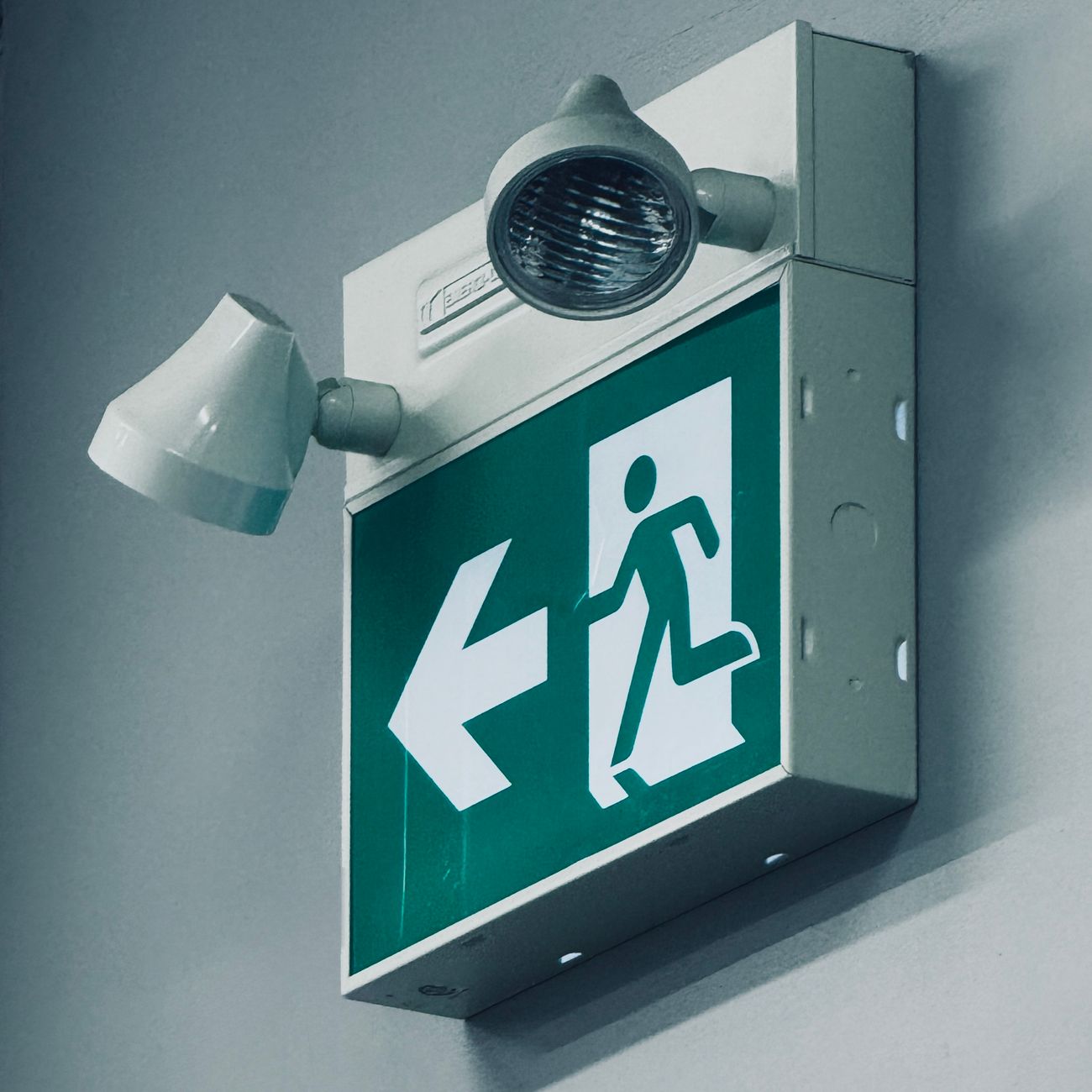
45. **Emergency Lighting**: Emergency lighting is a backup lighting system that activates during power outages or fire emergencies to illuminate exit routes and ensure safe evacuation. Emergency lighting is essential for maintaining visibility in dark or smoky conditions.
46. **Fire Safety Equipment**: Fire safety equipment includes a range of devices and systems designed to prevent, detect, and suppress fires. Examples of fire safety equipment include fire extinguishers, smoke detectors, fire alarms, and sprinkler systems.
47. **Fireproofing**: Fireproofing involves applying materials or coatings to structural elements to increase their resistance to fire. Fireproofing measures help protect buildings from fire damage and maintain their structural integrity during a fire.
48. **Fire Detection System**: A fire detection system is a network of sensors and detectors that monitor for signs of fire, such as smoke or heat. Fire detection systems provide early warning of fire incidents, allowing occupants to evacuate safely.
49. **Emergency Response Plan**: An emergency response plan outlines procedures for responding to various emergencies, including fires, natural disasters, and medical incidents. Emergency response plans detail roles and responsibilities, communication protocols, and evacuation procedures.
50. **Fire Safety Inspection**: A fire safety inspection involves a comprehensive assessment of a building's fire safety features and systems to ensure compliance with fire codes and regulations. Inspections are conducted by fire officials or qualified inspectors.
In conclusion, mastering the key terms and vocabulary related to fire sprinkler system inspection and testing procedures is essential for professionals in fire protection and safety management. Understanding these terms enables individuals to communicate effectively, identify system issues, and ensure the reliability of fire sprinkler systems in buildings. By applying the knowledge gained from this course, Certified Professionals in Fire Sprinkler System Project Management for System Safety can effectively manage fire protection systems and contribute to the safety of occupants and properties.
Key takeaways
- This course, Certified Professional in Fire Sprinkler System Project Management for System Safety, equips individuals with the knowledge and skills necessary to manage these systems effectively.
- **Fire Sprinkler System**: A fire sprinkler system is a network of piping filled with water or other extinguishing agents that are installed in buildings to suppress or extinguish fires.
- **Inspection**: Inspection refers to a thorough examination of the fire sprinkler system to ensure that it complies with relevant codes and standards.
- **Testing**: Testing involves the evaluation of the fire sprinkler system under operational conditions to verify its functionality.
- **NFPA**: The National Fire Protection Association (NFPA) is a leading organization that develops codes and standards for fire protection and life safety.
- **ITM**: ITM stands for Inspection, Testing, and Maintenance, which are essential activities to ensure the reliability and effectiveness of fire sprinkler systems.
- **Hydraulic Calculations**: Hydraulic calculations are mathematical calculations used to determine the flow rates, pressures, and pipe sizes required for a fire sprinkler system to effectively suppress a fire.